





US Leader
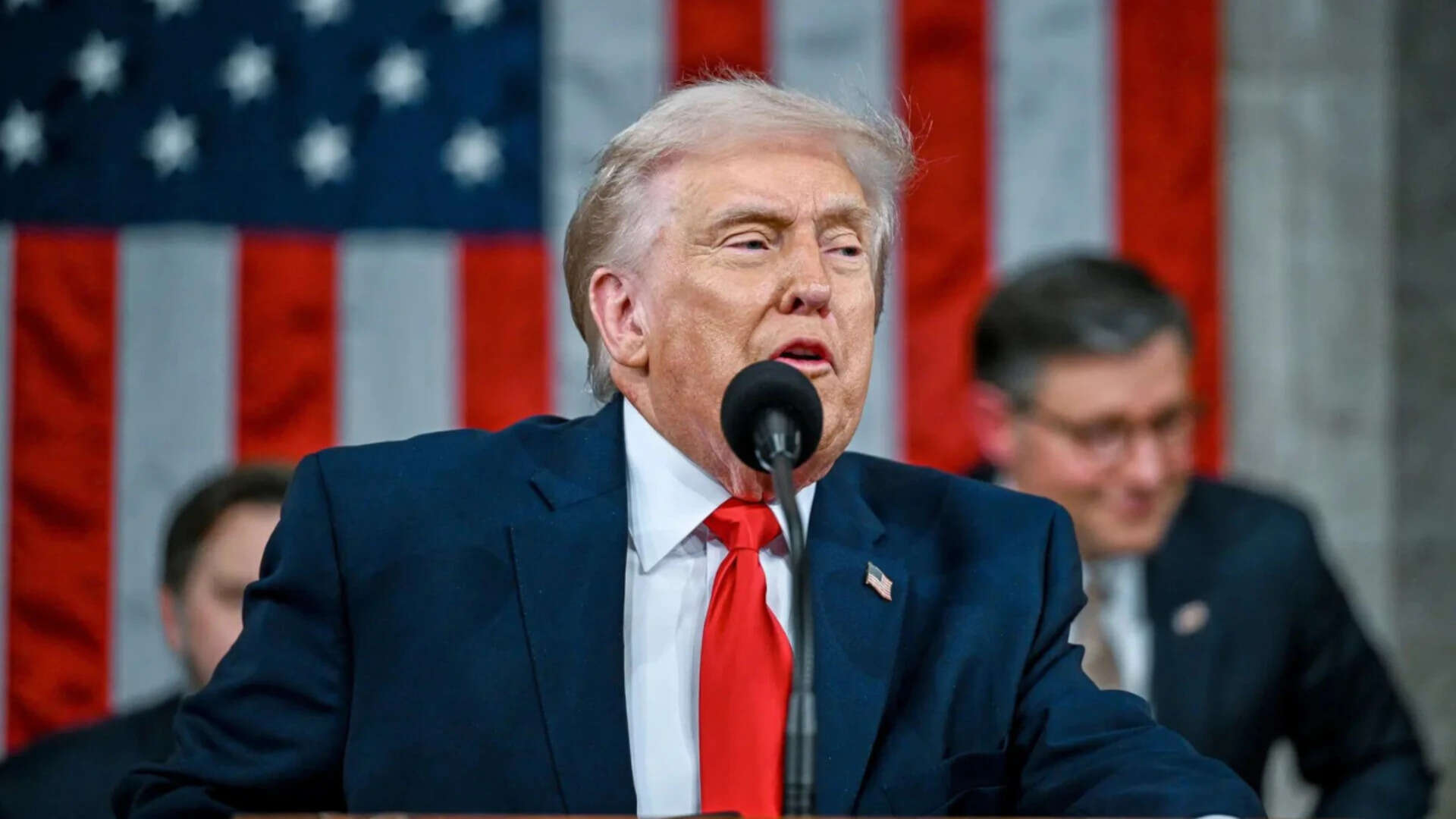
Recent statements from the former US President have once again brought the complex and volatile relationship with Iran into sharp focus. The explicit warning regarding potential military action underscores persistent geopolitical tensions in the Middle East.
Such pronouncements carry significant weight, impacting international diplomacy, global markets, and regional stability. Understanding the context behind these words is crucial for assessing their potential ramifications.
The Recurring Warning: A Deeper Dive into Presidential Rhetoric
The former President’s rhetoric has consistently featured a firm stance on Iran, often characterized by direct warnings and expressions of exasperation. This latest declaration echoes a long-standing position of demanding specific behavioral changes from Tehran.
His recent remarks emphasized a reluctance towards conflict, juxtaposed with an assertion that such measures might be necessary under certain circumstances. This delicate balance reflects the intricate strategic calculations at play on the international stage.
Context of the President’s Remarks and Global Scrutiny
The statement was delivered amidst ongoing global discussions about Middle Eastern security and Iran’s nuclear ambitions. It serves as a stark reminder of the unresolved issues that continue to challenge international peace and stability.
These warnings are not isolated incidents but rather part of a broader foreign policy doctrine that prioritizes national security interests and aims to counter perceived threats. The messaging remains consistent over time, reinforcing a tough posture.
Historical Precedents of US-Iran Tensions and Their Evolution
The relationship between the United States and Iran has been fraught with tension for decades, marked by pivotal events and shifting geopolitical landscapes. The 1979 Iranian Revolution significantly altered diplomatic ties, leading to a prolonged period of animosity.
Subsequent periods saw varying degrees of engagement, often punctuated by mutual distrust, accusations, and proxy conflicts across the region. Understanding this historical backdrop is essential for grasping the gravity of current warnings and anticipating future developments.
Major milestones, like the Iran-Contra affair and the US invasion of Iraq, further complicated relations, cementing deep-seated grievances on both sides. These events continue to shape perceptions and policy decisions today.
Underlying Factors Fuelling the Standoff: A Multi-faceted Challenge
Several key issues contribute to the persistent friction between Washington and Tehran, extending beyond mere political rhetoric to fundamental disagreements. These factors include Iran’s nuclear program, its extensive regional influence, and its support for various proxy groups.
Each of these elements contributes to a complex web of challenges that both sides view as critical to their respective national security interests. Addressing them requires careful consideration of historical grievances, ideological differences, and future implications.
Iran’s Nuclear Program: A Persistent Source of International Anxiety
The development of Iran’s nuclear capabilities has long been a primary source of international anxiety and a central point of contention with the United States. Despite international agreements, concerns about proliferation and weaponization persist among many global powers.
The Joint Comprehensive Plan of Action (JCPOA), a multilateral nuclear deal, aimed to curb Iran’s nuclear activities in exchange for sanctions relief. Its partial unraveling reignited many of these long-standing fears, leading to renewed calls for stricter oversight.
International Atomic Energy Agency (IAEA) reports frequently highlight Iran’s compliance, or lack thereof, with various safeguards, constantly fueling debate and diplomatic efforts. The opacity surrounding certain aspects of the program only intensifies global scrutiny.
Regional Influence and Proxy Networks: A Destabilizing Force
Iran’s extensive network of regional allies and proxy groups, stretching from Lebanon to Iraq, Syria, and Yemen, is another major point of contention. The US and its allies view this influence as profoundly destabilizing for the broader Middle East.
These groups often engage in activities that directly or indirectly challenge US interests and the security of its partners, including attacks on shipping, missile launches, and support for insurgencies. This projection of power adds layers of complexity to any potential conflict scenario.
The proxy conflicts often draw in other regional powers, creating a volatile environment ripe for miscalculation and escalation. The humanitarian toll of these conflicts is also a significant international concern.
Sanctions and Economic Pressure: The Double-Edged Sword
Economic sanctions have been a primary tool employed by the US to pressure Iran into altering its behavior, particularly concerning its nuclear program and regional activities. These measures aim to cripple Iran’s economy and limit its capacity to fund contentious programs.
While sanctions have had a significant impact on the Iranian populace, leading to economic hardship and widespread dissatisfaction, their effectiveness in achieving desired policy changes remains a subject of ongoing debate. Some argue they only harden resolve.
The long-term impact of sanctions on a nation’s economy can lead to social unrest and potentially push the regime towards more radical stances against foreign pressure. This intricate balance must be carefully considered by policymakers.
Potential Pathways and Escalation Risks: A Dangerous Crossroads
The situation remains highly fluid, with various potential scenarios ranging from renewed diplomatic efforts to outright military confrontation. Each pathway carries its own set of significant risks and opportunities for all parties involved.
Navigating this complex landscape requires deft diplomacy, strategic foresight, and a clear understanding of the red lines for all parties. Miscalculations or provocations could easily lead to unintended and severe consequences across the region and beyond.
The Diplomatic Track: Hopes and Hurdles for Peaceful Resolution
Despite the strong rhetoric and deep mistrust, diplomatic avenues are often seen as the preferred, albeit challenging, path to de-escalation. International efforts continue to explore possibilities for dialogue and negotiation, both direct and indirect.
However, significant trust deficits and deeply divergent national interests present substantial hurdles to achieving lasting diplomatic breakthroughs. Both sides face domestic political pressures that complicate making concessions or even engaging openly.
Mediating countries and international organizations often play a crucial role in maintaining communication channels, even when official ties are severed. These back channels can be vital for preventing accidental escalation.
Economic Sanctions: Efficacy, Limits, and Humanitarian Impact
The efficacy of economic sanctions as a standalone tool for achieving comprehensive policy shifts is continuously evaluated by experts. While they inflict hardship and limit resources, they do not always guarantee compliance or desired outcomes from targeted regimes.
Furthermore, the humanitarian impact of broad economic sanctions on the civilian population can be severe, raising ethical concerns and potentially fueling anti-Western sentiment. Balancing pressure with humanitarian considerations is a constant challenge.
Debates persist on whether sanctions truly lead to policy change or merely entrench regimes and foster black markets. The long-term strategic value of such measures is a complex question for international relations scholars.
Military Action: A Last Resort with Catastrophic Potential
The prospect of military action, though consistently framed as a last resort, always looms as a stark possibility in high-stakes geopolitical standoffs. The former President’s recent remarks highlight this ever-present threat in the context of Iran.
Any military engagement in such a volatile region would carry immense humanitarian, economic, and political costs, with potential for widespread regional destabilization. The global community remains deeply concerned by such prospects, urging extreme caution.
The complex terrain, Iran’s military capabilities, and its network of proxies suggest that a military conflict would be protracted and highly unpredictable. The ripple effects would extend far beyond the immediate combatants.
Global Implications and International Reactions: A Shared Concern
A potential conflict involving the United States and Iran would send ripple effects across the globe, impacting energy markets, international trade routes, and diplomatic alliances. No region or economy would be entirely immune to the fallout.
The international community remains acutely aware of these risks, often urging restraint and advocating for peaceful resolutions through multilateral frameworks. Global stability hinges critically on de-escalation efforts and responsible statecraft.
Impact on Oil Markets and the Broader Global Economy
The Middle East is a vital source of global oil supply, and any significant disruption in the region, particularly involving the Strait of Hormuz, would invariably lead to sharp spikes in oil prices. This would have profound implications for global economic stability and energy security.
Beyond oil, broader trade routes and supply chains could be severely affected, triggering inflationary pressures and potentially slowing global economic growth. Such widespread economic turbulence impacts every nation, regardless of their direct involvement.
Investor confidence would plummet, leading to market volatility and capital flight from riskier assets. The costs of recovery from such an economic shock would be astronomical and long-lasting for many countries.
Reactions from International Allies and Adversaries: Divergent Perspectives
US allies in Europe and Asia often express apprehension regarding escalatory rhetoric, generally preferring diplomatic solutions and a return to the JCPOA or a similar multilateral agreement. They advocate for multilateral engagement to address Iran’s nuclear program and regional conduct.
Conversely, regional adversaries of Iran, particularly some Gulf states and Israel, might view strong US warnings with a different perspective, potentially seeing them as necessary deterrence. They often share acute concerns about Iran’s regional ambitions and support for proxies, albeit with their own strategic considerations.
Other global powers like China and Russia closely monitor the situation, often emphasizing the importance of international law, national sovereignty, and multilateral agreements. Their stances are crucial in shaping global responses and potential mediation efforts in the crisis.
Navigating the Future: De-escalation, Dialogue, and Shared Responsibility
The path forward is fraught with challenges, yet the imperative for de-escalation remains paramount for all involved parties to prevent a wider conflict. Sustained dialogue, even if indirect and difficult, is often considered the most viable long-term strategy.
International organizations and mediating countries continue to play crucial roles in facilitating communication channels and reducing immediate tensions. Their efforts are vital in preventing miscalculation and fostering an environment for eventual peaceful resolution.
The Role of Multilateral Diplomacy and International Cooperation
Multilateral forums, such as the United Nations and other regional bodies, provide essential platforms for comprehensive discussions and the formulation of international consensus. These bodies are instrumental in coordinating global responses to complex crises like the US-Iran standoff.
Engaging multiple stakeholders ensures a broader perspective, distributes the burden of seeking peaceful resolutions, and lends greater legitimacy to any agreements reached. Collective action can be significantly more effective than unilateral approaches in highly sensitive situations.
International cooperation also helps in monitoring compliance with agreements and providing humanitarian aid if necessary. Such frameworks offer the most robust architecture for managing global security challenges.
Focus on Regional Stability: A Long-Term Vision for Peace
Beyond the immediate US-Iran dynamic, the broader goal remains achieving lasting regional stability in the Middle East, a region perpetually impacted by conflicts and power struggles. This involves addressing the root causes of conflict and fostering inclusive governance.
Efforts to promote economic development, social cohesion, and political reforms across the region can help diminish the appeal of extremism and proxy conflicts. A holistic, long-term approach is essential for establishing enduring peace and prosperity.
Supporting local initiatives for peacebuilding and conflict resolution also plays a critical role. Empowering communities to resolve their differences can create a foundation for broader regional stability and cooperation.
Conclusion: A Volatile Balance in a Critical Region
The former US President’s repeated warnings to Iran serve as a stark reminder of the enduring volatility in one of the world’s most critical regions. The interplay of historical grievances, nuclear ambitions, and regional power struggles creates a delicate and dangerous balance.
While the preference for avoiding conflict is often stated, the willingness to consider military options underscores the seriousness of the perceived threats. The global community watches closely, advocating for peaceful resolutions and de-escalation at every turn to prevent a catastrophic confrontation.
For more insights into latest trends in geopolitical developments, stay informed through reliable news sources. An Official Source for the specific article provides further details regarding the original statement.
Frequently Asked Questions (FAQs)
1. What exactly did the US leader say regarding Iran?
The former US President expressed a clear reluctance for military conflict with Iran, stating directly, “Don’t want to, but sometimes you have to.” This remark underscored his firm stance on confronting perceived threats from Tehran while simultaneously indicating a preference for avoiding direct military engagement if possible. His statement reflects a consistent message of conditional restraint, suggesting that while he seeks to avoid war, he would not hesitate to consider military action if deemed necessary to protect US interests or allies, thereby signaling a strong deterrent posture.
2. What is the historical context of US-Iran tensions?
US-Iran tensions date back to the 1979 Iranian Revolution, which saw the overthrow of the US-backed Shah and the establishment of an Islamic Republic, fundamentally altering the geopolitical landscape. The subsequent hostage crisis at the US embassy in Tehran severed diplomatic ties, leading to decades of profound mistrust and animosity. This long history is further fueled by US concerns over Iran’s nuclear program, its human rights record, and its expansive support for regional proxy groups, forming the deep-seated backdrop for contemporary geopolitical rhetoric and actions.
3. What is the Joint Comprehensive Plan of Action (JCPOA)?
The JCPOA, commonly known as the Iran nuclear deal, is a landmark agreement reached in 2015 between Iran and the P5+1 group of world powers (China, France, Germany, Russia, the United Kingdom, and the United States). The deal aimed to strictly limit Iran’s nuclear program, including enrichment levels and heavy water production, in exchange for comprehensive sanctions relief from the UN, US, and EU. It imposed stringent international inspections and monitoring by the IAEA to ensure Iran’s nuclear activities remained purely peaceful and to prevent it from developing nuclear weapons.
4. Why did the US withdraw from the JCPOA?
The US, under the former President’s administration, unilaterally withdrew from the JCPOA in May 2018, citing what it considered fundamental flaws and insufficient provisions within the agreement. Criticisms included the deal’s temporary “sunset clauses” for restrictions on Iran’s nuclear program, its complete failure to address Iran’s ballistic missile program, and its lack of provisions regarding Iran’s regional destabilizing activities. The US administration argued that the deal did not sufficiently prevent Iran from developing nuclear weapons and that a “maximum pressure” campaign of renewed, harsher sanctions would compel Iran to negotiate a more comprehensive and enduring agreement.
5. What are the potential military options the US might consider?
Potential military options range from targeted strikes against specific Iranian nuclear facilities, military installations, or naval assets to broader campaigns aimed at degrading Iran’s conventional military capabilities or its ability to project power regionally. These could include precision air strikes, missile attacks, sophisticated cyber warfare operations, or special forces raids. Any such action would be fraught with immense risks, including the potential for wider regional conflict, direct retaliation against US assets or allies, and significant humanitarian consequences, making such a decision one of extreme strategic gravity and last resort.
6. What are the economic implications of a potential conflict?
A military conflict in the Middle East, particularly involving a major oil producer and strategic choke-point holder like Iran, would have devastating global economic implications. It would almost certainly lead to a sharp and sustained surge in global oil prices, disrupting energy markets worldwide and potentially triggering a severe global recession. International shipping lanes, especially through the crucial Strait of Hormuz, could be jeopardized or closed, further crippling global trade and supply chains. Sanctions already place immense pressure on Iran’s economy, and a conflict would exacerbate these economic hardships both domestically for Iran and internationally for its trading partners.
7. How have international bodies and other nations reacted to these warnings?
International bodies like the United Nations consistently advocate for diplomatic solutions and immediate de-escalation, emphatically warning against the dangers of military confrontation and its potential global fallout. European allies of the US generally express strong support for diplomacy and the preservation of the JCPOA, often acting as mediators between the US and Iran. Russia and China,
while often critical of US unilateral actions, also urge restraint and emphasize the importance of international law and multilateral frameworks. Regional actors, such as Gulf states and Israel, have varied reactions, often aligning with the US stance on Iran’s regional activities, but also profoundly wary of the potential for a wider, destabilizing conflict on their doorstep.
8. What is the role of diplomacy in de-escalating the current situation?
Diplomacy remains the primary, most desirable, and potentially most effective tool for de-escalating tensions and finding a peaceful, sustainable resolution to the complex US-Iran standoff. It involves direct or indirect negotiations, multilateral discussions, and the potential for new agreements or modifications to existing ones, such as a revised nuclear deal.
The overarching goal of diplomacy is to build trust, establish common ground, and comprehensively address core grievances and security concerns for all parties without resorting to conflict. Despite historical difficulties and deep-seated mistrust, diplomatic channels are continually explored by various international actors to prevent military confrontation and manage ongoing disagreements with Iran, striving for a more stable future.
9. Are there other regional actors significantly involved in this dynamic?
Yes, several regional actors play crucial and often pivotal roles in exacerbating or de-escalating this dynamic. Saudi Arabia and other Gulf Cooperation Council (GCC) states are deeply concerned by Iran’s regional influence, ballistic missile program, and often align closely with US policy to counter what they perceive as Iranian aggression. Israel views Iran as a primary existential security threat, particularly regarding its nuclear ambitions and its financial and military support for groups like Hezbollah and Hamas.
Turkey, while a NATO ally, often pursues its own independent and sometimes conflicting foreign policy in the region. These complex regional rivalries and shifting alliances significantly complicate the broader geopolitical landscape and any potential conflict or peace efforts.
10. What is the general outlook for future US-Iran relations?
The outlook for future US-Iran relations remains highly uncertain, volatile, and deeply challenging. While periods of intense confrontation may be sporadically followed by cautious attempts at dialogue, deep-seated mistrust, ideological differences, and fundamentally conflicting strategic interests persist on both sides. Future relations will likely be heavily shaped by the outcomes of upcoming elections in both countries,
potential changes in leadership and policy directives, and evolving geopolitical circumstances in the broader Middle East. A comprehensive and lasting resolution would require significant concessions and a fundamental shift in approach from both Washington and Tehran, making continued tension and a careful balancing act a probable scenario in the near to medium term without a major diplomatic breakthrough.
Trump Iran warning, US military action Iran, Middle East tensions, Iran nuclear program, Geopolitical analysis, International relations, Diplomacy Iran, Economic sanctions Iran, Regional stability, Conflict prevention, US foreign policy, Tehran warnings, Military options, Global security, De-escalation efforts