



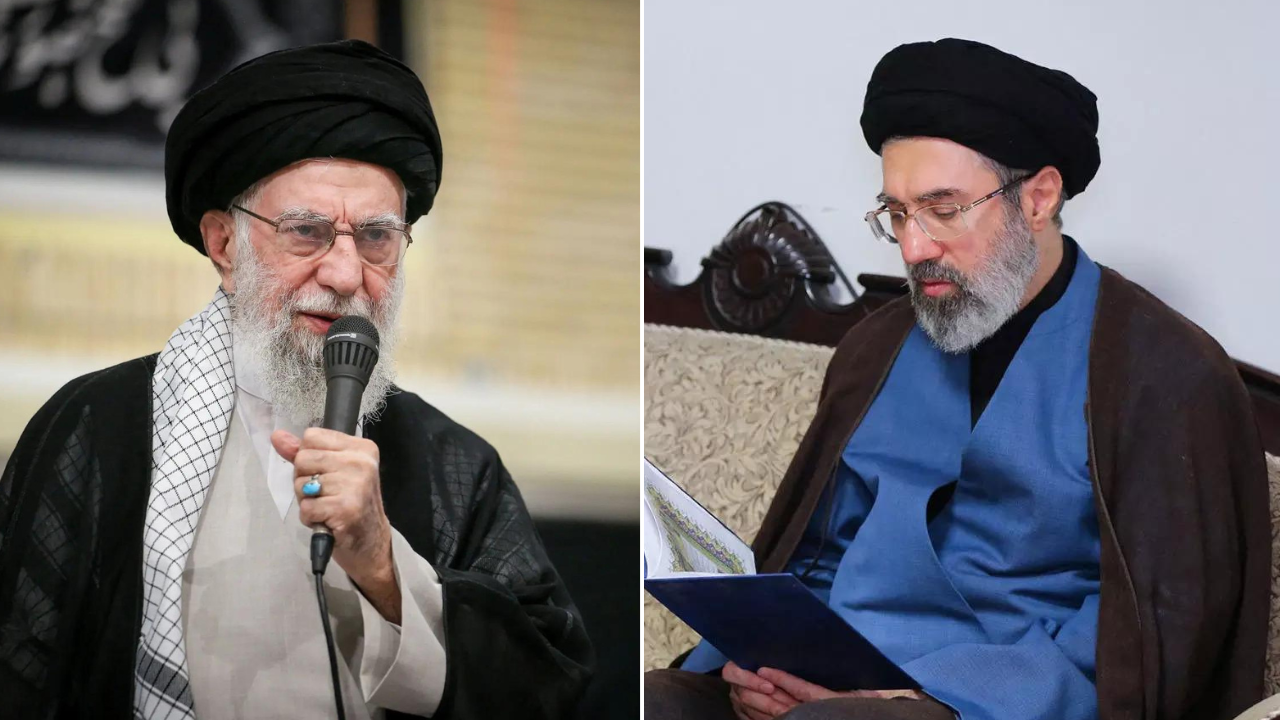
The potential succession of Iran’s Supreme Leader is a topic of intense global interest. As the Islamic Republic navigates complex domestic and international challenges, all eyes turn to those positioned to potentially inherit the country’s ultimate authority.
Among the names frequently discussed, Mojtaba Khamenei, the son of the current Supreme Leader, Ayatollah Ali Khamenei, stands out. His trajectory and perceived influence offer crucial insights into Iran’s future direction.
The Succession Question and Mojtaba’s Ascent
The role of Supreme Leader in Iran is one of immense power, guiding both religious and political affairs. The eventual transition will undoubtedly reshape the nation’s landscape, both internally and externally.
Mojtaba Khamenei’s name has gained prominence in succession discussions, particularly in recent years. His low public profile often belies his significant behind-the-scenes influence within the Iranian establishment.
Background and Early Life
Mojtaba Khamenei was born in Mashhad, Iran, in 1969. He grew up within the inner circle of the Islamic Revolution, with his father emerging as a key figure.
His early life was shaped by the revolutionary fervor and the subsequent Iran-Iraq War, where he reportedly served as a volunteer in the Basij paramilitary force.
Religious Education and Clerical Path
Following in the footsteps of many prominent figures in Iran, Mojtaba pursued extensive religious studies. He attended seminaries in Qom, Iran’s religious heartland.
He studied under some of Iran’s most respected clerics, including Ayatollah Mesbah Yazdi and his own father. This rigorous education has provided him with the necessary religious credentials for a leadership role.
Political Influence Behind the Scenes
Despite holding no official government position, Mojtaba Khamenei is widely believed to wield substantial political power. He is often seen as a crucial conduit between his father and various powerful institutions.
His connections to the Islamic Revolutionary Guard Corps (IRGC) and the Basij are particularly noteworthy. These ties underscore his influence within Iran’s security apparatus and hardline factions.
Navigating Geopolitical Complexities
Should Mojtaba Khamenei ascend to the Supreme Leadership, he would inherit a nation embroiled in significant international tensions. The relationship with the United States and the ongoing confrontation with Israel would dominate his foreign policy agenda.
Iran’s strategic alliances and regional rivalries also represent complex challenges requiring astute diplomatic and strategic maneuvering.
The US-Iran Standoff
The historical animosity between Iran and the United States continues to define their relationship. Sanctions, proxy conflicts, and the nuclear program remain flashpoints.
A new Supreme Leader would face immediate pressure to either de-escalate or further entrench Iran’s confrontational stance with Washington. The fate of any future nuclear deal would be a primary concern.
The Israel-Iran Proxy Conflict
The shadow war between Iran and Israel spans across the Middle East, from Syria to Lebanon and beyond. Both nations view each other as existential threats.
Mojtaba Khamenei would be tasked with managing Iran’s extensive network of proxies and its strategic depth in the region, ensuring its deterrent capabilities against Israeli actions.
Regional Alliances and Power Dynamics
Iran maintains crucial alliances with states like Russia and China, countering Western influence. These partnerships are vital for Iran’s economic and security interests.
The new leader would also have to navigate complex relations with Gulf states, particularly Saudi Arabia, as regional power struggles persist. Any shift could ripple across the Middle East.
Domestic Challenges and Policy Directions
Beyond external pressures, Iran faces significant internal challenges that would demand immediate attention from any new Supreme Leader. These include economic hardship, social unrest, and the need to consolidate power.
The new leadership would be expected to formulate policies that address the daily concerns of Iranian citizens while maintaining the integrity of the Islamic Republic.
Economic Pressures and Sanctions
Decades of international sanctions have severely impacted Iran’s economy, leading to high inflation, unemployment, and a struggling currency. This has fueled widespread public discontent.
Mojtaba Khamenei would face the daunting task of reviving the economy and alleviating the financial burden on ordinary Iranians. Economic reform and managing sanctions would be paramount.
Social Unrest and Reform Demands
Iran has witnessed waves of protests in recent years, often driven by economic grievances and demands for greater social freedoms. The death of Mahsa Amini sparked nationwide demonstrations.
A new Supreme Leader would need to skillfully address these calls for change, balancing the preservation of revolutionary values with the aspirations of a young, increasingly connected population.
Consolidating Power
Any transition of power in Iran involves navigating complex political currents and potential rivalries. Mojtaba Khamenei would need to secure the unwavering support of key institutions.
Ensuring loyalty from the IRGC, the judiciary, and the clerical establishment would be critical for establishing and maintaining his authority. This process would require significant political acumen.
What a Mojtaba-Led Iran Might Look Like
Predicting the exact direction of a Mojtaba-led Iran requires careful consideration of his background and associations. Many observers anticipate a continuation of the current conservative path.
However, every leader brings their own nuances and priorities, which could manifest in subtle yet significant policy shifts over time.
Continuity or Departure?
Given his close ties to the current establishment and his father, Mojtaba Khamenei is largely expected to uphold the foundational principles of the Islamic Revolution. A dramatic departure from current policies seems unlikely.
Yet, his generation and specific allegiances might introduce new approaches to old problems, particularly in how Iran projects its power and manages internal dissent.
Implications for the Nuclear Program
Iran’s nuclear program remains a central issue in its international relations. A Mojtaba-led Iran would likely continue to view nuclear capabilities as a strategic imperative.
The pace and direction of uranium enrichment, as well as engagement with international monitoring bodies, would be closely scrutinized under his leadership.
Future of the IRGC
The Islamic Revolutionary Guard Corps is a cornerstone of Iranian power and a key ally for Mojtaba Khamenei. It is expected that the IRGC’s influence would remain strong, if not grow.
Their role in regional security, economic activities, and domestic enforcement would likely continue to be pivotal. The relationship between the Supreme Leader and the Guards would be crucial.
The prospect of Mojtaba Khamenei as Iran’s next Supreme Leader presents a complex picture of continuity and potential subtle shifts. His leadership would undoubtedly shape Iran’s destiny for decades to come, facing immense pressure from both within and without.
Understanding these dynamics is vital for anyone tracking global geopolitics and the future of the Middle East. For more information on the evolving situation and latest trends, staying informed is key. You can find more details from an Official Source regarding Mojtaba Khamenei’s potential role.
Frequently Asked Questions
1. Who is Mojtaba Khamenei?
Mojtaba Khamenei is the second son of Iran’s current Supreme Leader, Ayatollah Ali Khamenei. While he holds no official government post, he is widely considered a highly influential figure within Iran’s political and religious establishment, often seen as a behind-the-scenes power broker and a potential successor to his father.
2. What is his current role in Iranian politics?
Although he does not occupy a formal governmental or public office, Mojtaba Khamenei’s influence is considerable. He is believed to manage his father’s office, act as a liaison to various powerful institutions like the Islamic Revolutionary Guard Corps (IRGC), and play a significant role in guiding his father’s decisions. His power stems from his proximity to the Supreme Leader and his network within the hardline factions.
3. Why is he considered a potential successor to the Supreme Leader?
Mojtaba Khamenei is viewed as a strong contender due to several factors: his direct lineage to the current Supreme Leader, his extensive religious education which provides clerical legitimacy, his strong ties to the powerful IRGC and conservative establishment, and his perceived management of his father’s affairs for many years. These elements combine to give him a unique and powerful position for succession.
4. What are his religious credentials?
Mojtaba Khamenei undertook rigorous religious studies in Qom, Iran’s prominent seminary city. He studied under influential figures, including his own father and the late Ayatollah Mesbah Yazdi, a renowned conservative cleric. This academic background equips him with the necessary qualifications and scholarly respect within the Shi’a clerical hierarchy, a prerequisite for the Supreme Leader role.
5. How does his potential leadership impact US-Iran relations?
Given Mojtaba Khamenei’s conservative leanings and strong connections to hardline elements, particularly the IRGC, his leadership would likely signal a continuation of Iran’s assertive foreign policy. This could mean increased skepticism towards engagement with the US, a firmer stance on the nuclear program, and potentially further regional proxy engagements, leading to sustained or even heightened tensions with Washington.
6. What are the implications for Israel under his potential leadership?
A Mojtaba-led Iran would likely maintain or intensify the current confrontational posture towards Israel. This would involve continued support for anti-Israel proxy groups like Hezbollah and Palestinian factions, a sustained presence in Syria, and an unwavering commitment to Iran’s missile and drone capabilities. The strategic rivalry between Iran and Israel, often termed a ‘shadow war,’ is expected to persist or escalate.
7. Will he likely continue his father’s policies or pursue new directions?
Many analysts anticipate that Mojtaba Khamenei would largely continue his father’s overarching policies, particularly regarding the foundational principles of the Islamic Revolution, anti-Western rhetoric, and support for regional allies. However, every leader brings their own style and priorities; he might implement these policies with greater assertiveness or a different strategic emphasis, potentially reflecting his hardline base.
8. What are the main domestic challenges he would face?
Domestically, Mojtaba Khamenei would face immense challenges, including a struggling economy severely impacted by sanctions, persistent high inflation, and significant youth unemployment. He would also need to address ongoing social unrest and public demands for greater freedoms, while navigating internal political factions and ensuring the stability and legitimacy of the ruling system.
9. How might his leadership affect the IRGC’s influence?
Given Mojtaba Khamenei’s close ties to the Islamic Revolutionary Guard Corps (IRGC), his leadership is widely expected to further solidify and potentially expand the IRGC’s influence. The Guards, already a powerful military, economic, and political force, would likely see their role strengthened in national security, foreign policy, and domestic affairs, serving as a key pillar of his support base.
10. What is the succession process for the Supreme Leader in Iran?
The Supreme Leader is chosen by the Assembly of Experts, an 88-member body of high-ranking clerics elected by popular vote. This assembly is constitutionally responsible for selecting and overseeing the Supreme Leader. Upon the current leader’s death, the Assembly convenes to deliberate and choose a new leader based on specific religious and political qualifications, although the process is often influenced by behind-the-scenes political maneuvering.
SEO Keywords
Mojtaba Khamenei, Iran Supreme Leader, Iranian Succession, Ali Khamenei, Iran Politics, US Iran Relations, Israel Iran Conflict, IRGC, Islamic Revolutionary Guard Corps, Iran Sanctions, Middle East Geopolitics, Qom Seminary, Iranian Hardliners, Iranian Foreign Policy, Future of Iran.
Source: Times of India