





Gulf Crisis Spurs Urgent Repatriation: India Brings Home 52,000 Amid US-Iran Standoff
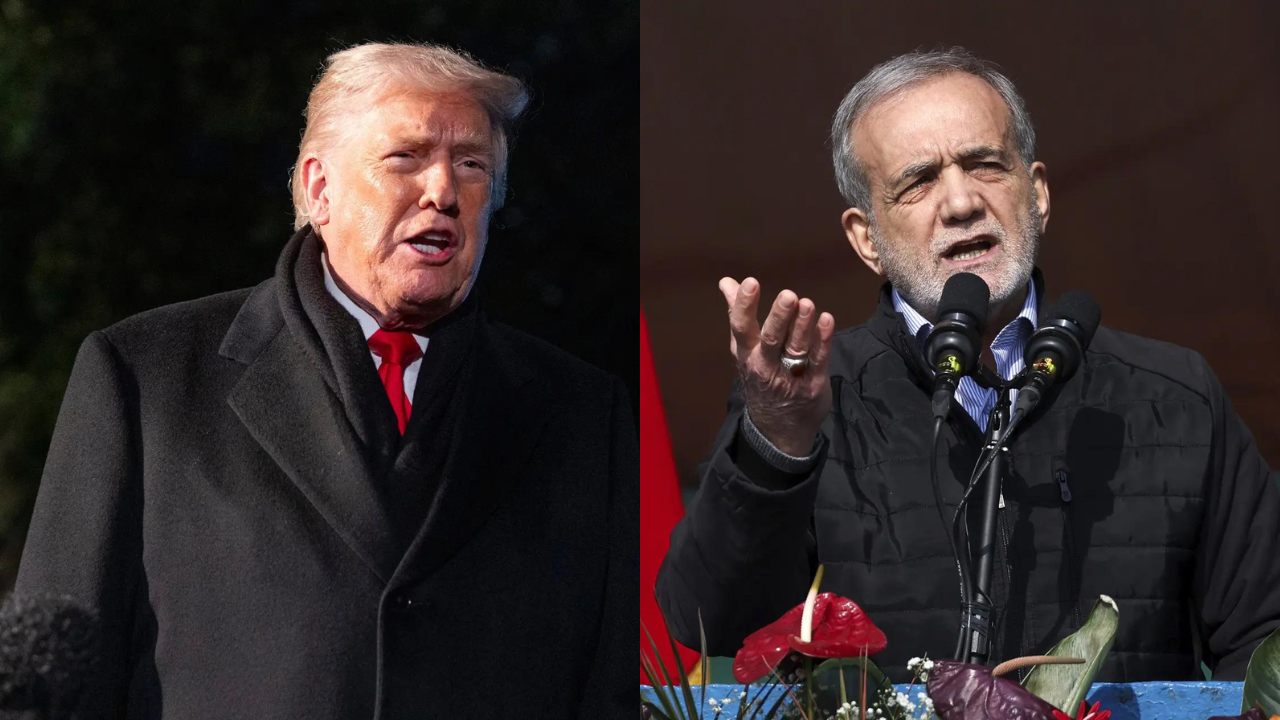
A dramatic humanitarian operation is underway as India rapidly repatriates tens of thousands of its citizens from the United Arab Emirates and other Gulf nations. Amidst a significant escalation in geopolitical tensions between the United States and Iran, over 52,000 Indian nationals have flown home within a single week, underscoring the severe impact of regional instability on global populations.
This swift action by Indian authorities reflects a critical response to safeguard its vast diaspora in the volatile Middle East, as fears of wider conflict loom large, prompting an urgent exodus from the region.
The Unfolding Crisis: Background to the Repatriation
The recent surge in repatriation efforts is a direct consequence of the deteriorating security situation in the Gulf, exacerbated by a renewed and intensified standoff between the United States and Iran. For months, diplomatic efforts have faltered, leading to a build-up of military presence and a series of provocative actions that have left the region on edge.
India maintains one of the largest expatriate populations in the Gulf Cooperation Council (GCC) countries, with millions of its citizens working across various sectors, from oil and gas to construction and services. These workers are crucial to the economies of both the host nations and India, sending back billions in remittances annually. The safety and well-being of this diaspora are therefore a paramount concern for New Delhi.
The current phase of heightened tensions can be traced back to a series of maritime incidents, cyberattacks, and proxy confrontations that have gradually escalated into a broader geopolitical chess match. As international observers warn of miscalculation leading to open conflict, several nations, including India, have begun contingency planning for the evacuation of their citizens, recognizing the potential for rapid deterioration of the security landscape.
Timeline of Escalation Leading to Repatriation
- Late 2025: Renewed friction between the US and Iran intensifies following disagreements over regional security pacts and nuclear proliferation concerns.
- January 2026: A series of naval exercises in the Strait of Hormuz by both US and Iranian forces raises international alarm.
- February 2026: Reports emerge of increased drone activity and minor skirmishes in key shipping lanes, leading to disruptions in oil tanker movements.
- Early March 2026: The US issues a travel advisory for its citizens in parts of the Gulf, citing increased security risks. Simultaneously, Iranian-backed groups conduct exercises perceived as highly provocative.
- March 3, 2026: Indian government agencies, in coordination with their diplomatic missions in the UAE and other Gulf states, begin issuing advisories to Indian nationals, recommending non-essential travel be postponed and urging vigilance.
- March 5, 2026: The first wave of emergency flights is initiated, primarily targeting vulnerable individuals and those with expiring visas or immediate travel needs.
- March 8, 2026: Over 52,000 Indian nationals are reported to have been repatriated within a single week, utilizing a combination of commercial and specially arranged flights, as authorities continue to monitor the situation closely.
Industry Impact and Economic Ripples
The mass repatriation of Indian workers from the Gulf region is not merely a logistical challenge; it carries significant economic implications for both the host countries and India. The UAE, Saudi Arabia, Qatar, and other Gulf states heavily rely on foreign labor to power their economies. A substantial and rapid departure of this workforce can lead to labor shortages in critical sectors, impacting infrastructure projects, service industries, and the overall economic output.
For India, the immediate impact includes managing the influx of returning citizens, many of whom may be without immediate employment prospects. The long-term concern revolves around the potential decline in remittances, which are a vital source of foreign exchange and support for millions of families across India. In 2025, remittances from the Gulf alone accounted for a significant portion of India’s total inflow, playing a crucial role in household incomes and national development.
Market and Policy Implications
The escalating US-Iran conflict has sent ripples through global energy markets. Oil prices have seen considerable volatility, with concerns about supply disruptions in the Strait of Hormuz, a critical chokepoint for a large percentage of the world’s oil shipments. This instability directly impacts India, a major oil importer, potentially leading to higher fuel costs and inflationary pressures.
Policy implications for India include a renewed focus on diversifying its energy sources and strengthening diplomatic ties to de-escalate regional tensions. Furthermore, the crisis highlights the need for robust social security nets and reintegration programs for returning migrant workers. The government may also explore new avenues for overseas employment in more stable regions to reduce reliance on the volatile Middle East.
Expert Analysis: Geopolitical Chessboard and India’s Diplomacy
According to Dr. Anjali Sharma, a geopolitical strategist specializing in the Middle East, “The current US-Iran standoff represents a critical juncture, distinct from previous periods of tension due to the confluence of domestic political pressures in both Washington and Tehran, coupled with a complex web of regional proxy conflicts. India finds itself in a precarious position, maintaining strategic relationships with both the US and Iran, while simultaneously prioritizing the safety of its vast diaspora.”
India’s diplomatic approach has been characterized by careful neutrality, advocating for de-escalation and dialogue. New Delhi has consistently called for peaceful resolutions, emphasizing the need for all parties to exercise restraint. The swift repatriation effort demonstrates India’s capability and commitment to its citizens, honed through decades of responding to crises in the region.
“This isn’t just about moving people; it’s a testament to India’s sophisticated consular network and its ability to mobilize resources rapidly,” adds Dr. Sharma. “However, the underlying fragility of regional security means that such operations could become more frequent if the core issues between the US and Iran remain unresolved.”
Comparing Repatriation Efforts: Historical Context
India has a long history of undertaking large-scale repatriation missions, often necessitated by regional conflicts or natural disasters. The current Gulf situation, while severe, builds upon decades of experience in safeguarding its citizens abroad.
| Mission Name | Year | Region/Cause | Approx. Number Repatriated |
|---|---|---|---|
| Kuwait Airlift (Operation Safed Sagar) | 1990 | Kuwait/Iraq War | 170,000 |
| Operation Rahat | 2015 | Yemen Civil War | ~5,600 (Indians & Foreigners) |
| Vande Bharat Mission | 2020-2022 | Global/COVID-19 Pandemic | 4.7 Million+ |
| Operation Ganga | 2022 | Ukraine War | ~22,500 |
| Current Gulf Repatriation | 2026 | UAE/Gulf – US-Iran Tensions | 52,000+ (in 1 week) |
Summary of Current Repatriation Data (As of March 8, 2026)
| Region | Estimated Number Repatriated | Primary Reasons for Return |
|---|---|---|
| United Arab Emirates (UAE) | 38,500 | Security concerns, expiring contracts, family reunification |
| Other Gulf Countries (KSA, Qatar, Oman, Bahrain, Kuwait) | 13,500 | Precautionary measures, reduced work opportunities |
| Total (within 1 week) | 52,000+ | Escalating US-Iran tensions, regional instability |
Future Outlook: Navigating Persistent Instability
The immediate future for the Gulf region remains uncertain, heavily dependent on the trajectory of the US-Iran relationship. While diplomatic channels remain open, the risk of further escalation is palpable. For India, the challenge lies not only in continuing to ensure the safety of its citizens abroad but also in adapting its foreign policy and economic strategies to a permanently altered Middle East.
There is an urgent need for multilateral efforts to de-escalate tensions and establish a framework for regional security that includes all stakeholders. India, with its significant stakes in the region, is poised to play a constructive role in fostering dialogue and stability, leveraging its deep-rooted historical and economic ties.
Domestically, the returning workforce will require support for reintegration into the Indian economy. Government initiatives focused on skill development, entrepreneurship, and job creation will be crucial to absorb these individuals and prevent a potential economic downturn in affected communities.
Frequently Asked Questions (FAQs)
- Why are Indians being repatriated from the Gulf region?
Indian nationals are being repatriated primarily due to escalating geopolitical tensions between the United States and Iran, which have significantly increased security risks and uncertainty in the Gulf region.
- How many Indians have been repatriated so far?
Over 52,000 Indian nationals have been repatriated from the UAE and other Gulf countries within a single week as of early March 2026.
- Which Gulf countries are most affected by the repatriation?
The United Arab Emirates (UAE) has seen the largest numbers, followed by other GCC countries like Saudi Arabia, Qatar, Oman, Bahrain, and Kuwait.
- What role does the US-Iran conflict play in this repatriation?
The heightened US-Iran conflict is the primary catalyst, creating an environment of instability and increasing fears of broader regional conflict, prompting many to return home as a precautionary measure.
- What measures is the Indian government taking to assist its citizens?
The Indian government is coordinating special flights, issuing travel advisories, and providing consular assistance to facilitate the safe and orderly return of its citizens.
- Will this repatriation impact the economies of Gulf nations?
Yes, a mass departure of foreign workers can lead to labor shortages in various sectors, potentially affecting infrastructure projects, services, and overall economic output in Gulf countries.
- What are the economic implications for India?
India could face a decline in remittances, a vital source of foreign exchange, and will need to manage the reintegration of returning workers into its domestic job market.
- Is this the largest repatriation effort by India?
While significant, India has undertaken larger missions in the past, such as the Kuwait Airlift in 1990 and the Vande Bharat Mission during the COVID-19 pandemic, repatriating millions.
- What is the long-term outlook for Indians working in the Gulf?
The long-term outlook remains uncertain, contingent on regional stability. Many may choose to return once tensions subside, while others might seek opportunities elsewhere, diversifying India’s diaspora footprint.
- How can concerned family members get updates on the situation?
Family members should regularly check official updates from the Indian Ministry of External Affairs and consular websites for the latest advisories and contact information.
Conclusion: A Call for Stability Amidst Ongoing Challenges
The rapid repatriation of over 52,000 Indian nationals from the Gulf region serves as a stark reminder of the human cost of geopolitical instability. While India has once again demonstrated its unwavering commitment to the safety of its diaspora, the underlying tensions between the US and Iran continue to cast a long shadow over the Middle East. The coming months will be crucial in determining whether diplomatic efforts can avert a wider conflict and restore a semblance of predictability to a region vital for global energy security and trade.
For India, the task ahead involves not only ongoing diplomatic engagement but also robust domestic policies to support returning citizens and safeguard its economic interests. The current crisis underscores the imperative for all global powers to prioritize dialogue and de-escalation, ensuring that the livelihoods and safety of millions are not jeopardized by escalating rivalries.
Internal Linking Suggestions:
- India’s Geopolitical Balancing Act in a Multipolar World
- The Impact of Middle East Tensions on Global Oil Markets
- The Future of Indian Remittances: Trends and Challenges
External Authority Links:
- Ministry of External Affairs, Government of India
- Council on Foreign Relations – Middle East & North Africa
#Hashtags:
#IndiaRepatriation #GulfCrisis #USIranConflict #MiddleEastTensions #IndianDiaspora