

< h1 > Eid Al Fitr 2026: UAE Anticipates March 20 Start Based on Sharjah Astronomical Forecasts < / h1 >
< p > The joyous occasion of Eid Al Fitr 2026 is already casting its celebratory shadow across the United Arab Emirates. Early and precise astronomical predictions point towards a likely start date of March 20. This forecast provides crucial advance notice for national planning and personal arrangements. < / p >
< p > Residents and visitors alike eagerly await official announcements for this significant Islamic holiday. However, preliminary insights from esteemed astronomical bodies offer a reliable glimpse into the upcoming festivities. This scientific foresight is invaluable for strategic preparations across all sectors. < / p >
< p > The predictions, emanating from the renowned Sharjah Centre for Astronomy and Space Sciences, are rooted in rigorous scientific methodology. These calculations aim to provide clarity regarding the end of the holy month of Ramadan. Such expert forecasts greatly assist in the coordinated planning of national celebrations. < / p >
< h2 > Decoding the Astronomical Prediction for Eid Al Fitr 2026 < / h2 >
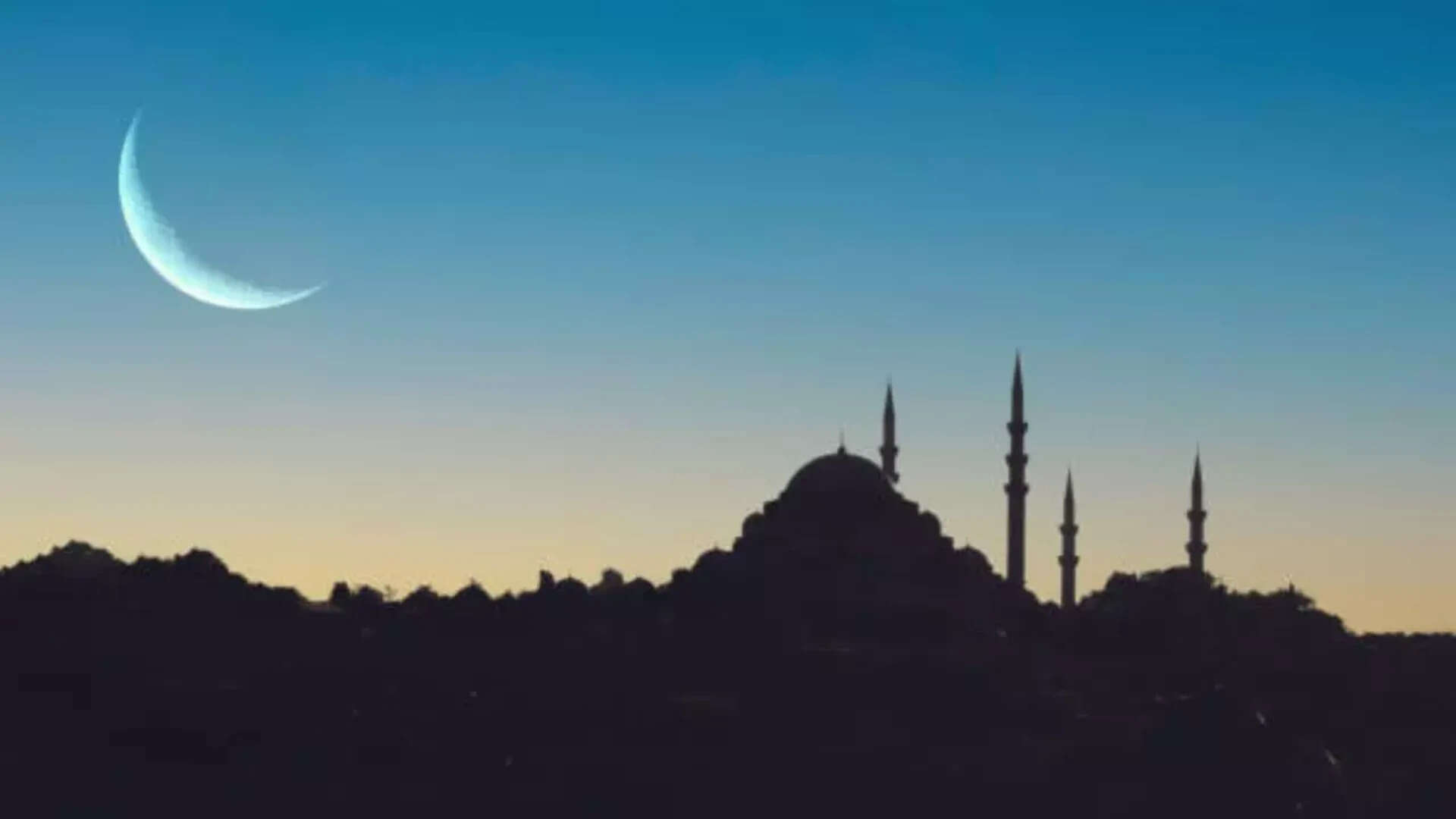
< p > Experts at the Sharjah Centre for Astronomy and Space Sciences have meticulously analyzed lunar cycles for 2026. Their comprehensive calculations indicate a high probability for the Shawwal crescent to be visible on the evening preceding March 20. This astronomical data forms the basis of the current projection. < / p >
< p > These precise scientific models consider numerous celestial factors. They offer a strong preliminary indication, enabling early logistical and personal planning across the UAE. The accuracy of these forecasts has been consistently demonstrated in previous years. < / p >
< h3 > The Science of Crescent Sighting and the Islamic Calendar < / h3 >
< p > The Islamic calendar, known as the Hijri calendar, is purely lunar, relying on the cycles of the moon. Each month officially commences with the sighting of the new crescent moon. This ancient tradition grounds the calendar in observable celestial phenomena. < / p >
< p > Eid Al Fitr specifically marks the culmination of Ramadan, the holy month of fasting. Its date is therefore directly contingent on the completion of 29 or 30 days of Ramadan. The transition to the month of Shawwal signifies the commencement of Eid. < / p >
< h3 > Understanding Lunar Conjunction and Visibility Conditions < / h3 >
< p > Astronomical predictions hinge on calculating the exact moment of lunar conjunction. This is when the moon is perfectly aligned between the Earth and the Sun, making it invisible from Earth. The subsequent visibility of the new crescent moon, known as the ‘new moon’ phase, is paramount. < / p >
< p > Factors such as the moon’s age post-conjunction, its angular separation from the sun, and atmospheric conditions profoundly influence visibility. Sharjah’s astronomers employ sophisticated algorithms to model these complex variables. Their analyses aim to pinpoint the optimal conditions for the crescent’s appearance. < / p >
< h2 > The Profound Significance of Eid Al Fitr in Islam < / h2 >
< p > Eid Al Fitr, often translated as the “Festival of Breaking the Fast,” stands as one of the two major annual celebrations in Islam. It symbolizes spiritual triumph and renewal after a month of devotion and self-discipline. The holiday fosters a deep sense of community and gratitude among Muslims worldwide. < / p >
< p > This sacred day is a time for Muslims to come together in collective prayer, expressing thanks to Allah. It emphasizes forgiveness, reconciliation, and charitable giving, particularly through Zakat Al Fitr. The festival embodies joy, sharing, and spiritual reflection. < / p >
< h3 > Rich Cultural Tapestry of UAE Eid Celebrations < / h3 >
< p > In the diverse cultural landscape of the UAE, Eid Al Fitr is observed with vibrant traditions and heartwarming customs. Families meticulously prepare their homes, adorn themselves in new attire, and embark on culinary delights. The spirit of generosity and hospitality permeates every household. < / p >
< p > Children are particularly excited about receiving ‘Eidiya,’ monetary gifts from elders, a cherished tradition. Special congregational prayers are held in mosques and expansive prayer grounds across the emirates. Various public and private events are organized, enhancing the festive atmosphere for all. < / p >
< h2 > Economic and Societal Impact of Early Eid Predictions < / h2 >
< p > The ability to forecast Eid Al Fitr dates well in advance provides substantial economic and social benefits for the UAE. Government entities, businesses, and individuals can strategize their activities with greater certainty. This foresight mitigates potential disruptions and optimizes resource allocation. < / p >
< p > Sectors such as retail, hospitality, and tourism consistently witness a surge in activity leading up to and during the Eid holidays. Shoppers enthusiastically purchase new clothes, gifts, and food items, driving significant consumer spending. This pre-Eid rush is a critical period for many businesses. < / p >
< h3 > Boosting Tourism and Hospitality Sectors < / h3 >
< p > The UAE remains a premier destination for both domestic and international tourists during public holidays, including Eid. Hotels often introduce attractive packages, and leisure attractions extend their operational hours. This influx of visitors significantly bolsters the local economy. < / p >
< p > Many families seize the opportunity of an extended break to travel within the Emirates or to neighboring Gulf Cooperation Council (GCC) countries. This increased demand benefits airlines, transportation services, and entertainment venues. The entire service ecosystem prepares for elevated activity levels. < / p >
< h3 > Streamlining Public and Private Sector Planning < / h3 >
< p > Early notification of the likely Eid date allows government departments to plan for staffing and public service availability. Private companies can manage project deadlines and employee leave schedules more effectively. This proactive approach ensures operational continuity while respecting religious observances. < / p >
< p > For residents, knowing the predicted date facilitates booking travel, arranging family gatherings, and scheduling personal appointments. This forward planning helps in securing better rates and ensuring availability for various services. It contributes to a more relaxed and organized celebration. < / p >
< h2 > The Dynamic Nature of the Lunar Calendar and Global Perspectives < / h2 >
< p > One fascinating aspect of the Islamic lunar calendar is its annual shift relative to the Gregorian calendar. Eid Al Fitr, along with other Islamic holidays, progresses approximately 10 to 11 days earlier each solar year. This means the festival gradually cycles through all seasons over a period of about 33 years. < / p >
< p > This continuous temporal shift highlights the unique characteristics of a purely lunar system. While UAE astronomers provide highly localized and accurate predictions, other nations base their Eid observations on their own regional moon-sighting protocols. Such regional differences can sometimes lead to slight variations in celebration dates globally. < / p >
< h3 > Tracking Past and Future Eid Dates < / h3 >
< p > Considering this annual regression, Eid Al Fitr 2025 would have likely fallen in early March, preceding the 2026 projection. This consistent pattern underscores the predictability inherent in celestial mechanics once understood. It allows for a historical and future perspective on the timing of these significant events. < / p >
< p > Understanding these recurring shifts enhances our appreciation for the intricate astronomical calculations involved in calendar prediction. It also emphasizes the ongoing importance of scientific observation and verification. For deeper insights into calendar shifts and other related topics, explore the < a href = "https://wertrending.com/" >latest trends< / a >. < / p >
< h2 > The Role of Official Confirmation in the UAE < / h2 >
< p > Despite the high accuracy of astronomical predictions, the final and official confirmation of Eid Al Fitr dates in the UAE rests with designated religious authorities. These bodies typically include the Ministry of Justice and specialized moon-sighting committees. Their role is paramount in the ultimate declaration. < / p >
< p > These committees convene on the 29th day of Ramadan to undertake the physical sighting of the crescent moon. Their subsequent announcement is the definitive word for the commencement of Eid. The entire nation respectfully awaits their official decree. < / p >
< p > It is essential for the public to rely on these official channels for the final confirmation, even with robust preliminary astronomical forecasts. Such a structured approach ensures adherence to both scientific understanding and religious tradition. For additional reference and to consult the original report, please see the < a href = "https://timesofindia.indiatimes.com/world/middle-east/eid-al-fitr-2026-likely-to-fall-on-march-20-in-uae-say-sharjah-astronomers/articleshow/129255234.cms" >Official Source< / a >. < / p >
< h2 > Frequently Asked Questions (FAQs) about Eid Al Fitr 2026 in the UAE < / h2 >
< h3 > 1. How accurate are astronomical predictions for Eid dates? < / h3 >
< p > Astronomical predictions for Eid dates are generally highly accurate, especially for institutions like the Sharjah Centre for Astronomy and Space Sciences. They use advanced scientific models based on precise celestial mechanics to calculate the moon’s position and conjunction times. While they provide a very strong indication, the final official date always awaits the physical sighting of the new crescent moon by religious authorities, which can sometimes lead to a one-day variation due to atmospheric conditions or local sighting criteria. < / p >
< h3 > 2. What happens if the moon is not sighted on the predicted evening? < / h3 >
< p > If the crescent moon is not sighted on the evening of the 29th day of Ramadan, according to religious guidelines, the month of Ramadan is automatically extended to 30 days. This means Eid Al Fitr would then be celebrated on the day following the completion of 30 days. This scenario is rare with modern astronomical accuracy but remains a possibility and is a key part of the Islamic calendar’s flexibility. < / p >
< h3 > 3. Why do some countries celebrate Eid on different days? < / h3 >
< p > Differences in Eid celebration dates between countries arise primarily from varying criteria for moon sighting. Some countries rely on local physical sighting, while others accept verifiable sightings from nearby regions or adhere strictly to astronomical calculations. Geographical location also plays a role, as the moon’s visibility can vary significantly across different longitudes and latitudes. These diverse approaches can lead to minor discrepancies in the start of Islamic months. < / p >
< h3 > 4. What is Zakat Al Fitr, and when is it paid? < / h3 >
< p > Zakat Al Fitr is a mandatory charitable donation in Islam, paid by every Muslim, including dependents, before the Eid Al Fitr prayers. Its purpose is to help the poor and needy partake in the joyous celebrations of Eid. It is typically given in the form of staple food items or their monetary equivalent, ensuring that all members of the community can enjoy the festival. < / p >
< h3 > 5. How long are the public holidays for Eid Al Fitr in the UAE usually? < / h3 >
< p > The duration of public holidays for Eid Al Fitr in the UAE varies slightly each year, but typically ranges from three to five days for both public and private sectors. The exact dates and length are officially announced by the UAE government closer to the actual Eid period. These extended breaks provide ample opportunity for celebrations, travel, and family time. < / p >
< h3 > 6. What are typical Eid Al Fitr greetings in the UAE? < / h3 >
< p > Common Eid Al Fitr greetings in the UAE include “Eid Mubarak” (Blessed Eid) and “Kul ‘am wa enta bi-khair” (May you be well throughout the year). People also exchange specific Emirati greetings that express wishes for blessings and happiness. These greetings are shared among family, friends, and even strangers, reflecting the spirit of community and goodwill during the festival. < / p >
< h3 > 7. How can expatriates in the UAE celebrate Eid Al Fitr? < / h3 >
< p > Expatriates in the UAE, regardless of their background, can fully immerse themselves in Eid Al Fitr celebrations. Many non-Muslim residents are invited to join local Emirati families for meals, experiencing the rich cultural traditions firsthand. Public events, special restaurant offerings, and discounted attractions are also widely available, allowing everyone to participate in the festive atmosphere and enjoy the extended holidays. < / p >
< h3 > 8. Are there special Eid prayers, and where are they held? < / h3 >
< p > Yes, special congregational Eid prayers are a central part of Eid Al Fitr celebrations. These prayers are typically held shortly after sunrise on the first day of Eid. They take place in large mosques, designated open-air prayer grounds (Musallas), and sometimes in large community centers. Attending these prayers is a highly significant act of worship for Muslims, symbolizing unity and gratitude. < / p >
< h3 > 9. How does the UAE ensure public safety during Eid celebrations? < / h3 >
< p > The UAE government places a high priority on ensuring public safety and order during Eid celebrations. Police forces are often augmented in public areas, traffic management is intensified, and emergency services are on high alert. Campaigns are also run to promote safe driving and responsible celebration behaviors. These measures contribute to a secure and enjoyable environment for all residents and visitors throughout the festive period. < / p >
< h3 > 10. Where can I monitor the official Eid Al Fitr 2026 announcements? < / h3 >
< p > To monitor the official Eid Al Fitr 2026 announcements in the UAE, you should regularly check reliable local news outlets, government websites, and official social media channels. Key sources include the Emirates News Agency (WAM), the official UAE government portal, and pronouncements from the Ministry of Justice or the moon-sighting committee. These platforms will provide the definitive declaration closer to the actual date. < / p >
< h2 > SEO Keywords < / h2 >
< p >
Eid Al Fitr 2026, UAE Eid date, March 20 Eid, Sharjah astronomers Eid, Eid Al Fitr prediction, UAE holidays 2026, Islamic calendar 2026, Crescent moon sighting, Ramadan end date, UAE celebrations Eid, Eid preparations UAE, Public holidays UAE, Lunar calendar, Eid Al Fitr significance, UAE tourism Eid.
< / p >
Source: Times of India