






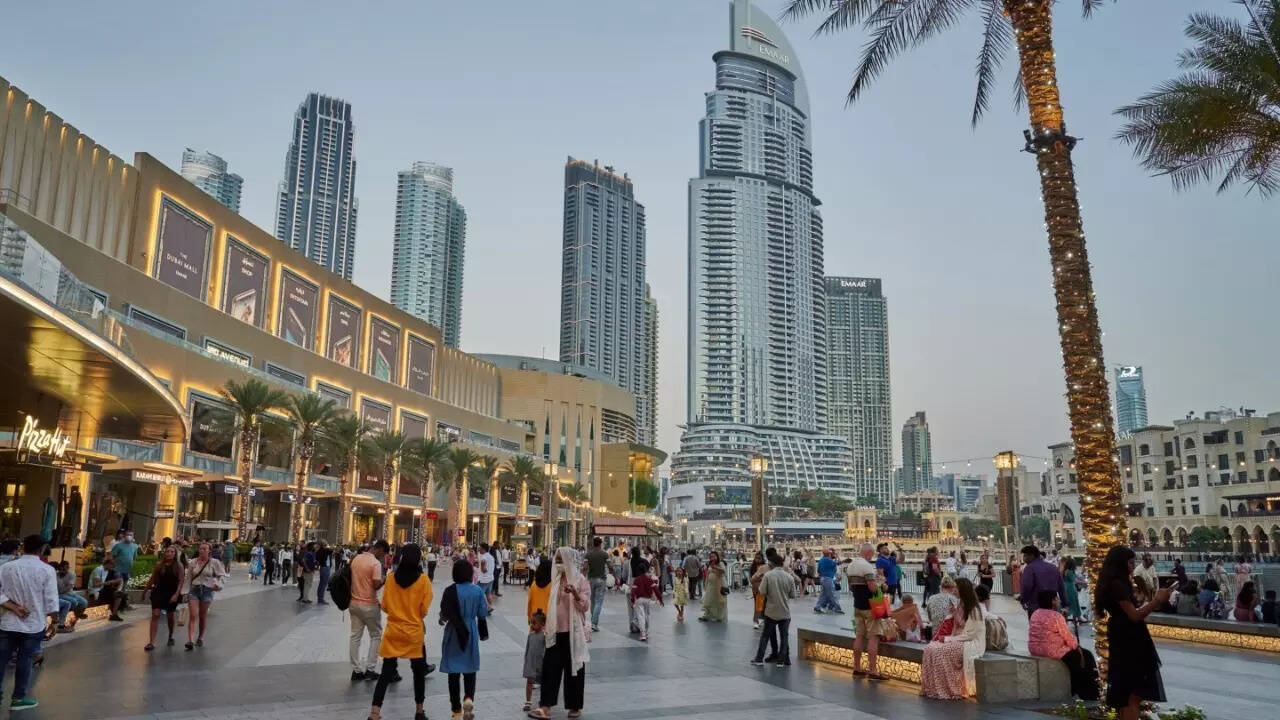
A New Era for Safety Standards in the Emirate
Dubai has officially ushered in a new era of robust safety and security protocols. The emirate recently introduced a comprehensive law designed to significantly enhance public safety across all sectors.
This critical legislation empowers authorities with stricter enforcement capabilities and imposes substantial financial penalties for non-compliance.
The Mandate for Enhanced Safety
The core objective of this new safety law is to fortify Dubai’s position as one of the safest cities globally. It reflects a proactive commitment to protecting residents, visitors, and vital infrastructure.
The legislation aims to prevent accidents, mitigate risks, and ensure a consistently secure environment for everyone within the emirate’s borders.
Context of the New Legislation
Dubai’s rapid development and increasing population necessitate continuously updated safety frameworks. This law is a direct response to evolving urban complexities and technological advancements.
It aligns with the emirate’s vision for sustainable growth and a high quality of life, placing public welfare at the forefront of policy-making.
The initiative underscores Dubai’s dedication to best international practices in risk management and incident prevention. It ensures that safety regulations keep pace with the dynamic nature of the city.
The proactive stance aims to safeguard all individuals and assets from potential harm, reinforcing trust in the emirate’s governance.
Scope and Reach
The new safety law boasts a broad application, covering various critical areas and industries. It extends its reach to public spaces, construction sites, event venues, and commercial establishments.
Both individuals and corporate entities are subject to its provisions, highlighting a universal expectation of adherence to safety standards.
The legislation specifically targets activities and operations that pose potential risks to public health and safety. This includes areas like fire safety, structural integrity, and crowd management.
Its comprehensive nature ensures that no sector or activity is exempt from rigorous scrutiny, fostering a culture of collective responsibility.
Understanding the Dh2 Million Fine
At the heart of the new legislation is the staggering Dh2 million fine for serious safety violations. This substantial penalty underscores the gravity with which the authorities view non-compliance.
It serves as a powerful deterrent, compelling individuals and organizations to meticulously uphold safety regulations.
Gravity of Penalties
The maximum fine of Dh2 million is reserved for the most severe breaches of safety protocols. These are violations that could lead to significant harm, loss of life, or extensive property damage.
Such a stringent penalty reflects an unwavering commitment to preventing catastrophic incidents and holding negligent parties fully accountable.
Beyond the financial implications, severe violations could also result in license suspensions or revocations. This further emphasizes the serious consequences faced by non-compliant entities.
The law aims to instill a deep sense of responsibility among all stakeholders, from project managers to event organizers.
Graduated Enforcement
While the Dh2 million fine captures headlines, the enforcement mechanism is often graduated. Minor infractions might initially incur smaller fines or warnings, depending on the severity and context.
However, repeated offenses or blatant disregard for safety regulations will quickly escalate to more significant penalties.
This structured approach allows authorities to address a spectrum of violations effectively. It provides an opportunity for corrective action before resorting to the highest possible fines.
The ultimate goal is compliance and prevention, rather than merely punitive measures, though penalties are severe when necessary.
Key Provisions of the Law
The new safety law is multifaceted, encompassing various provisions designed to cover a wide array of potential hazards. It meticulously details the responsibilities and obligations of different parties.
This comprehensive framework ensures clarity and leaves little room for ambiguity regarding safety expectations.
Focus on Public Safety
A primary focus of the law is the safety of public spaces and mass gatherings. This includes ensuring secure environments for events, festivals, and popular tourist destinations.
Specific attention is also paid to the structural integrity of buildings, emergency exits, and proper signage in public areas.
The law mandates rigorous safety assessments and risk management plans for any activity impacting public welfare. It ensures that potential dangers are identified and mitigated proactively.
This commitment extends to urban planning, ensuring that new developments incorporate the highest safety standards from their inception.
Roles and Responsibilities
The legislation clearly delineates roles and responsibilities for various entities. Building owners, facility managers, event organizers, and contractors are all explicitly accountable.
Individuals also bear a responsibility to adhere to safety guidelines and report potential hazards.
Companies are expected to implement robust safety management systems, conduct regular audits, and provide adequate training to their employees. This ensures a proactive safety culture.
Ultimately, the law fosters a collective ownership of safety, where every stakeholder plays a vital role in upholding standards.
Impact on Businesses and Residents
The introduction of this stringent safety law will undoubtedly have far-reaching implications for both businesses operating in Dubai and its residents. It demands a heightened level of awareness and compliance from all.
The changes aim to foster a safer environment, which will positively impact the emirate’s overall appeal and livability.
Corporate Accountability
Businesses, particularly those in high-risk sectors like construction, manufacturing, and events, must review and update their safety protocols immediately. Non-compliance is no longer an option.
Investing in comprehensive safety training, equipment upgrades, and expert consultations will become paramount for business continuity.
The law incentivizes a proactive approach to risk management, pushing companies to embed safety deeply within their operational DNA. This shifts the focus from reactive damage control to preventive measures.
Companies that prioritize safety will likely see enhanced reputations and greater trust from their clients and employees.
Individual Compliance
Residents are also expected to play their part by adhering to safety regulations in public and private spaces. Awareness of emergency procedures and general safety guidelines is crucial.
The public is encouraged to report any observed safety violations, contributing to a collective vigilance.
Understanding the implications of neglecting safety warnings, such as restricted access areas or evacuation routes, is now more important than ever. Ignorance is not an excuse.
This fosters a community-wide responsibility for safety, where everyone contributes to maintaining a secure environment.
Economic Implications
While initial compliance costs might be incurred by businesses, the long-term economic benefits are substantial. A safer environment reduces accidents, liabilities, and potential operational disruptions.
Enhanced safety standards can also boost Dubai’s appeal as a secure destination for tourism, investment, and international business.
By minimizing risks, the emirate safeguards its economic stability and growth trajectory. It builds confidence among investors and residents alike.
The investment in safety translates into a more resilient and sustainable economy, proving beneficial for all stakeholders.
Enforcement and Oversight
The effectiveness of any law hinges on robust enforcement and clear oversight mechanisms. Dubai’s new safety legislation is backed by dedicated authorities equipped to ensure its rigorous application.
A coordinated approach across various governmental departments will be key to its successful implementation.
Regulatory Bodies
Multiple government entities will be involved in the enforcement of this new law. These include Dubai Municipality, Civil Defense, and relevant free zone authorities, among others.
These bodies will conduct regular inspections, audits, and investigations to ensure adherence to the stipulated safety standards.
Their roles encompass setting specific guidelines, issuing permits, and verifying compliance across diverse sectors. They are tasked with upholding the integrity of the safety framework.
Collaboration between these agencies will ensure a holistic and consistent application of the law throughout the emirate.
Reporting Mechanisms
To facilitate enforcement, accessible channels for reporting safety violations will be critical. Residents and businesses are encouraged to utilize official platforms to report concerns.
This public participation empowers the community to actively contribute to maintaining safety standards.
Confidentiality for whistleblowers is often a priority to encourage honest reporting without fear of reprisal. This strengthens the overall vigilance system.
The proactive reporting of potential hazards can prevent incidents before they escalate, reinforcing the preventative nature of the law.
Broader Vision for a Safer Emirate
This new safety legislation is not merely about penalties; it is an integral part of Dubai’s grander vision. It reflects a forward-thinking approach to urban development and societal well-being.
The emirate is continuously striving for excellence across all facets of life, and safety is a cornerstone of this ambition.
Dubai’s Commitment to Excellence
The introduction of such a comprehensive safety law aligns perfectly with Dubai’s global reputation for innovation and quality. It demonstrates a commitment to not just growth, but responsible growth.
This proactive stance positions Dubai as a leader in urban safety management, setting benchmarks for other global cities.
The emirate consistently seeks to adopt and adapt global best practices, ensuring its regulatory frameworks are cutting-edge. This dedication to excellence underpins all legislative initiatives.
It enhances Dubai’s standing on the international stage, attracting talent and investment from around the world.
Long-term Benefits
The long-term benefits of this rigorous safety law are manifold. It will lead to a significant reduction in accidents, injuries, and fatalities, thereby protecting human life and property.
A safer environment also boosts public confidence and improves the overall quality of life for everyone in Dubai.
From an economic perspective, fewer incidents mean reduced insurance costs and minimized disruptions to business operations. This contributes to greater stability and predictability.
Furthermore, a reputation for safety enhances tourism and foreign investment, driving sustainable economic growth for the emirate.
Staying Informed
Staying updated on the specifics of this new safety law and its evolving applications is crucial for all stakeholders. Official government channels and reputable news sources are the best avenues for information.
Businesses should regularly consult legal and safety experts to ensure ongoing compliance with the updated regulations.
Keeping abreast of latest trends in safety technology and practices can also provide a competitive edge. It ensures continuous improvement in safety protocols.
Proactive engagement with safety awareness campaigns and educational initiatives will further empower the community.
Official Confirmation and Details
For official details and comprehensive information regarding the new safety law, individuals and entities are encouraged to consult authoritative sources. This ensures accurate and up-to-date understanding of the legislation.
The law aims to enhance accountability and foster a culture of vigilance throughout the emirate.
You can find more specific details and context from the Official Source regarding the law’s introduction and its significance.
Always rely on government gazettes and official announcements for precise legal text and implementation guidelines.
Frequently Asked Questions (FAQs)
1. What is the new safety law in Dubai primarily designed to achieve?
The new safety law in Dubai is primarily designed to significantly enhance public safety and security standards across the emirate. It aims to prevent accidents, mitigate risks, and ensure a consistently safe environment for all residents, visitors, and businesses.
The legislation seeks to uphold Dubai’s reputation as one of the safest cities globally by mandating stricter adherence to safety protocols in various sectors.
2. What is the maximum fine for violating this new safety law?
Violators of Dubai’s new safety law could face a maximum fine of Dh2 million. This substantial penalty is intended to serve as a strong deterrent against serious breaches of safety protocols.
The fine underscores the government’s unwavering commitment to preventing incidents that could lead to significant harm or property damage.
3. Who does the new safety law apply to?
The new safety law applies broadly to both individuals and corporate entities within Dubai. Its provisions cover a wide range of areas including public spaces, construction sites, event venues, commercial establishments, and residential properties.
Everyone operating or residing in the emirate is expected to comply with the updated safety regulations, fostering a universal culture of safety.
4. What types of violations could lead to such a high fine?
A Dh2 million fine is typically reserved for severe safety violations that pose a significant risk to life, health, or property. This could include gross negligence leading to major accidents, failure to implement critical safety measures on large projects, or repeated non-compliance after warnings.
Violations that directly endanger large groups of people or cause widespread disruption are likely candidates for the maximum penalty.
5. Are there smaller fines for less severe offenses?
Yes, the enforcement mechanism is generally graduated. While the Dh2 million fine is the maximum, less severe offenses or initial infractions might incur smaller fines, warnings, or remedial orders. The specific penalties depend on the nature and severity of the violation, as well as the intent of the perpetrator.
The aim is to encourage compliance and corrective action, escalating penalties for repeat offenders or serious negligence.
6. Which government bodies are responsible for enforcing this law?
Multiple government bodies are responsible for enforcing this new safety law. Key agencies include Dubai Municipality, Dubai Civil Defense, and various free zone authorities, among others. These entities will conduct inspections, audits, and investigations to ensure compliance.
Their coordinated efforts ensure a comprehensive and consistent application of the law across all sectors and jurisdictions within Dubai.
7. How does this law impact businesses operating in Dubai?
Businesses in Dubai, especially those in high-risk sectors, will need to significantly review and upgrade their safety management systems. They must invest in robust training, regular audits, and ensure full compliance with the new regulations to avoid severe penalties. This could include updating safety equipment and internal protocols.
The law incentivizes a proactive safety culture, pushing companies to embed safety deeply within their operational strategies to prevent incidents.
8. What are the responsibilities of individuals under this new law?
Individuals are expected to adhere to all safety guidelines and regulations in public and private spaces. This includes following safety instructions, being aware of emergency procedures, and reporting any observed safety hazards or violations to the relevant authorities. Personal responsibility is key.
The law encourages a collective effort where every individual contributes to maintaining a safe environment for themselves and others.
9. How can citizens and residents report safety violations?
Citizens and residents can report safety violations through official government channels. These typically include dedicated hotlines, smart applications, or online portals provided by entities like Dubai Municipality or Dubai Civil Defense. The specific reporting mechanisms are usually well-publicized by the authorities.
Prompt reporting is crucial for authorities to address potential hazards efficiently and prevent incidents.
10. What are the long-term benefits of this stringent safety legislation for Dubai?
The long-term benefits for Dubai are extensive. The law is expected to lead to a significant reduction in accidents, injuries, and fatalities, thereby protecting human life and property. This enhances public confidence and improves the overall quality of life for residents and visitors.
Economically, reduced incidents minimize liabilities and operational disruptions, boosting Dubai’s appeal as a safe and reliable hub for tourism, investment, and international business growth.
Conclusion
Dubai’s introduction of a formidable new safety law, complete with potential Dh2 million fines, marks a significant step forward in the emirate’s commitment to public welfare. This comprehensive legislation is designed to fortify safety standards across all sectors.
It underlines a proactive approach to risk management and aims to safeguard the lives and well-being of everyone within its borders, reinforcing Dubai’s position as a truly global and secure city.
Dubai safety law, UAE safety regulations, Dh2 million fine Dubai, public safety Dubai, construction safety Dubai, event safety Dubai, corporate accountability UAE, Dubai security standards, emergency preparedness Dubai, risk management Dubai, new Dubai legislation, safety compliance Dubai, Dubai fines, emirate safety, urban safety Dubai
Source: Times of India