





The geopolitical landscape is a complex tapestry of intelligence, strategy, and power dynamics. Recent reports have brought to light the intricate methodologies employed in high-stakes international relations. These reports delve into advanced surveillance techniques and their potential applications in sensitive strategic operations.
This article explores the reported ‘pattern of life’ analysis and the evolution of precision strike capabilities. It specifically addresses journalistic investigations concerning alleged strategic preparations by Israel and the United States related to Iranian leadership, particularly Ayatollah Ali Khamenei. We emphasize that this discussion is based on publicly available journalistic reports and analyses, not confirmed facts by official sources.
Understanding ‘Pattern of Life’ Analysis
‘Pattern of life’ analysis is a sophisticated intelligence gathering methodology. It involves the meticulous observation and collection of data regarding an individual’s or group’s daily routines, habits, and movements over an extended period. This comprehensive data allows intelligence agencies to construct a detailed behavioral profile.
The goal is to identify predictable patterns and anomalies, which can then be exploited for various strategic purposes. This method combines multiple intelligence disciplines to create a holistic picture of a target’s existence. Such analysis aims to anticipate future actions or pinpoint moments of vulnerability.
Sources and Methods of Data Collection
Several intelligence disciplines contribute to ‘pattern of life’ analysis. Open-Source Intelligence (OSINT) gathers information from publicly available sources, including social media, news reports, and public records. Human Intelligence (HUMINT) involves direct interaction with individuals through agents or informants, gathering insights often inaccessible through technical means.
Signal Intelligence (SIGINT) intercepts electronic communications, such as phone calls, emails, and data transmissions. Imagery Intelligence (IMINT) utilizes satellite and aerial photography, providing visual data on locations, movements, and activities. Geospatial Intelligence (GEOINT) merges imagery with geographic information to analyze the physical environment and human activity within it.
The aggregation and synthesis of data from these diverse sources paint an incredibly detailed picture. Machine learning algorithms and big data analytics are increasingly used to process vast amounts of information. These technologies can identify subtle patterns and correlations that human analysts might miss. The objective is to understand every facet of a target’s routine.
This extensive data collection can include travel routes, meeting locations, communication networks, and personal habits. The resulting profile provides an operational advantage, offering insights into a target’s vulnerabilities and protective measures. This allows for planning around known routines and anticipating deviations.
The Evolution of Precision Strike Capabilities
The concept of a ‘precision strike’ has evolved significantly over recent decades, driven by technological advancements. Early forms of air power and artillery were often indiscriminate, leading to widespread collateral damage. Modern precision weaponry, however, aims for unparalleled accuracy, targeting specific individuals or infrastructure with minimal broader impact.
This evolution represents a paradigm shift in military strategy, moving from large-scale attrition to highly selective engagements. The focus is now on achieving strategic objectives with surgical precision. This approach seeks to minimize non-combatant casualties and damage to surrounding areas, thereby potentially reducing diplomatic fallout.
Advanced Weaponry and Delivery Systems
Contemporary precision strike capabilities rely on a sophisticated array of weapons and delivery platforms. Guided missiles, drones, and smart bombs are equipped with advanced navigation systems, including GPS and inertial guidance. These systems allow for pinpoint accuracy, often within meters of the intended target.
Unmanned Aerial Vehicles (UAVs), commonly known as drones, play a pivotal role in both surveillance and strike operations. Drones can loiter over targets for extended periods, providing real-time intelligence before executing a strike. Their ability to operate in contested airspace without risking human pilots makes them invaluable assets.
Hypersonic missiles represent another frontier in precision strike technology. These weapons travel at speeds exceeding Mach 5, making them incredibly difficult to detect and intercept. Their speed reduces reaction time for defense systems, increasing the likelihood of a successful strike. This capability adds another layer of complexity to modern warfare.
Moreover, sophisticated target acquisition systems, including laser designators and advanced electro-optical sensors, enhance accuracy. These technologies ensure that the weapon impacts the exact intended point. The integration of these systems allows for dynamic targeting, adapting to moving targets in real-time. This reduces the risk of unintended consequences.
Geopolitical Context and Regional Dynamics
The Middle East remains a region of profound strategic importance and ongoing geopolitical tension. Iran, with its regional influence and nuclear program, is a central actor in this complex environment. The country’s political and military stances often place it at odds with both the United States and Israel.
Decades of strained relations and proxy conflicts characterize the interactions between these nations. These long-standing animosities fuel a continuous cycle of strategic posturing and counter-measures. The nuclear issue, in particular, remains a significant source of international concern and diplomatic friction.
US and Israeli Strategic Concerns
The United States and Israel share significant concerns regarding Iran’s regional activities and nuclear ambitions. Both nations view Iran as a destabilizing force, supporting various non-state actors across the Middle East. These concerns extend to Iran’s missile program and its perceived threat to regional security.
For Israel, Iran’s stated hostility and support for groups like Hezbollah represent an existential threat. The potential for Iran to acquire nuclear weapons is a primary security concern for Jerusalem. This concern has historically driven Israeli foreign policy and strategic planning.
The U.S. also seeks to prevent nuclear proliferation and maintain stability in the Middle East, a critical region for global energy supplies. Washington has consistently imposed sanctions on Iran and engaged in diplomatic efforts to curb its nuclear program. Both nations maintain robust intelligence-gathering operations focused on monitoring Iranian capabilities.
The strategic interests of the U.S. and Israel often align on issues related to Iran. This alignment fosters cooperation on intelligence sharing, military exercises, and policy coordination. The shared objective is to neutralize perceived threats and maintain a strategic balance in the region. These cooperative efforts often involve highly sensitive intelligence operations.
Reports of Strategic Surveillance and Planning
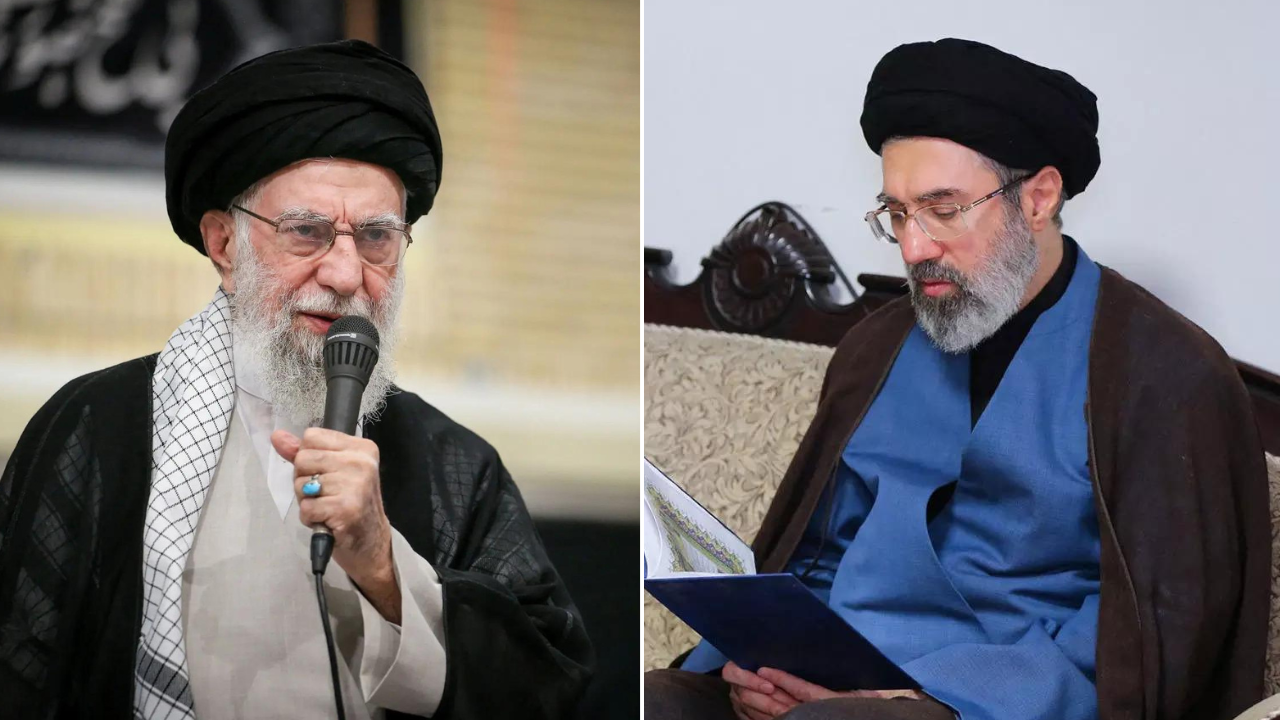
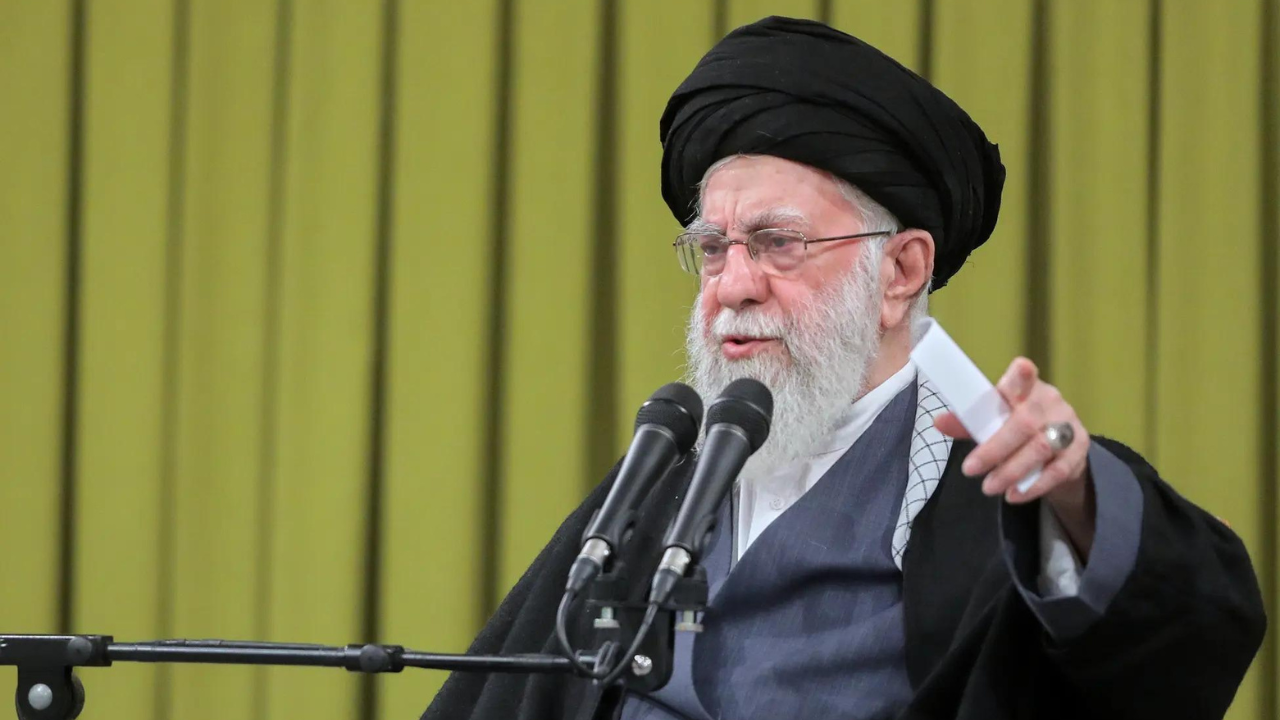
In recent years, several journalistic investigations and intelligence reports have surfaced regarding potential strategic planning by the United States and Israel concerning Iranian leadership. These reports suggest a meticulous approach to understanding the daily lives and vulnerabilities of high-value targets. This includes exploring scenarios related to figures such as Ayatollah Ali Khamenei.
It is crucial to understand that these are reports from various media outlets and are not officially confirmed by government entities. The veracity and extent of such planning remain subjects of journalistic investigation and speculation. However, the nature of these reports highlights the advanced state of intelligence capabilities and strategic thought in geopolitical contests.
Journalistic Investigations and Speculation
One prominent report, cited by media outlets globally, discusses the alleged “hidden build-up” of intelligence and operational readiness. This report posits that both the US and Israel have engaged in extensive ‘pattern of life’ analysis on specific Iranian leaders. The aim, according to these reports, is to develop a comprehensive understanding that could inform future strategic decisions.
Such journalistic investigations often rely on anonymous intelligence sources, leaked documents, and expert analysis. They explore hypothetical scenarios where precision strike capabilities could be employed in highly sensitive situations. These reports underscore the perpetual shadow war fought in the realm of intelligence and covert operations. For further reading, an Official Source for such reports is available.
Analysts suggest that such preparations are part of a broader deterrence strategy, signaling capability and resolve. The mere existence of such reports can serve as a form of psychological warfare, adding pressure to an adversary. However, the specific details and timelines of these alleged preparations are often shrouded in secrecy and subject to ongoing debate.
The implications of such reported activities are far-reaching, potentially influencing regional stability and international law. Discussions around these reports often touch upon the ethical considerations of targeted operations and their legal frameworks. The intersection of advanced technology and geopolitics creates a constantly evolving landscape of strategic challenges.
Implications and Ethical Considerations
The discussion around ‘pattern of life’ analysis and precision strike capabilities in sensitive contexts raises profound implications. These include considerations of international law, national sovereignty, and the potential for regional destabilization. Targeted operations, especially against state leaders, are fraught with legal and ethical complexities.
International law typically prohibits the assassination of heads of state in peacetime. While self-defense clauses exist, the application to preemptive or retaliatory strikes is often contentious. Such actions could be interpreted as acts of war, with severe diplomatic and military consequences. The principle of sovereignty dictates respect for the territorial integrity and political independence of states.
Potential Repercussions and Legal Frameworks
Should reports of a ‘build-up’ translate into actual operations, the repercussions could be catastrophic. An attack on a high-ranking state leader could trigger a significant escalation of conflict, potentially drawing in other regional and international actors. This could lead to widespread instability, disrupting global trade and energy markets.
The legal justification for such operations is often debated within frameworks of self-defense, counter-terrorism, and international humanitarian law. However, these interpretations vary widely among nations and legal scholars. The ambiguity often leads to political disputes and challenges to international norms.
Ethical dilemmas also abound, particularly concerning the proportionality of force and the minimization of civilian casualties. Even with precision strikes, the risk of unintended harm and collateral damage remains. The moral calculus of targeted operations often weighs short-term strategic gains against long-term humanitarian and diplomatic costs.
Furthermore, the use of advanced surveillance technologies raises questions about privacy and civil liberties, even in a geopolitical context. The vast datasets collected for ‘pattern of life’ analysis could be misused or fall into the wrong hands. This highlights the need for robust oversight and accountability mechanisms, though these are often difficult to enforce in covert operations. The evolving nature of these capabilities means that policymakers and legal experts continually grapple with new challenges, reflecting the latest trends in this critical domain.
Conclusion
The journey from ‘pattern of life’ analysis to potential precision strike capabilities represents the cutting edge of modern intelligence and military strategy. Reports concerning the alleged preparations by the US and Israel towards Iranian leadership underscore the intensity of geopolitical rivalries. These claims, while unconfirmed by official sources, highlight the advanced state of surveillance technologies and strategic planning.
This discussion has explored the intricate methodologies involved, the geopolitical context driving such concerns, and the profound implications of these strategic dynamics. The confluence of advanced technology, deep-seated political tensions, and complex ethical considerations continues to shape the future of international relations. As these capabilities evolve, so too must the frameworks for their governance and accountability, ensuring responsible conduct in a volatile world.
Frequently Asked Questions (FAQs)
What is ‘Pattern of Life’ analysis?
‘Pattern of Life’ analysis is an intelligence methodology focused on observing and collecting data about an individual’s or group’s daily routines, habits, and movements. This extensive data collection aims to build a comprehensive behavioral profile. The profile helps intelligence agencies identify predictable patterns, anomalies, and potential vulnerabilities.
How is data for ‘Pattern of Life’ analysis collected?
Data is collected through various intelligence disciplines, including Open-Source Intelligence (OSINT) from public sources, Human Intelligence (HUMINT) from agents, Signal Intelligence (SIGINT) from electronic communications, and Imagery Intelligence (IMINT) from satellites and aerial photography. These diverse inputs are then aggregated and analyzed.
What are precision strike capabilities?
Precision strike capabilities refer to the ability to target specific individuals, objects, or infrastructure with extreme accuracy, minimizing collateral damage. This involves advanced weaponry like guided missiles, drones, and smart bombs, often using GPS and laser guidance systems. These capabilities represent a shift towards highly selective military engagements.
Why are these capabilities significant in geopolitical contexts?
These capabilities are significant because they allow nations to achieve strategic objectives with minimal broader impact, potentially reducing the risk of wider conflict or diplomatic fallout. They also serve as powerful deterrents, signaling a nation’s ability to project power with surgical accuracy. This impacts strategic calculations of adversaries.
What are the primary concerns of the US and Israel regarding Iran?
The primary concerns of the US and Israel include Iran’s nuclear program, its development of ballistic missiles, and its support for various non-state actors in the Middle East. Both nations view Iran as a destabilizing force in the region, posing threats to their security interests. These concerns drive a complex, often adversarial, relationship.
Are the reports about a “hidden build-up” officially confirmed?
No, the reports about a “hidden build-up” by Israel and the US to target Iranian leadership are not officially confirmed by government entities. These are primarily based on journalistic investigations, anonymous intelligence sources, and expert analysis. The information should be treated as reports and not officially verified facts.
What ethical issues arise from targeted operations?
Ethical issues include the morality of targeted killings, the potential for unintended civilian casualties (collateral damage), and the proportionality of force. There are also concerns about the misuse of intelligence, the legal justifications under international law, and the impact on human rights and sovereignty. These actions often spark intense debate.
What are the potential legal repercussions of such actions?
The potential legal repercussions are severe, as international law generally prohibits the assassination of heads of state in peacetime. Such actions could be interpreted as acts of war, violating national sovereignty and international norms. This could lead to international condemnation, sanctions, and potential retaliatory military actions.
How do drones contribute to these capabilities?
Drones (UAVs) contribute significantly by providing long-duration surveillance, real-time intelligence gathering, and precision strike capabilities without risking human pilots. They can loiter over targets, gather extensive ‘pattern of life’ data, and then execute strikes with high accuracy. Their versatility makes them crucial assets in modern operations.
Where can one find more information about these reports?
Information about these reports can be found in various reputable news outlets that cover geopolitical intelligence and international relations. One example, as cited in this article, is a report from the Times of India. It’s advisable to consult multiple sources for a balanced perspective on such sensitive topics.
SEO Keywords
Geopolitical Surveillance, Pattern of Life Analysis, Precision Strike, Israel US Strategy, Khamenei, Iran Nuclear Program, Targeted Operations, Intelligence Gathering, Middle East Conflict, Regional Dynamics, Drone Warfare, Strategic Planning, Counter-Terrorism, International Law, National Security.
Source: Times of India