




Why Do We Celebrate St. Patrick’s Day?
St. Patrick’s Day is one of the most celebrated holidays worldwide, bringing together people from different cultures to honor Irish heritage. But why do we celebrate St. Patrick’s Day? Is it just about wearing green and drinking beer, or is there a deeper historical and cultural significance behind it?
Every year on March 17th, millions of people participate in parades, festivals, and other activities to mark the occasion. However, the origins of St. Patrick’s Day go far beyond modern-day parties and pub crawls. The holiday commemorates St. Patrick, the patron saint of Ireland, and his contributions to spreading Christianity in the region.
In this article, we’ll explore the history, traditions, myths, and global celebrations associated with St. Patrick’s Day. Whether you’re Irish or just love the festive spirit, understanding the roots of this holiday will make your celebrations even more meaningful.
2. Who Was St. Patrick?
Early Life and Background
St. Patrick was born in Britain (likely Scotland or Wales) around the late 4th century. His birth name was Maewyn Succat, and he came from a wealthy Roman family. However, his early life took a drastic turn when Irish raiders kidnapped him at the age of 16 and took him to Ireland as a slave.
His Journey to Ireland
While enslaved, Patrick worked as a shepherd in Ireland. During this difficult time, he turned to Christianity for guidance and strength. After six years in captivity, he managed to escape back to Britain, but he later felt a divine calling to return to Ireland—not as a slave, but as a missionary.
Role in Spreading Christianity
Patrick returned to Ireland and dedicated his life to spreading Christianity among the Irish people. He is credited with using the shamrock to explain the Holy Trinity (Father, Son, and Holy Spirit) to Irish pagans. His efforts helped convert many Irish people to Christianity, and he later became Ireland’s patron saint.
3. The Origins of St. Patrick’s Day
How It Became a Holiday
St. Patrick’s Day was initially observed as a religious feast day by the Catholic Church in Ireland. Over the centuries, it evolved into a national holiday celebrating Irish culture, identity, and pride.
First St. Patrick’s Day Celebrations
The first recorded St. Patrick’s Day parade took place in New York City in 1762, organized by Irish immigrants. Ironically, the biggest celebrations didn’t start in Ireland but in countries where Irish immigrants settled.
Why March 17th is Significant
March 17th marks the anniversary of St. Patrick’s death. Over time, this date transformed into a global celebration of Irish heritage, bringing together millions of people every year.
4. St. Patrick’s Day Traditions and Symbols
Wearing Green
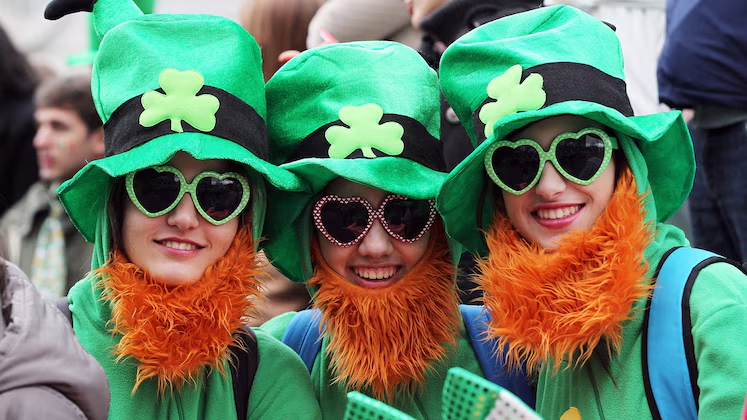
One of the most popular traditions is wearing green clothing and accessories. This custom comes from Irish folklore, where green is associated with luck and protection from leprechauns.
Shamrocks and Their Meaning
The shamrock (three-leaf clover) is one of the most iconic symbols of St. Patrick’s Day. According to legend, St. Patrick used the shamrock to teach the Irish about the Holy Trinity. Today, it remains a powerful symbol of Irish pride and heritage.
Parades and Celebrations
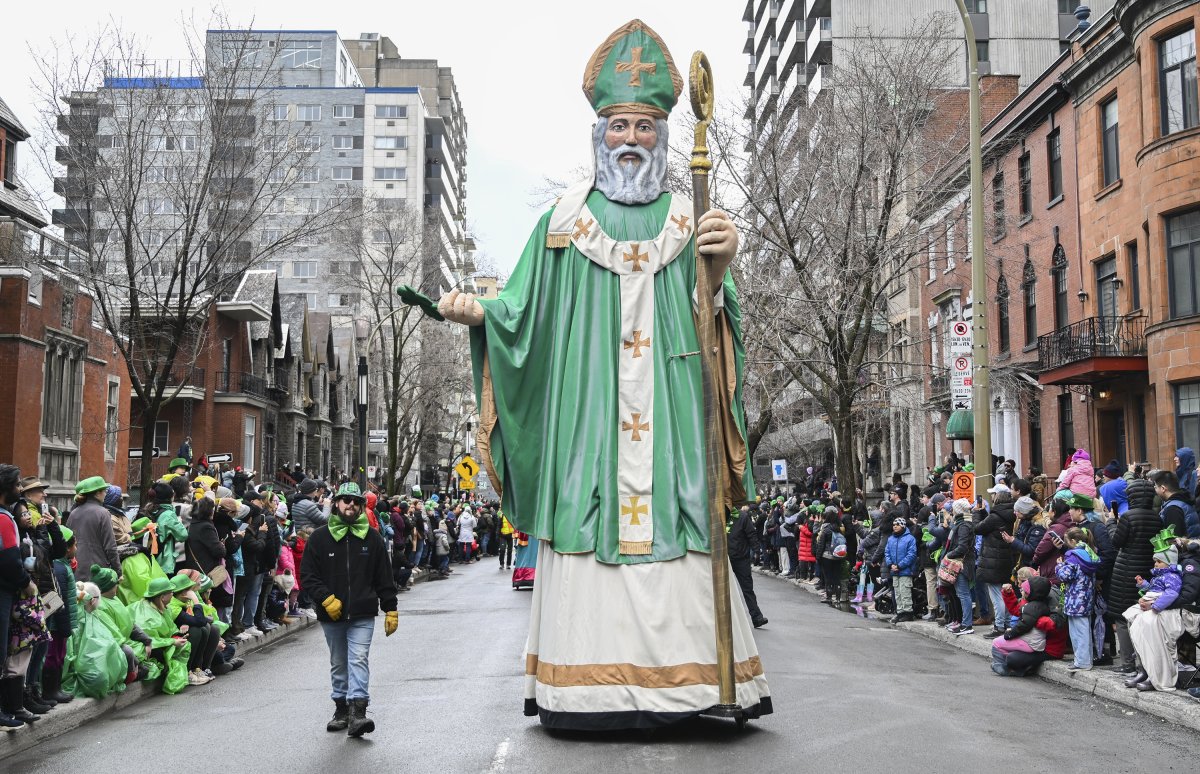
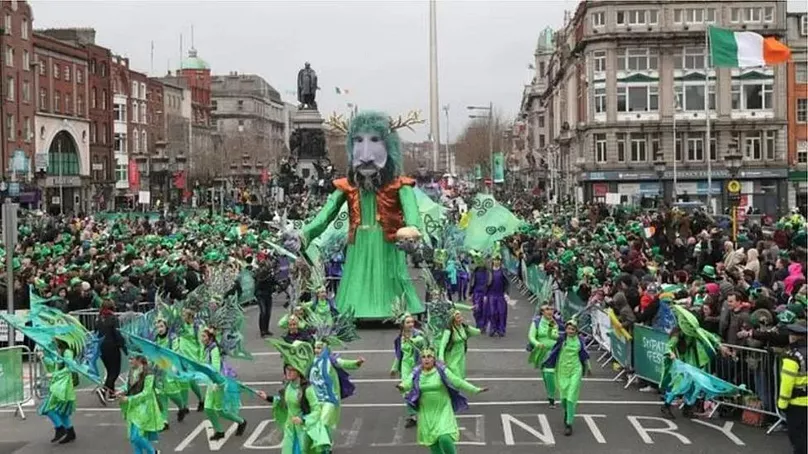
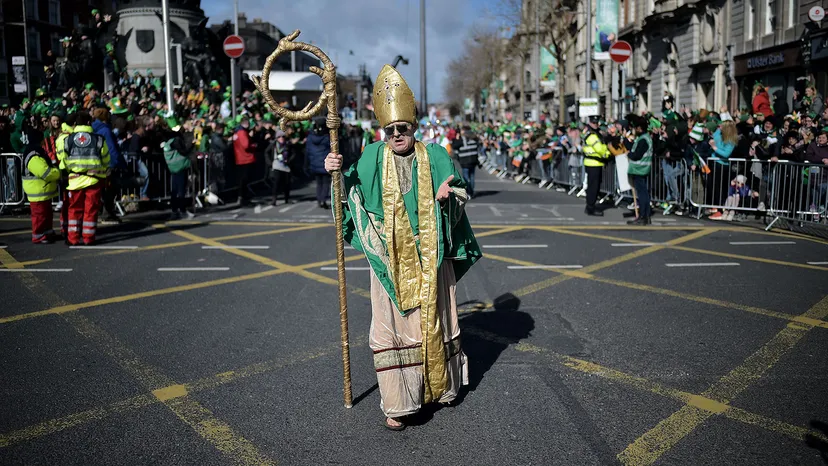
St. Patrick’s Day is famous for its grand parades featuring marching bands, floats, and Irish dancers. Some of the biggest parades take place in New York City, Chicago, Boston, and Dublin.
5. The Spread of St. Patrick’s Day Globally
St. Patrick’s Day in Ireland
Although St. Patrick’s Day originated in Ireland, it wasn’t always celebrated with grand parades and festivities. Traditionally, it was a religious holiday observed with church services and family gatherings. In the mid-20th century, Ireland started embracing the more festive aspects of the holiday, transforming it into a national celebration of Irish culture and identity.
Celebrations in the United States
The United States played a huge role in making St. Patrick’s Day the global festival it is today. The first St. Patrick’s Day parade was held in New York City in 1762, long before Ireland had public celebrations. Cities like Boston, Chicago, and Savannah now host some of the biggest St. Patrick’s Day parades in the world.
Other Countries That Honor the Holiday
Apart from the U.S. and Ireland, many other countries have embraced St. Patrick’s Day, including:
- Canada – Large celebrations in Toronto and Montreal.
- Australia – Sydney and Melbourne hold grand parades.
- United Kingdom – London and Birmingham host major events.
- Argentina – Buenos Aires has one of the biggest St. Patrick’s Day celebrations in South America.
- Japan – Tokyo holds parades, attracting thousands of people.
The global appeal of St. Patrick’s Day proves how influential Irish culture is worldwide.
6. Myths and Misconceptions About St. Patrick’s Day
Did St. Patrick Drive Out Snakes?
One of the most famous legends about St. Patrick is that he drove all the snakes out of Ireland. However, historians agree that Ireland never had snakes due to its climate. The story is likely a metaphor for St. Patrick eliminating pagan beliefs and spreading Christianity.
Was St. Patrick Irish?
Ironically, St. Patrick wasn’t born in Ireland. He was born in Britain (likely Scotland or Wales) and was taken to Ireland as a slave. Despite this, he became Ireland’s patron saint, and his legacy is deeply tied to Irish identity.
Common Myths Debunked
- Myth: Leprechauns are part of St. Patrick’s story
- Fact: Leprechauns come from Irish folklore but have no connection to St. Patrick.
- Myth: St. Patrick’s Day was always about drinking.
- Fact: It was initially a religious holiday; drinking only became common in the 20th century
- Myth: The original color of St. Patrick’s Day was green.
- Fact: Blue was originally associated with St. Patrick before green became popular.
7. Traditional St. Patrick’s Day Foods
Corned Beef and Cabbage
One of the most iconic St. Patrick’s Day dishes is corned beef and cabbage. However, this meal is more American than Irish. Irish immigrants in the U.S. adapted this dish because corned beef was more affordable than traditional Irish bacon.
Irish Soda Bread
A staple in Irish households, Irish soda bread is a simple yet delicious bread made with flour, baking soda, buttermilk, and salt. It’s often served with butter, jam, or stew.
Other Popular Irish Dishes
- Shepherd’s Pie – A hearty dish made with minced meat, mashed potatoes, and vegetables.
- Boxty – Traditional Irish potato pancakes.
- Colcannon – A dish of mashed potatoes mixed with cabbage or kale.
- Food is a significant part of St. Patrick’s Day celebrations, especially among Irish families.
8. How St. Patrick’s Day Is Celebrated Today
Parades and Public Events
The biggest highlight of St. Patrick’s Day is parades featuring marching bands, Irish dancers, floats, and musicians. Cities like Dublin, New York, Chicago, and Boston host the largest St. Patrick’s Day parades, drawing millions of spectators.
Pub Culture and Green Beer
While beer drinking isn’t originally part of the holiday, pub culture has become a big part of modern St. Patrick’s Day celebrations. Many bars serve green-colored beer, and Guinness (Ireland’s famous beer brand) sees a massive spike in sales.
Modern Interpretations of the Holiday
- Wearing Green: People dress in green clothes, hats, and accessories to show Irish pride.
- Dyeing the Chicago River Green: Since 1962, Chicago has been dyeing its river green to mark St. Patrick’s Day.
- Leprechaun Traps for Kids: A fun tradition in schools where children try to catch a mischievous leprechaun.
St. Patrick’s Day has evolved into a blend of cultural, religious, and commercial celebrations.
9. The Economic Impact of St. Patrick’s Day
Revenue Generated Globally
St. Patrick’s Day generates billions of dollars worldwide through:
- Tourism and travel
- Parades and event ticket sales
- Food and beverage industries
- Retail sales of decorations and costumes
Tourism and Business Boost
Ireland experiences a huge tourism boost, as visitors from around the world travel to Dublin to experience authentic Irish celebrations.
The Influence on the Alcohol Industry
Alcohol sales skyrocket during St. Patrick’s Day, with Guinness and Irish whiskey brands making record profits.
10. St. Patrick’s Day and Religion
Although St. Patrick’s Day has become a commercial holiday, it still holds religious significance. Many people attend church services and reflect on St. Patrick’s contributions to Christianity.
11. Unique St. Patrick’s Day Celebrations Around the World
- Dyeing the Chicago River green
- The world’s largest St. Patrick’s Day parade in New York
- Massive street parties in Buenos Aires
These unique celebrations showcase how diverse St. Patrick’s Day traditions have become.
12. Why Green is Associated with St. Patrick’s Day
Green symbolizes Ireland, the shamrock, and Irish nationalism. It became the official color of St. Patrick’s Day in the 18th century.
13. St. Patrick’s Day in Pop Culture
From movies and TV shows to social media trends, St. Patrick’s Day has left a huge impact on pop culture worldwide.
14. Future of St. Patrick’s Day Celebrations
As traditions evolve, St. Patrick’s Day may become more sustainable and digitally connected through virtual celebrations.
15. Conclusion
Why Do We Celebrate St. Patrick’s Day is more than just a party—it’s a celebration of Irish history, culture, and global unity. Whether you’re attending a parade, wearing green, or simply learning about its history, this holiday continues to bring people together worldwide.
16. FAQs
1. What is the true meaning of St. Patrick’s Day?
St. Patrick’s Day honors St. Patrick, the patron saint of Ireland, and celebrates Irish heritage and culture.
2. Why do we wear green on St. Patrick’s Day?
Green symbolizes Ireland, the shamrock, and Irish nationalism.
3. Is St. Patrick’s Day a religious or cultural holiday?
It started as a religious feast day but has evolved into a cultural and global celebration.
4. How did St. Patrick’s Day start in the U.S.?
Irish immigrants brought the tradition to America, where it grew into a huge celebration.
5. What are the biggest St. Patrick’s Day celebrations?
New York, Chicago, Dublin, and Boston host the largest St. Patrick’s Day parades.
One thought on “Why Do We Celebrate St. Patrick’s Day? The Shocking Truth Behind the Greenest Holiday”