




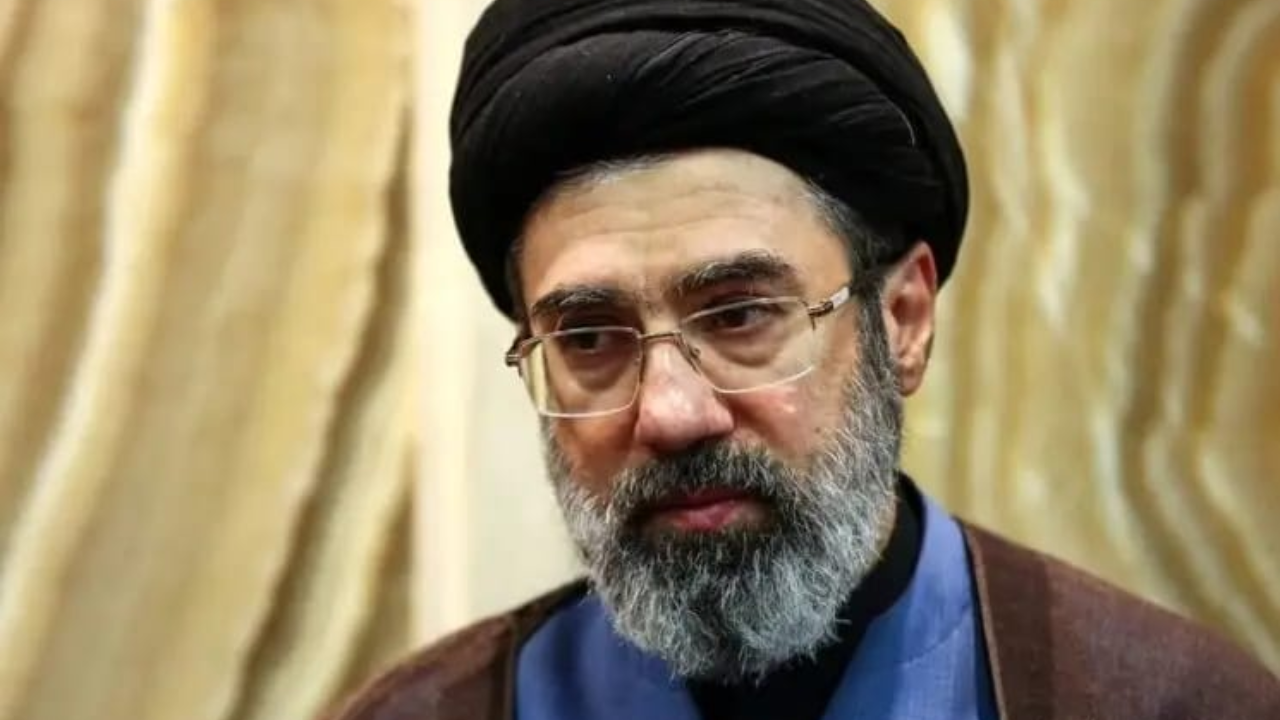
Mojtaba Khamenei’s : A Glimpse into Iran’s Future
In the complex and often opaque world of Iranian politics, few figures command as much veiled power and speculation as Mojtaba Khamenei.
The second son of Iran’s long-serving Supreme Leader, Ayatollah Ali Khamenei, he is frequently whispered as the leading candidate to succeed his aging father.
Who is Mojtaba Khamenei?
Mojtaba Khamenei maintains an extraordinarily low public profile despite his immense influence within the Iranian establishment.
Born in 1969, he has meticulously cultivated a behind-the-scenes role, shaping national policy and managing key levers of power.
The Succession Question in Iran
The question of succession for the Supreme Leader is arguably the most critical and closely guarded secret in Iranian governance.
As Ayatollah Ali Khamenei’s health is a recurring subject of discussion, the spotlight intensifies on potential heirs, with Mojtaba frequently topping the list.
Early Life and Religious Formation
Mojtaba Khamenei’s early life laid the foundation for his unique position within the clerical hierarchy and political system.His education and family lineage are central to understanding his rise to prominence, however unofficial it may seem.
Family Background and Upbringing
Born into a revolutionary family, Mojtaba’s father, Ali Khamenei, was already a significant figure even before becoming Supreme Leader in 1989.This upbringing immersed him in the ideological tenets and political machinations of the Islamic Republic from a young age.
Religious Studies and Teachers
Mojtaba pursued advanced religious studies in Qom, Iran’s spiritual heartland, and Mashhad, another holy city.He studied under prominent Grand Ayatollahs, including his own father, and the influential Mohammad-Taqi Mesbah-Yazdi, a staunch conservative ideologue.These rigorous theological studies equipped him with the clerical credentials necessary to command respect within the religious establishment.His education has been carefully crafted to build a strong foundation for future leadership, appealing to the conservative clergy.
Gaining Clerical Credentials
While he holds the title of Hojjat al-Islam, a mid-level clerical rank, he has not attained the status of Grand Ayatollah, which is typically expected for the Supreme Leader.This difference in rank is a significant point of contention and a potential hurdle for his ultimate succession.
The Architect of Influence: Mojtaba’s Rise
Mojtaba Khamenei’s power does not stem from a public office but rather from his proximity and direct access to the Supreme Leader.He has effectively operated as a chief of staff, gatekeeper, and enforcer for his father, accruing immense unofficial power.
Behind-the-Scenes Power
Many observers believe Mojtaba is instrumental in handling his father’s daily affairs, including appointments, policy decisions, and managing sensitive files.This role has allowed him to cultivate a vast network of allies within the military, intelligence, and economic sectors.
Controlling Key Institutions
He is rumored to exert significant influence over the Islamic Revolutionary Guard Corps (IRGC) and the Basij militia, critical pillars of the regime’s power.His connections ensure loyalty and control over the security apparatus, vital for maintaining internal stability.
Role in Political Affairs
Mojtaba has been implicated in key political decisions, particularly during periods of internal dissent.His involvement in managing political crises and ensuring the loyalty of the regime’s power bases is well-documented by analysts.
The Succession Debate: Contenders and Challenges
The process of selecting a new Supreme Leader is complex, involving constitutional requirements and intricate political maneuvering.Mojtaba Khamenei faces both advantages and formidable challenges in his bid for the top position.
Current Supreme Leader’s Health
Ayatollah Ali Khamenei, now 85, has reportedly suffered from various health issues over the years, intensifying the succession discussions.His passing would trigger a critical period of transition, where the future direction of Iran would be decided.
Mojtaba’s Eligibility and Challenges
A primary constitutional requirement for the Supreme Leader is to be a Marja’ al-Taqlid, a Grand Ayatollah, which Mojtaba is not.This religious qualification gap poses a significant legal and religious obstacle, potentially requiring an amendment or a reinterpretation of the constitution.Furthermore, the perception of dynastic succession, despite clerical denials, is deeply unpopular among segments of the Iranian populace.This public sentiment could fuel discontent, challenging the legitimacy of such a transition.
Comparison with Other Potential Successors
Historically, other prominent figures were considered, such as the late President Ebrahim Raisi, who was also a conservative hardliner and a member of the Assembly of Experts.Raisi’s unexpected death in May 2024 significantly altered the succession landscape, removing a key potential rival to Mojtaba.Other lesser-known but clerically qualified individuals within the Assembly of Experts might also emerge as compromise candidates.The power vacuum created by Raisi’s demise could paradoxically strengthen Mojtaba’s position or open doors for new contenders.
The Role of the Assembly of Experts
The Assembly of Experts, an 88-member body of high-ranking clerics, is constitutionally tasked with selecting the next Supreme Leader.This assembly holds the ultimate power to appoint or even dismiss the Supreme Leader, though the latter has never occurred.The selection process is shrouded in secrecy, involving extensive deliberations and political horse-trading among its members.While seemingly independent, the Assembly is heavily influenced by the existing power structures, including the Supreme Leader’s office and the IRGC.
Controversies and Criticisms
Mojtaba Khamenei is not without his detractors and has been at the center of several serious controversies throughout his career.These allegations often highlight the opaque nature of power and wealth within Iran’s ruling elite.
Allegations of Corruption and Wealth
Numerous reports and dissenting voices within Iran have pointed to Mojtaba’s alleged accumulation of vast wealth through illicit means.He is rumored to control significant economic interests, including foundations (Bonyads) and businesses, though concrete evidence is difficult to obtain due to state secrecy.
Involvement in Protest Crackdowns
Mojtaba Khamenei has been widely accused of playing a central role in the violent suppression of the 2009 Green Movement protests.Furthermore, his alleged involvement in orchestrating the crackdown on more recent widespread anti-government demonstrations has drawn international condemnation.These actions underscore his reputation as a hardline enforcer committed to preserving the regime’s power at all costs.
Lack of Public Profile vs. Real Power
His deliberate avoidance of public appearances and official roles contrasts sharply with the immense power he is believed to wield.This dichotomy feeds into criticisms that he operates outside accountability, manipulating the system from the shadows.
Impact of a Potential Succession
Should Mojtaba Khamenei ascend to the position of Supreme Leader, it would undoubtedly have profound consequences for Iran both domestically and internationally.His leadership would likely signal a continuation, if not an intensification, of the current hardline trajectory.
Domestic Implications
Domestically, a Mojtaba-led Iran would likely see a further consolidation of power by conservative factions and the IRGC.Dissent would probably face even stricter suppression, with limited room for political reform or social liberalization.The economic challenges would likely persist, possibly exacerbated by continued international sanctions and a lack of genuine reform.
Regional and International Ramifications
On the regional stage, his leadership could mean an assertive foreign policy, with continued support for proxy groups and a confrontational stance towards adversaries.Internationally, relations with Western powers might remain strained or worsen, particularly concerning Iran’s nuclear program and human rights record.A more hardline leader could lead to increased tensions in the Middle East, impacting global stability and energy markets.
Maintaining the Revolutionary Guard’s Power
Mojtaba’s deep ties with the IRGC suggest that their influence would remain paramount, if not expand, under his potential leadership.The IRGC is a crucial pillar of his power base, and their mutual dependence would likely continue to shape national policy.
Public Perception and Support
Given his clandestine nature, understanding public perception of Mojtaba Khamenei is challenging, but certain trends are discernible.His image is largely shaped by rumor, his father’s legacy, and the actions attributed to him.
Limited Public Exposure
Unlike other political figures who engage in public speeches or interviews, Mojtaba rarely makes public appearances.This deliberate lack of visibility means he is not well-known by the average Iranian citizen, especially younger generations.
Support from Hardliners
Within the hardline establishment, particularly among the IRGC, Basij, and ultra-conservative clerical circles, Mojtaba enjoys considerable support.He is seen as a steadfast guardian of revolutionary principles and a strong hand capable of preserving the system.
Opposition and Dissent
Conversely, among reformists, dissidents, and the general populace frustrated with the current regime, Mojtaba is viewed with suspicion and resentment.The idea of a dynastic succession is particularly unpopular, seen as a betrayal of revolutionary ideals and a move towards authoritarianism.
Looking Ahead: The Unfolding Scenario
The succession to Iran’s Supreme Leader remains one of the most critical and unpredictable political events on the global stage.The ultimate decision will shape Iran’s trajectory for decades, impacting millions within its borders and beyond.
Uncertainty and Future Scenarios
While Mojtaba Khamenei is a strong contender, the opaque nature of the selection process means nothing is certain until the Assembly of Experts convenes.Internal power struggles, public sentiment, and unexpected events could all influence the final outcome.
The Role of Evolving Political Dynamics
The unexpected death of President Raisi has significantly reshaped the field, opening new possibilities and potentially accelerating discussions.The coming years will be crucial for understanding the shifting alliances and political currents within Iran’s clerical establishment.Monitoring the situation requires keen attention to Iranian media, expert analysis, and keeping abreast of the latest trends regarding internal power struggles.For more insights on this complex topic, you can refer to an Official Source for further reading.
Conclusion: A Legacy in the Balance
Mojtaba Khamenei represents a significant, albeit enigmatic, force within the Iranian political landscape.His proximity to power, deep ties to security forces, and religious credentials make him a formidable contender for the Supreme Leadership.The choice of Iran’s next Supreme Leader is not merely a matter of internal politics; it is a decision with profound implications for regional stability and international relations.The world watches closely as Iran prepares for a succession that will define its future direction for generations to come.
Frequently Asked Questions About Mojtaba Khamenei
1. What is Mojtaba Khamenei’s full name and background?
Mojtaba Hosseini Khamenei was born in 1969 in Mashhad, Iran. He is the second son of Ayatollah Ali Khamenei, the current Supreme Leader of Iran. His background is deeply rooted in the clerical establishment and the revolutionary ideals of the Islamic Republic, having grown up within the inner circle of power.
2. What is his current official role in Iran?
Officially, Mojtaba Khamenei does not hold a formal government position or publicly recognized title in the executive branch. His influence is primarily wielded through his unofficial role as an advisor and gatekeeper to his father, the Supreme Leader. This allows him to operate with significant power behind the scenes, without public accountability.
3. Why is he considered a potential successor to his father?
He is considered a potential successor due to his direct lineage to the current Supreme Leader, his close relationship and access to his father, and his deep connections within the powerful security apparatus, particularly the Islamic Revolutionary Guard Corps (IRGC) and the Basij militia. He has also undergone extensive religious training, making him a candidate favored by hardline factions.
4. What are the main obstacles to his succession?
The most significant obstacle is his clerical rank; he is a Hojjat al-Islam, not a Grand Ayatollah (Marja’ al-Taqlid), which is typically a constitutional requirement for the Supreme Leader. Additionally, the perception of dynastic succession could face strong opposition from reformist elements and parts of the public, potentially undermining the legitimacy of the office.
5. How does his influence manifest in Iranian politics?
Mojtaba’s influence manifests in various ways, including reportedly overseeing parts of his father’s office, impacting appointments within the military and intelligence services, and influencing economic decisions. He acts as a crucial liaison between the Supreme Leader and various branches of the regime, ensuring loyalty and policy adherence.
6. What are the allegations made against him?
He has faced allegations of corruption and accumulating vast wealth through opaque business dealings, particularly through his alleged control over powerful foundations and economic enterprises. Furthermore, he is widely accused of playing a key role in the violent suppression of anti-government protests, including the 2009 Green Movement and subsequent demonstrations.
7. Who are the other potential candidates for Supreme Leader?
Before his death, the late President Ebrahim Raisi was a leading contender, known for his hardline stance and judicial background. Other potential candidates often mentioned include prominent members of the Assembly of Experts, such as Sadegh Larijani or Ahmad Jannati, though their influence and public profiles vary considerably. The field has shifted considerably since Raisi’s demise.
8. What is the role of the Assembly of Experts in succession?
The Assembly of Experts is an 88-member body of high-ranking clerics constitutionally responsible for selecting the Supreme Leader. They are also theoretically empowered to monitor and even dismiss the Supreme Leader. Their choice is critical and made through a secretive process, often heavily influenced by the prevailing political climate and the IRGC’s preferences.
9. How might his leadership impact Iran’s foreign policy?
A Mojtaba-led Iran would likely continue, and possibly intensify, the current hardline foreign policy. This would involve maintaining a strong stance against the West, continued support for regional proxy groups, and an unwavering commitment to Iran’s nuclear program. Such an approach could lead to increased regional tensions and further international isolation.
10. What is the public perception of Mojtaba Khamenei?
Due to his extremely low public profile, general public perception is limited and often based on rumors. Among hardline loyalists, he is seen as a strong, principled figure capable of safeguarding the revolution. However, among dissidents and a significant portion of the general public, he is viewed with suspicion, associated with repression, and seen as potentially representing an illegitimate dynastic succession.
Iranian succession, Mojtaba Khamenei, Ayatollah Ali Khamenei, Iran Supreme Leader, Iranian politics, Assembly of Experts, IRGC, Iran succession contenders, Clerical power Iran, Iranian hardliners, Mojtaba Khamenei influence, Iran political future, Middle East power, Shiite clergy, Iran leadership transition