




Iranian President’s
Recent unconfirmed reports have sent shockwaves across global media and diplomatic circles. These claims suggest the tragic death of former Iranian President Mahmoud Ahmadinejad during alleged Israeli airstrikes on Tehran.The veracity of these reports remains officially unverified by Iranian or Israeli authorities. However, the claims highlight the perilous state of current geopolitical tensions in the Middle East.
Allegations of Airstrikes and Ahmadinejad’s Reported Death
The specific report detailing Ahmadinejad’s demise emerged from certain media outlets, citing unnamed sources. It posits that the former president was a casualty in a recent wave of alleged Israeli aerial assaults targeting the Iranian capital.Such allegations, if confirmed, would mark an unprecedented escalation in the long-standing shadow war between Iran and Israel. The international community is bracing for potential repercussions.
The Source of the Unconfirmed Information
Initial claims regarding Ahmadinejad’s death began circulating on social media platforms before being picked up by some news agencies. The information remains largely speculative without concrete, official corroboration.Readers are advised to refer to the Official Source for the report that initiated these widespread discussions. This report serves as the basis for the current intense speculation.
Mahmoud Ahmadinejad: A Divisive Figure
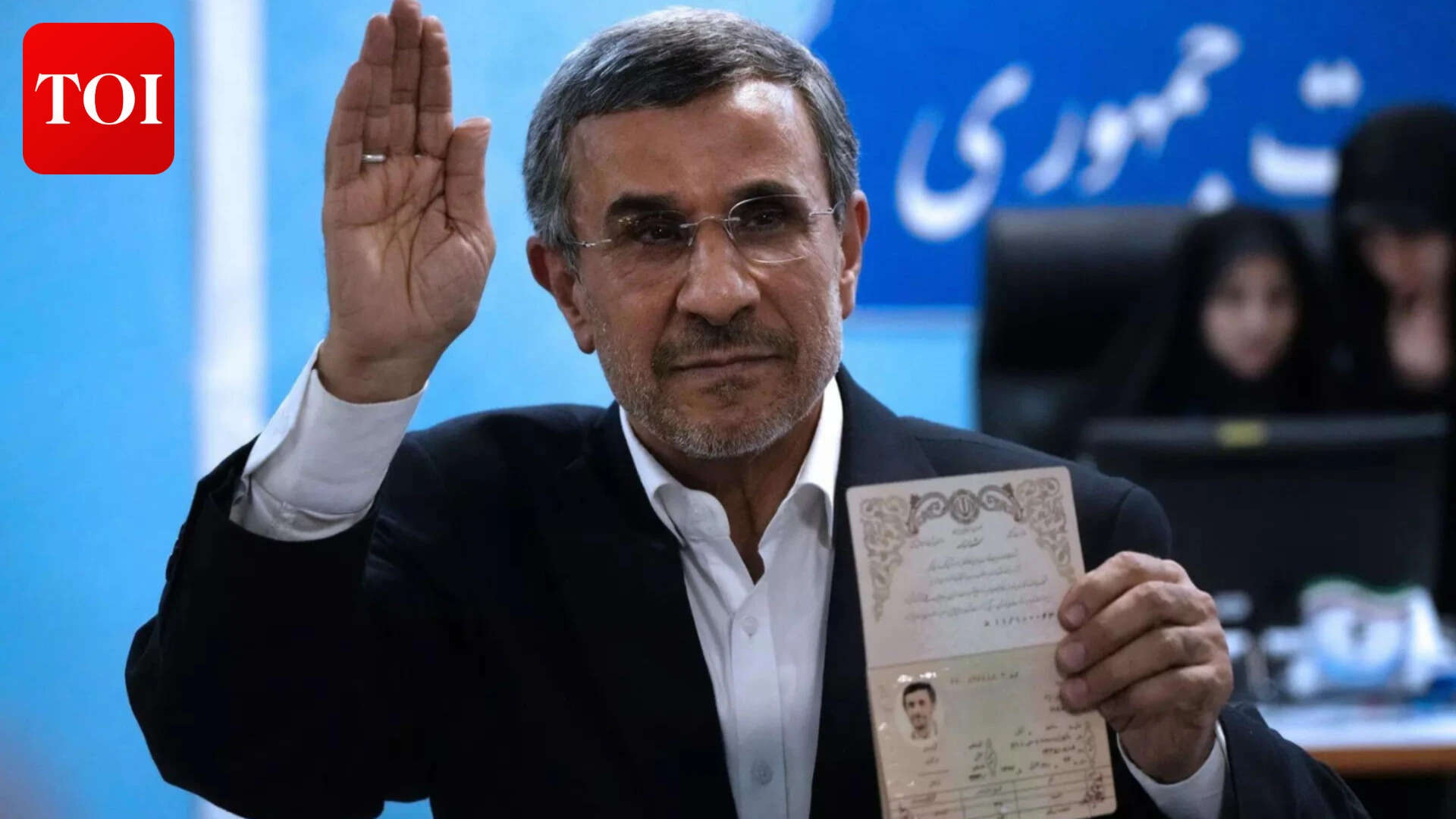
Mahmoud Ahmadinejad served as Iran’s sixth president from 2005 to 2013, a period marked by significant domestic and international controversy. His presidency was characterized by a hardline stance on foreign policy, particularly concerning Iran’s nuclear program.Domestically, he championed populist economic policies and confronted protests following his disputed 2009 re-election. His legacy remains a complex subject within Iranian politics.
Escalation of Regional Tensions and Background
The Middle East has been a crucible of geopolitical tensions for decades, with Iran and Israel often at the forefront. Their rivalry encompasses regional proxy conflicts, cyber warfare, and intelligence operations.Recent months have seen a pronounced uptick in these tensions, with reciprocal strikes and threats exchanged between the two nations and their allies. This perilous environment makes any unconfirmed report of this nature highly sensitive.
Recent Incidents Contributing to Instability
A series of targeted attacks and alleged covert operations have frayed nerves across the region. These include attacks on shipping, drone incursions, and strikes on military installations.Such incidents underscore the volatile nature of the region. They also highlight the constant threat of broader conflict. It is critical to stay informed on latest trends for up-to-the-minute developments.
Potential Implications of Such a Development
If the reports of Ahmadinejad’s death were to be confirmed, the implications for Iran, Israel, and global stability would be profound. It could ignite a new, severe phase of conflict.
Such an event might provoke strong retaliatory actions from Iran, potentially drawing in other regional and international actors. The precise nature of these reactions would depend on the official narrative and attribution.
Impact on Iranian Domestic Politics
Ahmadinejad, despite being out of office, remained a notable, albeit sometimes sidelined, figure in Iranian political discourse. His death could create a vacuum or a rallying cry for different factions.It might also be used by hardliners to consolidate power or to justify a more aggressive foreign policy. Conversely, it could destabilize the current political establishment.
Regional and International Reactions
Immediate international reactions have been characterized by caution and calls for de-escalation, pending verification. World leaders are acutely aware of the delicate balance in the region.Any definitive confirmation would likely lead to widespread condemnation, urgent diplomatic efforts, and potentially economic sanctions. The UN Security Council would undoubtedly convene emergency sessions.
Challenges in Verification and Information Dissemination
The highly sensitive nature of such reports makes official verification extremely difficult. Both Iran and Israel have reasons to control the narrative surrounding any alleged strikes or casualties.In an age of rapid digital communication, misinformation can spread quickly, further complicating efforts to ascertain the truth. Journalists and the public must exercise extreme caution.
The Role of Official Statements
Until official statements are released by either the Iranian government or Israeli authorities, all information remains speculative. These governments often operate under strategic ambiguity.The absence of immediate confirmation or denial itself can be a deliberate part of geopolitical maneuvering. This necessitates a careful, measured approach to reporting.
Navigating Media Narratives
Various media outlets will likely present differing perspectives and analyses of these reports. It is crucial to critically evaluate sources and identify any inherent biases.The international community, including news organizations, has a responsibility to prioritize confirmed facts over sensationalism. This approach helps prevent further destabilization.
Conclusion: A Region on Edge
The unconfirmed reports concerning Mahmoud Ahmadinejad’s death underscore the extreme volatility of the Middle East. The region remains a powder keg, where even unverified claims can trigger significant reactions.As the world awaits official confirmation or denial, the imperative for de-escalation and diplomatic engagement has never been more critical. The potential for catastrophic escalation looms large.
Frequently Asked Questions (FAQs)
Iran, Mahmoud Ahmadinejad, Israeli airstrikes, Tehran, Middle East conflict, regional tensions, unconfirmed reports, geopolitical implications, Iran-Israel relations, international news, breaking news, verification challenges, political stability, conflict escalation, Iranian president.