





Trump Vows ‘Devastating’ Retaliation: Trump’s Iran Threat
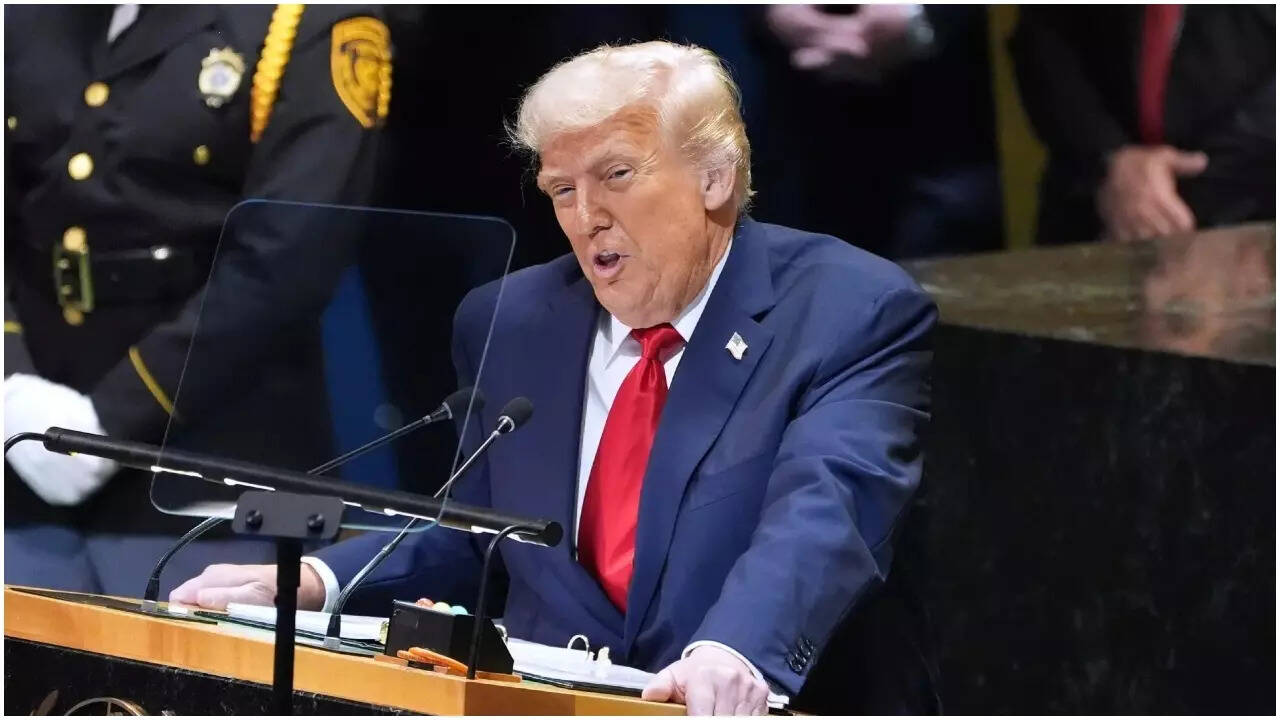
In a declaration that reverberated across global diplomatic and security circles, former U.S. President Donald Trump has outlined an extraordinarily severe and “devastating” response should Iran ever attempt to assassinate him. This stark warning pulls back the curtain on the perilous undercurrents of U.S.-Iran relations, painting a chilling picture of potential retaliatory actions that could forever alter the geopolitical landscape. Such a pronouncement, coming from a former Commander-in-Chief, underscores the deep-seated animosity and the hair-trigger nature of one of the world’s most volatile rivalries.
The Genesis of a Stark Warning: Decades of Tensions
The relationship between the United States and Iran has been fraught with animosity, suspicion, and periods of overt conflict for over four decades. From the 1979 Iranian Revolution and the subsequent hostage crisis to more recent flashpoints, both nations have viewed each other through a lens of existential threat. Donald Trump’s presidency, in particular, saw a dramatic escalation of these tensions, marked by a maximalist pressure campaign against Tehran. His administration withdrew from the landmark Joint Comprehensive Plan of Action (JCPOA), reimposed crippling sanctions,
and engaged in direct military actions, most notably the targeted killing of Iranian General Qasem Soleimani in January 2020. This particular act ignited a firestorm, with Iran vowing “harsh revenge” and many speculating about potential retaliatory strikes against U.S. interests or personnel. It is within this deeply entrenched history of reciprocal threats and military posturing that Trump’s latest warning must be understood.
A Timeline of Escalation and Retaliation
The path to this moment is paved with significant events that have shaped the U.S.-Iran dynamic:
- 1979: Iranian Revolution and U.S. Embassy hostage crisis, severing diplomatic ties.
- 1980s: Iran-Iraq War, with the U.S. providing support to Iraq at various stages, further fueling Iranian animosity.
- 2002: President George W. Bush labels Iran part of an “Axis of Evil,” intensifying rhetoric.
- 2015: JCPOA, or Iran Nuclear Deal, is signed, aiming to curb Iran’s nuclear program in exchange for sanctions relief.
- 2018: President Donald Trump withdraws the U.S. from the JCPOA, reimposing and expanding sanctions, initiating a “maximum pressure” campaign.
- June 2019: Iran shoots down a U.S. surveillance drone; Trump reportedly orders then aborts retaliatory strikes.
- January 2020: U.S. drone strike kills Iranian General Qasem Soleimani in Baghdad. Iran retaliates with ballistic missile strikes on Iraqi bases housing U.S. troops.
- Ongoing: Persistent reports of Iranian-backed proxy attacks on U.S. interests in the Middle East, and continued mutual threats.
- Recent Past: Amidst continuous geopolitical shifts, Trump’s explicit warning against assassination attempts adds another dangerous layer to this complex history.
The Economic and Geopolitical Ripple Effects
The mere contemplation of a direct military confrontation between the United States and Iran, let alone one triggered by an assassination attempt on a former U.S. president, carries immense global implications. The economic fallout would be immediate and severe, particularly concerning global energy markets.
Industry and Market Impact: A Global Tremor
Iran, a major oil producer, sits strategically on the Strait of Hormuz, a critical chokepoint through which a significant portion of the world’s oil supply transits. Any large-scale conflict would undoubtedly disrupt this flow, leading to:
- Global Oil Shock: Prices would skyrocket, impacting everything from transportation costs to manufacturing, potentially plunging the global economy into recession.
- Increased Defense Spending: Nations worldwide would likely increase military budgets, diverting resources from other sectors.
- Disruption of Trade Routes: Beyond oil, vital shipping lanes through the Middle East could become uninspected, affecting global supply chains for various goods.
- Cyber Warfare Escalation: Both nations possess significant cyber capabilities, and a conflict could unleash widespread cyberattacks targeting critical infrastructure globally.
Policy Implications: Reshaping International Diplomacy
The policy implications of such an event would be equally profound. A “devastating response” from the U.S. could:
- Redraw Alliances: Allies might be forced to choose sides, potentially fracturing existing international coalitions.
- Reignite Nuclear Concerns: Iran might accelerate its nuclear program in response to perceived existential threats, challenging non-proliferation efforts.
- Humanitarian Crisis: Any major conflict would inevitably lead to massive displacement, refugee crises, and severe humanitarian consequences in an already volatile region.
- Domestic Political Unrest: In both nations, and globally, such a crisis would likely fuel political polarization and instability.
Expert Analysis: Navigating the Brink of Catastrophe
Geopolitical analysts universally agree that any direct, large-scale conflict between the U.S. and Iran would be catastrophic. Trump’s “devastating response” rhetoric, while perhaps intended as a deterrent, is seen by many as dangerously escalatory. Experts highlight several critical points:
According to Dr. Evelyn Farkas, a former Deputy Assistant Secretary of Defense for Russia, Ukraine, and Eurasia, “Statements like these, while often meant to project strength, carry a significant risk of miscalculation. In a highly charged environment, vague threats can be interpreted as actionable plans, pushing adversaries closer to the edge rather than deterring them.”
International law also plays a crucial role. An assassination attempt on a former head of state, if proven to be state-sponsored, would constitute an act of war, justifying a robust response under international law. However, the proportionality and nature of that response are key. “A ‘devastating’ response could easily cross the line into collective punishment, which is highly contentious under international humanitarian law,” states Professor John Bell, an expert in international relations. “The global community would scrutinize any U.S. action very carefully, and widespread destruction could lead to international condemnation, regardless of the initial provocation.”
Comparison of U.S. Presidential Approaches to Iran Post-1979
| U.S. President/Administration | Key Policy Stance Towards Iran | Notable Actions/Events | Overall Impact on Relations |
|---|---|---|---|
| Jimmy Carter (1977-1981) | Human rights focus; initial support for Shah; later, crisis management. | Iranian Revolution; U.S. Embassy hostage crisis; severing of diplomatic ties. | Defined the adversarial nature of future relations. |
| Ronald Reagan (1981-1989) | Covert support for Iraq in Iran-Iraq War; arms-for-hostages scandal. | Iran-Contra Affair; U.S. involvement in Tanker War; USS Vincennes incident. | Continued animosity; exposed covert U.S. dealings. |
| George W. Bush (2001-2009) | “Axis of Evil” rhetoric; strong focus on nuclear proliferation. | Sanctions pressure; rhetoric of regime change; Iraq War’s regional impact. | Increased pressure and confrontation over nuclear program. |
| Barack Obama (2009-2017) | Diplomacy and multilateralism; engagement alongside sanctions. | JCPOA (Iran Nuclear Deal); significant diplomatic outreach. | Attempted normalization, leading to a temporary thaw and nuclear agreement. |
| Donald Trump (2017-2021) | “Maximum Pressure” campaign; withdrawal from JCPOA. | Reimposed and expanded sanctions; Soleimani killing; heightened military presence. | Extreme escalation of tensions; near-direct conflict. |
Summary of Key U.S.-Iran Tensions & Actions (1979 – Present)
| Period | Primary Tension Point | Key U.S. Action/Policy | Outcome/Consequence |
|---|---|---|---|
| 1979-1981 | Hostage Crisis | Diplomatic freeze, failed rescue attempt | Deep-seated animosity, lasting distrust |
| 1980s | Iran-Iraq War | Support for Iraq, naval engagement | Regional destabilization, U.S. naval losses |
| Early 2000s | Nuclear Program | “Axis of Evil” rhetoric, initial sanctions | Increased Iranian defiance, pursuit of enrichment |
| 2009-2015 | Nuclear Diplomacy | Multilateral negotiations, targeted sanctions | JCPOA agreement, temporary sanctions relief |
| 2018-2020 | “Maximum Pressure” | Withdrawal from JCPOA, severe sanctions | Iranian retaliation, Soleimani killing, near-war |
| Present | Ongoing Proxy Conflicts, Nuclear Standoff | Continued sanctions, deterrence efforts | Heightened regional instability, threats of retaliation |
The Future Outlook: A Precarious Path
The future of U.S.-Iran relations remains highly uncertain and fraught with peril. Trump’s recent statements, while reflecting deeply personal sentiments and the intensity of past confrontations, serve as a potent reminder of the fragility of peace in the Middle East. The rhetorical escalation risks trapping both nations in a cycle of threats and counter-threats, leaving little room for de-escalation or diplomacy.
The critical question moving forward is how the international community, and indeed future U.S. administrations, will navigate these declared red lines. Will such stark warnings serve as effective deterrents, or will they merely inflame an already combustible situation? The long-term stability of the Middle East, global energy security, and the tenets of international law hang precariously in the balance. Preventing conflict will require not only robust diplomacy but also a careful calibration of rhetoric and action from all parties involved, ensuring that the devastating consequences of miscalculation are never realized.
Frequently Asked Questions (FAQs)
- What exactly did Donald Trump say about Iran?
Donald Trump outlined a “devastating response” for Iran if they were to attempt to assassinate him, stating there would be “nothing left” of the country. - What sparked this latest warning from Trump?
This warning comes amidst long-standing tensions between the U.S. and Iran, particularly after the 2020 U.S. strike that killed Iranian General Qasem Soleimani, to which Iran had vowed retaliation. - Is there a history of assassination plots between the U.S. and Iran?
While direct, proven state-sponsored assassination attempts on U.S. presidents or former presidents by Iran are rare, intelligence agencies routinely monitor threats. Iran has targeted dissidents and foreign nationals abroad. - How would the U.S. typically respond to such an act under international law?
An assassination attempt on a former head of state, if proven to be state-sponsored, would be considered an act of war, justifying a robust response under international law. The response, however, must be proportionate. - What are the potential economic impacts of a U.S.-Iran conflict?
A conflict would likely cause a massive disruption to global oil supplies, leading to soaring prices, significant market instability, and potential global recession. - How would U.S. allies react to a “devastating response” against Iran?
Reactions would vary. Some allies might support a strong response, while others, particularly those with economic ties to Iran or concerns about regional stability, might advocate for restraint and diplomacy. - Could such a conflict lead to a broader regional war in the Middle East?
Yes, due to the intricate web of alliances and proxy groups in the region, a direct U.S.-Iran conflict carries a high risk of escalating into a wider regional conflagration. - What is the significance of the Strait of Hormuz in this context?
The Strait of Hormuz is a crucial maritime chokepoint for global oil shipments. Any military action or disruption there could severely impact the world’s energy supply. - Has Iran ever directly threatened to assassinate a U.S. leader?
While Iran has often expressed severe anti-U.S. rhetoric and vowed “harsh revenge” for actions like the Soleimani killing, direct threats of assassinating a U.S. leader are usually not explicit in official statements, though inferred by many. - What are the long-term implications for stability in the Middle East if these threats escalate?
Escalating threats severely undermine regional stability, deter investment, exacerbate humanitarian crises, and make diplomatic resolutions increasingly difficult, creating a perpetual state of tension.
Conclusion: The Perilous Path Ahead
Donald Trump’s declaration serves as a stark, chilling reminder of the deep-seated animosities and ever-present dangers lurking in the U.S.-Iran relationship. While his words are aimed at deterrence, they simultaneously underscore the fragility of peace and the immense potential for devastating conflict should diplomatic guardrails fail. The global community watches with bated breath, understanding that any direct confrontation would not only reshape the Middle East but send shockwaves through international markets and alliances. As the world navigates these perilous waters, the imperative for judicious statesmanship, de-escalation, and a renewed commitment to diplomatic solutions has never been more critical to avert a future none can afford.
Internal Linking Suggestions:
- The Geopolitical Impact of Middle East Tensions on Global Stability
- Understanding U.S. Foreign Policy Shifts in the 21st Century
- The Iran Nuclear Deal: What Happened Next?
External Authority Links:
#TrumpIran #Geopolitics #MiddleEast #USForeignPolicy #GlobalSecurity