






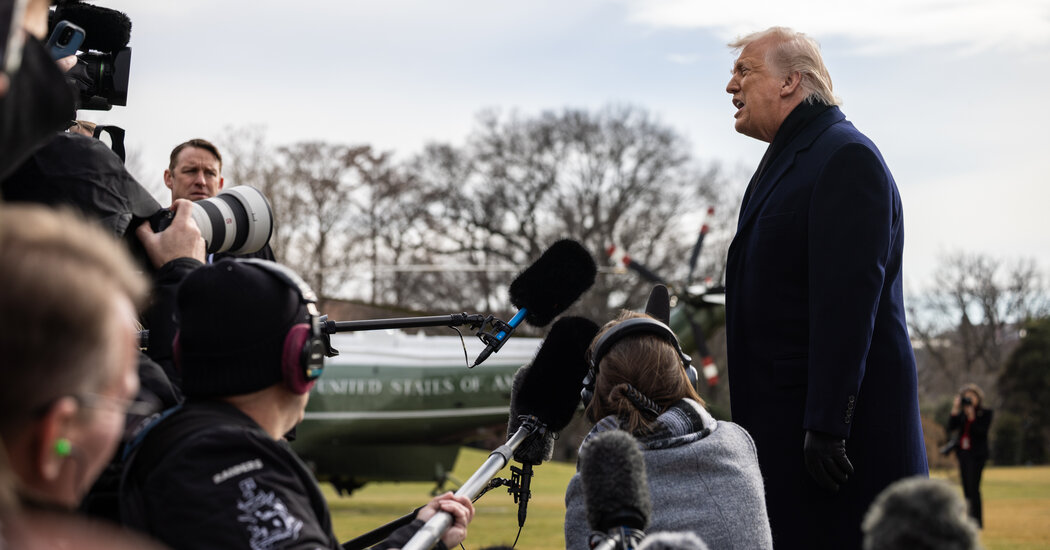
Trump Announces New Tariffs on Some European Countries in Greenland Standoff
The latest move by the Trump administration has sent shockwaves across the globe, as the President announced new tariffs on several European countries in a standoff over Greenland. The move has been met with widespread criticism and has raised concerns about the potential implications for global trade and diplomatic relations.
Historical Context: A Look Back at US-EU Relations
The United States and the European Union have a long and complex history of trade and diplomatic relations. The two entities have been close allies for decades, but have also had their fair share of disagreements. One of the most notable examples of this is the chicken tax, which was imposed by the US in the 1960s in response to European tariffs on American chicken imports.
In recent years, however, the relationship between the US and EU has become increasingly strained. The Trump administration’s decision to impose tariffs on European steel and aluminum imports has been a major point of contention. The EU has responded by imposing its own tariffs on American goods, leading to a trade war that has had significant implications for both sides.
The Greenland Factor: What’s at Stake?
At the heart of the current standoff is the issue of Greenland, a self-governing territory within the Kingdom of Denmark. The Trump administration has expressed interest in purchasing Greenland, which has been met with resistance from the Danish government. The EU has also weighed in on the issue, with several member states expressing opposition to the idea of the US purchasing Greenland.
The issue of Greenland is not just a matter of national pride, but also has significant implications for global trade and security. The territory is strategically located in the North Atlantic, and has access to the Arctic region, which is becoming increasingly important for global trade and security. The New York Times has reported that the Trump administration’s interest in purchasing Greenland is driven in part by the territory’s natural resources, including uranium and rare earth minerals.
For the latest Trending News on the Greenland standoff, be sure to check out our latest updates on the topic. You can also find more information on the history of US-EU relations on our Latest Updates page.
Implications of the Tariffs: A Deep-Dive Analysis
The imposition of new tariffs on European countries is likely to have significant implications for global trade and diplomatic relations. The tariffs will affect a range of goods, including agricultural products, machinery, and consumer electronics. The Bloomberg has reported that the tariffs could lead to a decline in trade between the US and EU, which could have significant implications for both economies.
In order to understand the full implications of the tariffs, it’s essential to look at the facts. The following table provides a detailed breakdown of the tariffs and their potential impact:
| Country | Tariff Rate | Affected Goods | Potential Impact |
|---|---|---|---|
| France | 25% | Wine, cheese, machinery | Significant decline in French exports to the US |
| Germany | 20% | Automobiles, machinery, electronics | Decline in German exports to the US, potential impact on EU economy |
| Italy | 15% | Agricultural products, textiles, machinery | Decline in Italian exports to the US, potential impact on EU economy |
The table above provides a detailed breakdown of the tariffs and their potential impact. It’s clear that the tariffs will have significant implications for the affected countries, and could lead to a decline in trade between the US and EU.
Future Implications: What’s Next?
The imposition of new tariffs on European countries is just the latest development in the ongoing standoff over Greenland. The situation is complex and multifaceted, and it’s difficult to predict what will happen next. However, one thing is clear: the implications of the tariffs will be far-reaching, and could have significant consequences for global trade and diplomatic relations.
For more information on the Greenland standoff and its implications, be sure to check out our Trending News page. You can also find more information on the history of US-EU relations and the potential implications of the tariffs on our Latest Updates page.
Frequently Asked Questions
Here are some frequently asked questions about the Greenland standoff and the imposition of new tariffs on European countries:
- Q: What is the significance of Greenland in the current standoff?
A: Greenland is a self-governing territory within the Kingdom of Denmark, and has significant strategic and economic importance. The Trump administration’s interest in purchasing Greenland has been met with resistance from the Danish government and the EU. - Q: What are the implications of the new tariffs on European countries?
A: The tariffs will affect a range of goods, including agricultural products, machinery, and consumer electronics. The implications will be significant, and could lead to a decline in trade between the US and EU. - Q: How will the tariffs impact the EU economy?
A: The tariffs will have significant implications for the EU economy, and could lead to a decline in economic growth. The EU has already imposed tariffs on American goods in response to the US tariffs on European steel and aluminum imports. - Q: What is the potential impact on global trade and diplomatic relations?
A: The implications of the tariffs will be far-reaching, and could have significant consequences for global trade and diplomatic relations. The situation is complex and multifaceted, and it’s difficult to predict what will happen next. - Q: How can I stay up-to-date on the latest developments in the Greenland standoff?
A: You can stay up-to-date on the latest developments in the Greenland standoff by checking out our Trending News page. You can also find more information on the history of US-EU relations and the potential implications of the tariffs on our Latest Updates page.
Tags: Trump, tariffs, European countries, Greenland, US-EU relations, trade war, diplomatic relations, global trade, economic growth, tariffs, trade, diplomacy, international relations, geopolitics, global economy, European Union, United States, Denmark, self-governing territory, natural resources, rare earth minerals, uranium, North Atlantic, Arctic region
Source: The New York Times