






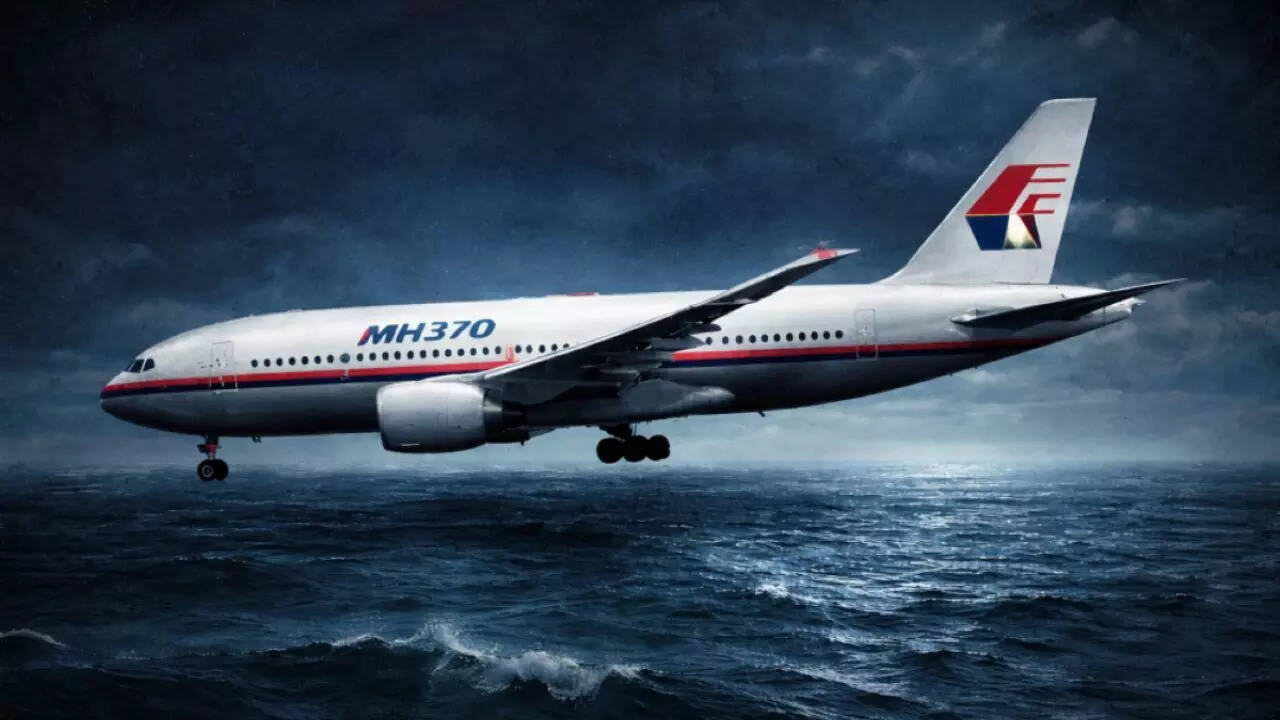
The disappearance of Malaysia Airlines Flight MH370 remains one of aviation’s most profound and heartbreaking enigmas. Ten years have passed since the Boeing 777 vanished with 239 people onboard, yet definitive answers continue to elude the world. Despite extensive and technologically advanced search efforts, the aircraft’s final resting place has never been definitively located.
A recent, highly anticipated search operation, spanning an immense 15,000 square kilometers, has sadly concluded without yielding any new clues. This latest setback deepens the anguish for families and leaves the aviation community once again grappling with an unparalleled mystery.
Latest Search Effort Concludes Without Breakthroughs
The Scope and Scale of the New Initiative
The most recent search for MH370 covered a vast, previously unmapped section of the Indian Ocean seafloor. Commissioned by the Malaysian government, the operation utilized cutting-edge deep-sea exploration technology. Experts had hoped this concentrated effort would finally provide closure to a decade-long international quest.
Specialized survey vessels equipped with sophisticated sonar and autonomous underwater vehicles meticulously scoured the designated area. The ambitious undertaking represented a renewed commitment to solving the perplexing disappearance. Despite the advanced capabilities and dedication, the challenging environment of the deep ocean presented formidable obstacles.
The designated search zone was identified through re-evaluation of satellite data and ocean drift models. This area was considered the most probable resting place for the aircraft, given the available information. International experts collaborated to define the parameters for this crucial new phase of the search.
Advanced Technology Utilized in the Operation
The search employed state-of-the-art Autonomous Underwater Vehicles (AUVs) capable of operating at extreme depths. These robotic explorers systematically mapped the seafloor with high-resolution imagery and sonar data. This technology allowed for unprecedented detail in exploring the rugged underwater topography.
These sophisticated instruments were designed to identify even the smallest anomalies that might indicate aircraft debris. Data analysis teams worked around the clock, processing terabytes of information gathered from the abyssal plains. The technical prowess deployed was at the forefront of maritime exploration, yet it proved insufficient in this case.
The AUVs could operate autonomously for extended periods, covering vast swaths of the ocean floor with precision. Their capabilities significantly surpassed those available during earlier search attempts. However, even with this advanced gear, the vastness of the ocean continued to pose an insurmountable challenge.
The Disappointing Outcome and Its Implications
After months of intensive work, the search concluded with no significant findings relevant to MH370. The Malaysian government confirmed the operation’s end, stating that no new credible evidence was uncovered. This result is a crushing blow to the families of those onboard, who have clung to hope for a decade.
The conclusion of this search leaves the door open for future efforts, but only if new, compelling evidence emerges. Without fresh leads, the prospect of another large-scale operation diminishes significantly. The search’s failure underscores the immense difficulty of locating objects in the vast and unforgiving ocean depths.
This outcome highlights the unique complexity of the MH370 mystery, distinguishing it from almost every other aviation disaster. The lack of a debris field or emergency beacon has defied all conventional search strategies. The profound implications of this ongoing uncertainty continue to ripple through the aviation industry and beyond.
A Decade of Unanswered Questions and Enduring Pain
The Initial Disappearance: A Timeline of Confusion
On March 8, 2014, Malaysia Airlines Flight MH370 departed Kuala Lumpur for Beijing. Shortly after takeoff, it vanished from air traffic control screens over the South China Sea. The initial response was characterized by confusion and a scramble for information across multiple nations.
Military radar data later revealed the aircraft had turned sharply west, re-crossing the Malay Peninsula before heading south into the Indian Ocean. This unexpected deviation sparked immediate and widespread speculation. The absence of distress calls or transponder signals added layers to the growing mystery.
The lack of communication from the flight deck after the transponder was switched off remains one of the most puzzling aspects. This silence has fueled various theories, ranging from technical malfunction to deliberate human intervention. The immediate international cooperation, though extensive, struggled against the unprecedented nature of the disappearance.
Previous Search Operations and Their Findings
The search for MH370 has been the largest and most expensive in aviation history, involving multiple phases. Initial surface searches quickly transitioned to underwater operations focused on vast areas of the southern Indian Ocean. Previous efforts, including those led by the Australian Transport Safety Bureau (ATSB) and private companies like Ocean Infinity, also failed to locate the main wreckage.
Despite these failures, some debris confirmed to be from MH370, such as a flaperon, has washed ashore on various Indian Ocean coastlines. These pieces of wreckage, found thousands of kilometers from the assumed crash site, provided tragic confirmation of the plane’s fate. However, they offered little guidance on the precise location of the fuselage.
These discoveries, while small, provided crucial validation of the plane’s eventual demise in the Indian Ocean. They also spurred intensive oceanographic studies to model drift patterns, attempting to backtrack the debris to its origin. Each fragment, however, only served to deepen the tragic reality without solving the core mystery.
Families’ Unyielding Quest for Truth and Closure
For the families of the 239 passengers and crew, the past decade has been an agonizing ordeal of uncertainty and grief. They have consistently campaigned for renewed search efforts and transparency from authorities. Their determination to find answers has been a constant driving force behind the ongoing pursuit of MH370.
Organizations representing the families continue to advocate for the truth, refusing to let the world forget the lives lost. Their calls for justice and closure resonate globally, emphasizing the human toll of this unprecedented disappearance. The emotional impact of the missing flight continues to be profound and deeply felt.
Their resilience and solidarity in the face of such a prolonged tragedy are truly remarkable. They organize events, engage with media, and lobby governments, ensuring that MH370 remains a priority. The families’ plea for closure transcends national borders and speaks to a universal human need for understanding in the face of loss.
Understanding the Incident: Flight Details and Emerging Theories
Flight Path and Last Known Contact
MH370 was a scheduled international passenger flight from Kuala Lumpur International Airport (KUL) to Beijing Capital International Airport (PEK). It was carrying 12 Malaysian crew members and 227 passengers from 14 different nations, predominantly China. The flight departed at 00:42 MYT (16:42 UTC, 7 March) on Saturday, March 8, 2014.
Air traffic control lost contact with the aircraft approximately 38 minutes after takeoff, while it was over the South China Sea. The transponder, which identifies the aircraft to air traffic controllers, ceased transmitting shortly after this communication. This sudden silence immediately raised alarms and initiated the perplexing sequence of events.
The aircraft’s last verbal communication was a routine “Good night, Malaysian three-seven-zero” from the captain to Vietnamese air traffic control. Soon after, the plane’s tracking systems mysteriously switched off. This precise timing has been a focal point for investigators trying to piece together the flight’s final moments.
Dominant Theories and Speculations Surrounding the Disappearance
Numerous theories have emerged over the years, attempting to explain MH370’s disappearance. The most widely accepted postulates a “ghost flight” scenario, where the plane continued flying on autopilot after a catastrophic event or deliberate action rendered the crew incapacitated or unwilling to communicate. This theory is supported by the satellite “handshake” data.
Other theories include a sudden mechanical failure, fire, or even a hijacking, though no group has ever claimed responsibility. The lack of any distress signal or communication from the cockpit has made it incredibly challenging to ascertain the exact circumstances of the flight’s final hours. Each theory presents its own set of unanswered questions and complexities.
The possibility of a deliberate act by one of the pilots has been extensively explored, particularly due to the specific maneuvers the plane made. However, no conclusive evidence has ever surfaced to support this. Without the flight recorders, investigators are left to rely on circumstantial evidence and complex forensic analysis of limited data.
The Role of Satellite Data Analysis
Crucial to understanding MH370’s final path has been the analysis of “handshake” data from Inmarsat satellites. Although the aircraft’s communication systems were off, its satellite data unit continued to exchange automated “handshakes” with an Inmarsat satellite. These pings, seven in total after the last voice contact, provided a unique and invaluable clue.
Engineers and mathematicians used these timing and frequency shifts to calculate the likely arc where the plane ran out of fuel. This sophisticated analysis narrowed the search area to the southern Indian Ocean, many thousands of kilometers west of Australia. The Inmarsat data has been instrumental, yet also the source of ongoing debate and re-evaluation as latest trends in data analysis evolve.
The science behind translating these faint electronic pulses into a plausible flight path was groundbreaking. It involved complex physics and mathematical modeling, pushing the boundaries of satellite forensics. Despite its sophistication, the inherent uncertainties in such indirect data mean that a precise crash location could not be determined without further evidence.
The Technical Challenges of Deep-Sea Search Operations
Vastness and Hostility of the Southern Indian Ocean
The designated search area in the southern Indian Ocean is one of the most remote and inhospitable regions on Earth. It is characterized by extreme depths, often exceeding 4,000 meters (13,000 feet), with some trenches plunging to over 6,000 meters. The sheer scale of this underwater landscape presents an unparalleled challenge for any search operation.
Furthermore, the ocean floor in this region is incredibly rugged, featuring vast plains, underwater mountain ranges, and deep trenches. This complex topography can hide debris, making detection extremely difficult even with the most advanced sonar systems. Powerful currents and unpredictable weather patterns also hinder sustained operations, adding layers of complexity to an already daunting task.
The remoteness also means that logistical support for search vessels is incredibly challenging and expensive. Supply runs take days, and any technical failures require significant downtime for repairs or replacements. This hostile environment pushes the limits of human endurance and technological capability, making every search mission an arduous undertaking.
Technological Limitations in Extreme Deep-Sea Environments
While deep-sea technology has advanced significantly, operating effectively at such depths still poses considerable limitations. Autonomous Underwater Vehicles (AUVs) and Remotely Operated Vehicles (ROVs) are expensive to deploy and maintain, and their operational speed is inherently slow. Mapping thousands of square kilometers takes an immense amount of time.
Sonar systems, while powerful, have a limited range, meaning the vehicles must systematically traverse the entire search area in a “mowing the lawn” pattern. The resolution required to identify small pieces of debris against a complex seabed further restricts survey speed. Furthermore, interpreting sonar data from such depths, discerning natural formations from potential wreckage, requires highly specialized expertise and remains a complex process.
The pressure at these extreme depths is crushing, requiring highly specialized and robust equipment that can withstand immense forces. Communication with underwater vehicles is also restricted, often relying on acoustic signals that are slow and subject to interference. These combined factors create a challenging bottleneck for rapid and comprehensive underwater exploration.
Impact and Legacy: Aviation Safety and Human Resilience
Reforms in Aviation Safety and Tracking
The disappearance of MH370 has catalyzed significant changes in global aviation safety protocols. The International Civil Aviation Organization (ICAO) has introduced new standards for aircraft tracking, aiming to prevent a similar event from ever happening again. These standards mandate improved real-time tracking capabilities for commercial flights, especially over oceans.
New regulations also call for aircraft to transmit their position every 15 minutes, or every minute if experiencing distress. Efforts are underway to develop “self-reporting” black boxes that could jettison from an aircraft in an emergency and float, transmitting their location. These reforms underscore a global commitment to learning from this tragedy and enhancing passenger safety.
The global aviation community recognized the unacceptable vulnerability exposed by MH370’s disappearance. These proactive measures represent a fundamental shift towards greater transparency and accountability in air travel. The goal is to ensure that no flight ever disappears without a trace again, a direct legacy of the MH370 tragedy.
The Enduring Human Element: Families and Public Engagement
The human story behind MH370 is one of immense tragedy, resilience, and unwavering hope. The families of the victims have become powerful advocates, not only for their loved ones but also for improved aviation safety worldwide. Their collective voice has ensured the mystery remains in the public consciousness, driving calls for continued investigation and transparency.
Public interest in MH370 has remained consistently high, fueled by documentaries, books, and journalistic investigations. The case has deeply resonated with people globally, highlighting the fragility of life and the shared human desire for answers in the face of the inexplicable. This enduring engagement reflects a universal quest for closure and understanding.
The families’ tireless efforts have ensured that the missing flight has not faded from memory. They are a powerful reminder of the individual lives affected by this global mystery. Their resolve for truth and justice stands as a testament to human spirit in the face of profound adversity and enduring uncertainty.
Future Prospects and the Call for New Leads
While the latest search has concluded, the door for finding MH370 is not entirely closed. Any future search operations would likely require the emergence of new, compelling, and credible evidence that could narrow down a potential crash zone. Experts and authorities continue to review existing data and analyze new scientific models for potential breakthroughs.
Technological advancements in deep-sea exploration are constantly evolving, offering a glimmer of hope that future tools might one day unlock the secrets of the ocean floor. Until then, the global community, and especially the families, remain vigilant, holding onto the possibility that MH370 will one day be found, finally bringing an end to this profound aviation mystery.
The Malaysian government has reiterated its commitment to consider any new, credible information that could lead to a breakthrough. This means that while a large-scale search isn’t currently active, the case for MH370 remains open. Hope persists that either new data analysis or unforeseen discoveries might one day resolve this unparalleled aviation enigma.
For more details on the latest search developments, please refer to the Official Source.
Frequently Asked Questions About MH370
1. When did Malaysia Airlines Flight MH370 disappear?
Malaysia Airlines Flight MH370 disappeared on March 8, 2014. The Boeing 777 aircraft was en route from Kuala Lumpur, Malaysia, to Beijing, China, carrying 239 passengers and crew. It lost contact with air traffic control shortly after takeoff and deviated significantly from its planned flight path. The exact time of its final disappearance over the Indian Ocean is estimated based on satellite communication data. This date marked the beginning of one of the most perplexing mysteries in aviation history, leaving families and investigators searching for answers for over a decade.
2. How many people were onboard MH370?
There were a total of 239 people onboard Malaysia Airlines Flight MH370. This included 12 Malaysian crew members and 227 passengers. The passengers represented 14 different nationalities, with the majority being from China. The diverse group of individuals included families, business travelers, and tourists, all of whom vanished without a trace. The human scale of this tragedy has been a driving force behind the sustained efforts to locate the aircraft and provide closure to their loved ones, highlighting the profound impact on a global community.
3. Where was the last known position of MH370?
The last confirmed position of MH370 by air traffic control was over the South China Sea, approximately 38 minutes after takeoff. However, military radar data indicated that the aircraft then turned sharply west, re-crossing the Malay Peninsula before heading south into the Indian Ocean. The final “handshake” communications with an Inmarsat satellite, analyzed by experts, indicated the plane continued flying for several hours along an arc in the southern Indian Ocean, thousands of kilometers west of Australia. This arc represents the most probable area where the plane eventually ran out of fuel and crashed, despite the lack of definitive wreckage.
4. What was the purpose of the latest search operation?
The latest search operation was commissioned by the Malaysian government with the primary purpose of locating the main wreckage of MH370. It was driven by advancements in deep-sea mapping technology and new drift analysis models that offered a refined potential search area. The goal was to systematically scan an additional 15,000 square kilometers of the Indian Ocean seabed, hoping to uncover definitive clues or the aircraft itself. This effort aimed to bring an end to the mystery and provide closure to the grieving families, responding to their persistent calls for continued efforts.
5. What technology was used in the recent search?
The recent search utilized highly advanced deep-sea exploration technology. This included Autonomous Underwater Vehicles (AUVs) equipped with high-resolution side-scan sonar, multi-beam echo sounders, and sub-bottom profilers. These AUVs are capable of operating at extreme depths for extended periods, systematically mapping the ocean floor. They collect detailed data to identify any anomalies that might be indicative of aircraft wreckage. The technology represents the cutting edge of underwater search capabilities, designed to overcome the challenges of the vast and rugged deep-sea environment and provide unparalleled seafloor imagery.
6. Why is it so difficult to find MH370?
Finding MH370 is exceptionally difficult due to several interconnected factors. The primary challenge is the sheer size and depth of the search area in the remote southern Indian Ocean, which is largely unmapped and characterized by rugged underwater terrain. The lack of any distress signal or flight recorder pings further complicates pinpointing a location. Additionally, strong ocean currents have dispersed any floating debris over vast distances, making it challenging to trace back to a definitive crash site. The absence of direct evidence regarding the plane’s final moments also means investigators rely heavily on complex satellite data analysis and theoretical models, which inherently carry margins of error.
7. Has any debris from MH370 been found?
Yes, several pieces of confirmed aircraft debris have washed ashore on various Indian Ocean coastlines, primarily along the eastern coast of Africa and nearby islands. The most significant finding was a flaperon, part of a wing, discovered on Reunion Island in July 2015. Other confirmed parts include a section of an engine cowling, an interior panel, and a stabilizer panel. While these findings tragically confirm the plane’s loss, they have been found thousands of kilometers from the most probable crash zone, making it difficult to use them to pinpoint the main wreckage location. They do, however, provide crucial evidence of the aircraft’s origin and ultimate fate.
8. What are the leading theories about what happened to MH370?
The most widely accepted theory, supported by satellite data, suggests a “ghost flight” scenario where the plane continued flying for hours after communication systems ceased. This could be due to pilot incapacitation, a deliberate act, or a rapid decompression event. Other theories include a catastrophic mechanical failure, a fire onboard, or a hijacking, although no group has ever claimed responsibility. The sudden silence from the cockpit and the deviation from the flight path fuel intense speculation. The lack of concrete evidence means that while the “ghost flight” theory is most prevalent, definitive conclusions remain elusive, adding to the enduring mystery and the pain for families.
9. How has the disappearance of MH370 impacted aviation safety?
The disappearance of MH370 has profoundly impacted global aviation safety. It prompted the International Civil Aviation Organization (ICAO) to introduce new standards for global aircraft tracking, requiring commercial aircraft to report their position every 15 minutes, or every minute if in distress. There have also been calls for enhanced “black box” technology, including jettisonable flight recorders that could float and transmit their location in an emergency. These changes aim to ensure that a large commercial aircraft can never again vanish without a trace, significantly enhancing the safety and traceability of flights, particularly over remote ocean areas and reducing future search complexities.
10. Will the search for MH370 continue?
The latest official search operation has concluded without success, meaning there is no current active large-scale search. However, the Malaysian government has consistently stated that future search efforts would be considered if new, credible, and actionable evidence emerges. This leaves a glimmer of hope for the families and the aviation community. While immediate prospects for another comprehensive search are low without new leads, advancements in technology or fresh analyses of existing data could potentially reignite the search in the future. The enduring mystery ensures that the disappearance of MH370 will continue to be a subject of intense interest and study for years to come, awaiting a breakthrough.
15 SEO Keywords:
MH370, Malaysia Airlines, Flight MH370, missing plane, aviation mystery, deep sea search, Indian Ocean, MH370 search, flight 370, latest MH370 news, MH370 clues, MH370 update, aviation safety, lost plane, MH370 theories
Source: Times of India