




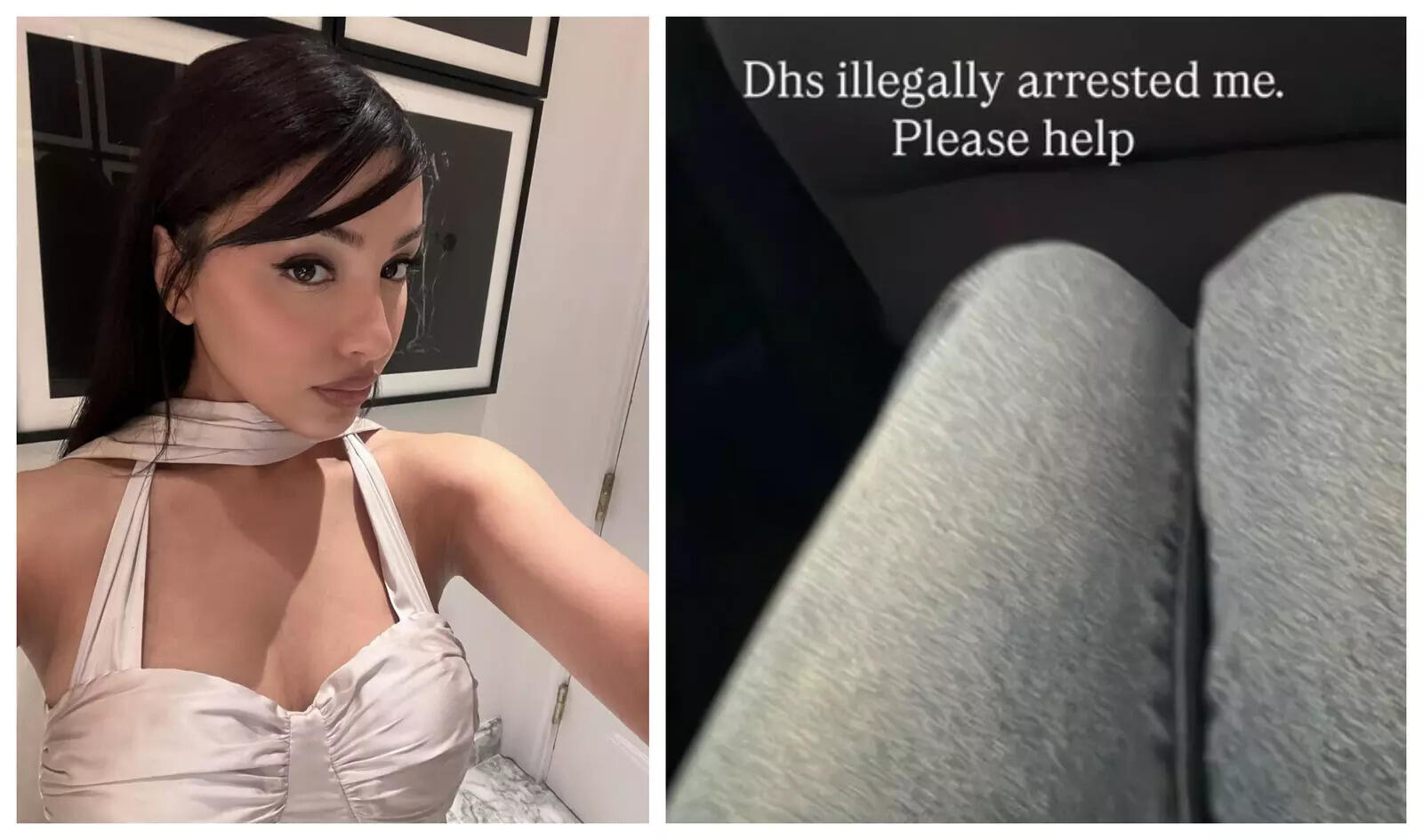
A recent and deeply troubling incident at Columbia University has ignited a firestorm of controversy and concern across academic circles and civil liberties advocacy groups. The arrest of student Ellie Aghayeva by federal agents, under circumstances that include allegations of deceit to gain entry to her dorm, has cast a stark light on the complexities of law enforcement operations within university boundaries.
This event transcends a singular legal case, prompting urgent re-evaluations of student rights, the sanctity of campus environments, and the established protocols governing interactions between federal authorities and educational institutions. The university community, alongside legal experts, is scrutinizing every detail to understand the full implications.
The Arrest That Sparked Outcry and Immediate Reaction
The incident unfolded with alarming swiftness, reportedly in a Columbia University residential building. Eyewitness accounts and subsequent reports detail federal agents’ presence and their alleged approach to apprehend Ellie Aghayeva.
Crucially, a central point of contention revolves around claims that these agents did not accurately identify themselves or their intentions upon seeking entry. This alleged misrepresentation effectively allowed them to bypass standard security measures typically in place for external entities accessing student residences.
Allegations of Deceit and Unlawful Entry
The core of the controversy lies in the assertion that agents presented themselves under false pretenses to secure access to Aghayeva’s living space. Such tactics, if substantiated through investigation, raise profound ethical and legal questions regarding the parameters of law enforcement conduct.
For many, this method of entry is seen as a direct infringement on the privacy and security expectations that students reasonably hold within their campus housing. It challenges the fundamental trust between students and the authorities that operate within or near their academic environment.
A Student’s Desperate Plea: “Please Help”
In the midst of the apprehension, Ellie Aghayeva’s reported cry of “Please help” echoed through the dorm, instantly becoming a poignant symbol of the distress and confusion surrounding the event. This raw, human appeal resonated deeply with her peers and the wider public.
The phrase encapsulated the suddenness and shock of facing federal agents in what should have been a secure and private space. It transformed an abstract legal issue into a tangible story of individual vulnerability against institutional power.
Who is Ellie Aghayeva? A Focus on the Student Impact
Ellie Aghayeva is identified as a Columbia University student, whose academic journey and personal life have been thrust into the national spotlight due to this incident. While specific details about her studies or background are not widely publicized, her status as a student at a prominent institution amplifies the gravity of her situation.
Her case has become a critical touchstone for discussions about how federal actions can abruptly intersect with and disrupt the lives of young individuals pursuing their education. The focus is increasingly on the human cost of such enforcement actions.
The Significance of Campus Residency
Living in a university dorm is often viewed as a semi-private space, a temporary home where students are meant to feel safe and secure. The alleged manner of entry by agents fundamentally challenges this perception of security for all residents.
This situation compels a re-examination of the special status of university housing and the protections afforded to students within those environments. It underscores the unique vulnerability students face when external agencies intervene without clear, transparent protocols.
Legal and Procedural Concerns: The Fourth Amendment in Question
The allegations of agents lying to gain entry directly implicate fundamental constitutional protections, most notably the Fourth Amendment of the U.S. Constitution. This amendment safeguards individuals against unreasonable searches and seizures, requiring probable cause and often a warrant for law enforcement actions.
If agents indeed used deception, it raises serious questions about whether the entry was lawful and whether any subsequent actions, including the arrest itself, can withstand legal scrutiny. A legal entry is typically predicated on consent, a warrant, or exigent circumstances, none of which appear to align with the reported deceptive tactics.
The Role of Consent and Warrants
In many legal contexts, valid consent or a judicial warrant is prerequisite for law enforcement to enter a private residence. The alleged misrepresentation by agents potentially voids any ‘consent’ obtained, making the entry unlawful from a constitutional standpoint.
This distinction is crucial, as evidence obtained through an unlawful entry can often be excluded from legal proceedings, potentially impacting the entire case. The legal challenge will likely hinge on these specific details of entry.
Due Process and Student Rights
Beyond the Fourth Amendment, the incident also brings into focus broader issues of due process. Students, regardless of their background or alleged activities, are entitled to fair treatment and adherence to established legal procedures.
The perception of agents circumventing standard procedures erodes public confidence in the justice system. It emphasizes the need for transparent protocols when federal authority interacts with individuals in sensitive environments like university campuses.
Columbia University’s Stance, Dilemma, and Expected Response
Columbia University now finds itself in a precarious position, grappling with its responsibility to protect its students while navigating interactions with federal law enforcement. The institution is under immense pressure from its community and the public to provide a robust and transparent response.
The university’s leadership must balance supporting its student body, ensuring campus safety, and respecting legal processes. Their actions, or inactions, will significantly influence student trust and the institution’s reputation.
University Protocols and Federal Authority
Most universities have established protocols for external law enforcement agencies seeking to conduct operations on campus, often requiring prior notification or coordination with campus security. These protocols are designed to protect student privacy and maintain an harmonious academic environment.
The alleged circumvention of these established channels by federal agents raises questions about the efficacy of such university policies and the extent of federal authority within private institutional boundaries. This incident might prompt a review of existing memoranda of understanding.
Providing Support to Students
A critical component of the university’s response will involve providing comprehensive support to Ellie Aghayeva and addressing the widespread anxiety among the student body. This includes offering legal resources, mental health counseling, and clear communication channels.
Reassurances from the university leadership about student safety and adherence to due process will be vital in calming fears and reaffirming the institution’s commitment to its students’ welfare.
Student Body Reacts with Unwavering Solidarity and Heightened Fear
The immediate aftermath of Ellie Aghayeva’s arrest saw a powerful outpouring of solidarity from the Columbia student community. Students swiftly mobilized, organizing protests, vigils, and discussions to express their outrage and support.
This collective response highlights a deep-seated concern among students about their fundamental rights and the perceived erosion of safety within their campus haven. The incident has fostered an environment of collective action and advocacy.
The Emotional and Psychological Impact
Beyond legal and political implications, the incident has had a profound emotional and psychological impact on students. Many now express a heightened sense of vulnerability, questioning the security of their dorms and the broader campus environment.
For international students, in particular, the fear is intensified. They often grapple with the complexities of visa regulations and the perception of being under greater scrutiny, making such incidents deeply unsettling and disruptive to their academic focus.
Broader Context: Immigration Enforcement, Campus Sanctuary, and Policy Debates
Ellie Aghayeva’s arrest does not occur in a vacuum. It sits within a larger national conversation about the scope of federal immigration enforcement powers and the historical role of universities as spaces of learning and, at times, sanctuary. The perceived aggressiveness of the agents’ tactics adds another layer to this ongoing debate.
This incident brings into sharp focus the tension between federal agencies seeking to enforce national laws and educational institutions striving to protect their diverse student populations. It revitalizes discussions about “sanctuary campus” policies and the boundaries of federal jurisdiction.
Historical Precedents and Evolving Relationships
Historically, universities have often served as unique zones where academic freedom and student privacy are paramount. While not immune to law, the manner of enforcement on campus has always been a point of careful consideration.
This incident could potentially reshape the understanding and agreements between federal law enforcement and universities, leading to more formal and stringent guidelines for campus access and student interactions. It underscores an evolving, sometimes contentious, relationship.
The National Dialogue on Civil Liberties
The circumstances surrounding Aghayeva’s arrest contribute to a broader national dialogue concerning civil liberties and the limits of state power. It prompts questions about the methods employed by law enforcement across various contexts, not just on campuses.
This widespread discussion can influence public policy, legal interpretations, and the ongoing efforts by advocacy groups to ensure constitutional protections are upheld for all individuals, regardless of their background or student status.
Potential Outcomes and Future Legal and Policy Directions
The legal journey for Ellie Aghayeva is likely to be protracted and complex. Her defense team will undoubtedly challenge the legality of her arrest, centering on the alleged deceptive entry and potential Fourth Amendment violations. The outcome of her case could have far-reaching implications.
A successful legal challenge could set a significant precedent, influencing how federal agents conduct operations on university campuses nationwide. It could redefine the boundaries of acceptable enforcement tactics in academic residential settings.
Advocacy, Legislation, and Institutional Change
Beyond the courtroom, student advocacy groups and civil liberties organizations are poised to continue their fight for transparency and accountability. Their efforts may translate into calls for legislative changes or stronger institutional policies.
Universities might be compelled to develop more robust internal mechanisms to protect students from potentially overzealous or procedurally unsound law enforcement actions. This incident could catalyze widespread policy reforms.
Long-Term Impact on Academic Community Trust
The long-term impact on trust within the academic community cannot be overstated. Students need to feel secure in their living and learning environments, assured that their rights are respected and protected by both the institution and the broader legal system.
Rebuilding this trust will require sustained, visible commitment from university administrations and, ideally, a clear affirmation from federal agencies regarding respectful and lawful engagement with the academic community. This is a critical challenge moving forward.
In today’s interconnected world, staying abreast of such critical developments is essential. For insights into the latest trends shaping campus security, student advocacy, and legal challenges affecting higher education, informed vigilance is key.
The rapid flow of information demands careful analysis of events like this, ensuring that facts are understood and implications are thoroughly explored. The conversation surrounding this incident will continue to evolve.
For additional background and details on the original report regarding this sensitive matter, please refer to the Official Source.
Frequently Asked Questions (FAQs)
1. Who is Ellie Aghayeva and what led to her arrest?
Ellie Aghayeva is a student enrolled at Columbia University who was arrested by federal agents in her university dorm. While the specific charges against her are subject to ongoing legal proceedings and are not widely detailed in public reports, the core controversy stems from allegations that the arresting agents used deceptive tactics to gain entry into her residential building, sparking concerns about legal procedures and student rights.
2. Can you elaborate on the circumstances of the agents’ entry into the dorm?
Reports indicate that federal agents allegedly misrepresented their identities or the purpose of their visit to gain access to the Columbia University dorm. This alleged deception allowed them to bypass standard security protocols that typically regulate external access to student residences. This method of entry is central to the legal and ethical questions surrounding the entire incident.
3. What are the legal implications of agents allegedly “lying” to gain entry?
If agents indeed used deception to enter the dorm, it could have significant legal ramifications, potentially violating Ellie Aghayeva’s Fourth Amendment rights against unreasonable searches and seizures. Such an entry, if deemed unlawful, could lead to the suppression of any evidence obtained during or after the entry, significantly impacting the prosecution’s case. It questions the validity of consent, if any was given under false pretenses.
4. What constitutional rights do students possess when confronted by law enforcement on campus?
Students on university campuses retain full constitutional rights, including the right to remain silent (Fifth Amendment), the right to an attorney (Sixth Amendment), and protection against unreasonable searches and seizures (Fourth Amendment). They are generally not obligated to consent to searches without a warrant and should be advised of their rights immediately by law enforcement. Universities often have guidelines to supplement these rights.
5. How has Columbia University officially responded to this incident, and what actions are they taking?
Columbia University is facing considerable pressure to address the incident transparently and decisively. While specific official statements might vary, the university is expected to conduct an internal review, engage in discussions with the federal agencies involved, reinforce support services for students (including legal aid), and provide clear communication to the campus community regarding student safety and rights. Reaffirming its commitment to student welfare is paramount.
6. What has been the reaction of the Columbia student body and wider academic community?
The student body at Columbia University has reacted with strong solidarity for Ellie Aghayeva, organizing protests, vigils, and demanding accountability. There is a palpable sense of fear and anxiety, particularly among international students, concerning their safety and rights on campus. The wider academic community has also expressed concern, emphasizing the need to uphold civil liberties within educational institutions.
7. What specific concerns does this incident raise for international students in the U.S.?
For international students, the incident raises heightened anxieties about their immigration status, legal vulnerabilities, and the perceived safety of their campus environment. They often navigate complex visa rules and may feel disproportionately targeted or vulnerable to federal enforcement actions. The event underscores the critical need for universities to provide robust support, legal advice, and clear information tailored to international student concerns.
8. Is it common for federal agents to conduct arrests in university dorms, especially with alleged deceptive tactics?
While federal law enforcement may operate on university campuses for various reasons, arrests within student dorms, particularly those involving allegations of deceptive entry, are relatively uncommon and highly controversial. Such incidents invariably draw significant public and legal scrutiny, prompting intense debates over jurisdiction, constitutional rights, and the appropriate conduct of federal agents in academic settings.
9. What legal recourse or avenues are available to Ellie Aghayeva and her legal team?
Ellie Aghayeva’s legal team is likely to pursue several avenues. This includes filing motions to suppress evidence if her Fourth Amendment rights were violated by the alleged unlawful entry. They may also challenge the basis of the charges, contest the procedures of the arrest, and potentially pursue civil litigation for damages if her constitutional rights were indeed infringed upon. The primary goal would be to secure her release and clear her name.
10. What proactive measures can universities take to better protect their students from similar incidents in the future?
Universities can implement stronger, more explicit policies regarding external law enforcement access to campus, potentially requiring memoranda of understanding (MOUs) with federal agencies. They should proactively educate students about their constitutional rights, provide readily accessible legal counseling, enhance campus security training, and establish clear communication protocols for incidents involving external law enforcement. Advocating for student welfare at all levels is crucial.
SEO Keywords
Ellie Aghayeva arrest, Columbia student arrest, Dorm entry agents, Student rights campus, Immigration enforcement university, International student concerns, University security protocols, Campus police federal agents, Due process students, Student visa issues arrest, Columbia University incident, Federal agents dorm, Student advocacy groups, Campus legal support, Student safety campus
Source: Times of India