




Oman’s Exceptionalism
The intricate geopolitical landscape of the Middle East often presents scenarios of escalating conflict and strategic targeting. Amidst these turbulent dynamics, Oman consistently emerges as an outlier, maintaining a unique position of neutrality and diplomatic engagement.
This distinct status became particularly evident when Iran reportedly retaliated against certain Gulf states following perceived US-Israel strikes. Yet, remarkably, Oman remained untouched by these retaliatory actions.
The Foundations of Omani Neutrality
A Deep-Seated Diplomatic Tradition
Oman’s foreign policy has long been characterized by a commitment to non-interference and a proactive approach to mediation. This tradition dates back decades, forming the bedrock of its international relations.
Sultan Qaboos bin Said Al Said, who ruled for nearly five decades, meticulously cultivated this path, establishing Oman as a trusted interlocutor for various global and regional powers.
The Art of Strategic Ambiguity
Muscat often walks a diplomatic tightrope, maintaining cordial relations with all parties, even those in direct opposition to each other. This strategy allows Oman to serve as a vital communication channel.
Such a balanced approach is not about taking sides, but about fostering dialogue and de-escalation, qualities highly valued in a volatile region.
Oman’s Critical Role as a Mediator
Facilitating Dialogue Between Adversaries
Oman has a proven track record of hosting secret talks and mediating complex disputes. It has been instrumental in discussions concerning the Iranian nuclear program, the Yemeni conflict, and other regional issues.
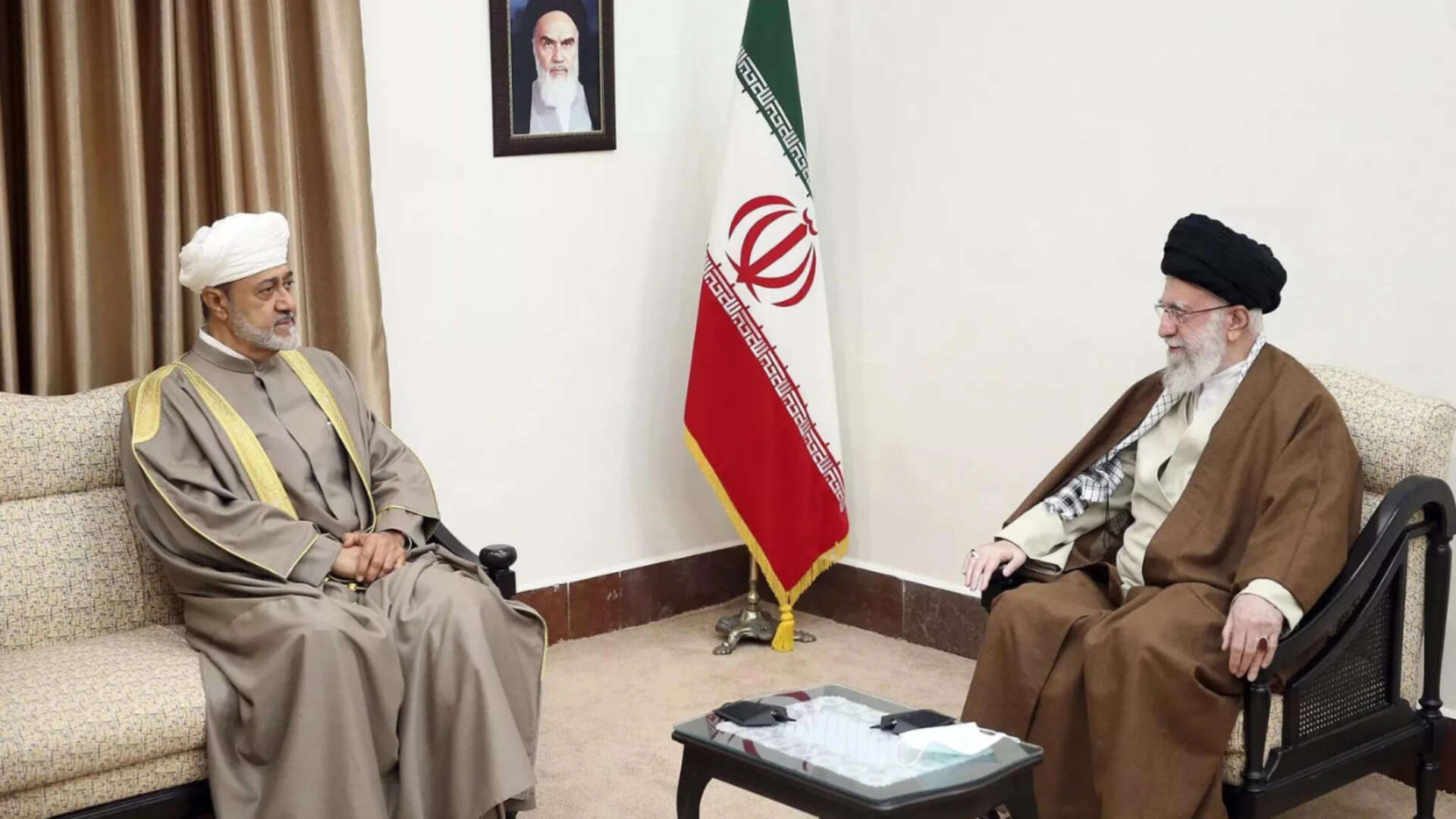
This consistent role as a neutral ground makes it invaluable to nations seeking backchannels, including Iran itself.
Building Trust Through Consistent Policy
The Omani government has consistently demonstrated its commitment to impartiality. This consistency has built a significant reservoir of trust among regional and international actors, including Tehran.
Such trust ensures that Oman is perceived not as a threat, but as a constructive force for stability.
Iran’s Strategic Calculus Regarding Oman
Maintaining a Crucial Communication Channel
For Iran, Oman represents a vital conduit to the Western world and other Gulf states, particularly during periods of high tension. Disrupting this relationship would sever a lifeline for diplomacy.
Targeting Oman would be counterproductive, effectively closing a door that Iran might need open for future negotiations or de-escalation efforts.
Absence of Hostile US Military Presence
Unlike some other Gulf Cooperation Council (GCC) members, Oman does not host major US military bases that are actively involved in operations perceived as hostile by Iran. While the US has access to Omani ports and airfields, this presence is generally not seen as a forward-operating base for aggressive actions against Iran.
This distinction is crucial; Iran’s retaliatory actions often focus on targets directly linked to perceived aggressions or threats.
Avoiding Unnecessary Regional Escalation
Iran, while assertive, often calculates the broader regional implications of its actions. Attacking a neutral mediator like Oman would likely unite a wider array of international actors against Tehran.
Such an act would also undermine Iran’s own diplomatic credibility, something it occasionally leverages through Omani channels.
Oman’s Internal Stability and Foreign Policy Principles
Prioritizing National Sovereignty and Non-Interference
Oman’s internal stability is a testament to its inclusive governance and careful foreign policy. It prioritizes its own sovereignty and avoids entanglement in regional power struggles.
This principle of non-interference further solidifies its neutral image, assuring other nations that Oman does not harbor hostile intentions.
Economic Interdependencies and Regional Cooperation
Oman shares various economic interests with its neighbors, including Iran, especially concerning the Strait of Hormuz. Stability in the region is paramount for its economic well-being.
This mutual reliance encourages restraint and fosters an environment where diplomatic solutions are always preferred over confrontation.
The Broader Geopolitical Context
Navigating US-Israel Dynamics
The referenced US-Israel strikes are part of a complex regional power play involving security interests and geopolitical ambitions. Oman meticulously avoids being drawn into these specific flashpoints.
By not openly aligning with either side, Oman preserves its ability to engage with all, positioning itself as a unique and indispensable entity in the region.
A Model for De-escalation
Oman’s enduring neutrality offers a potential blueprint for other nations seeking to navigate complex rivalries without being consumed by them. Its success demonstrates the tangible benefits of consistent diplomacy.
The international community often looks to Muscat for its ability to quietly facilitate progress where others have failed.
For the latest trends in geopolitical analysis, it’s clear that understanding such nuanced diplomatic strategies is vital. The article from an Official Source further elaborates on these dynamics.
Frequently Asked Questions
1. What is the core principle of Oman’s foreign policy?
Oman’s foreign policy is built upon principles of neutrality, non-interference in the internal affairs of other states, and proactive mediation of disputes. This approach aims to foster regional stability and safeguard Oman’s sovereignty.
2. How long has Oman maintained its neutral stance?
Oman has consistently pursued a policy of neutrality for several decades, a strategy deeply entrenched during the reign of Sultan Qaboos bin Said Al Said. This long-standing commitment has built significant international trust.
3. What specific role does Oman play in regional diplomacy?
Oman serves as a crucial mediator and a neutral ground for dialogue between conflicting parties, including Iran and Western powers. It has hosted secret talks on issues like the Iranian nuclear program and played a role in Yemen peace efforts.
4. Why would Iran choose to spare Oman during retaliatory actions?
Iran spares Oman primarily because it values Oman as a vital diplomatic backchannel and communication conduit. Targeting Oman would sever this important link and could lead to unnecessary regional and international backlash.
5. Does Oman host US military bases that could be perceived as a threat by Iran?
While the US has access agreements for Omani ports and airfields, Oman does not host major, permanent US military bases actively involved in operations perceived as directly hostile to Iran. This distinction is significant in Iran’s strategic calculations.
6. What are the economic ties between Oman and Iran?
Oman and Iran share economic interests, particularly concerning trade and maritime security in the Strait of Hormuz. Both nations benefit from stable regional trade routes, which encourages a policy of mutual respect and non-aggression.
7. How does Oman’s neutrality benefit its internal stability?
Oman’s neutrality allows it to avoid entanglement in external conflicts, dedicating its resources to domestic development and social harmony. This consistent approach contributes significantly to its long-term internal stability and prosperity.
8. Are there any historical precedents for Oman’s diplomatic approach?
Oman has a rich history of maritime trade and diplomacy, often acting as a bridge between different cultures and powers. This historical context underpins its modern foreign policy, emphasizing dialogue over confrontation.
9. What would be the consequences if Iran were to target Oman?
Targeting Oman would likely isolate Iran further on the international stage, drawing widespread condemnation and potentially leading to a broader regional escalation. It would also eliminate a rare and valuable diplomatic channel for Iran.
10. How does Oman’s approach compare to other Gulf states?
Oman’s approach differs significantly from several other Gulf states that have stronger military alliances with Western powers or are more directly involved in regional rivalries. Oman deliberately maintains equidistance, setting it apart as a truly neutral player.
Conclusion
Oman’s consistent policy of neutrality, its established role as a mediator, and its strategic value as a communication channel collectively explain why it remains an exception in a volatile region. This carefully cultivated diplomatic stance ensures its security and enhances its influence.
By prioritizing dialogue and de-escalation over confrontation, Oman has crafted a foreign policy that not only safeguards its national interests but also contributes significantly to regional stability.