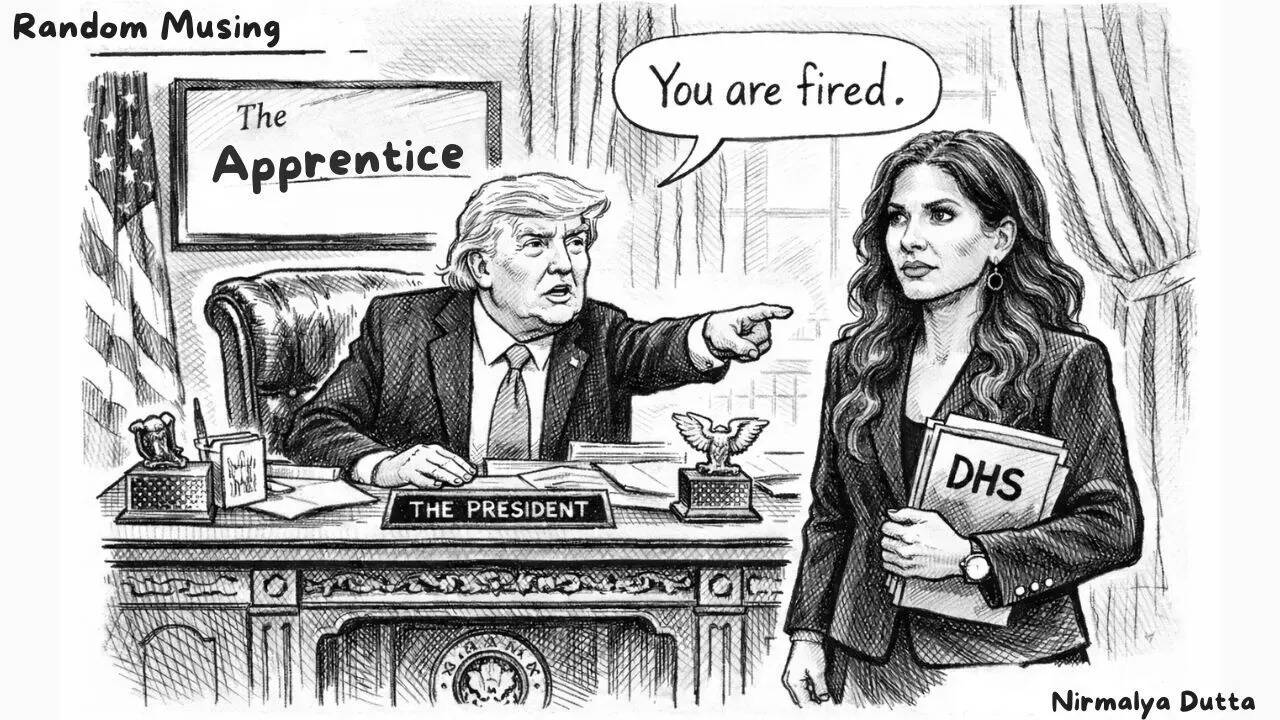


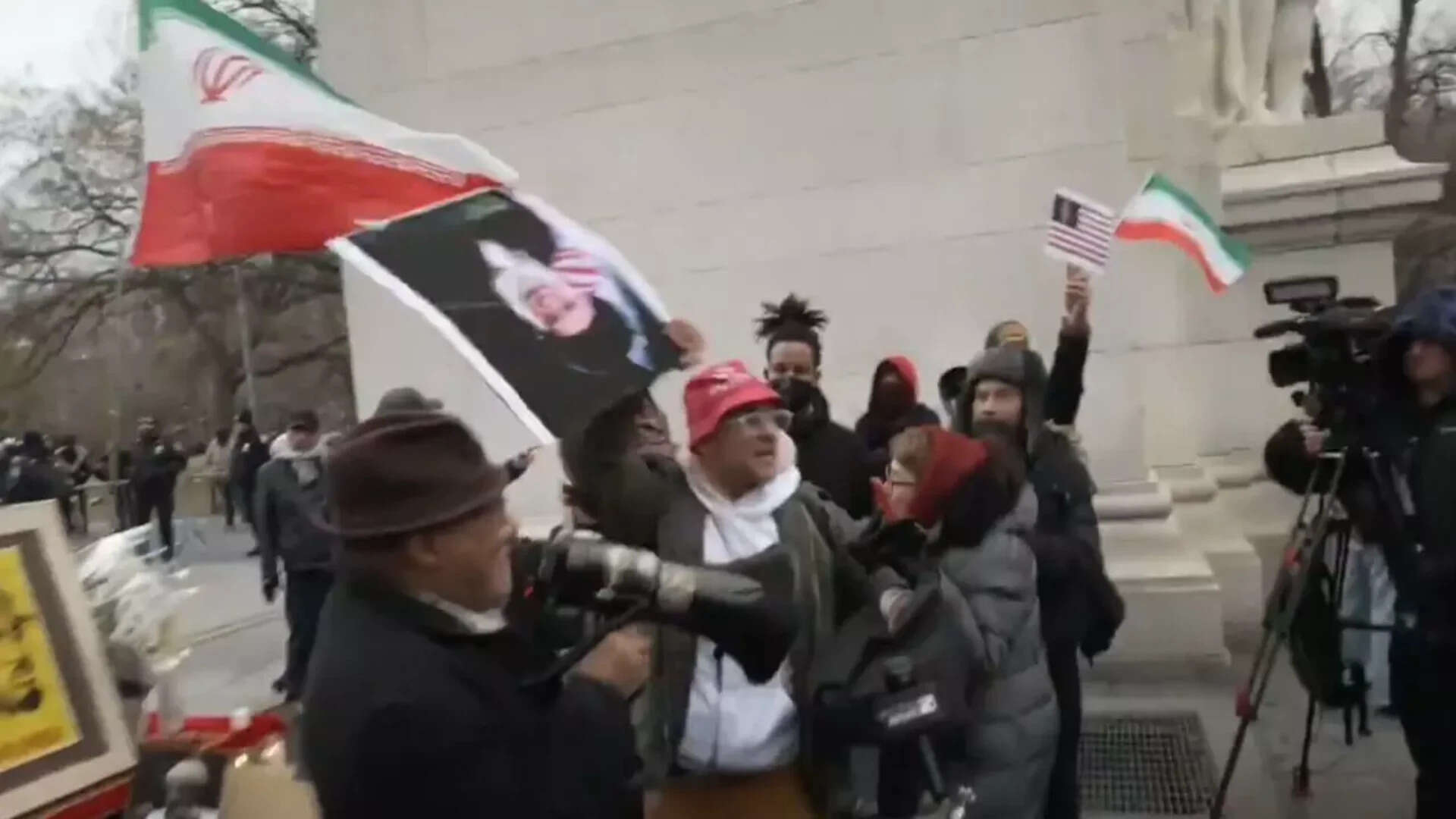
A somber vigil in the heart of New York City recently devolved into a chaotic confrontation, highlighting the deep divisions and intense emotions surrounding geopolitical events. The incident involved an individual tearing down a poster of Iran’s Supreme Leader, Ayatollah Ali Khamenei, leading to an immediate physical assault and subsequent police intervention.
Multiple participants were detained by authorities as the scene escalated, underscoring the volatile nature of public demonstrations when symbols of contentious regimes are involved. This event has sparked widespread discussion about freedom of expression, public safety, and the role of diaspora communities in international activism. For further details on the immediate aftermath, please refer to the Official Source.
The Flashpoint: A Poster, A Protest, A Punch
The incident unfolded during a vigil organized to draw attention to human rights abuses in Iran, a common sight in global cities where Iranian diaspora communities reside. Attendees had gathered, many holding signs and chanting, reflecting their solidarity with movements back home.
Amidst this solemn gathering, a large poster bearing the image of Ayatollah Ali Khamenei was prominently displayed, a clear point of contention for many present. This symbol, revered by some and reviled by others, served as a potent focal point for the day’s events.
The Act of Defiance
Eyewitnesses recounted a pivotal moment when a man, whose identity has not been widely publicized, approached the poster with apparent determination. He was heard exclaiming “Take this down” as he reached for the controversial image.
With a swift motion, the man proceeded to tear down the poster, an act that immediately ignited a furious reaction from a segment of the crowd. The atmosphere of the vigil shifted almost instantly from somber reflection to heated aggression.
Immediate Escalation and Attack
Within moments of the poster being torn, the man was reportedly set upon by several individuals from the crowd. Video footage circulated online depicts a chaotic scene, with punches and shoves directed at the individual.
The attack was swift and intense, drawing gasps and shouts from other attendees who watched the sudden eruption of violence. This quick escalation underscores the deeply held convictions and emotional investment of those present.
Vigil’s Deeper Meaning: A Cry for Justice
The vigil itself was not an isolated event but part of a broader, sustained movement by the Iranian diaspora and international human rights advocates. These gatherings often serve as platforms to mourn victims and demand accountability from the Iranian government.
The presence of Khamenei’s poster at such a vigil is symbolic, often intended by some factions to represent the perceived source of oppression, while for others, it represents leadership and defiance against external pressures.
Symbolism and Provocation
In the context of protests against the Iranian regime, images of its leaders, particularly the Supreme Leader, are often highly charged. Their display can be interpreted as either a statement of allegiance or a deliberate provocation, depending on the audience.
Tearing down such an image, therefore, is not merely an act of vandalism but a powerful symbolic rejection of authority, designed to provoke a reaction. This symbolic act was clearly understood and met with immediate retribution.
The Aftermath: Police Intervention and Detentions
As the altercation spiraled, law enforcement officials quickly moved to intercede, attempting to restore order amidst the chaos. The New York City Police Department was on the scene, responding to reports of a disturbance.
Their swift action led to the detention of multiple individuals involved in the physical confrontation. The exact charges, if any, and the number of those formally arrested were part of ongoing investigations.
Public Reaction and Media Scrutiny
News of the incident rapidly spread across social media platforms, with shared videos sparking intense debate. Public opinion was sharply divided between those who condemned the attack on the individual and those who defended the emotional response to the poster’s desecration.
This incident also prompted discussions on the delicate balance between freedom of speech, the right to protest, and the boundaries of acceptable behavior in public spaces. The incident serves as a stark reminder of how quickly peaceful demonstrations can turn volatile.
Freedom of Expression vs. Public Order
The events in NYC bring into sharp focus the perennial conflict between individual rights to free expression and the need to maintain public order and safety. While tearing down a poster might be considered expressive conduct, physical assault clearly crosses legal lines.
Authorities frequently face the challenge of allowing diverse viewpoints to be expressed while preventing violence and ensuring the safety of all participants and the wider public. This incident will undoubtedly be analyzed within that complex framework.
Legal and Ethical Dilemmas
From a legal standpoint, the act of tearing down a poster could be viewed as property damage, while the subsequent attack constitutes assault. These distinctions are crucial in determining culpability and legal consequences.
Ethically, the incident raises questions about the legitimacy of vigilante justice and the appropriate responses to acts perceived as disrespectful or provocative within a protest setting. Society grapples with these questions constantly.
Global Echoes: Diaspora Activism and Geopolitical Tensions
This incident in New York is not isolated but part of a larger pattern of global activism by the Iranian diaspora. These communities play a crucial role in bringing international attention to internal affairs within Iran.
Their protests often serve as a vital lifeline for dissent within Iran, ensuring that the plight of those facing repression does not go unnoticed on the global stage. These efforts are often driven by deep personal connections and a desire for change.
Connecting Local Incidents to International Narratives
An event like the NYC vigil, though local in its immediate occurrence, resonates with broader international narratives surrounding human rights, democracy, and political dissent. It highlights the interconnectedness of global communities.
Understanding the latest trends in international activism and how local incidents reflect global geopolitical shifts is crucial for informed public discourse. You can explore more about these evolving dynamics here.
Conclusion: A Microcosm of Conflict
The chaotic scene at the New York City vigil serves as a potent microcosm of the intense emotions, deep-seated grievances, and complex challenges inherent in international political activism. It underscores the passion that fuels these movements.
The incident reminds us that while peaceful protest is a cornerstone of democratic societies, the line between passionate expression and outright conflict can be perilously thin. Vigilance and respect for legal boundaries remain paramount for all participants.
Frequently Asked Questions (FAQs)
1. What was the primary purpose of the NYC vigil?
The vigil in New York City was primarily organized by members of the Iranian diaspora and human rights advocates to raise awareness about ongoing human rights abuses in Iran. It also served as a platform to express solidarity with protestors within Iran and to mourn victims of state repression.
Such gatherings aim to keep international attention focused on the situation in Iran and to call for greater accountability from the Iranian government regarding its treatment of its citizens.
2. Who is Ayatollah Ali Khamenei, and why was his poster present?
Ayatollah Ali Khamenei is the current Supreme Leader of Iran, holding ultimate political and religious authority in the country. His poster’s presence at the vigil was highly symbolic.
For some attendees, particularly those supportive of the Iranian government, it represented national sovereignty or leadership. For others, particularly those opposing the current regime, it symbolized the very authority they were protesting against, making it a focal point of contention.
3. What exactly happened to the man who tore down the poster?
The man who tore down the poster of Ayatollah Ali Khamenei was immediately attacked by several individuals present at the vigil. Eyewitness accounts and circulating videos suggest he was subjected to punches and shoves.
This physical altercation quickly escalated the situation, requiring intervention from law enforcement to separate the individuals involved and restore order.
4. Were there any arrests or detentions made following the incident?
Yes, following the outbreak of violence, New York City Police Department officers who were present or quickly arrived on the scene detained multiple individuals. The exact number of those detained and whether formal arrests were made, along with any specific charges, would be subject to ongoing police investigation and official reports.
The detentions were aimed at controlling the situation and investigating the assault that occurred.
5. What were the immediate reactions from eyewitnesses at the scene?
Reactions from eyewitnesses were varied and intense. Many expressed shock and alarm at the sudden escalation of violence, while others voiced strong opinions regarding both the act of tearing down the poster and the subsequent attack.
The immediate atmosphere shifted from a peaceful, albeit passionate, vigil to one of chaos and confrontation, capturing the deeply emotional stakes for those present.
6. How do such incidents relate to freedom of speech and expression in public spaces?
This incident vividly illustrates the complex interplay between freedom of speech and expression, and the limits imposed by public order and safety. While individuals generally have the right to express political views, even provocative ones, acts that incite violence or cause property damage can cross legal boundaries.
The tearing down of the poster could be seen as an act of political expression, but the subsequent physical assault against the individual is a clear violation of public safety laws, sparking debate on where the line should be drawn in contentious public gatherings.
7. What is the significance of the “watch video” aspect mentioned in the original reports?
The mention of “watch video” highlights the pervasive role of citizen journalism and social media in documenting and disseminating real-time events. Video footage often provides crucial evidence of what transpired, capturing the raw intensity of such incidents.
These videos not only inform the public but can also be vital for police investigations and shape public perception and media narratives about the event, allowing for widespread sharing and discussion.
8. How has the Iranian diaspora reacted globally to events within Iran, and what role do they play?
The Iranian diaspora globally has been highly active in responding to events within Iran, particularly regarding human rights issues and political unrest. They organize protests, vigils, and advocacy campaigns in various cities worldwide, serving as a powerful voice for those facing repression inside Iran.
Their role is crucial in maintaining international awareness, pressuring governments to take action, and providing support to opposition movements and human rights organizations, thereby influencing global discourse on Iran.
9. What are the potential legal implications of tearing down a poster in a public protest?
Tearing down a poster, even in a public protest, can have legal implications. Depending on local laws and the ownership of the poster, it could be considered an act of property damage or vandalism. If the poster was on private property or if its destruction led to broader public disorder, the charges could be more severe.
While often seen as a symbolic act, it can lead to legal repercussions, especially when coupled with the chaotic aftermath witnessed in this NYC incident.
10. How does this event reflect broader geopolitical tensions involving Iran?
This incident is a microcosm of the broader geopolitical tensions surrounding Iran, particularly the deep polarization between those who support the current regime and those who advocate for fundamental change. The emotions displayed at the vigil reflect the international impact of Iran’s domestic policies and its standing on the world stage.
Events like this in international capitals underscore how domestic Iranian issues resonate globally, sparking strong reactions among diaspora communities and international observers, thereby keeping these complex geopolitical issues in the public eye.
SEO Keywords:
NYC vigil, Khamenei poster, Iran protest, New York incident, public order, freedom of speech, political activism, diaspora protests, Middle East politics, human rights, protest violence, detained individuals, Mahsa Amini, global solidarity, street confrontation
Source: Times of India