




The global landscape often presents unforeseen challenges, especially for international travelers and residents. Embassy closures and travel restrictions, often stemming from geopolitical events or public health crises, can create immense anxiety for those holding a US visa nearing its expiration.
Understanding your options and taking proactive steps is crucial to maintaining your legal status in the United States. This comprehensive guide will illuminate the pathways available and the critical advice you need during these uncertain times.
Understanding the Current Landscape
The Impact of Global Events
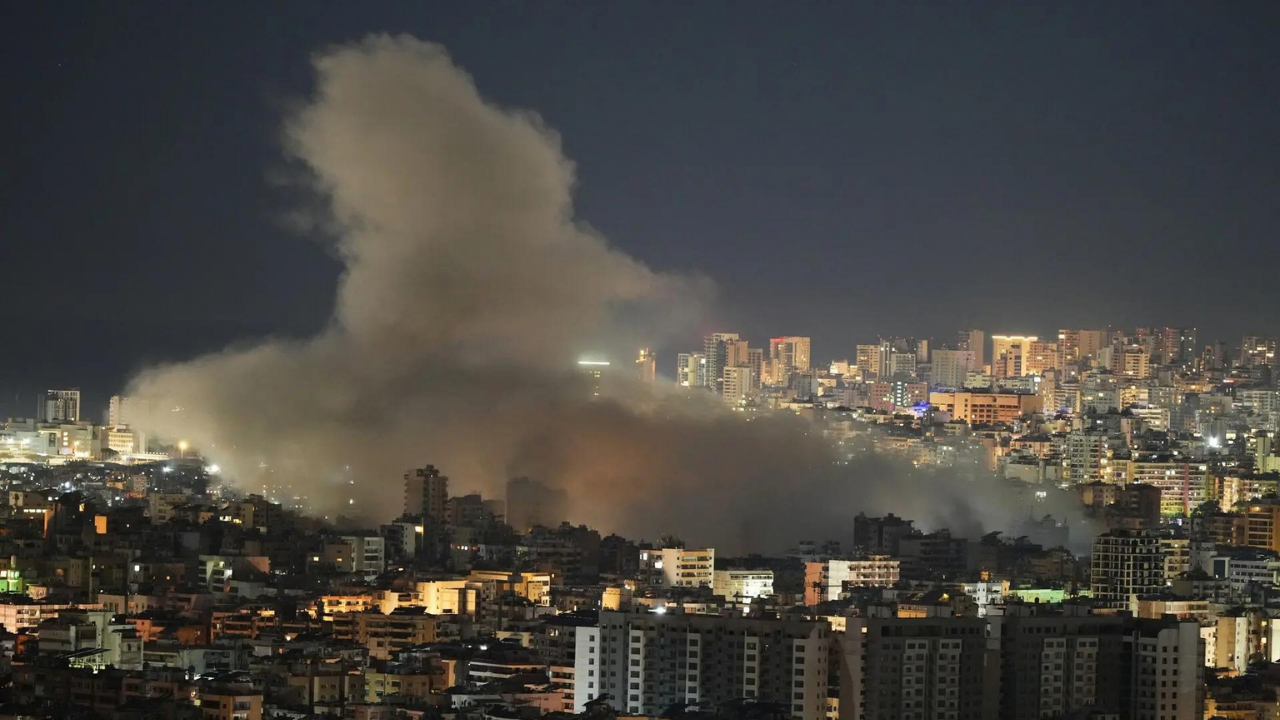
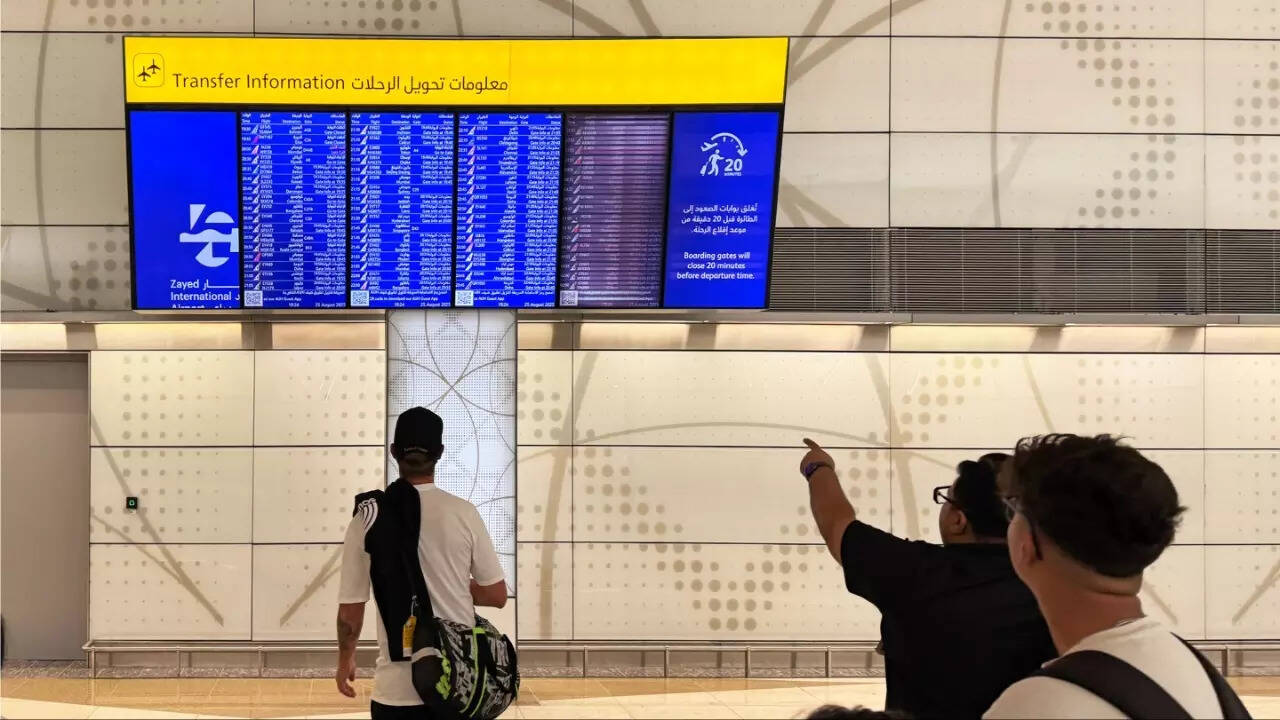
Recent years have demonstrated how quickly international operations can be affected. Whether due to regional conflicts, natural disasters, or pandemics, the closure of consular services directly impacts visa processing and travel plans.
These disruptions can lead to significant backlogs, extended processing times, and a general state of uncertainty for applicants worldwide. It’s essential to acknowledge these external pressures on the immigration system.
Why Embassies Close or Restrict Services
Embassy and consulate operations are directly tied to the safety and security of their personnel and applicants. Political instability, security threats, or public health emergencies can necessitate temporary or even prolonged shutdowns.
Such closures mean that routine visa interviews, stamping, and other essential services are suspended. This directly impacts individuals needing to renew their visas or obtain new ones to enter or remain in the US.
Crucial First Steps
Assess Your Current Status
The very first action you must take is to accurately assess your current immigration status and the validity period of your visa and I-94 record. The I-94 record, which dictates your authorized period of stay, is paramount; your visa expiration date is only relevant for entry into the US.
Visit the CBP website to retrieve your electronic I-94 record and understand your precise authorized stay. This document is the legal determinant of how long you can remain in the US.
Gather Essential Documentation
Regardless of your next steps, having all your immigration documents readily accessible is vital. This includes your passport, current visa, I-94 record, I-20 (for students), DS-2019 (for exchange visitors), I-797 approval notices, and any previous application filings.
Organize these documents meticulously, as they will be required for any application for extension, change of status, or legal consultation. Lack of proper documentation can delay or jeopardize your case.
Options for Those Already in the US
Extending Your Stay (EOS)
If you are currently in the United States on a non-immigrant visa, you might be eligible to apply for an extension of stay. This applies to categories such as B-1/B-2 visitors, F-1 students seeking to continue studies, or H-1B workers whose petition needs extension.
The application for extension of stay (Form I-539 for most non-immigrants, or Form I-129 for H-1B, L-1, O-1, etc.) must be filed with USCIS before your current I-94 expires. Timely filing is critical, as it allows you to remain lawfully in the US while your application is pending, a concept known as “period of authorized stay.”
Changing Your Non-Immigrant Status (COS)
Another viable option, if you qualify, is to change your non-immigrant status. For example, a B-2 visitor might apply to change to an F-1 student status, or an F-1 student might transition to an H-1B worker status.
Similar to an extension of stay, the application for change of status (Form I-539 or Form I-129) must be filed before your I-94 expiration. This allows you to legally stay in the US while USCIS processes your request.
Exploring Adjustment of Status (AOS)
For individuals who have an immediate relative (US citizen spouse, parent, or child over 21) or an approved employment-based immigrant petition with a current priority date, adjustment of status might be an option. This allows you to apply for a Green Card without leaving the US.
Filing an I-485 application for adjustment of status provides an authorized period of stay while the application is pending, and can lead to obtaining an Employment Authorization Document (EAD) and Advance Parole (AP).
The Importance of Timely Filing
Filing your application (I-539, I-129, or I-485) before your current authorized stay expires is paramount. This prevents you from accruing unlawful presence, which can lead to bars on future US entries.
Even if USCIS processes your application after your I-94 has technically expired, the “period of authorized stay” ensures you remain legal. However, if you file late, even by one day, you could be considered out of status from your I-94 expiration date.
For Those Outside the US or Requiring Re-Entry
Monitoring Embassy and Consulate Operations
If your US visa is expiring while you are outside the US, or if you plan to travel internationally and need to re-enter, closely monitor the operational status of the US embassy or consulate in your home country or desired processing location. Websites often provide real-time updates on closures, appointment availability, and processing times.
To stay informed about the latest trends in immigration policy and global travel advisories, visit our partners at wertrending.com for up-to-the-minute information.
Seeking Emergency Appointments
In cases of genuine emergency (e.g., critical medical need, death of an immediate family member in the US), you might be eligible for an expedited visa appointment. Each embassy has specific criteria for what constitutes an emergency.
You will need to provide compelling evidence to support your emergency appointment request. Check the specific embassy’s website for their precise procedures and required documentation.
Considering Third-Country Processing
While generally not recommended due to complexities and risks, some individuals might consider applying for a US visa in a third country if their home country’s embassy is closed. This option is fraught with potential pitfalls, including varying processing times, security concerns, and the risk of administrative processing delays.
It’s crucial to consult an experienced immigration attorney before pursuing third-country processing. They can advise on the feasibility and potential risks specific to your nationality and visa type.
Navigating Travel Restrictions
Understanding National Interest Exceptions (NIEs)
During periods of severe travel restrictions, the US government may issue National Interest Exceptions (NIEs) for certain categories of travelers. These exceptions allow individuals to enter the US even if they are subject to a travel ban, provided their entry is deemed to be in the national interest.
The criteria for NIEs can change frequently and are usually very specific. Common categories include critical infrastructure workers, academics, journalists, and those providing vital support to the US economy or national security. Always check the latest guidance from the Department of State.
Postponing Travel and Its Implications
If your visa is expiring and you are currently abroad, but your need to travel to the US is not urgent, postponing your trip might be the safest course of action. Re-entering the US on an expired visa is not possible unless specifically authorized.
A new visa application will likely be required, subject to current embassy operations and processing times. Factor in potential delays when planning your return.
Legal Guidance is Paramount
Why Consult an Immigration Attorney
The complexities of US immigration law, especially amidst global disruptions, necessitate professional legal advice. An experienced immigration attorney can assess your unique situation, advise on the best course of action, and help prepare and file necessary applications.
They can help you understand the nuances of extensions, change of status, and address any potential issues like unlawful presence. Immigration experts widely advise against inaction, as highlighted by an Official Source.
Avoiding Scams and Misinformation
Unfortunately, periods of uncertainty often give rise to fraudulent schemes and widespread misinformation. Be wary of individuals or organizations promising guaranteed results or demanding exorbitant fees for simple services.
Always verify information with official government sources (USCIS, CBP, Department of State) or a reputable immigration attorney. Protect yourself by only relying on credible, up-to-date guidance.
Frequently Asked Questions
Q1: My visa expired, but I couldn’t leave the US due to travel restrictions and embassy closures. What should I do?
If your I-94 authorized stay has expired and you did not file for an extension or change of status, you are accruing unlawful presence. It is critical to consult an immigration attorney immediately to explore any potential remedies, such as humanitarian reinstatement or other extraordinary relief. While the Department of Homeland Security has historically offered some flexibility during extreme circumstances like global pandemics, this is not a guaranteed universal grace period. Proactive action is always better than reacting after overstaying, which can lead to future bars from re-entry to the US. Your attorney can assess if you have any valid basis to mitigate the unlawful presence.
Q2: Can I apply for a new visa from inside the US if my current one is expiring?
No, you cannot apply for a “new visa” (meaning a new visa stamp in your passport) from within the United States. Visa stamps are issued by US embassies and consulates abroad for the purpose of entry to the US. What you can apply for from inside the US is an extension of your current authorized stay (Form I-539/I-129) or a change of your non-immigrant status (Form I-539/I-129). If your goal is to obtain a new visa stamp, you will eventually need to depart the US and apply at a consulate abroad when they resume normal operations.
Q3: What if my home country’s US embassy is closed indefinitely?
If your home country’s US embassy is closed indefinitely, your options become more constrained. If you are already in the US, your focus should be on maintaining lawful status through extensions or change of status applications with USCIS. If you are outside the US, you may need to monitor the situation closely for any announcements on alternative processing locations or humanitarian exemptions. In some rare cases, and with significant risk, some individuals explore third-country processing, but this should only be done with explicit legal advice due to potential complications and risks of prolonged delays or denial. The Department of State usually provides updates on specific embassy closures and alternative arrangements.
Q4: Is there a grace period for overstaying due to circumstances beyond my control?
Generally, US immigration law does not provide a universal grace period for overstaying due to circumstances beyond your control, unless specific provisions are announced by USCIS or CBP. The 60-day grace period for certain non-immigrant visas (like H-1B or L-1) applies to employment termination, not I-94 expiration. If you are unable to depart due to travel restrictions, and your I-94 is expiring, you must proactively file for an extension of stay or change of status if eligible. Failing to do so, even if you couldn’t leave, constitutes unlawful presence, which carries serious consequences for future US immigration benefits. Always seek legal counsel to understand specific exemptions that might apply.
Q5: Can I travel to a third country to get my visa stamped?
Yes, in some situations, individuals can apply for a US visa in a third country (a country that is not their country of citizenship or permanent residence). This is known as third-country national (TCN) processing. However, it comes with significant risks. Many consulates prioritize their own citizens and residents, and you might face longer wait times or increased scrutiny. If your application requires “administrative processing,” you could be stranded in the third country for an extended period. Furthermore, some visa types have restrictions on where they can be processed. This option should only be considered after a thorough consultation with an immigration attorney who can assess the specific embassy policies and your personal circumstances.
Q6: What documents do I need for an extension of stay (EOS) application?
The required documents for an Extension of Stay (EOS) application vary depending on your specific visa category. However, common documents include a copy of your passport biographic page, your current US visa, your I-94 arrival/departure record, any previous I-797 approval notices, and a detailed letter explaining the reasons for your extension request. For certain visa types like H-1B, L-1, or O-1, extensive employer documentation, new petitions, and supporting evidence of continued eligibility are required. For B-1/B-2 visitors, proof of funds, ties to your home country, and a clear itinerary are essential. Always check the USCIS website for the most up-to-date form instructions and required evidence for your specific visa type.
Q7: How long does an extension of stay or change of status application take?
Processing times for Extension of Stay (EOS) and Change of Status (COS) applications can vary significantly, ranging from a few months to over a year. These times depend on the specific USCIS service center processing your application, the complexity of your case, and the volume of applications USCIS is currently handling. You can check the estimated processing times on the USCIS website by selecting your form number and the relevant service center. It’s crucial to file well in advance of your I-94 expiration, as you are generally authorized to remain in the US while a timely-filed application is pending. Premium processing is available for some employment-based petitions (Form I-129) for an additional fee, expediting processing to 15 calendar days.
Q8: What if my application for extension or change of status is denied?
If your application for extension of stay or change of status is denied, your legal authorized stay in the US ends on the date of the denial, or on the date your I-94 expired, whichever is earlier. You generally have a very limited time (often immediately) to depart the US to avoid accruing unlawful presence. In some cases, you might be able to file a motion to reconsider or reopen the decision, but this typically does not extend your authorized stay. Immediate consultation with an immigration attorney is essential to understand your options, which might include an expedited departure or, in rare instances, challenging the denial. Overstaying after a denial can lead to significant bars on future re-entry.
Q9: Can I work while my extension of stay or change of status application is pending?
This depends entirely on your specific visa type and the nature of your application. If you have a timely-filed extension of an employment-authorized status (like H-1B), you are typically allowed to continue working for up to 240 days or until a decision is made, whichever comes first, under the same employer and conditions. However, if you are changing status (e.g., from B-2 to F-1), you generally cannot begin the activities of the new status (like studying or working) until the change of status is officially approved. Always consult with an immigration attorney to ensure you understand your specific work authorization limitations while an application is pending, as unauthorized employment has severe immigration consequences.
Q10: What is humanitarian parole, and could it apply to my situation?
Humanitarian parole is a discretionary immigration remedy that allows an individual, who may be inadmissible or ineligible for a visa, to temporarily enter or remain in the United States for urgent humanitarian reasons or for significant public benefit. It is granted on a case-by-case basis and is extremely difficult to obtain. Situations involving severe medical emergencies, imminent threats to life, or critical family reunification where other immigration avenues are unavailable might be considered. While embassy closures or travel restrictions could be part of the context, the core reason for humanitarian parole must be compelling human suffering or a clear public benefit. You must apply for it (Form I-131) and provide substantial evidence. It is not a general solution for visa expiration issues.
The complexities surrounding US visa expiration, especially during periods of global upheaval, require diligent attention and informed decision-making. By understanding your options, taking timely action, and seeking expert legal advice, you can navigate these challenges effectively and protect your immigration status.
Remember, inaction is often the riskiest choice. Stay informed, stay prepared, and secure your future.
SEO Keywords:
US visa expiration, embassy closures, travel restrictions, US immigration, visa extension, change of status, I-94, unlawful presence, immigration attorney, H-1B, F-1 visa, B-2 visa, adjustment of status, humanitarian parole, emergency visa appointment, national interest exception, immigration legal advice, USCIS, consular processing, visa overstay.
Source: Times of India