
< !DOCTYPE html>
In a world increasingly shaped by complex geopolitical tensions, discussions often turn to hypothetical scenarios and their profound implications. One such scenario, frequently deliberated in strategic circles, involves potential escalations in the Middle East.
This article explores the theoretical ramifications should a significant geopolitical event, such as a large-scale conflict involving major regional and global powers, come to pass. Specifically, we delve into the potential for Saudi Arabia’s capital, Riyadh, to emerge as a critical hub for high-net-worth individuals seeking refuge.
The Shifting Sands of Geopolitics: A Hypothetical Context
The Middle East remains a crucible of international relations, where historical grievances intertwine with contemporary power struggles. The possibility of military confrontations involving key regional players, and potentially global powers, is a recurring theme in strategic analyses.
Such hypothetical scenarios underscore the fragility of peace and the rapid shifts that can occur in regional dynamics. These discussions are often driven by intelligence assessments, geopolitical forecasts, and historical precedents of conflict in volatile areas.
Examining Potential Triggers and Escalations
While specific triggers for a hypothetical major conflict remain speculative, historical patterns suggest a range of catalysts. These could include naval incidents, cyberattacks, proxy confrontations escalating beyond control, or direct military engagements.
The intricate network of alliances and rivalries in the region means that any significant incident could quickly draw in multiple actors. This potential for rapid escalation is a constant concern for international observers and regional governments alike.
Understanding these intricate dynamics is crucial for grasping the broader context of regional stability. Analysts consistently monitor every development, searching for indicators that might point towards either de-escalation or further tensions.
Should tensions escalate into outright conflict, the ripple effects would be felt globally. Energy markets, international trade routes, and diplomatic relations would all face unprecedented challenges.
Riyadh’s Emergence as a Sanctuary: Factors and Considerations
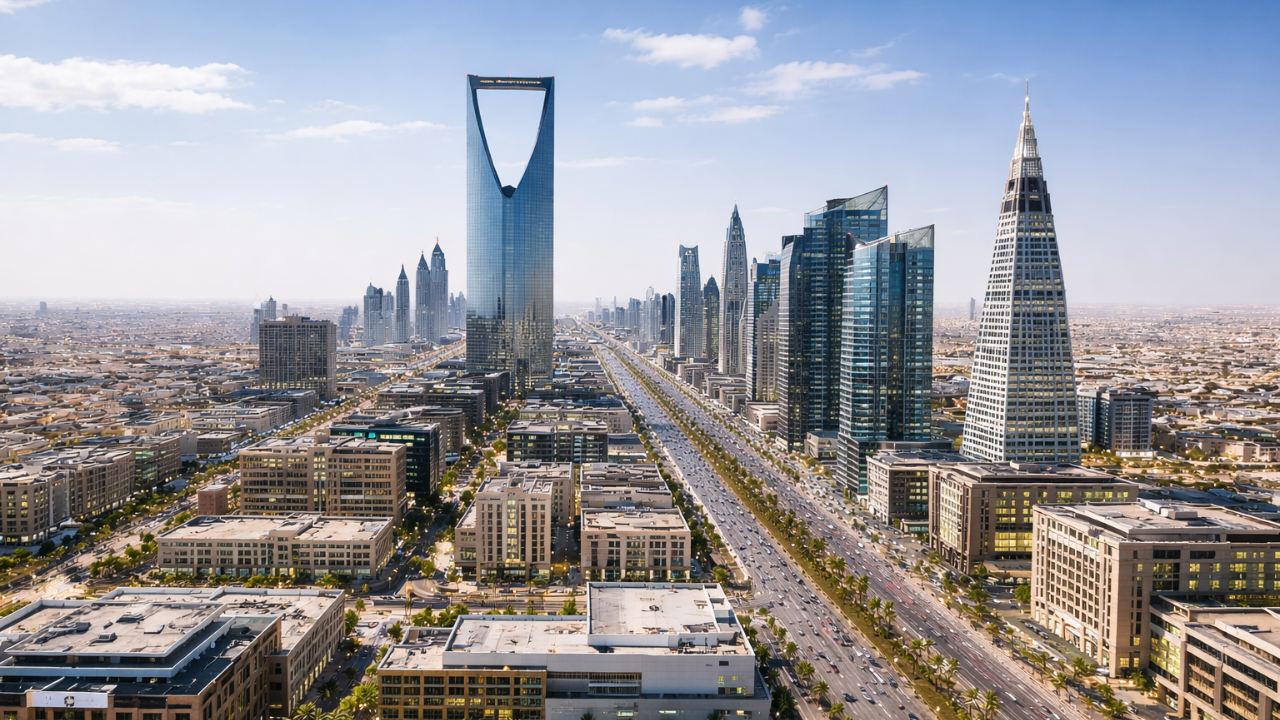
Saudi Arabia, particularly its capital Riyadh, holds a unique position in the Middle East. Its relative stability, robust infrastructure, and economic power make it a plausible candidate for a safe haven in times of regional turmoil.
The Kingdom has invested heavily in modernizing its cities, developing world-class amenities, and strengthening its security apparatus. These factors contribute to its potential appeal during periods of widespread uncertainty.
Strategic Location and Infrastructure Advantages
Riyadh’s geographical distance from potential flashpoints in other parts of the region offers a strategic advantage. It is not directly on the shores of critical waterways that might become immediate conflict zones.
Furthermore, the city boasts modern airports, well-maintained road networks, and advanced communication systems. These infrastructural elements are vital for facilitating swift and secure movement of people and resources.
The city’s urban development has focused on creating self-sufficient communities, equipped with essential services and robust security. This thoughtful planning enhances its capacity to accommodate an influx of residents, even under unusual circumstances.
Moreover, Saudi Arabia’s diplomatic posture, often leaning towards mediation and de-escalation, could be perceived as an additional layer of safety. This makes Riyadh an attractive destination for those seeking stability amidst regional strife.
Economic Stability and Financial Hub Status
As the economic powerhouse of the region, Saudi Arabia offers unparalleled financial stability. Its strong currency, vast oil reserves, and ambitious economic diversification plans provide a sense of security for high-net-worth individuals.
Riyadh is increasingly positioning itself as a global financial center, attracting international investments and businesses. This robust economic environment would naturally appeal to those looking to protect their assets and ensure continued financial operations.
The presence of major international banks and financial institutions further solidifies Riyadh’s role as a potential economic anchor. Wealthy individuals often seek locations where their financial interests can be safeguarded and managed effectively.
In a crisis, the ability to access sophisticated financial services and maintain economic continuity becomes paramount. Riyadh’s existing infrastructure in this domain makes it uniquely suited to serve such needs.
The Dynamics of Wealthy Evacuations
Evacuations of high-net-worth individuals differ significantly from general population movements. These individuals typically possess the means to access specialized logistics, private travel, and premium accommodation.
Their decisions are often driven by a combination of personal safety, asset protection, and the desire to maintain their standard of living. Such evacuations are often meticulously planned and executed with discretion.
Logistical Preparedness for Elite Movements
For wealthy individuals, evacuation plans often involve private jets, luxury vehicles, and dedicated security teams. Riyadh’s infrastructure can comfortably accommodate such high-end logistical requirements, including private airport terminals and secure residential compounds.
The city’s capacity to handle increased private air traffic and provide secure ground transportation would be a key factor. Discretion and efficiency are paramount in these operations.
Many wealthy families maintain contingency plans for various global crises, often including established contacts in safe havens. Riyadh’s growing international profile means it likely features in such preparatory strategies.
The availability of high-end medical facilities, international schools, and luxury services further enhances its appeal. These amenities are crucial for maintaining a sense of normalcy during displacement.
Security and Privacy Concerns
Security is a primary concern for high-net-worth individuals, especially during times of crisis. Riyadh’s strong security apparatus and low crime rates offer a reassuring environment.
The emphasis on privacy and discreet services in Saudi Arabia aligns well with the expectations of this demographic. They seek environments where their presence can be managed without undue public attention.
Government initiatives to enhance national security contribute to an overall safe atmosphere. This makes the capital an even more attractive destination for those prioritizing personal safety above all else.
The regulatory framework for foreign residents and investors also plays a role, offering clarity and protection for their interests. This legal stability is a significant draw during periods of global uncertainty.
Broader Regional and International Implications
Should a conflict of the speculated magnitude occur, its impact would reverberate far beyond the immediate region. Global markets, energy supplies, and international diplomacy would all face immense pressure.
The role of a stable hub like Riyadh would become even more critical, not just for individuals, but potentially for international organizations and diplomatic efforts as well.
Economic Ripple Effects on Global Markets
A major conflict in the Middle East would undoubtedly send shockwaves through global energy markets. Oil and gas prices would likely surge, impacting economies worldwide and fueling inflation.
Supply chains could be severely disrupted, affecting various industries from manufacturing to consumer goods. The interconnectedness of the global economy means no nation would be entirely immune.
Investor confidence would plummet, leading to significant volatility in stock markets and a flight to safe-haven assets. This economic instability could trigger recessions in vulnerable economies.
The long-term economic consequences could involve widespread re-evaluation of global trade routes and energy sourcing strategies, accelerating shifts already underway.
Diplomatic Challenges and International Response
Such a scenario would present an unprecedented diplomatic challenge for the international community. Urgent efforts would be needed to de-escalate the conflict, protect civilians, and prevent further regional destabilization.
The United Nations, along with major global powers, would be tasked with coordinating a response, which would likely involve complex negotiations and potential humanitarian interventions.
Regional alliances could be tested, and new alignments might emerge as nations seek to protect their interests. The intricate web of diplomatic relationships would face immense strain.
International aid organizations would also gear up for a significant humanitarian response, preparing for potential mass displacement and urgent assistance requirements across the affected zones.
For those interested in understanding the current global landscape and its rapid transformations, monitoring latest trends offers valuable insights. Geopolitical developments are constantly evolving, and staying informed is more important than ever.
For further discussions on this specific topic, readers might seek out more information from various news sources. This article’s premise is derived from a similar discussion in media, which may be referenced by an Official Source, though we note that the specific link provided for this article was not found at the time of writing, suggesting it may be a future-dated or hypothetical report. Our discussion proceeds on the basis of the scenario outlined in the topic.
Conclusion: Preparing for Uncertain Futures
While the scenario of a US-Israel attack on Iran remains hypothetical, the contemplation of its consequences is a crucial exercise in strategic planning. Riyadh’s potential role as an evacuation hub highlights its growing regional importance and resilience.
The implications of such an event would be far-reaching, affecting not just regional stability but global economic and diplomatic landscapes. Vigilance, foresight, and robust contingency planning are essential in navigating these uncertain times.
Frequently Asked Questions (FAQs)
1. What is the premise of this article regarding a potential conflict?
This article explores a hypothetical scenario involving a potential major geopolitical conflict in the Middle East, specifically discussing the theoretical implications of a US-Israel attack on Iran. It examines how such an event could reshape regional dynamics and lead to unforeseen consequences.
2. Why might Riyadh become an evacuation hub for wealthy individuals?
Riyadh’s strategic location, modern infrastructure, and robust economic stability make it a plausible safe haven. Its distance from potential immediate conflict zones, advanced transport networks, strong security, and status as a financial hub are all attractive factors for high-net-worth individuals seeking safety and continuity.
3. How do wealthy evacuations differ from general population evacuations?
Wealthy evacuations typically involve access to private logistics, such as private jets and dedicated security teams, and focus on maintaining a high standard of living, protecting assets, and ensuring privacy. They often have pre-arranged plans and resources to facilitate quick and discreet movements.
4. What are the potential economic impacts of such a hypothetical conflict?
A major conflict in the Middle East would likely lead to severe disruptions in global energy markets, causing oil and gas prices to surge. It would also impact international trade routes, supply chains, and investor confidence, potentially triggering global economic instability and recessions.
5. What role would international diplomacy play in this scenario?
International diplomacy would face immense challenges, with global powers and organizations like the UN working to de-escalate the conflict, protect civilians, and prevent further regional destabilization. Complex negotiations and potential humanitarian interventions would be high priorities.
6. What infrastructure does Riyadh offer that makes it suitable for an influx of individuals?
Riyadh offers modern airports, extensive road networks, advanced communication systems, world-class medical facilities, international schools, and luxury accommodations. Its urban planning also emphasizes secure and self-sufficient communities, enhancing its capacity to host new residents.
7. How would Saudi Arabia’s security environment contribute to its appeal?
Saudi Arabia maintains a strong security apparatus and experiences low crime rates, providing a reassuring environment. The government’s continuous efforts to enhance national security and a focus on discreet services are key factors for individuals prioritizing personal safety and privacy.
8. Could this scenario affect regional alliances?
Absolutely. A major conflict could severely test existing regional alliances and potentially lead to the formation of new geopolitical alignments. Nations would re-evaluate their strategies and partnerships to protect their national interests and ensure stability.
9. Is there an “Official Source” confirming this specific scenario?
This article operates on the premise of a hypothetical scenario as outlined in the topic. While a link to an “Official Source” was provided by the user, we note that the specific article linked was not found at the time of writing, suggesting it may be a future-dated or speculative report. Our discussion therefore focuses on the theoretical implications of the outlined scenario.
10. What are the long-term societal implications of such a conflict?
The long-term societal implications could include mass displacement, significant humanitarian crises, and widespread social disruption in affected areas. Even in stable regions like Riyadh, there could be societal adjustments to accommodate new populations and changing regional dynamics, although framed within a hypothetical context.
SEO Keywords
Geopolitical Conflict, US-Israel Iran, Riyadh Evacuation Hub, Wealthy Individuals, Saudi Capital, Middle East Stability, Regional Tensions, Global Economic Impact, International Diplomacy, Crisis Management, Safe Haven, Luxury Relocation, Strategic Foresight, Energy Markets, Future Scenarios
Source: Times of India