


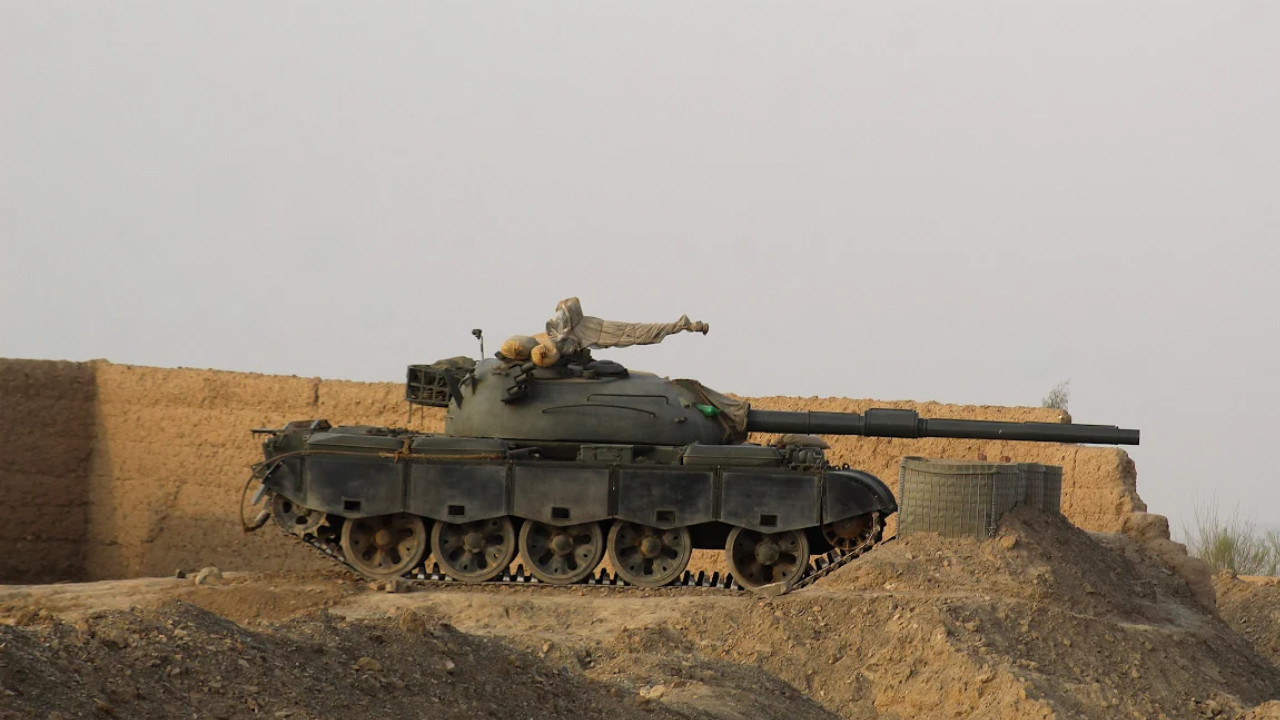
Kabul’s Drone Strikes Escalate Border Tensions with Pakistan: Islamabad Claims No Casualties
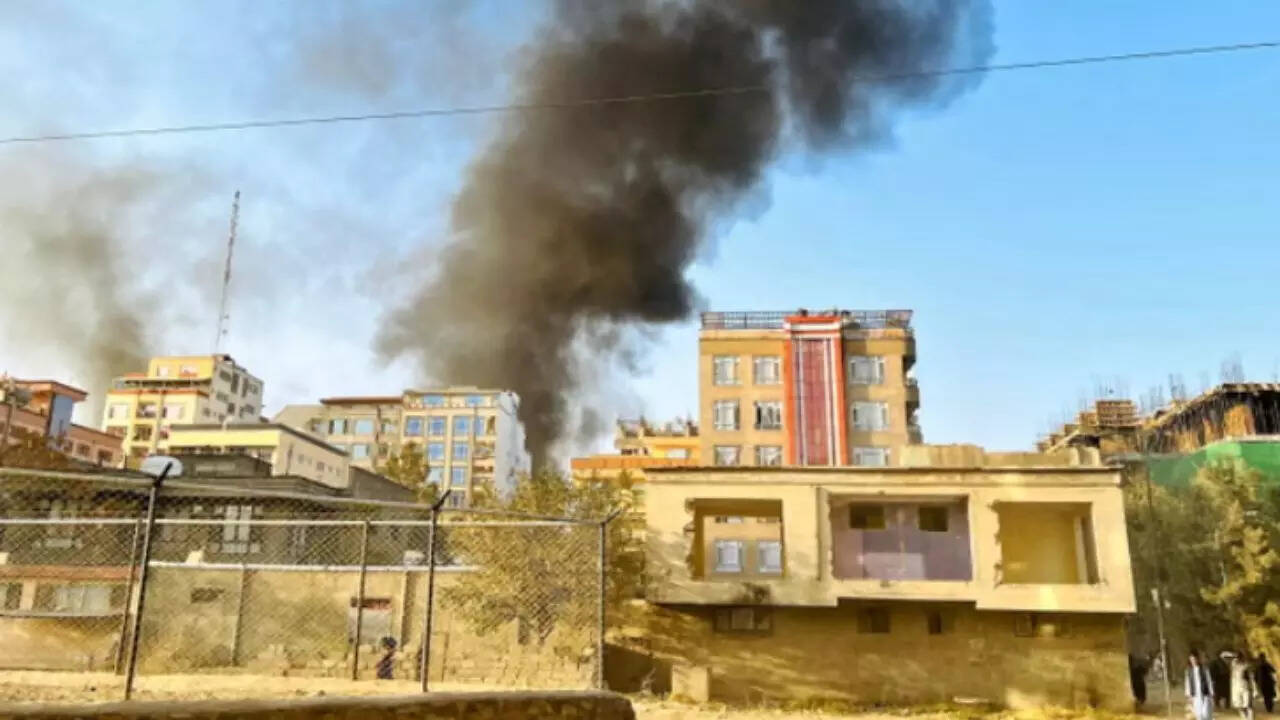
A dangerous new chapter in the volatile relationship between Pakistan and Afghanistan has unfolded, with Kabul reportedly launching drone strikes into Pakistani territory. This brazen move, confirmed on February 27, 2026, by reports from Kabul, has ignited fresh fears of a wider regional conflict. Islamabad, however, has swiftly moved to downplay the severity of the attacks, asserting that its forces detected the incursions but no casualties were reported. The conflicting narratives highlight the deep mistrust and escalating tensions along one of the world’s most contentious borders.
A Flare-Up on a Fraying Frontier: Understanding the Latest Confrontation
The long and complex border shared by Pakistan and Afghanistan has historically been a flashpoint for disputes, cross-border skirmishes, and accusations of sheltering militant groups. The latest incident, involving the use of unmanned aerial vehicles (UAVs) by the Afghan interim government, marks a significant and concerning escalation. While specific targets and the extent of the strikes remain contested, the very act of a sovereign nation employing drones against a neighboring state, irrespective of the outcome, signals a dangerous shift in the dynamics of this enduring rivalry. The world watches anxiously as both nations navigate this perilous phase, with regional stability hanging precariously in the balance.
Historical Context: A Legacy of Mistrust and Border Disputes
The Durand Line, an arbitrarily drawn 2,640-kilometer border established by the British in 1893, has been a source of contention since its inception. Afghanistan has never formally recognized it, leading to persistent territorial disputes and a deeply ingrained sense of historical grievance. This geopolitical fault line has been exacerbated by decades of conflict, proxy wars, and the ebb and flow of extremist ideologies. Pakistan has consistently accused Afghanistan of harboring anti-Pakistan militant groups, particularly the Tehrik-i-Taliban Pakistan (TTP), which regularly launches attacks from Afghan soil. Conversely, Kabul accuses Islamabad of interfering in its internal affairs and supporting various factions over the years. The return of the Taliban to power in Afghanistan in 2021 was initially hoped by some to bring stability but has instead seen a resurgence of cross-border militancy, further straining an already fragile relationship.
Timeline of Escalation: From Rhetoric to Drone Strikes
The events leading up to the drone strikes on February 27, 2026, are part of a broader pattern of deteriorating relations:
- **Early 2025:** A significant increase in cross-border militant attacks originating from Afghanistan into Pakistan, attributed largely to the TTP and its affiliates.
- **Mid-2025:** Pakistan intensifies its calls for the Afghan interim government to take decisive action against militants operating from its territory, issuing stern warnings and diplomatic démarches.
- **Late 2025:** Several border skirmishes reported, involving exchanges of fire between Pakistani border forces and elements purportedly from the Afghan side. Casualties reported on both sides in various localized incidents.
- **January 2026:** High-level diplomatic exchanges fail to de-escalate tensions, with both nations reiterating their firm stances and accusations. Pakistan reportedly increases its border surveillance and aerial patrols.
- **February 26, 2026:** Unconfirmed reports circulate of a particularly severe militant attack inside Pakistan, allegedly planned from across the border, intensifying pressure on Islamabad to respond.
- **February 27, 2026, Morning:** Afghan authorities, citing unspecified national security imperatives, reportedly authorize the use of drones against perceived militant hideouts near the border.
- **February 27, 2026, Afternoon (PST):** News breaks that Kabul has launched drone strikes into Pakistani territory.
- **February 27, 2026, Evening (PST):** Islamabad issues an official statement acknowledging the incursions but adamantly denying any casualties or significant damage, while condemning the act as a violation of its sovereignty.
Analyzing the Impact: Regional Stability, Policy Implications, and Expert Perspectives
The drone strikes represent a significant gamble by Kabul, potentially altering the geopolitical landscape of South Asia. The immediate implications are multifaceted, touching upon regional security, international relations, and internal policy frameworks.
Policy and Market Implications: A Precarious Balance
The direct policy implications for both nations are profound. For Pakistan, the incident underscores the challenge of securing its western border and the growing frustration with the Afghan interim government’s perceived inaction against militants. This could lead to a reassessment of its border management strategies, potentially involving more aggressive interdiction policies or even limited cross-border operations in the future, if the drone strikes are deemed insufficient to deter further aggression. Domestically, there will be pressure on Islamabad to demonstrate strength and protect its citizens, especially in border regions.
For Afghanistan, this move could be seen as an attempt to project strength and assert its sovereignty, perhaps even a response to internal pressure regarding Pakistan’s repeated accusations. However, it also risks international condemnation and could further isolate a regime already struggling for legitimacy on the global stage.
From a market perspective, sustained instability in this strategically important region could deter foreign investment, particularly in infrastructure and energy projects. The proposed Turkmenistan-Afghanistan-Pakistan-India (TAPI) pipeline, for instance, relies heavily on regional stability for its viability. Escalated tensions could also impact trade routes connecting Central Asia to South Asia, disrupting supply chains and increasing costs for goods moving through the region. Commodity markets, especially for oil and gas, could see minor fluctuations if the conflict threatens major transport arteries or regional production, though the direct impact is likely to be localized unless the conflict broadens significantly.
Expert Analysis: A Dangerous Precedent
Security analysts view Kabul’s drone strikes as a deeply concerning precedent. “This is a dangerous escalation that moves beyond traditional border skirmishes,” states Dr. Arifa Iqbal, a geopolitical expert specializing in South Asian security. “The use of drones by Afghanistan, regardless of their efficacy in this specific instance, signals a willingness to employ more sophisticated, albeit controversial, military means. It puts Pakistan in a difficult position, as a direct military response could be seen as an overreaction, yet inaction could be perceived as weakness.”
The conflicting claims regarding casualties are also crucial. Islamabad’s swift denial of casualties aims to control the narrative, prevent panic, and potentially avoid being pressured into a retaliatory strike. “By claiming no casualties, Pakistan seeks to de-escalate the immediate situation while condemning the aggression,” notes retired General Tariq Khan. “However, the underlying message is clear: such incursions will not be tolerated, and Pakistan reserves the right to respond appropriately in the future.” The drone strikes also highlight the evolving nature of warfare and the proliferation of advanced military technology, even to non-state or semi-recognized actors.
Comparative Statements on the Incident
| Aspect | Kabul’s Stance (as reported) | Islamabad’s Stance | Implications |
|---|---|---|---|
| **Action Taken** | Launched drone strikes into Pakistani territory. | Detected drone incursions into its airspace. | Confirmation of strikes, but differing emphasis. |
| **Justification** | Targeting militant hideouts/threats to national security. | Unprovoked violation of sovereign airspace. | Kabul: Defensive; Islamabad: Aggressive. |
| **Casualties/Damage** | Implied effectiveness against targets. | Categorically denied any casualties or significant damage. | Islamabad seeking to de-escalate and control narrative. |
| **Sovereignty** | Exercise of national security prerogatives. | Clear violation of national sovereignty and international law. | Fundamental disagreement on legitimacy of action. |
Summary of Key Information
| Event Details | Description |
|---|---|
| **Date of Strikes** | February 27, 2026 |
| **Attacker** | Afghan Interim Government (Kabul) |
| **Targeted Territory** | Inside Pakistani borders (specific locations not fully disclosed) |
| **Method** | Drone Strikes |
| **Islamabad’s Claim** | No casualties reported; incursions detected and condemned. |
| **Primary Underlying Issue** | Cross-border militant activity, border disputes. |
Future Outlook: A Path Fraught with Peril
The immediate future for Pakistan-Afghanistan relations appears bleak, marked by increased mistrust and the potential for further military confrontations. The international community, particularly regional powers like China and Iran, will likely be compelled to step up their diplomatic efforts to prevent a wider conflict. The UN Security Council might also be called upon to address the escalating situation, urging restraint and dialogue.
Both nations are at a critical juncture. Pakistan faces the challenge of securing its borders without resorting to actions that could further destabilize an already volatile region. Afghanistan, on the other hand, must weigh its security concerns against the imperative of gaining international legitimacy and avoiding actions that could alienate potential allies or exacerbate its own internal challenges. The path forward demands shrewd diplomacy, a commitment to de-escalation, and a genuine effort to address the root causes of the conflict, particularly the issue of militant safe havens. Without these, the border region risks becoming an even more dangerous theater of conflict.
Frequently Asked Questions (FAQs)
- **What exactly happened on February 27, 2026?**
On February 27, 2026, the Afghan interim government reportedly launched drone strikes into Pakistani territory, prompting a strong condemnation from Islamabad which, however, claimed no casualties. - **Why did Kabul launch drone strikes into Pakistan?**
Kabul’s stated or implied reason for the drone strikes is typically to target militant hideouts or individuals it perceives as threats to its national security, often in response to cross-border attacks. - **What was Pakistan’s official response to the drone strikes?**
Pakistan officially acknowledged the drone incursions into its airspace but denied any casualties or significant damage, while vehemently condemning the act as a violation of its sovereignty. - **Has Afghanistan used drone technology in attacks before?**
The use of drones by the Afghan interim government in cross-border operations, particularly against Pakistan, marks a significant escalation and is a relatively new development in their ongoing disputes. - **How is the international community reacting to this escalation?**
International reactions are expected to include calls for de-escalation, dialogue, and respect for territorial integrity from various global powers and organizations, expressing concern over regional stability. - **What are the potential consequences of these drone strikes?**
Potential consequences include further deterioration of Pakistan-Afghanistan relations, increased border militarization, risk of retaliatory actions, and broader regional instability, impacting trade and security. - **What is the historical basis for the Pakistan-Afghanistan border dispute?**
The dispute largely stems from Afghanistan’s non-recognition of the Durand Line, a colonial-era border, leading to long-standing territorial and ethnic grievances. - **Will this incident impact the fight against militant groups like the TTP?**
This incident could complicate efforts to combat militant groups, potentially creating new fronts or diverting resources, rather than fostering cooperation against shared threats. - **What role can diplomacy play in resolving this crisis?**
Diplomacy is crucial for de-escalation, requiring both sides to engage in dialogue, potentially with international mediation, to address grievances and find peaceful resolutions to border security issues. - **What is the long-term outlook for Pakistan-Afghanistan relations after this event?**
The long-term outlook remains challenging, with deeply entrenched mistrust and security concerns. A sustained effort towards dialogue, mutual respect, and addressing root causes is essential for any prospect of improvement.
A Call for Restraint Amidst Rising Tensions
The drone strikes launched by Kabul into Pakistan represent a dangerous new peak in the already fraught relationship between the two nations. While Islamabad’s claims of no casualties offer a slim window for de-escalation, the fundamental issues of border security, cross-border militancy, and sovereignty remain unresolved and intensified. The international community must impress upon both Pakistan and the Afghan interim government the critical need for restraint and a return to diplomatic engagement. Without a concerted effort to address the deep-seated mistrust and the persistent threat of extremist groups, this region, already a crucible of geopolitical tension, risks plunging into further instability, with devastating consequences for its people and the wider world. The path to peace is arduous, but the alternative is simply too perilous to contemplate.
Relevant Internal Links:
Pakistan’s Evolving Border Security Challenges
The Regional Impact of Taliban Rule in Afghanistan
Geopolitical Tensions and Stability in South Asia
External Authority Links:
Council on Foreign Relations: Afghanistan
Reuters: Asia Pacific News
#PakistanAfghanistanConflict #DroneStrikes #BorderTensions #SouthAsia #Geopolitics