



Judge Restricts Immigration Agents’ Actions Toward Minnesota Protesters
A recent court ruling has sent shockwaves throughout the nation, as a judge has restricted the actions of immigration agents toward protesters in Minnesota. This decision has sparked a heated debate about the balance between public safety and the right to free speech. In this article, we will delve into the details of the ruling, its historical context, and the potential implications for the future.
Background of the Case
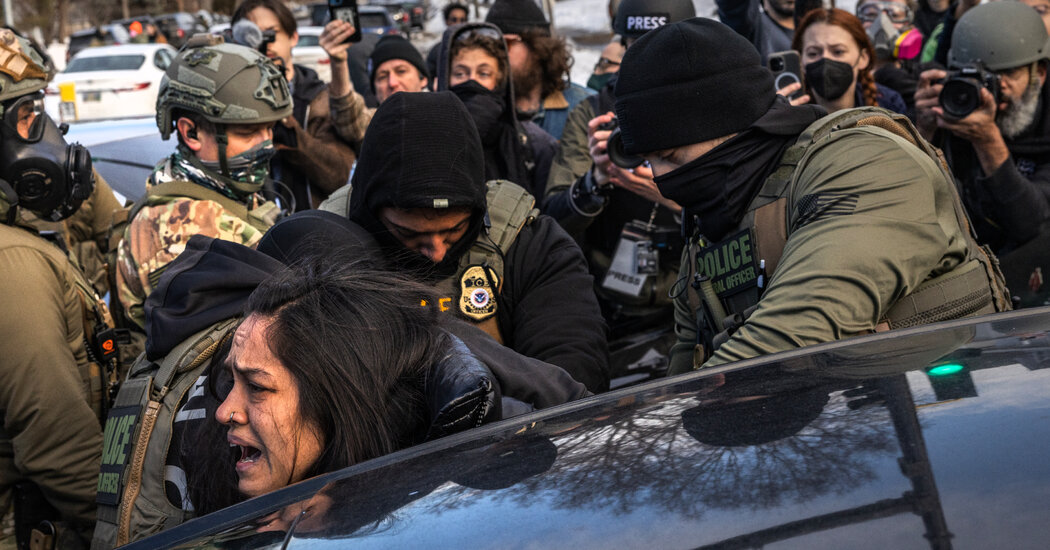
The case in question involves a group of protesters who were demonstrating against immigration policies in Minnesota. Immigration agents from the U.S. Immigration and Customs Enforcement (ICE) and U.S. Customs and Border Protection (CBP) were present at the protest, and some protesters alleged that the agents were intimidating and harassing them. The protesters claimed that the agents were taking photos and videos of them, and in some cases, even made arrests.
According to Reuters, the protesters argued that the actions of the immigration agents were unconstitutional and infringed upon their right to free speech. The judge ultimately ruled in favor of the protesters, restricting the actions of the immigration agents and prohibiting them from taking photos or videos of protesters without a legitimate law enforcement purpose.
Historical Context
The issue of immigration and protest has been a contentious one in the United States for decades. The history of immigration in the United States is complex and multifaceted, with many different groups and communities having been affected by immigration policies over the years. The current debate over immigration is highly polarized, with some arguing that stricter immigration laws are needed to protect national security and others arguing that such laws are discriminatory and unjust.
For more information on this topic, visit our Trending News section. You can also check out our Latest Updates for the latest developments in this story.
Implications of the Ruling
The ruling has significant implications for both immigration agents and protesters. For immigration agents, the ruling limits their ability to gather intelligence and monitor protests. For protesters, the ruling provides an added layer of protection and reassurance that their rights will be respected.
However, the ruling also raises questions about the balance between public safety and the right to free speech. Some argue that the ruling will embolden protesters and make it more difficult for law enforcement to maintain order. Others argue that the ruling is a necessary check on the power of immigration agents and will help to prevent abuses of authority.
For a more in-depth analysis of the implications of the ruling, check out this article from The New York Times.
Table of Facts
| Fact | Description |
|---|---|
| Case Background | The case involves a group of protesters who were demonstrating against immigration policies in Minnesota. |
| Plaintiffs’ Claims | The protesters claimed that immigration agents were intimidating and harassing them, and that their actions were unconstitutional. |
| Court Ruling | The judge ruled in favor of the protesters, restricting the actions of immigration agents and prohibiting them from taking photos or videos of protesters without a legitimate law enforcement purpose. |
| Implications | The ruling has significant implications for both immigration agents and protesters, and raises questions about the balance between public safety and the right to free speech. |
Future Implications
The ruling is likely to have far-reaching implications for the future of immigration policy and protest in the United States. As the debate over immigration continues to evolve, it is likely that we will see more court cases and challenges to the authority of immigration agents.
For the latest updates on this story and other trending news, visit our home page. You can also follow us on social media to stay up-to-date on the latest developments.
Conclusion
In conclusion, the recent court ruling restricting the actions of immigration agents toward protesters in Minnesota is a significant development in the ongoing debate over immigration policy and protest. The ruling has important implications for both immigration agents and protesters, and raises questions about the balance between public safety and the right to free speech.
As the debate continues to evolve, it is likely that we will see more court cases and challenges to the authority of immigration agents. For more information on this topic and other trending news, visit our Immigration News section.
Frequently Asked Questions
Here are some frequently asked questions about the recent court ruling:
- Q: What was the court ruling about? A: The court ruling restricted the actions of immigration agents toward protesters in Minnesota, prohibiting them from taking photos or videos of protesters without a legitimate law enforcement purpose.
- Q: Why did the protesters bring the case to court? A: The protesters brought the case to court because they alleged that the actions of the immigration agents were unconstitutional and infringed upon their right to free speech.
- Q: What are the implications of the ruling for immigration agents? A: The ruling limits the ability of immigration agents to gather intelligence and monitor protests, and raises questions about the balance between public safety and the right to free speech.
- Q: What are the implications of the ruling for protesters? A: The ruling provides an added layer of protection and reassurance that the rights of protesters will be respected, and may embolden protesters to exercise their right to free speech.
- Q: How will the ruling affect the debate over immigration policy? A: The ruling is likely to have far-reaching implications for the future of immigration policy and protest in the United States, and may lead to more court cases and challenges to the authority of immigration agents.
Tags: immigration news, trending news, latest updates, protest, free speech, public safety, immigration policy, immigration agents, court ruling, Minnesota, ICE, CBP, Reuters, The New York Times, Wikipedia
Source: The New York Times