





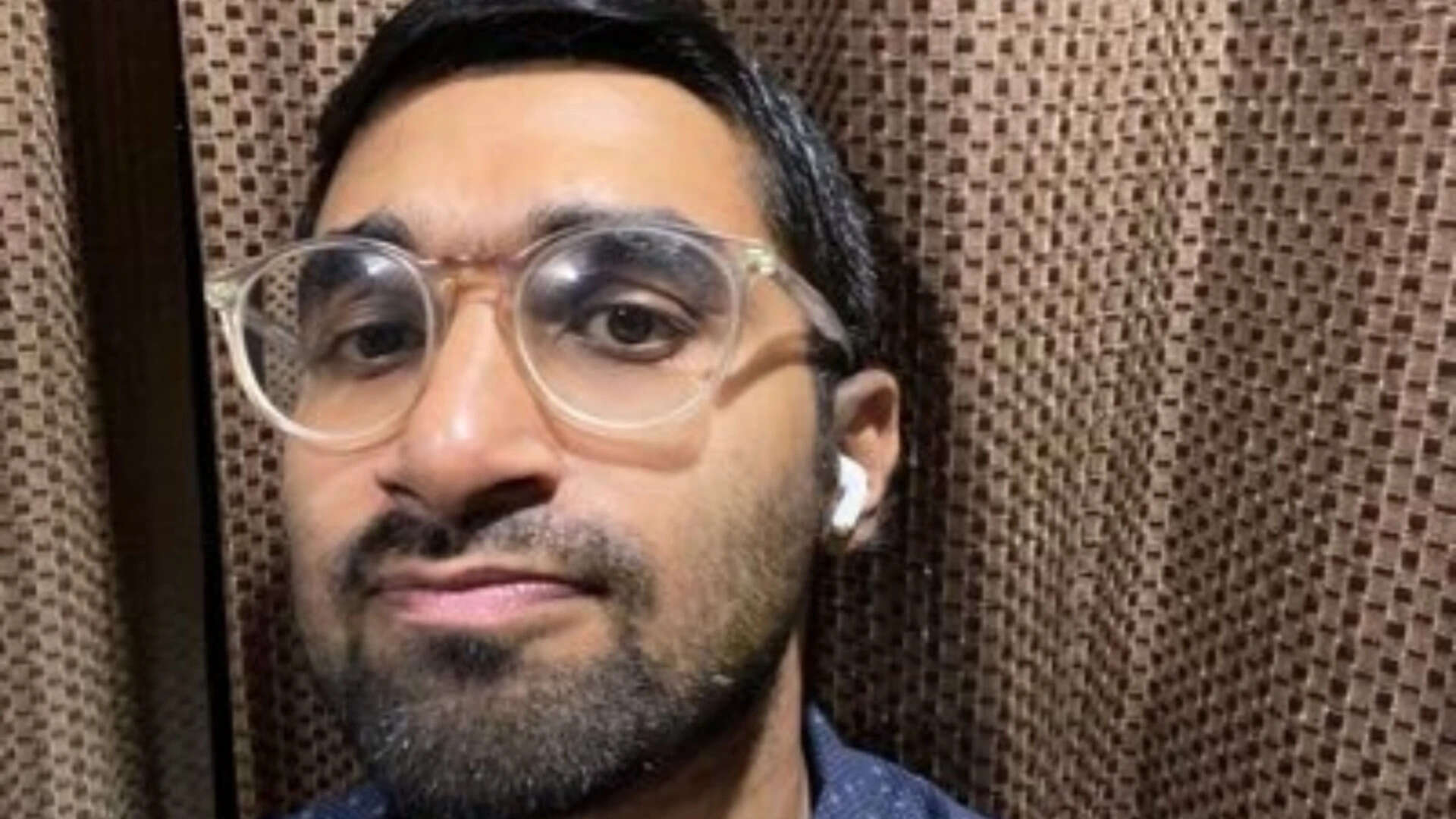
A recent social media firestorm has ignited widespread debate, centering on a Dubai-born Indian founder’s “long live UAE” post. The incident quickly escalated, drawing criticism from segments of the NRI community who felt their contributions and struggles were being mocked.
This controversy underscores the complex interplay of national identity, online communication, and the sensitive nuances of diaspora experiences in a globally interconnected world. It has forced a critical examination of how public figures navigate their allegiances while respecting diverse sentiments.
The Genesis of a Viral Controversy
The ‘Long Live UAE’ Post and Its Interpretation
The core of the recent digital uproar began with a prominent Dubai-born Indian founder sharing a post expressing strong allegiance to the UAE. This particular declaration, while seemingly innocuous, was quickly perceived by many as problematic within a broader context.
Critics argued that the founder’s message, especially when viewed through the lens of other implied statements, appeared to diminish or even mock the experiences and loyalties of Non-Resident Indians (NRIs) who maintain strong ties to their country of origin. The specific phrasing and timing of the post became a focal point of contention. For more details on the initial report, you can refer to the Official Source.
The ‘Mocking NRIs’ Accusation
The accusation of ‘mocking NRIs’ transformed a simple patriotic statement into a deeply divisive issue. Many in the diaspora felt that the post disregarded the sacrifices and dual loyalties inherent in their lives.
This perception was fueled by a feeling that the founder, seen as having a relatively privileged position, was failing to empathize with the broader NRI experience. The online community swiftly highlighted the emotional and economic ties that bind millions of Indians abroad to their homeland, irrespective of their country of residence.
The Digital Echo Chamber: Reactions and Repercussions
The Outcry from the NRI Community
The immediate aftermath saw a torrent of negative reactions from the NRI community across various social media platforms. Users expressed feelings of betrayal, anger, and a profound sense of being misunderstood.
Many shared personal stories of their struggles, sacrifices, and unwavering commitment to both their adopted homes and their Indian heritage. This collective outpouring underscored the deep emotional investment NRIs have in their identity and the respect they expect for their unique position.
Defenders, Detractors, and the Nuance of Identity
While the backlash was significant, the founder also found some defenders who argued for freedom of expression and the right to express loyalty to one’s country of residence. These supporters emphasized that being born and raised in the UAE naturally fosters a strong connection to that nation.
This division highlighted the complexities of identity for individuals navigating multiple cultural influences. It raised questions about whether one’s allegiance must be singular or if it can gracefully encompass diverse loyalties without contradiction.
Social Media’s Role in Amplifying the Debate
Social media platforms served as the primary battleground for this intense debate, allowing for instantaneous reactions and widespread dissemination of opinions. The viral nature of the post and subsequent reactions demonstrated the power of digital spaces to amplify both support and criticism.
The rapid exchange of views, sometimes without full context, contributed to the rapid escalation of the controversy. This incident is a stark reminder of how quickly discussions can spiral, shaping public perception and impacting individuals and brands alike. To stay informed on latest trends, especially regarding viral content, reliable sources are key.
Navigating Dual Identities: The Dubai-Born Indian Experience
Born in the UAE, Rooted in India
The experience of individuals born and raised in the UAE by Indian parents is uniquely multifaceted. They grow up immersed in Emirati culture, language, and societal norms, while simultaneously being nurtured within the traditions and values of their Indian heritage.
This dual upbringing often results in a deep sense of belonging to both nations, creating a complex identity that is neither entirely Indian nor entirely Emirati but a rich blend of both. Their passports might be Indian, but their lived reality is deeply connected to the Emirates.
Allegiance and Belonging in a Globalized World
The controversy forces a crucial discussion on what allegiance truly means in a globalized world. Is it strictly defined by nationality, or can it extend to the country that provides opportunity, comfort, and a sense of home?
For many, expressing love for the UAE does not diminish their pride in India, and vice versa. The challenge lies in communicating these layered feelings in a way that resonates positively with diverse audiences, avoiding misinterpretations that can lead to public relations crises.
The Founder’s Intent Versus Public Perception
While the founder’s genuine intent behind the “long live UAE” post might have been an expression of sincere gratitude and patriotism, public perception often diverges based on individual interpretations. In the digital age, intent can easily be overshadowed by how a message is received.
This incident serves as a critical case study for public figures and business leaders on the importance of anticipating diverse reactions. Understanding the nuances of cross-cultural communication is paramount to avoiding unintentional offense and fostering goodwill.
Beyond the Trolling: Deeper Societal Reflections
The Invaluable Contributions of NRIs
The controversy inadvertently shone a spotlight on the immense and often unacknowledged contributions of NRIs worldwide. These individuals not only bolster the economies of their host countries but also send billions in remittances back to India, significantly supporting families and national development.
Beyond economics, NRIs act as cultural ambassadors, bridging gaps and fostering understanding between nations. Their sacrifices, from living away from extended families to navigating new cultures, deserve respect and recognition, not dismissive remarks.
The Peril of Online Communication for Public Figures
For business founders and public personalities, every word shared online carries significant weight and potential consequences. A seemingly innocent post can quickly be taken out of context, leading to widespread criticism and reputational damage.
The incident highlights the need for extreme caution, cultural sensitivity, and a keen awareness of audience demographics when engaging on social media. What might be acceptable within one circle could be deeply offensive to another, particularly when addressing topics of national identity and belonging.
Cultivating Cultural Sensitivity in a Globalized Environment
This debate ultimately underscores the critical importance of cultural sensitivity in an increasingly interconnected world. Leaders and public figures must possess an acute awareness of varying cultural perspectives, historical contexts, and emotional sensitivities.
Promoting empathy and understanding different lived experiences is not merely a matter of political correctness but a fundamental necessity for effective communication and harmonious coexistence. Such incidents serve as valuable, albeit painful, lessons in the ongoing journey towards global cultural competence.
Lessons Learned and Moving Forward
Bridging Divides Through Empathy and Dialogue
To prevent future misunderstandings of this nature, fostering genuine empathy and open dialogue is crucial. Public figures must actively listen to the sentiments of diverse communities and acknowledge the validity of their experiences.
Creating platforms for constructive conversation, rather than allowing debates to devolve into mere online trolling, can help bridge perceived divides. This requires a commitment to understanding perspectives that differ from one’s own.
The Future of Digital Diplomacy for Individuals and Brands
This incident serves as a significant case study in the evolving landscape of digital diplomacy. For individuals, particularly those with public profiles, navigating online interactions requires strategic thought and a deep understanding of audience psychology.
For brands associated with such figures, the reputational risks are immense. Proactive strategies for crisis communication, coupled with a genuine commitment to diversity and inclusion, are essential in safeguarding brand image and maintaining trust with a global consumer base.
Frequently Asked Questions (FAQs)
1. What exactly was the ‘Long Live UAE’ post controversy about?
The controversy stemmed from a social media post by a Dubai-born Indian founder expressing strong allegiance to the UAE. While patriotic in intent, many Non-Resident Indians (NRIs) interpreted it as disrespectful or mocking towards their own complex loyalties and sacrifices, sparking widespread online backlash and debate.
2. Who was the founder involved in this incident?
The incident involved a prominent founder, identified as Dubai-born with Indian heritage, whose specific identity is often withheld in media reports to focus on the broader implications of the controversy. Their online presence and entrepreneurial background amplified the reach and impact of the debate.
3. Why did NRIs feel mocked by the post?
Many NRIs felt mocked because they believed the post, within its broader context, dismissed their strong emotional and cultural ties to India, despite living and working abroad. They perceived it as a lack of empathy for their unique dual identity and the sacrifices made to support families both in India and their host country.
4. What does ‘Dubai-born Indian’ mean in this context?
‘Dubai-born Indian’ refers to individuals of Indian parentage who were born and raised in Dubai, UAE. This often signifies a unique cultural identity, blending Indian traditions learned at home with the Emirati culture and experiences gained from living in the UAE, leading to complex allegiances.
5. How did social media contribute to the escalation of the controversy?
Social media played a crucial role by providing an instant platform for reactions, enabling the rapid spread of the post and subsequent criticisms. Its nature amplified both positive and negative sentiments, turning a personal statement into a widespread public debate and illustrating the swift virality of online content.
6. What are the broader implications of this incident for public figures?
This incident highlights the significant reputational risks public figures face when engaging on social media, especially concerning sensitive topics like nationality and identity. It underscores the need for extreme cultural sensitivity, careful communication, and an understanding of diverse audience interpretations to avoid unintended offense.
7. What is the significance of NRI contributions to India and host countries?
NRIs make invaluable contributions, both economically and culturally. They send substantial remittances to India, supporting its economy and families. In host countries like the UAE, they form a significant part of the workforce, contributing to various sectors, and act as cultural bridges, fostering global understanding.
8. How can similar misunderstandings be avoided in the future?
Avoiding such misunderstandings requires greater empathy, proactive cultural sensitivity training, and mindful communication from public figures. It involves understanding diverse perspectives, acknowledging the validity of different identities, and engaging in constructive dialogue rather than dismissive statements on social media platforms.
9. Does expressing loyalty to a host country diminish loyalty to one’s country of origin?
Not necessarily. For many, expressing loyalty or affection for a host country, where they live and work, does not diminish their inherent connection and love for their country of origin. The challenge lies in articulating these layered loyalties in a way that respects all facets of a person’s identity and doesn’t alienate others.
10. What lessons can be drawn about identity in a globalized world from this event?
The event underscores that identity in a globalized world is increasingly fluid and multi-layered. It highlights the complexities individuals face in balancing multiple cultural influences and national allegiances. It also teaches the importance of recognizing and respecting these diverse identities, fostering inclusivity rather than demanding singular loyalty.
The debate surrounding this incident is a vivid illustration of the delicate balance required when navigating personal identity, public expression, and cultural sensitivities in the digital age. It serves as a powerful reminder that words, especially from public figures, carry immense weight and can resonate far beyond their initial intent, shaping perceptions and igniting crucial conversations about belonging, loyalty, and empathy in our interconnected world.
SEO Keywords
Dubai-born Indian founder, UAE, NRI trolling, long live UAE, online controversy, social media backlash, Indian diaspora, national identity, cultural sensitivity, public figure crisis, entrepreneurial reputation, online communication, dual identity, mocking NRIs, Gulf Indians.
Source: Times of India