

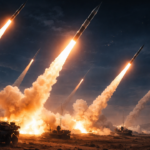


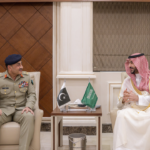

The Arabian Gulf region is currently navigating a period of unprecedented geopolitical sensitivity. Heightened tensions stemming from the broader Iran-US-Israel dynamics have placed nations like Kuwait on high alert.
In this charged atmosphere, Kuwait has recently taken decisive action, arresting two individuals for creating and disseminating viral videos. These videos reportedly mocked the nation’s armed forces and air defense efforts on social media.
The Geopolitical Crucible in the Gulf
The Middle East remains a nexus of complex, interwoven conflicts and rivalries. The ongoing shadows of the Iran-US-Israel confrontations cast a long and often destabilizing presence across the entire Gulf.
This intricate geopolitical landscape demands constant vigilance from all regional players. Nations are continuously assessing threats and bolstering their defensive capabilities against potential escalations.
Regional Tensions Escalating
Recent months have seen an increase in regional military exercises and defensive posturing. Concerns over maritime security and potential airspace violations are at an all-time high.
The interdependencies and rivalries among state and non-state actors contribute to an unpredictable environment. Any minor incident has the potential to trigger wider repercussions.
Kuwait’s Strategic Position and Vulnerability
Kuwait occupies a critical strategic position at the head of the Persian Gulf. Its proximity to various flashpoints necessitates a robust and proactive security posture.
Despite its traditionally diplomatic and neutral stance, Kuwait must safeguard its sovereignty and national security interests. This includes readiness for both conventional and unconventional threats.
Kuwait’s Proactive Security Measures
In response to the volatile regional climate, Kuwait has demonstrably intensified its national security measures. This includes visible enhancements to its military readiness and internal surveillance.
The goal is to deter potential aggressors and reassure its citizenry of their safety. These measures are critical for maintaining stability during uncertain times.
Enhanced Air Defense Protocols
Kuwait’s air defense systems have been placed on maximum alert, meticulously monitoring its airspace. This involves continuous radar surveillance and readiness for intercept missions.
The nation is determined to protect its skies from any incursions or threats. Such vigilance is a standard response to regional instability.
Internal Security Reinforcement
Beyond external defense, Kuwait has also reinforced its internal security apparatus. This aims to prevent any actions that could undermine national morale or societal cohesion.
Authorities are particularly watchful for activities that might exploit public anxieties during a period of national alert. Public order and stability are paramount.
The Viral Video Incident: Mockery Amidst Crisis
At the heart of the recent arrests lies a series of viral videos shared across social media platforms. These videos starkly contrasted with the prevailing mood of national seriousness and caution.
The content was widely perceived as mocking the very institutions tasked with protecting the nation. This particular timing exacerbated the perceived offense.
Details of the Mocking Content
The videos allegedly depicted scenarios that ridiculed Kuwait’s armed forces and their air defense preparedness. They used humor deemed inappropriate and disrespectful given the state of alert.
Such portrayals, regardless of intent, were interpreted by many as undermining the morale of servicemen and public confidence. The gravity of national security efforts was seemingly trivialized.
Immediate Public and Official Reaction
The dissemination of these videos quickly ignited a firestorm of criticism online. Many Kuwaiti citizens expressed outrage, viewing the content as unpatriotic and irresponsible.
Official channels swiftly condemned the videos, emphasizing the seriousness of the national alert. Calls for legal action against the perpetrators were immediate and widespread.
The Arrests and Legal Ramifications
Following the public outcry and official condemnation, Kuwaiti authorities acted promptly. Two individuals suspected of creating and distributing the offending videos were arrested.
These arrests send a clear signal about the nation’s zero-tolerance policy for actions perceived as undermining national security or public order, especially in crisis.
Laws Pertaining to National Security
Kuwait, like many nations, possesses stringent laws against acts that could threaten national security. These include provisions against sedition, defamation of state institutions, and incitement.
Such legal frameworks are designed to protect the state’s integrity and societal stability. They become particularly relevant during times of perceived external threat or internal vulnerability.
Freedom of Speech vs. National Security
The incident reignites the perennial debate regarding freedom of speech versus national security imperatives. While freedom of expression is valued, it often faces limitations in matters of state defense.
Authorities argue that during high alert, certain forms of expression can directly compromise public trust and military morale. Balancing these rights and responsibilities becomes a critical governance challenge.
Social Media’s Dual Edge in Crisis
Social media platforms have become indispensable tools for communication and information dissemination. However, their pervasive nature also presents significant challenges during national crises.
They can serve as powerful platforms for unity and information, but also as conduits for misinformation, dissent, and even deliberate sabotage.
Amplifying Discontent and Disinformation
The speed at which content spreads online means that controversial or mocking videos can go viral almost instantly. This rapid dissemination can quickly amplify discontent or spread harmful narratives.
Such viral content can erode public trust in institutions and create divisions. It poses a significant challenge for governments trying to maintain a cohesive national response.
Government’s Dilemma: Control vs. Openness
Governments face a delicate balancing act in managing online discourse during crises. They must counter harmful content without appearing to suppress legitimate criticism or free expression.
The line between satire and sedition, especially in a culturally and politically sensitive region, can be difficult to draw. This challenge requires nuanced and adaptive policy responses.
Broader Implications for Regional Stability
Kuwait’s firm response to these viral videos is likely to resonate across the Gulf Cooperation Council (GCC) states. Many of these nations face similar challenges concerning online content and national security.
The incident could serve as a precedent or a cautionary tale for how other regional governments might approach digital governance and public expression during sensitive times.
Precedent Setting for Digital Governance
This event highlights a regional trend toward stricter oversight of online activity, especially when it touches upon national defense or public order. It underscores the challenges posed by digital platforms.
Other Gulf states are keenly observing how Kuwait handles this situation. They might adapt similar strategies to safeguard their own national interests in the digital realm.
Maintaining Internal Cohesion
In the face of external threats, maintaining internal unity and cohesion is paramount for any nation. Online content that sows discord or undermines national institutions can be seen as an internal threat.
Governments prioritize social harmony and a united front when regional tensions are high. Actions like these arrests are taken to reinforce national solidarity.
The Information War: A Modern Battlefield
In today’s interconnected world, national security extends beyond physical borders and conventional warfare. The information space has become a critical battleground where narratives are shaped.
Managing public perception, countering hostile propaganda, and ensuring accurate information flow are key components of modern defense strategies.
Countering Hostile Narratives
Nations are increasingly investing in sophisticated communication strategies to counter misinformation and hostile narratives. This includes official statements, public awareness campaigns, and direct engagement.
The aim is to prevent adversaries from exploiting internal divisions or spreading panic. A well-informed populace is a resilient one.
Monitoring Online Sentiment and latest trends
Governments and security agencies worldwide continuously monitor social media for emerging threats, public sentiment, and developing latest trends. This proactive approach helps in identifying potential issues early.
Understanding the digital pulse of the nation allows for timely interventions and more effective policy responses. It’s a crucial aspect of contemporary national security intelligence.
Expert Analysis and Future Outlook
Security analysts and regional experts are closely observing Kuwait’s handling of this incident. It offers insights into how Gulf states are adapting to the hybrid challenges of the 21st century.
The balance between maintaining security and upholding civil liberties remains a complex tightrope walk for all governments, particularly in volatile regions.
Navigating a Complex Landscape
Small Gulf states, in particular, face unique challenges due to their strategic location and geopolitical vulnerabilities. Their survival often hinges on diplomatic acumen and robust defense capabilities.
The digital domain adds another layer of complexity to an already intricate regional security equation. This requires constant adaptation and strategic foresight.
Long-Term Strategy: Digital Literacy and Robust Legal Frameworks
Looking ahead, nations like Kuwait may focus on long-term strategies, including promoting digital literacy among citizens. This would empower individuals to critically assess online content.
Simultaneously, refining legal frameworks to address evolving digital threats effectively and fairly will be essential. This ensures laws remain relevant in a rapidly changing technological landscape.
Conclusion
Kuwait’s recent arrests underscore the delicate balance between freedom of expression and national security concerns, especially amidst regional volatility. The incident highlights the potent role of social media in shaping public discourse during times of crisis.
As the Gulf remains on high alert, the incident serves as a stark reminder of the multifaceted challenges faced by nations striving to maintain stability and protect their interests in a digitally interconnected and geopolitically charged world. For more details, refer to the Official Source.
Frequently Asked Questions (FAQs)
- 1. What is the current geopolitical situation in the Gulf region that led to Kuwait’s high alert?
- The Gulf region is experiencing heightened tensions due to the broader geopolitical rivalry involving Iran, the United States, and Israel. This includes concerns over maritime security, potential proxy conflicts, and the risk of miscalculation in an already volatile environment. The threat of escalation from any major incident prompts regional states to maintain elevated security postures.
- 2. Why is Kuwait specifically on high alert?
- Kuwait is on high alert due to its strategic geographical position at the head of the Persian Gulf, placing it in close proximity to potential flashpoints. Its security is intrinsically linked to regional stability, and any increased tensions necessitate enhanced defensive measures for its borders, airspace, and critical infrastructure. The general regional instability compels proactive vigilance.
- 3. What specific actions did the individuals take that led to their arrest?
- The individuals were arrested for creating and disseminating viral videos on social media platforms. These videos reportedly mocked and ridiculed Kuwait’s armed forces and its air defense efforts. The content was deemed inappropriate and disrespectful given the national security alert and was seen as undermining military morale and public confidence.
- 4. What are Kuwait’s laws regarding mocking state institutions or armed forces?
- Kuwait has laws that prohibit actions deemed to undermine national security, incite discord, or defame state institutions, including its armed forces. These laws are designed to protect the integrity of the state and maintain public order, especially during times of national crisis or heightened security concerns. Violations can lead to significant legal penalties.
- 5. How do these arrests relate to freedom of speech in Kuwait?
- These arrests highlight the ongoing tension between freedom of speech and national security imperatives in Kuwait. While Kuwait guarantees certain freedoms, these are often balanced against the perceived needs of state security and public order, particularly during times of regional instability. Authorities argue that mocking defense efforts during a high alert crosses a line into undermining national resilience.
- 6. What is the role of social media in this crisis and similar incidents?
- Social media plays a dual role: it can be a vital tool for communication and information dissemination, but also a rapid conduit for misinformation, rumor, and content that can be deemed harmful or divisive. In crises, viral content, whether intentional or not, can quickly shape public opinion, impact morale, and challenge government narratives, making it a critical aspect of information warfare.
- 7. Are other Gulf countries facing similar challenges with online content?
- Yes, many other Gulf countries face similar challenges regarding online content that could be perceived as undermining national security, public morals, or social cohesion. Governments across the region are increasingly vigilant about online discourse and often employ strict regulations and monitoring to manage the digital space, especially concerning sensitive political or security issues.
- 8. What measures are Gulf nations taking to counter misinformation and online threats?
- Gulf nations are implementing various measures, including enhanced monitoring of social media, enacting stricter cybersecurity laws, and launching public awareness campaigns to promote digital literacy. They are also improving official communication strategies to provide timely and accurate information, aiming to counter hostile narratives and prevent the spread of panic or disinformation.
- 9. How does this incident reflect Kuwait’s national security priorities?
- This incident strongly reflects Kuwait’s prioritization of national security and the protection of its state institutions, especially its armed forces. It signals that during periods of high alert and regional tension, the government will take firm action against any perceived threats to internal stability, public confidence, or military morale, demonstrating its commitment to national defense.
- 10. What are the potential long-term impacts of such incidents on regional stability?
- Such incidents contribute to a regional trend of increased scrutiny over online content and potentially stricter digital governance. In the long term, they could lead to more robust legal frameworks for online speech, enhanced cybersecurity measures across the Gulf, and a continuous debate about the balance between security and individual liberties. They underscore the ongoing challenges of maintaining stability in a volatile region.
SEO Keywords
Kuwait arrests, Gulf security, viral videos, armed forces mockery, air defence, social media crackdown, Iran-US-Israel war, regional tensions, national security, freedom of speech, digital governance, Middle East alert, Kuwait military, online dissent, geopolitical stability
Source: Times of India