






Heightened Regional Tensions
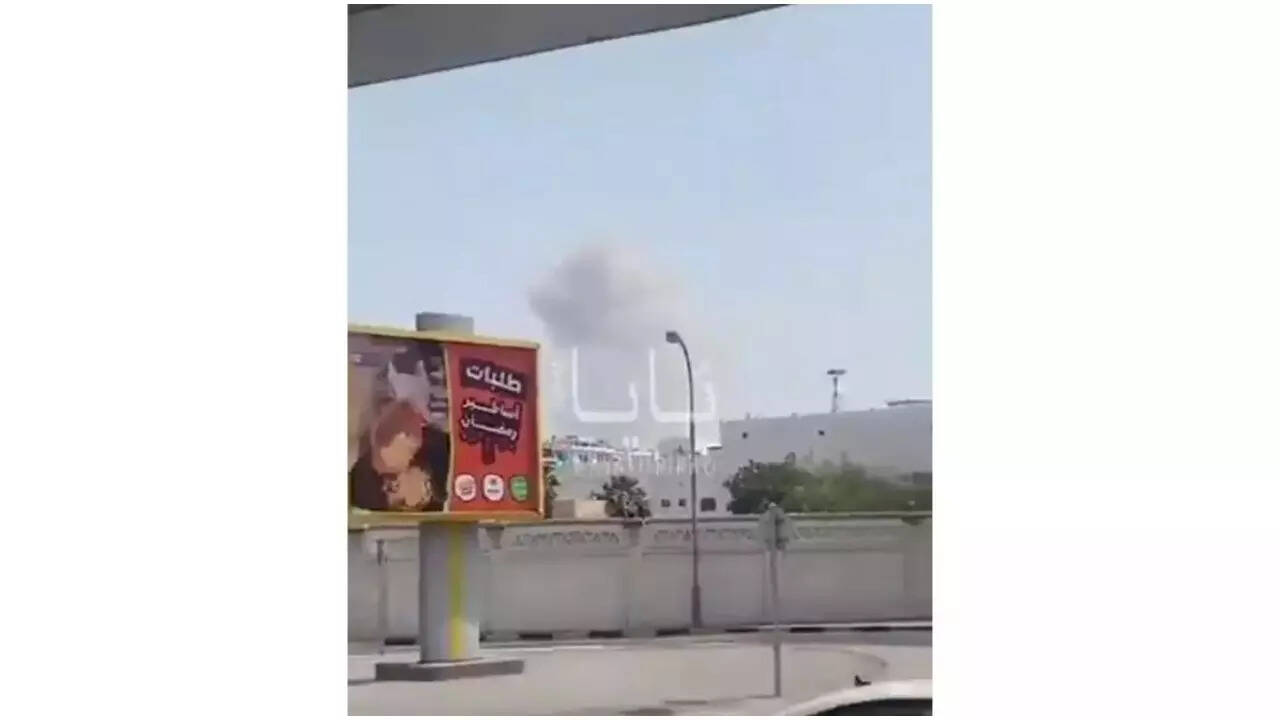
Recent events in the Middle East have once again brought the volatile security landscape into sharp focus. An alleged Iranian attack on a naval base in Bahrain has sent ripples of concern across the global community.
The incident has particularly resonated with Americans stationed or residing in the Gulf, prompting a range of reactions from profound unease to outright calls for immediate departure. One poignant sentiment captured the prevailing anxiety: “Gotta get out of here.”
The Unfolding Incident in Bahrain
Reports swiftly emerged detailing an alleged attack targeting a significant naval facility located in Bahrain. While initial specifics remained under wraps, the gravity of the incident immediately triggered regional and international alarms regarding overall stability.
Bahrain is strategically vital, hosting a considerable US naval presence, most notably the headquarters of the United States Fifth Fleet. This critical location makes any security breach particularly sensitive and impactful for American national interests and personnel.
Details of the Alleged Attack
Preliminary intelligence suggests the attack involved sophisticated weaponry, likely drones or missiles. These advanced tactics are increasingly common in regional skirmishes, frequently attributed to state and non-state actors operating within the complex Gulf environment.
The precise extent of physical damage and any potential casualties are currently undergoing thorough assessment by military and investigative teams. Such incidents invariably carry significant geopolitical weight, often overshadowing their immediate material impact.
Attribution in these situations presents substantial challenges, requiring meticulous forensic analysis and intelligence corroboration. Governments are typically cautious in assigning blame without irrefutable evidence, given the high stakes involved.
Immediately following the incident, enhanced security protocols were implemented across all critical installations. Defense systems were placed on higher alert, reflecting the urgent need to mitigate any further threats.
The attack prompted a review of daily operations, with non-essential activities potentially curtailed or adjusted. This ensures the safety of personnel while maintaining mission readiness in a heightened threat environment.
Official statements from Bahraini authorities affirmed their commitment to national security and regional stability. They emphasized cooperation with international partners to investigate and respond appropriately to such aggressions.
US military leadership also issued statements, reassuring personnel and allies of their robust defensive capabilities and resolve. They underscored the unwavering commitment to protecting American assets and interests in the region.
Intelligence agencies from allied nations swiftly commenced collaborative efforts to gather and share information regarding the attack. Their coordinated analysis is crucial for understanding the full scope and implications of the incident.
This incident fits a broader pattern of similar past aggressions in the Gulf, often aimed at disrupting stability and challenging foreign military presence. It highlights a persistent and evolving threat landscape that requires constant vigilance.
The importance of rapid and accurate information dissemination became paramount for both military commands and civilian communities. Clear communication helps to counter misinformation and manage public anxiety effectively.
Verifying claims in active conflict zones poses significant difficulties, with conflicting narratives frequently emerging. This complexity necessitates relying on official and thoroughly vetted sources for credible information.
International cooperation in the investigation is essential for a comprehensive understanding of the event. Shared intelligence and resources facilitate a more robust and credible analysis of the attack’s origins and perpetrators.
The incident also has implications for the ongoing development of naval technology and defensive strategies. It prompts a reevaluation of existing countermeasures against increasingly sophisticated drone and missile threats.
Early warning systems played a crucial role in mitigating potential casualties and damage by providing precious response time. Continuous investment in these technologies is vital for enhancing defensive postures.
The psychological impact of sudden alerts and the visible increase in security measures cannot be understated for those in the vicinity. It creates an atmosphere of tension and constant awareness of potential danger.
American Reactions on the Ground
For Americans living and working within Bahrain, the news of the alleged attack was met with immediate and palpable concern. The shared sentiment expressed as “Gotta get out of here” reflects a deeply personal and visceral response to the perceived threat.
This candid expression encapsulates a fundamental human instinct for self-preservation when faced with direct danger. It underscores the fragility of security in a region prone to sudden escalations.
Fear and Uncertainty Among Expatriates
The immediate aftermath of the incident led to significant disruption in daily life for the expatriate community. Routine activities suddenly felt overshadowed by a looming sense of vulnerability and fear.
Parents, in particular, voiced profound worry for the safety and well-being of their children. The responsibility of protecting their families weighed heavily on their minds amidst the escalating tensions.
Communication channels were abuzz, with individuals seeking reliable information and sharing concerns with loved ones. The need for clear and timely updates became a critical factor in managing anxieties.
Community support networks quickly activated, providing emotional solidarity and practical advice to those most affected. This collective response helped to foster a sense of shared resilience in a challenging time.
The incident prompted many to reassess their long-term plans, considering the feasibility and wisdom of remaining in Bahrain. Career paths and educational choices for dependents suddenly came under scrutiny.
Discussions about personal safety protocols and potential evacuation procedures intensified among expatriate groups. Many sought clarification on emergency plans from their employers and diplomatic missions.
The psychological toll of residing in an environment of uncertainty is significant, leading to increased stress and anxiety. Individuals struggled with the constant awareness of external threats.
Personal stories of apprehension and disrupted sleep became common, reflecting the pervasive impact on mental well-being. The sense of normalcy was severely challenged by the unfolding events.
Social gatherings and public spaces, typically vibrant and active, experienced a noticeable decrease in attendance. People opted for greater caution and spent more time in the perceived safety of their homes.
The role of embassy advisories became crucial, guiding citizens on safety measures and potential steps during an escalation. These communications are a vital lifeline for expatriate communities.
Reactions varied among different demographics within the expatriate community, influenced by factors such as nationality, length of stay, and family status. However, a general undercurrent of apprehension was widespread.
The importance of reliable information sources was starkly highlighted, as rumors and unverified reports could quickly amplify distress. People actively sought updates from trusted official channels.
Coping mechanisms adopted by the community ranged from increased vigilance and self-imposed curfews to reliance on religious faith and communal support. Maintaining routine where possible also offered a sense of control.
The incident also underscored the unique challenges faced by non-essential personnel and those without direct military protection. Their vulnerability often leads to increased personal decision-making about safety.
The ongoing monitoring of the situation became a daily ritual for many, with constant checks of news outlets and official pronouncements. This continuous state of alert contributed to sustained stress.
Military Personnel and Family Concerns
Military families, though accustomed to the inherent risks of service, still face unique and profound stresses during such direct threats. Their commitment often extends to managing family safety in inherently volatile environments.
The immediate aftermath saw an increased readiness posture across all military units. This involves heightened vigilance, reinforced defenses, and detailed planning for various contingency scenarios.
Communication with families back home became a priority for many service members, offering reassurance despite the prevailing tensions. Bridging the geographical distance with emotional support is crucial during crises.
Support systems for military families, including family readiness groups and psychological services, were promptly activated. These resources provide essential aid and guidance during periods of heightened anxiety.
The incident could potentially impact deployment schedules and operational planning across the region. Military leaders must constantly adjust strategies to account for evolving threat assessments.
The added burden on leadership is immense, balancing mission objectives with the welfare and morale of their personnel and their families. This requires astute decision-making under pressure.
Regular training for such contingencies proved invaluable, allowing for swift and coordinated responses. Preparedness drills equip service members to act effectively in moments of crisis.
The dedication required from service members in such circumstances is exemplary, as they continue their duties despite personal fears and concerns. Their professionalism ensures the continuity of critical operations.
Maintaining high morale in challenging times becomes a paramount leadership objective. Efforts focus on fostering unit cohesion and reinforcing the importance of their mission in the face of adversity.
How the incident affects long-term strategic planning for regional presence is a key consideration for the Pentagon. It prompts a reassessment of force protection measures and operational deployments.
The balance between achieving military objectives and ensuring the personal safety of personnel is a constant ethical and logistical challenge. Every decision must weigh these critical factors carefully.
Protocols for dependents’ safety are rigorously reviewed and updated, often involving options for voluntary or mandatory evacuations depending on threat levels. These plans are designed for maximum security.
The role of family readiness groups extends beyond emotional support, providing practical information on alerts, resources, and emergency contact procedures. They are a vital link between military command and family units.
Long-term implications for service retention might arise if the perception of risk increases significantly and persistently. Attracting and retaining talent requires ensuring a reasonable level of safety for military families.
The constant vigilance and readiness become an ingrained part of everyday existence for military personnel in the region. This heightened state of alert can take a significant personal toll over time.
Broader Geopolitical Context
This alleged attack does not occur in isolation; it is deeply embedded within a long-standing and complex pattern of tensions in the Middle East. The relationship between the United States and Iran has been particularly fraught and adversarial for decades.
Proxy conflicts, indirect confrontations, and strategic competition are hallmarks of this enduring dynamic. Naval operations in international waters, especially near vital chokepoints, frequently become flashpoints for these underlying hostilities.
Iran’s Regional Stance
Iran consistently views the significant presence of US forces in the Gulf as a provocative and destabilizing act. Its foreign policy objectives often prioritize countering what it perceives as external interference in regional affairs.
The Islamic Republic has consistently called for the withdrawal of all foreign militaries from the region, asserting its own preeminence in Gulf security. This stance fuels much of its regional engagement and military posturing.
Iran often projects its influence through a complex network of various regional proxy groups, sometimes referred to as the “Axis of Resistance.” These entities are frequently implicated in actions designed to challenge and destabilize its adversaries.
Its strategic depth motivation aims to create a buffer zone against potential external threats, extending its influence across neighboring states. This strategy involves supporting allied non-state actors in Lebanon, Syria, Iraq, and Yemen.
Economic pressures, including stringent international sanctions, significantly influence Iranian decision-making and external actions. The regime often uses acts of aggression as leverage in political negotiations or as a response to perceived economic warfare.
Internal political dynamics within Iran also play a crucial role in shaping its foreign policy. Hardline factions often advocate for a more assertive stance against the West and regional rivals.
The Islamic Revolutionary Guard Corps (IRGC) is a powerful force within Iran, distinct from the regular army, and heavily involved in foreign operations and proxy support. Its influence often drives escalatory actions.
Iran’s nuclear ambitions serve as a significant leverage point in international diplomacy, though officially denied as weapons-related. The pursuit of nuclear capabilities deeply concerns its regional rivals and Western powers alike.
Regional rivalries with Saudi Arabia and Israel are a constant feature of the Middle East’s geopolitical landscape. These rivalries often manifest in proxy conflicts and ideological clashes across various theaters.
Iran actively works to counter what it perceives as an encirclement strategy by the US and its regional allies. It seeks to break free from diplomatic and military isolation through strategic partnerships and interventions.
Propaganda and information warfare tactics are frequently employed by Iran to shape regional narratives and garner support for its actions. These efforts aim to delegitimize adversaries and promote its own agenda.
The concept of a “resistance axis” is central to Iran’s foreign policy, fostering solidarity among groups opposed to US and Israeli influence. This alliance seeks to challenge the existing regional order.
Historical grievances and perceived injustices from past interventions and conflicts also fuel Iran’s anti-Western sentiment. These historical memories deeply inform its current geopolitical outlook.
The impact of sanctions on the Iranian economy often leads to a more defiant posture from the regime. This can result in actions designed to demonstrate resilience or to pressure for sanctions relief.
Iran’s assertive actions are also aimed at demonstrating its capacity for retaliation and deterrence. It seeks to show that it can impose costs on adversaries who challenge its security interests.
US Strategic Interests in Bahrain
Bahrain is an absolutely crucial ally for the United States, providing a critical staging ground for naval operations across the entire Persian Gulf. The presence of the US Fifth Fleet is indispensable for regional security.
The Fifth Fleet’s maritime security mission is broad, encompassing the protection of vital global shipping lanes. These waterways are essential for the unimpeded flow of international commerce and energy supplies.US forces in Bahrain are also central to ongoing counter-terrorism efforts aimed at disrupting extremist networks. They provide intelligence, training, and operational support to regional partners.
Alliance building in the Gulf remains a cornerstone of US foreign policy, fostering collective security against shared threats. Bahrain plays a key role in these strategic partnerships.Economic interests, particularly related to the free flow of oil from the region, are a significant driver of the US presence. Disruptions to oil supplies can have severe global economic consequences.
The US presence is fundamentally important for global trade routes that traverse the Gulf, ensuring their safety and accessibility. Any instability in these waters directly impacts international commerce.Maintaining energy security for key allies worldwide is another critical aspect of the US mission. A stable Gulf region guarantees reliable access to vital energy resources.
Bilateral defense agreements between the US and Bahrain reinforce mutual security commitments and facilitate military cooperation. These agreements are the framework for strategic partnership.The US presence plays a vital role in maintaining regional stability and deterrence against potential aggressors. It acts as a counterweight to hostile forces and promotes a balance of power.
Maintaining influence in a critical chokepoint like the Strait of Hormuz is paramount for global security and economic stability. Bahrain’s location offers strategic advantage for monitoring this waterway.The protection of American citizens and assets in the region is a core responsibility of the US military and diplomatic missions. This commitment underpins the readiness and responsiveness of forces.
Historical ties and mutual security concerns have cemented the enduring partnership between the United States and Bahrain. These relationships are built on decades of cooperation and shared objectives.Diplomatic engagement and cultural exchange efforts also complement the military presence, fostering understanding and strengthening bilateral relations. These soft power initiatives are crucial for long-term stability.
The ongoing review of US force posture globally includes careful consideration of the Middle East. Strategic adjustments are continuously made to optimize resource allocation and responsiveness to evolving threats.The challenge of balancing military presence with the inherent risks involved is a constant strategic dilemma. Ensuring effective deterrence while minimizing vulnerability is a complex equation.
International Response and Diplomatic Efforts
The international community is watching these developments with profound concern, urging immediate restraint from all parties involved. De-escalation of tensions remains a primary and urgent goal for numerous global powers.Maintaining the fragile peace in the Middle East is seen as crucial for global economic stability and preventing wider conflict. Every effort is being made to encourage dialogue over confrontation.
Calls for De-escalation
The United Nations, through its Secretary-General and various bodies, has issued strong calls for an immediate cessation of hostilities. It emphasizes adherence to international law and the principles of peaceful resolution.
Neighboring countries within the Gulf Cooperation Council (GCC) are particularly apprehensive about any escalation. They often find themselves caught directly between powerful regional rivals, bearing the immediate brunt of any conflict.The European Union and its member states have consistently advocated for diplomatic solutions and condemned actions that undermine regional security. They stress the importance of a coordinated international response.
Major global powers, including China and Russia, have also weighed in, urging caution and a return to dialogue. Their statements reflect concerns about the potential for wider destabilization impacts.Behind-the-scenes backchannel diplomacy is almost certainly being engaged to facilitate communication between adversaries. These discrete efforts aim to prevent misunderstandings and explore pathways to de-escalation.
The urgency of preventing a wider regional conflict cannot be overstated, given the potential for catastrophic human and economic costs. Global efforts are focused on breaking the cycle of retaliatory actions.The role of neutral mediators, such as Switzerland or Oman, is often vital in facilitating communication when direct channels are strained. These nations can act as trusted intermediaries for sensitive discussions.
Public statements from international bodies are carefully balanced to avoid inflaming tensions further. They generally focus on universal principles of peace and security, urging all sides to exercise maximum restraint.The need for clear and unambiguous communication lines between adversaries is paramount to avoid misinterpretation of intentions. A lack of clarity can quickly lead to dangerous miscalculations.
Addressing underlying grievances and sources of conflict is also recognized as essential for long-term stability. A sustainable peace requires more than just immediate de-escalation; it needs fundamental issues to be resolved.Confidence-building measures, however modest, can gradually reduce mistrust and create an environment conducive to dialogue. These might include shared maritime safety protocols or information exchanges.
The impact on humanitarian aid efforts in conflict-affected areas of the region is another serious concern. Escalation could severely impede the delivery of critical assistance to vulnerable populations.The role of regional security dialogues, involving all relevant stakeholders, is becoming increasingly important. These platforms can foster collective approaches to common security challenges.
The challenge of coordinating diverse international responses to a complex regional crisis is significant. Different national interests and diplomatic priorities can sometimes complicate unified action.Potential for misinterpretation and accidental escalation remains a constant threat in such volatile environments. This underscores the need for extreme caution and clear communication at all levels.
The Economic and Social Fallout
Beyond the immediate security concerns, such incidents invariably trigger significant wider economic implications. Investor confidence in the entire Gulf region can be severely impacted by heightened geopolitical risks.Global financial markets often react nervously to Middle East instability, leading to spikes in oil prices and fluctuations in stock markets. The region’s centrality to energy supplies means its stability affects everyone.
Impact on Local Economies
Bahrain’s economy, already diversified but still reliant on regional stability and foreign investment, feels the most direct brunt of these tensions. The perception of insecurity can deter vital capital inflows.
The expatriate community represents a significant contributor to the local economy, both through their spending and specialized skills. Their potential departure would create a substantial economic void.The tourism sector, a growing area for Bahrain, is particularly vulnerable to negative perceptions of safety. Travel advisories and media coverage can severely impact visitor numbers.
Businesses operating in the region face increased operational risks, potentially leading to higher insurance premiums and reduced investment in expansion. Risk assessments are constantly being updated by corporations.Shipping insurance rates for vessels transiting the Gulf typically rise sharply following such incidents. This directly impacts the cost of international trade and consumer prices worldwide.
Potential disruptions to global supply chains, particularly those reliant on maritime transit through the Strait of Hormuz, are a constant worry. This could lead to shortages and price increases for various goods.The cost of increased security measures, both for government and private entities, diverts resources that could otherwise be used for economic development. These expenditures represent a significant financial burden.
Government spending on defense and security infrastructure tends to increase during periods of high tension. This can strain national budgets and impact social welfare programs.Local employment opportunities may diminish if foreign businesses scale back operations or defer investment decisions. This has a direct impact on the livelihoods of Bahraini citizens.
The challenge of maintaining a diverse and resilient economy is amplified when geopolitical risks are high. Diversification efforts can be hampered by perceived instability.The role of international financial markets in influencing investor sentiment is profound. Negative outlooks from rating agencies or investment banks can exacerbate economic downturns.
Investor flight and capital outflow are serious concerns, as businesses and individuals seek safer havens for their assets. This can lead to a depletion of financial resources within the country.Long-term development plans and ambitious infrastructure projects may be reconsidered or postponed. This delays economic growth and the realization of national visions.
The impact on regional trade agreements and cross-border economic cooperation can also be significant. Distrust and heightened security concerns can impede the free movement of goods and services.The psychological effect on local populations extends to their economic behavior, with increased saving and reduced spending. This can further dampen domestic economic activity and confidence.
Looking Ahead: Pathways to Stability
The path forward in the Middle East is undeniably fraught with significant challenges, yet persistent calls for diplomacy and dialogue continue to resonate. Both sides face immense pressure to avoid a full-blown conflict that could unleash catastrophic regional and global consequences.
Understanding the latest trends in geopolitical strategies is absolutely crucial for navigating these incredibly complex and rapidly evolving times. This includes assessing the evolving threat landscapes and enhancing defensive mechanisms.
The Role of International Mediation
Third-party mediation could play a vital and constructive role in bridging the deep divides between adversaries. Nations like Switzerland and Oman have historically facilitated critical communication channels and trust-building.The importance of building trust, however incrementally, cannot be overstated in such highly adversarial relationships. Each small step towards transparency can help dismantle entrenched suspicions.Sustained dialogue, even at low levels and through indirect means, is essential to prevent misunderstandings from spiraling out of control. Continuous communication, even without immediate breakthroughs, is critical.
Any lasting solution must ultimately involve addressing the root causes and underlying grievances that fuel regional conflicts. Superficial agreements rarely lead to enduring peace.The complexity of multi-party conflicts in the Middle East demands highly skilled and patient diplomatic engagement. Each actor brings a unique set of interests and historical baggage to the table.
The need for a shared vision of peace, even if broadly defined, can help guide mediation efforts toward common goals. Consensus on the desirability of stability is a powerful motivator.Historical precedents of successful mediation efforts, even in seemingly intractable conflicts, offer templates and hope. Learning from past diplomatic triumphs can inform current strategies.
The limitations of external intervention without genuine commitment from regional actors must also be acknowledged. Peace cannot be imposed; it must be embraced by the parties involved.The role of track-two diplomacy, involving non-governmental experts and civil society leaders, can be invaluable. These informal channels can explore solutions that official lines cannot.
Building consensus among disparate actors with often conflicting agendas requires extraordinary diplomatic acumen. It involves finding common ground and shared incentives for cooperation.The challenge of maintaining neutrality and credibility for mediators is constant. They must be perceived as fair and unbiased by all sides to be effective.
The long-term commitment required for peace processes can span years, even decades. Sustained international attention and support are crucial for enduring success.The influence of domestic politics on foreign policy decisions can often complicate international mediation efforts. Leaders must balance external pressures with internal political realities.
The need for effective verification mechanisms to ensure compliance with any agreements is paramount. Trust-but-verify approaches are essential for building confidence.Ensuring equitable outcomes for all stakeholders, addressing their legitimate security and development concerns, is critical for achieving sustainable and accepted peace. This promotes fairness and stability.
Strengthening Regional Security Alliances
The United States will likely continue to reinforce its strategic alliances with key Gulf partners, including Bahrain. These partnerships form the backbone of regional security architecture.Joint military exercises and training programs are essential for enhancing interoperability and readiness among allied forces. They foster mutual understanding and strategic alignment.
Robust intelligence sharing mechanisms are vital for anticipating threats and coordinating effective responses. Timely and accurate intelligence can prevent attacks and mitigate risks.Deterrence strategies are constantly being refined to ensure that potential aggressors understand the significant costs of hostile actions. A credible deterrent posture is crucial for preventing conflict.
While not directly involved, NATO’s broader security concepts and approaches can indirectly inform alliance-building in the Gulf. Collective defense principles offer valuable lessons.Bilateral security cooperation agreements are regularly reviewed and updated to meet evolving threats. These formal arrangements underpin the military relationship between nations.
The goal of integrated air and missile defense systems across the region is a high priority. Such systems provide a layered defense against increasingly sophisticated aerial threats.Capacity building for partner nations through training and equipment transfers strengthens their own defensive capabilities. This fosters greater self-reliance and regional security.
The development of collective security frameworks can help institutionalize cooperation and shared responsibilities among Gulf states. This moves towards a more unified regional defense.Addressing asymmetric threats, such as drone and missile attacks from non-state actors, requires specialized strategies and technologies. These evolving challenges demand adaptive responses.
The importance of interoperability, enabling different national forces to operate seamlessly together, is a continuous focus of military planning. This enhances the effectiveness of multinational responses.Balancing offensive and defensive capabilities within alliances ensures a robust and credible security posture. This balance is critical for both deterrence and response.
The role of technology transfer and defense industry collaboration can further strengthen alliances. Sharing advanced defense capabilities builds mutual trust and enhances collective security.Maintaining strategic flexibility allows alliances to adapt quickly to unforeseen circumstances and shifting geopolitical dynamics. Agile responses are vital in a volatile region.
The long-term vision for a stable regional security architecture requires sustained diplomatic and military effort. It aims for a framework that promotes peace and prosperity for all.For more detailed information on the initial report and American reactions to the incident, please refer to the Official Source.
This recent incident in Bahrain serves as a stark and sobering reminder of the fragile peace that often exists in the Middle East. The deeply personal reactions of those affected powerfully underscore the profound human cost of ongoing geopolitical tensions.As the situation continues to develop and be assessed, the international community watches with bated breath, holding out hope for a swift and peaceful resolution. The paramount safety and well-being of all residents in the region remain the most urgent concern.
Frequently Asked Questions (FAQs)
1. What exactly happened at the naval base in Bahrain?
Reports indicate an alleged attack, likely involving drones or missiles, targeting a naval facility in Bahrain. Specific details regarding the full extent of the incident, including precise targeting and comprehensive damage assessment, are currently under thorough investigation by military and intelligence agencies. The nature of the attack points to a sophisticated and coordinated effort, raising significant security concerns throughout the region.
While initial reports have suggested an Iranian connection, official confirmations regarding definitive attribution are typically cautious and follow extensive intelligence gathering and forensic analysis. The incident has certainly heightened regional security alerts and prompted swift, enhanced responses from the defense forces stationed in Bahrain.
2. Who has been attributed responsibility for the attack?
While some initial reports and analytical assessments have pointed fingers at Iranian-backed groups or even directly at Iran, official attribution remains a complex and often nuanced process. States and non-state actors operating in the region frequently employ tactics that allow for a degree of plausible deniability, complicating definitive assignment of responsibility.
Investigations are routinely launched by the host nation, Bahrain, in close cooperation with allied forces, primarily the United States, to determine the exact origin and perpetrators of the attack. These investigations typically involve meticulous forensic analysis of any debris, signals intelligence, and broader intelligence assessments to corroborate findings before any public statements of attribution are made.
3. What was the specific American reaction highlighted in the article?
The article specifically highlights a poignant and very direct reaction from Americans living and working in the region: “Gotta get out of here.” This sentiment encapsulates the immediate feelings of fear, profound uncertainty, and an overwhelming desire for personal safety experienced by individuals, particularly expatriates and military families, in the immediate aftermath of the incident.
This raw reaction reflects a deeply personal assessment of risk amidst rapidly rising tensions and security concerns. It is indicative of the profound psychological impact such unsettling events have on those living in potentially volatile environments, leading many to seriously consider immediate departure or reassess their long-term presence.
4. Why is Bahrain considered a key strategic location for the United States?
Bahrain is considered an absolutely critical strategic hub for the United States primarily because it hosts the headquarters of the United States Fifth Fleet. This vital naval force is directly responsible for safeguarding maritime security across an expansive area that includes the strategically important Persian Gulf, the Red Sea, and significant portions of the Indian Ocean.
The presence of the Fifth Fleet is indispensable for protecting global oil shipping lanes, actively deterring piracy, and countering various illicit activities and regional aggressions that threaten international commerce and stability. Its location provides crucial operational access and indispensable capabilities in a geopolitically significant and often volatile region, making it an irreplaceable asset for US interests and global security.
5. What are the historical tensions between the US and Iran?
The relationship between the United States and Iran has been deeply adversarial and complex since the landmark 1979 Iranian Revolution, which resulted in the overthrow of the US-backed Shah. This pivotal event directly led to the prolonged hostage crisis at the US embassy in Tehran and initiated decades of profound mistrust, animosity, and intermittent confrontation between the two nations.
Key areas of persistent tension include Iran’s controversial nuclear program, its extensive support for various regional proxy groups, ongoing human rights issues within Iran, and the continued robust presence of US military forces in the Gulf. These interconnected factors cumulatively contribute to a persistent cycle of confrontation, reciprocal actions, and deeply entrenched ideological differences that define their modern relationship.
6. How does this incident impact regional stability?
An alleged attack on a significant military installation in Bahrain profoundly heightens regional instability, demonstrating a dangerous willingness to engage in direct or proxy confrontation. Such actions dramatically increase the risk of miscalculation, unintended escalation, and a broader regional conflict with devastating consequences for human lives and economies.
Incidents like this can easily trigger retaliatory measures, severely disrupt vital shipping lanes, cause sharp spikes in global oil prices, and significantly deter foreign investment across the entire region. They also place immense pressure on existing regional alliances and complex diplomatic efforts specifically aimed at maintaining the fragile and often tenuous peace in the Middle East, making sustainable stability increasingly challenging.
7. What is the current US military posture in the Gulf region?
The United States maintains a robust and formidable military presence across the Gulf region, primarily through its powerful naval forces, exemplified by the Fifth Fleet in Bahrain, advanced air assets, and strategic ground troops stationed in various allied countries. This comprehensive posture is meticulously designed for multifaceted deterrence, effective defense against aggression, and strategic power projection throughout the area.
The overarching goal of this posture is to rigorously protect US interests, steadfastly ensure the free flow of vital commerce through critical waterways, and proactively support regional partners against any form of aggression or destabilization. This military presence is strategically flexible and can be rapidly reinforced or adapted in immediate response to emerging threats or escalating security situations, underscoring America’s unwavering commitment to regional security.
8. What are the potential future escalations following such an event?
Potential future escalations following an incident of this nature could encompass a range of concerning developments, including retaliatory strikes from affected parties, an increase in sophisticated cyberattacks targeting critical infrastructure, further significant disruptions to vital maritime traffic in the Gulf, or heightened rhetoric that fuels distrust and animosity. A direct, full-scale military confrontation, though often meticulously avoided, regrettably remains a worst-case scenario.
The incident could also precipitate a tightening of existing international sanctions, necessitate increased military deployments to the region, or even lead to a precautionary withdrawal of diplomatic staff from high-risk areas. The international community typically mobilizes various diplomatic channels and political pressures to vigorously prevent such escalations from spiraling out of control and causing broader regional devastation.
9. How are international bodies reacting to the incident?
International bodies, such as the United Nations, typically react to such incidents by issuing swift and unequivocal statements that condemn acts of aggression and forcefully call for immediate de-escalation and maximum restraint from all parties involved. They consistently emphasize the paramount importance of adhering to international law and pursuing peaceful resolutions through diplomatic means.
Behind the scenes, intense diplomatic efforts by major global powers and various regional organizations would be activated to facilitate crucial communication between adversaries and prevent the situation from dangerously spiraling out of control. The primary focus of these international responses is almost always on preserving regional security, ensuring global trade routes remain open, and fostering an environment conducive to peaceful dialogue and resolution.
10. What steps are typically taken for de-escalation in such situations?
De-escalation efforts usually involve a comprehensive, multi-pronged approach that begins with immediate and widespread calls for calm and restraint from all involved parties, often voiced by international organizations and allied nations. Crucial diplomatic backchannels are rapidly activated to convey messages, clarify intentions, and reduce the risk of dangerous miscalculations between adversaries.
Enhanced intelligence sharing among allies helps to accurately assess the rapidly evolving situation and prevent misinterpretations of actions or motives. Public statements are meticulously crafted to avoid inflaming existing tensions, focusing instead on pathways to a peaceful resolution, while economic pressures and targeted sanctions may also be strategically considered to incentivize compliance and deter further aggression.
SEO Keywords
Middle East tensions, Bahrain naval base attack, American reactions, Iranian aggression, US Fifth Fleet, regional instability, Gulf security, expatriate safety, geopolitical conflict, drone attack, missile strike, US-Iran relations, international diplomacy, maritime security, de-escalation efforts