




The Middle East stands at a critical juncture, marked by rapidly escalating tensions that threaten to destabilize an already volatile region. Recent diplomatic maneuvers underscore the deepening fault lines among key players.
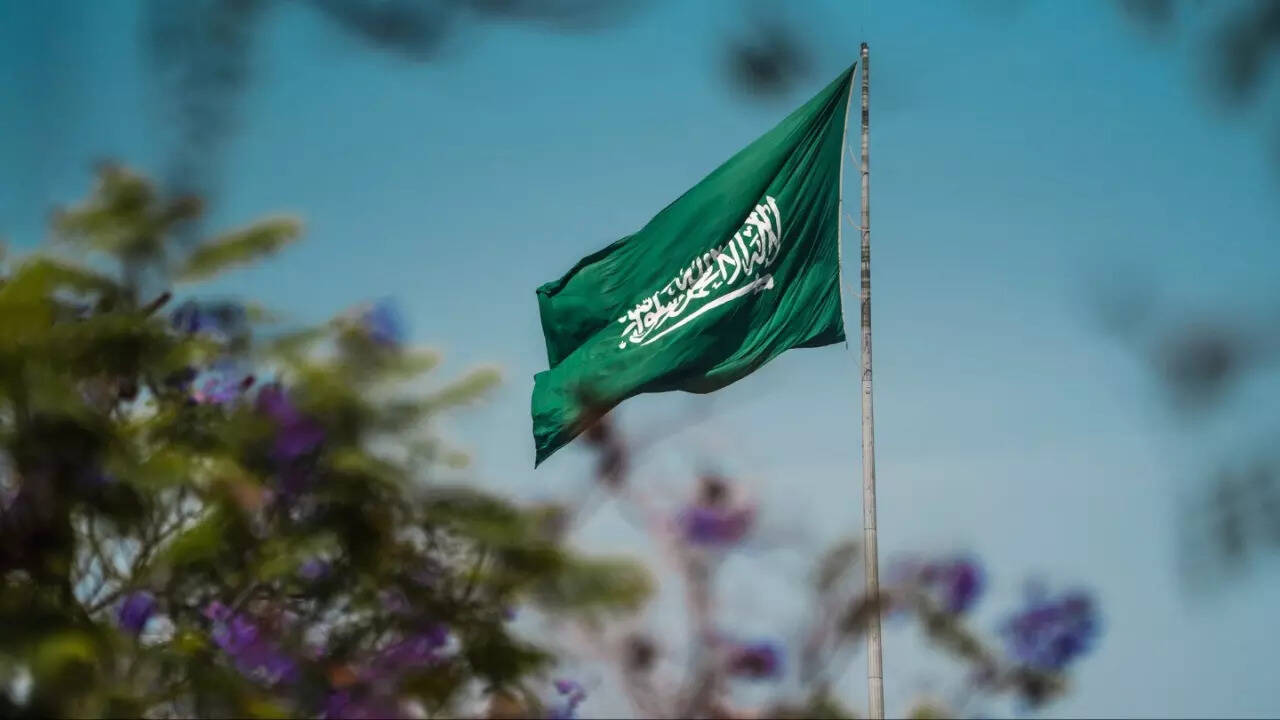
Saudi Arabia’s decision to summon Iran’s envoy represents a significant development, signaling Riyadh’s profound concerns over ongoing regional dynamics.
The Latest Escalation: Saudi Arabia Summons Iran’s Envoy
Saudi Arabia recently called in Iran’s top diplomat in Riyadh, a clear sign of displeasure concerning recent events. This high-level diplomatic action follows a series of perceived provocations and regional disturbances.
The summoning underscores a strategic shift, as Riyadh seeks to directly address Tehran’s role in the current climate of instability.
A Diplomatic Flashpoint
Such a summoning is not a routine diplomatic procedure; it signifies a strong protest or a serious warning. It indicates that Saudi Arabia believes Iran’s actions or inactions are directly contributing to regional unrest.
The move could be a precursor to further diplomatic or even punitive measures, depending on Iran’s response and subsequent developments.
Regional Stability at Risk
The Gulf region, a vital global energy corridor, is particularly vulnerable to these heightened tensions. Any significant escalation could disrupt oil supplies and impact global economies.
The intricate web of alliances and rivalries means that actions by one state often trigger reactions across the entire geopolitical landscape, threatening a broader conflict.
The US-Israel Factor Amidst Regional Volatility
The current surge in Gulf tensions is inextricably linked to ongoing operations involving the United States and Israel. Their military actions and strategic postures significantly influence the regional balance of power.
Recent strikes and counter-strikes have created a complex security environment, contributing to the broader atmosphere of distrust and confrontation.
US Military Presence and Posture
The United States maintains a substantial military presence in the Middle East, primarily aimed at protecting its interests and those of its allies. This presence is often seen as a deterrent to Iranian expansionism.
However, US military actions, particularly in response to attacks on its forces, can inadvertently fuel cycles of retaliation and heighten regional anxiety.
Israeli Actions and Retaliation
Israel’s consistent military operations targeting perceived threats, particularly from Iranian-backed groups, are a constant feature of the regional landscape. These actions are often framed as preemptive or retaliatory strikes to protect its borders.
While often directed at specific targets, these operations can have ripple effects, drawing other regional actors into the conflict dynamic and complicating de-escalation efforts.
Iran’s Position and Proxy Networks
Iran views the current situation through the lens of regional resistance against what it perceives as US and Israeli aggression. Tehran leverages a sophisticated network of proxy forces across the Middle East to project its influence and counter adversaries.
This strategy allows Iran to engage in asymmetric warfare, applying pressure without direct state-on-state confrontation, though it is often accused of directly orchestrating attacks.
Tehran’s Denials and Counter-Accusations
In response to accusations, Iran consistently denies direct involvement in attacks attributed to its allies, often framing them as independent actions by resistance movements. It frequently redirects blame towards the United States and Israel for destabilizing the region.
Tehran’s narrative emphasizes the right of sovereign nations and resistance groups to defend themselves against foreign occupation and aggression, framing its support as solidarity rather than direction.
The Role of Regional Proxies
Iran’s network includes groups like the Houthis in Yemen, Hezbollah in Lebanon, and various militia factions in Iraq and Syria. These proxies serve as extensions of Iran’s strategic depth, enabling it to exert influence far beyond its borders.
Their actions, whether missile attacks, drone strikes, or ground operations, are often seen as direct challenges to Saudi, US, and Israeli interests, further intensifying the crisis.
Saudi Arabia’s Strategic Calculus
Saudi Arabia finds itself navigating a complex geopolitical environment, balancing its security concerns with economic ambitions and the need for regional stability. The Kingdom’s response to the escalating crisis is a delicate act of diplomacy and deterrence.
Riyadh is keenly aware of the potential for broader conflict and its implications for its Vision 2030 economic transformation plan.
Balancing Act: Diplomacy and Deterrence
The summoning of the Iranian envoy demonstrates a diplomatic approach, seeking to convey a stern message without immediately resorting to more aggressive measures. Simultaneously, Saudi Arabia continues to bolster its defense capabilities and participate in regional security initiatives.
This dual strategy aims to deter further aggression while keeping channels for communication open, however tenuous they may be.
Economic Implications for the Kingdom
The ongoing tensions pose a significant threat to Saudi Arabia’s economic diversification efforts and its ambition to attract foreign investment. Stability is paramount for the success of Vision 2030 projects.
Any disruption to oil production or shipping lanes in the Gulf could severely impact global energy markets and Saudi revenues, highlighting the economic stakes involved.
International Reactions and Calls for De-escalation
The international community is closely monitoring the situation in the Middle East, with many nations expressing deep concern over the potential for wider conflict. There are widespread calls for all parties to exercise restraint and engage in constructive dialogue.
Global powers and international organizations recognize that a full-blown regional war would have catastrophic consequences for peace and stability worldwide.
UN and Global Powers’ Concerns
The United Nations has repeatedly urged all actors to adhere to international law and work towards a peaceful resolution. Secretary-General statements consistently emphasize the need for de-escalation and the protection of civilians.
Major global powers like China, Russia, and European Union members are watching with apprehension, each with their own interests at stake in the region, including energy security and trade routes.
Impact on Global Energy Markets
The Middle East is the world’s most critical region for oil and gas production and transit. Escalating tensions directly translate into increased volatility in global energy markets, leading to potential price spikes and supply disruptions.
Concerns about the security of vital shipping lanes like the Strait of Hormuz immediately send jitters through commodity markets, affecting consumers and industries globally.
The Path Forward: Challenges and Opportunities
The current crisis presents immense challenges but also potential, albeit narrow, opportunities for redefining regional security frameworks. The imperative remains to prevent outright conflict and find mechanisms for coexistence.
The intricate geopolitical tapestry of the Middle East demands nuanced approaches that acknowledge historical grievances while forging paths toward future stability.
Dialogue or Confrontation?
The choice between sustained dialogue and outright confrontation hangs heavy over the region. While diplomatic channels remain strained, discrete back-channel communications and regional initiatives might still offer avenues for de-escalation.
However, if diplomatic efforts fail to yield results, the risk of miscalculation leading to direct military engagement becomes increasingly high, with unpredictable consequences.
The Looming Threat of Miscalculation
One of the greatest dangers in the current environment is the potential for miscalculation by any party. An unintended incident, a misinterpreted signal, or an overzealous response could rapidly spiral out of control.
The complex interplay of state actors and non-state groups, coupled with advanced weaponry, makes any such error particularly perilous for regional and global security.
For the latest trends and analyses on global affairs, stay informed with expert insights. You can find more details on this unfolding crisis from an Official Source.
Frequently Asked Questions (FAQs)
1. Why did Saudi Arabia summon the Iranian envoy?
Saudi Arabia summoned the Iranian envoy to formally protest against what it perceives as Iran’s destabilizing actions and support for regional proxy groups. This diplomatic move signals deep concern over Tehran’s involvement in recent attacks and its broader influence in the Gulf, which Riyadh views as a threat to its security and regional stability.
2. How do US-Israel actions contribute to the Gulf crisis?
US and Israeli military actions, often targeting Iranian-backed militias or infrastructure in Iraq, Syria, or Yemen, contribute significantly to regional volatility. These strikes are perceived by Iran and its allies as acts of aggression, often leading to retaliatory actions that further escalate tensions across the Gulf and broader Middle East.
3. What is Iran’s stance on the escalating tensions?
Iran typically attributes regional instability to US and Israeli policies, denying direct involvement in attacks by its proxies while affirming support for “resistance groups.” Tehran views these groups as legitimate actors fighting against foreign occupation and aggression, positioning itself as a defender of regional sovereignty against perceived Western and Israeli hegemony.
4. What role do Iranian proxy groups play in the conflict?
Iranian proxy groups such as the Houthis in Yemen, Hezbollah in Lebanon, and various Iraqi militias, are crucial tools for projecting Iran’s power and influence. They conduct attacks, disrupt shipping, and challenge adversary interests, allowing Iran to engage in indirect warfare without directly committing its own forces, thereby complicating retaliation.
5. What are the potential economic consequences of this escalation?
The economic consequences are severe, primarily impacting global energy markets and regional investment. Disruptions to oil production or shipping routes in the Gulf, particularly the Strait of Hormuz, could lead to significant spikes in oil prices. This instability deters foreign investment in countries like Saudi Arabia, hindering their economic diversification plans like Vision 2030.
6. How might Saudi Arabia respond further to Iran’s actions?
Beyond diplomatic summons, Saudi Arabia could pursue a range of responses, including increasing its defense cooperation with allies like the US, imposing further economic sanctions (if feasible), or escalating its support for rival factions in regional conflicts. While military confrontation is a last resort, Riyadh aims to deter Iranian aggression through a combination of diplomatic pressure and enhanced security measures.
7. What is the international community doing to de-escalate the situation?
The international community, including the United Nations and various global powers, is issuing strong calls for de-escalation, restraint, and diplomatic dialogue. Efforts focus on encouraging all parties to avoid actions that could trigger broader conflict, emphasizing the importance of international law and peaceful resolution through mediation and negotiation.
8. What is the significance of the Strait of Hormuz in this crisis?
The Strait of Hormuz is a crucial chokepoint through which a significant portion of the world’s oil supply passes daily, making it strategically vital. Any threat or disruption to shipping in the Strait due to escalating tensions could have immediate and severe global economic repercussions, underscoring its pivotal role in the ongoing crisis.
9. Could this lead to a direct military conflict between Saudi Arabia and Iran?
While a direct military conflict between Saudi Arabia and Iran is not inevitable, the risk significantly increases with each escalation and miscalculation. Both nations have invested heavily in their militaries and support opposing sides in various regional conflicts, creating a volatile environment where an accidental engagement could rapidly spiral into a broader confrontation.
10. What are the long-term prospects for peace and stability in the Middle East?
Long-term prospects for peace and stability in the Middle East depend heavily on a sustained commitment to diplomatic engagement, de-escalation, and addressing underlying grievances. Without comprehensive regional dialogue that includes all major actors, and a reduction in external interference, the cycle of tension and conflict is likely to persist, undermining prospects for lasting peace.
SEO Keywords:
Middle East tensions, Saudi Arabia, Iran, Gulf crisis, US-Israel attacks, regional stability, diplomatic standoff, oil prices, global energy, proxy groups, international relations, de-escalation, Strait of Hormuz, geopolitical, conflict prevention
Source: Times of India