






Good News: World Records Longest Ever Lull in Nuclear Tests. Bad News: It’s on Shaky Ground
The world has witnessed a significant milestone in the realm of nuclear testing. As of recent reports, the globe has experienced the longest-ever lull in nuclear tests, a trend that has been observed over the past few years. This development is a welcome respite from the nuclear arms race that has characterized international relations for decades. However, despite this positive trend, the future of nuclear non-proliferation and disarmament remains precarious, hanging in the balance of geopolitical tensions and conflicting national interests.
Historical Context: The Evolution of Nuclear Testing
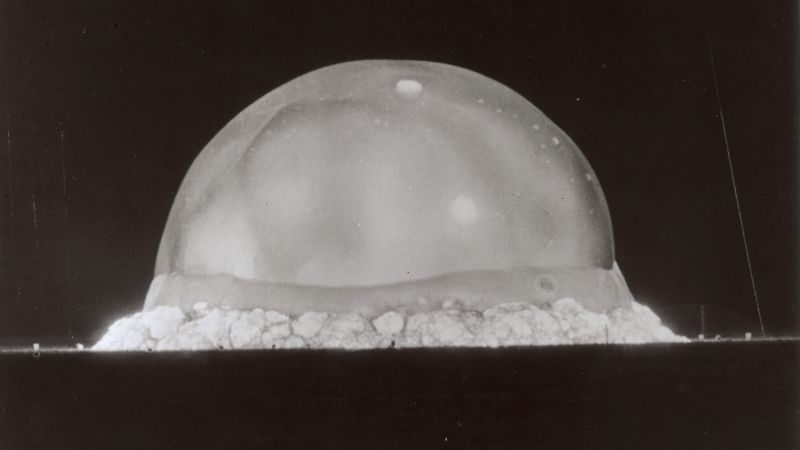
Nuclear testing has been a staple of military development since the advent of the atomic bomb during World War II. The first nuclear test, known as Trinity, was conducted by the United States in 1945, marking the beginning of the nuclear age. Since then, numerous countries have developed and tested nuclear capabilities, leading to a significant escalation in the global nuclear arms race. The Cold War era saw the peak of nuclear testing, with the United States and the Soviet Union engaging in a series of tests that raised concerns about global safety and security.
However, with the signing of the Comprehensive Nuclear-Test-Ban Treaty (CTBT) in 1996, the international community made a concerted effort to curb nuclear testing. The treaty, which has been signed by over 180 countries, aims to ban all nuclear explosions, including those for military and civilian purposes. Despite not being ratified by all signatory countries, the CTBT has been instrumental in reducing the number of nuclear tests conducted worldwide.
Current Trends and Challenges
The current lull in nuclear testing is largely attributed to the combined efforts of international diplomacy and the CTBT. Many countries, including the United States, Russia, and China, have observed self-imposed moratoriums on nuclear testing, contributing to the decline in test activities. However, this trend is on shaky ground due to rising geopolitical tensions and the complexities of modern international relations. The New York Times has reported on the increasing rivalry between major nuclear powers, which could potentially destabilize the non-proliferation regime.
For the latest updates on nuclear non-proliferation and disarmament, visit our Latest Updates section. Additionally, you can find more information on trending news related to global security on our Trending News page.
Implications and Future Directions
The implications of the current lull in nuclear testing are multifaceted. On one hand, it represents a significant achievement in the pursuit of nuclear disarmament and non-proliferation. On the other hand, it underscores the vulnerability of the international non-proliferation regime to geopolitical fluctuations. As nations navigate the complex landscape of international relations, the future of nuclear testing remains uncertain.
Experts suggest that a comprehensive and verifiable nuclear test ban is essential for consolidating the gains made so far. The nuclear disarmament process requires continuous engagement and cooperation among nations to address the challenges and concerns that could potentially lead to a resumption of nuclear testing.
Table of Facts: Nuclear Testing and the CTBT
| Country | Number of Nuclear Tests | CTBT Signature Status | CTBT Ratification Status |
|---|---|---|---|
| United States | 1,054 | Signed (1996) | Not Ratified |
| Russia | 715 | Signed (1996) | Ratified (2000) |
| China | 45 | Signed (1996) | Not Ratified |
| France | 210 | Signed (1996) | Ratified (1998) |
| United Kingdom | 21 | Signed (1996) | Ratified (1998) |
For a detailed analysis of the CTBT and its implications, visit the nuclear non-proliferation section of our website.
Frequently Asked Questions (FAQs)
Q1: What is the Comprehensive Nuclear-Test-Ban Treaty (CTBT)?
A1: The CTBT is a treaty aimed at banning all nuclear explosions, including those for military and civilian purposes. It was signed in 1996 and has been ratified by over 180 countries.
Q2: Why is the current lull in nuclear testing significant?
A2: The current lull in nuclear testing represents a significant milestone in the pursuit of nuclear disarmament and non-proliferation. It underscores the effectiveness of international diplomacy and the CTBT in reducing nuclear test activities.
Q3: What are the challenges facing the nuclear non-proliferation regime?
A3: The nuclear non-proliferation regime faces several challenges, including rising geopolitical tensions, the complexities of modern international relations, and the vulnerability of the CTBT to non-ratification by key countries.
Q4: How can the international community consolidate the gains made in nuclear disarmament?
A4: The international community can consolidate the gains made in nuclear disarmament by ensuring the ratification and implementation of the CTBT, promoting transparency and cooperation among nations, and addressing the concerns and challenges that could potentially lead to a resumption of nuclear testing.
Q5: What role can individual countries play in promoting nuclear non-proliferation?
A5: Individual countries can play a crucial role in promoting nuclear non-proliferation by observing moratoriums on nuclear testing, ratifying and implementing the CTBT, and engaging in diplomatic efforts to address the challenges facing the nuclear non-proliferation regime.
Tags: nuclear testing, comprehensive nuclear-test-ban treaty, ctbt, nuclear disarmament, non-proliferation, international relations, global security, trending news, latest updates, nuclear non-proliferation, nuclear arms race, cold war, trinity, reuters, new york times, wertrending
Source: CNN