



Introduction: Former Leader Expresses Concerns
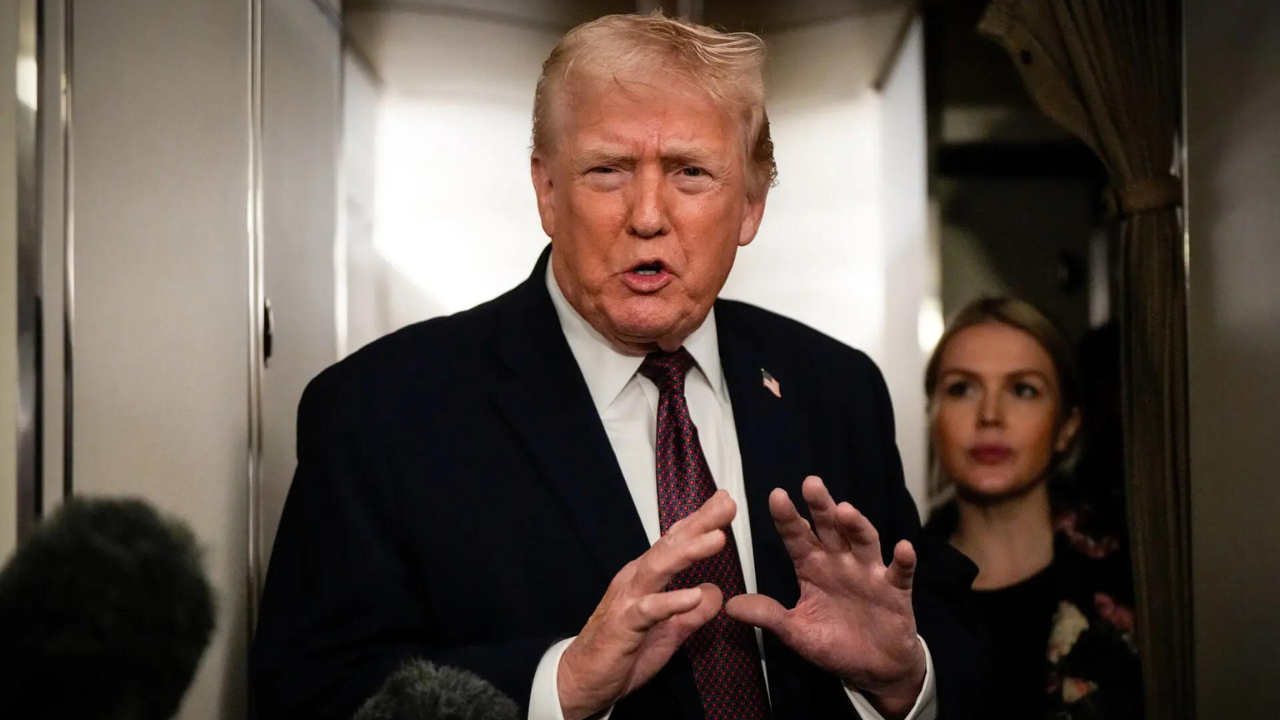
Reports indicate that a prominent former leader is less than satisfied with the ongoing nuclear discussions concerning Iran. This sentiment underscores a persistent and complex challenge in international foreign policy.
His expressed unhappiness highlights potential areas of divergence between past and current approaches to a critical geopolitical issue.
Initial Reactions to Ongoing Discussions
The former administration’s perspective on Iran’s nuclear ambitions has consistently advocated for a tougher stance. Therefore, any perceived leniency in current talks would likely draw criticism.
These reactions are not merely political statements but reflect deeply held beliefs about national security and regional stability.
The Historical Context: A Look Back at the Joint Comprehensive Plan of Action
To understand the current discourse, it is crucial to revisit the Joint Comprehensive Plan of Action, commonly known as the JCPOA. This agreement was a landmark international accord.
It aimed to prevent Iran from developing nuclear weapons in exchange for sanctions relief.
Origins and Objectives of the 2015 Agreement
The JCPOA was signed in 2015 by Iran and the P5+1 group—China, France, Germany, Russia, the United Kingdom, and the United States. Its primary goal was to constrain Iran’s nuclear program.
The deal sought to extend the “breakout time” Iran would need to produce enough fissile material for a nuclear weapon, thereby providing more time for international response.
Key Provisions and International Oversight
Under the JCPOA, Iran agreed to significantly reduce its enriched uranium stockpile and centrifuges. It also permitted extensive international inspections by the International Atomic Energy Agency (IAEA).
In return, multilateral and national sanctions related to Iran’s nuclear program were lifted, opening avenues for economic engagement.
Trump’s Presidency and the JCPOA: The Withdrawal and Its Rationale
The previous US administration took a definitive stance on the JCPOA. It ultimately led to a significant shift in American foreign policy towards Iran.
This decision reverberated across global diplomatic circles and had lasting repercussions.
Concerns Over “Flawed” Deal
The former president consistently criticized the JCPOA, labeling it “the worst deal ever” during his campaign and presidency. He argued it did not adequately address Iran’s ballistic missile program or its regional destabilizing activities.
His administration believed the deal’s sunset clauses would eventually allow Iran to pursue nuclear weapons development unhindered.
Reinstatement of Sanctions and “Maximum Pressure”
In May 2018, the United States formally withdrew from the JCPOA. This move was followed by the re-imposition of stringent economic sanctions on Iran.
The “maximum pressure” campaign aimed to compel Iran to negotiate a new, more comprehensive agreement that would cover a wider range of issues.
Current Landscape of Negotiations: Renewed Efforts and Diplomatic Maneuvers
Following the change in US administration, there has been a renewed focus on diplomatic engagement with Iran. Efforts have been made to revive some form of nuclear agreement.
These efforts aim to de-escalate tensions and restore international oversight of Iran’s nuclear activities.
Biden Administration’s Approach
The current administration has expressed a desire to return to the JCPOA, provided Iran also returns to full compliance. It views diplomacy as the most effective path forward.
However, negotiations have been protracted and fraught with challenges, reflecting the deep distrust between the parties.
The Role of International Actors
Other signatories to the JCPOA, including European powers (France, Germany, UK), Russia, and China, have consistently advocated for the deal’s preservation. They have played crucial mediating roles in recent talks.
These international actors aim to facilitate a diplomatic solution that prevents nuclear proliferation and maintains regional stability.
Reasons Behind Former Leader’s Discontent: Foundational Disagreements and Strategic Divergence
The former president’s displeasure stems from fundamental disagreements regarding the approach to Iran. His administration’s policy was built on a different philosophy.
This divergence highlights two distinct schools of thought on how to manage the Iranian nuclear threat and its regional ambitions.
Perceived Weaknesses in New Proposals
From the perspective of the former administration, any renewed agreement that resembles the original JCPOA would be inherently flawed. They likely perceive current proposals as insufficient to address long-term threats.
The absence of provisions addressing Iran’s ballistic missile program and its regional proxy forces remains a central point of contention.
A Vision for a “Better Deal”
The former leader’s vision has always been for a “better deal” – one that is more comprehensive and permanent. This would ideally encompass all aspects of Iran’s malign activities.
His administration sought an agreement that would not only halt nuclear development but also curb regional aggression and human rights abuses.
Implications for Regional Stability
There is a concern that current diplomatic efforts might inadvertently empower Iran or embolden its regional proxies. This could lead to further instability in an already volatile Middle East.
From this viewpoint, a weak deal could undermine the security interests of US allies in the region, such as Israel and Saudi Arabia.
Potential Implications of These Views: Impact on Domestic and International Policy
The former president’s public statements carry significant weight, both domestically and internationally. They can influence public opinion and shape future policy debates.
His continued involvement in public discourse on this issue ensures that the debate remains active and contentious.
Influence on Political Discourse
These remarks can galvanize political factions that share similar hardline views on Iran. This keeps the pressure on the current administration to adopt a tougher stance.
The commentary ensures that the Iran nuclear issue remains a prominent topic in American political discourse.
Challenges for Future Administrations
Should there be a future change in leadership, the previous administration’s stance could serve as a blueprint for renewed “maximum pressure.” This creates uncertainty for long-term policy.
The oscillating policy approaches can make it difficult for international partners to maintain consistent engagement with Iran.
Geopolitical Ramifications
The perception of inconsistency in US foreign policy can undermine its credibility on the global stage. Allies and adversaries alike might question the durability of any agreement.
Such shifts complicate international efforts to forge consensus on complex security challenges, including nuclear non-proliferation.
The Path Forward and Unknowns: Navigating Complex Diplomatic Terrain
The road to a stable and lasting resolution for the Iran nuclear issue remains highly uncertain. Many hurdles lie ahead for all parties involved.
Diplomacy in this region is always a delicate balance of power, trust, and national interests.
Hurdles to a Sustainable Agreement
Significant obstacles include the deep-seated mistrust between the US and Iran, differing interpretations of compliance, and the demands of regional actors. Each side seeks maximum concessions.
The technical complexities of verifying nuclear compliance also present ongoing challenges for international monitors.
The Role of Public Opinion and Leadership
Domestic public opinion in both the US and Iran, along with the steadfastness of leadership, will heavily influence the success or failure of ongoing talks. Political will is paramount.
Strong leadership is required to make difficult compromises that can pave the way for a viable agreement.
Staying Informed on latest trends
Understanding the evolving dynamics of the Iran nuclear negotiations requires constant monitoring of global events. The situation is fluid and highly susceptible to external influences.
Staying abreast of the latest trends provides crucial context for interpreting diplomatic developments and potential policy shifts.
Conclusion: An Enduring Foreign Policy Challenge
The Iran nuclear issue remains one of the most enduring and challenging foreign policy dilemmas for the United States and the international community. Opinions on its resolution are deeply divided.
The former president’s discontent serves as a potent reminder of these ongoing ideological battles over strategy and desired outcomes.
For more detailed information, please refer to the Official Source regarding these developments.
Frequently Asked Questions (FAQs)
1. What is the core issue that has upset the former President regarding Iran nuclear talks?
The former president’s discontent primarily stems from his belief that any agreement with Iran, particularly one resembling the original JCPOA, is inherently flawed and too lenient. He consistently argued that the 2015 deal did not adequately address Iran’s ballistic missile program, its support for regional proxy groups, or the eventual “sunset” clauses that would lift restrictions on its nuclear program. His unhappiness reflects a continued push for a more comprehensive and stringent agreement that permanently curtails Iran’s nuclear ambitions and addresses its broader regional conduct.
2. What was the Joint Comprehensive Plan of Action (JCPOA)?
The JCPOA was a landmark nuclear agreement reached in 2015 between Iran and the P5+1 group (China, France, Germany, Russia, the United Kingdom, and the United States), plus the European Union. Under the agreement, Iran committed to significantly restricting its nuclear program for a specified duration, reducing its stockpile of enriched uranium and centrifuges, and allowing extensive international inspections by the IAEA. In exchange, the international community agreed to lift nuclear-related sanctions on Iran, aiming to integrate it back into the global economy.
3. Why did the US withdraw from the JCPOA under the previous administration?
The previous US administration withdrew from the JCPOA in May 2018 based on the argument that the deal was insufficient and failed to prevent Iran from eventually developing nuclear weapons. Critics, including the former president, asserted that the agreement did not cover Iran’s ballistic missile program or its destabilizing actions in the Middle East. The administration believed the deal’s sunset clauses would merely delay, rather than permanently halt, Iran’s nuclear ambitions, necessitating a more comprehensive “maximum pressure” campaign and a new, stricter agreement.
4. What is the current administration’s approach to the Iran nuclear deal?
The current US administration has expressed a clear intention to seek a return to the JCPOA, viewing it as the most effective path to prevent Iran from acquiring nuclear weapons. Their approach emphasizes diplomacy and multilateral engagement to revive the agreement, contingent on Iran returning to full compliance with its commitments. While acknowledging the deal’s imperfections, the current administration believes it provides the best framework for verifiable non-proliferation and de-escalation of tensions, differing significantly from the previous administration’s “maximum pressure” strategy.
5. Who are the main parties involved in the ongoing nuclear negotiations with Iran?
The primary parties involved in the ongoing nuclear negotiations with Iran typically include Iran itself and the remaining signatories of the JCPOA: China, France, Germany, Russia, and the United Kingdom. While the United States formally withdrew from the deal, it has been indirectly involved in recent talks, with other P5+1 members acting as intermediaries. The European Union also plays a significant facilitating role, and the International Atomic Energy Agency (IAEA) is central to verifying compliance.
6. What are Iran’s primary demands in the current discussions?
Iran’s primary demands in the current discussions center on securing robust economic benefits from the deal, including the lifting of all US sanctions imposed after the 2018 withdrawal. They also seek assurances that any future US administration will not unilaterally abandon the agreement again, which is a major point of contention. Iran wants to ensure the full and verifiable lifting of sanctions, particularly those related to its oil exports and banking sector, before it commits to full compliance with its nuclear obligations.
7. How do the former President’s concerns differ from the current administration’s strategy?
The former president’s concerns differ fundamentally from the current administration’s strategy in scope and method. The former advocated for a complete renegotiation leading to a “better deal” that addresses nuclear issues, ballistic missiles, and regional activities, enforced through “maximum pressure” sanctions. The current administration, conversely, aims to restore the original JCPOA through diplomacy, focusing primarily on the nuclear aspects as a foundational step, believing it is the best available mechanism for non-proliferation and de-escalation, even while acknowledging other concerns about Iran’s behavior.
8. What could be the regional implications of a renewed or failed nuclear agreement?
A renewed nuclear agreement could potentially reduce regional tensions by limiting Iran’s nuclear capabilities, but it might also be viewed with skepticism by some regional rivals of Iran, like Israel and Saudi Arabia, if they perceive it as too weak. Conversely, a failed agreement could lead to increased regional instability, potentially sparking a nuclear arms race, heightening military confrontations, and deepening existing proxy conflicts, as Iran might further accelerate its nuclear program without international oversight and sanctions relief.
9. Is there a possibility of the US re-entering the original JCPOA without modifications?
The current US administration has indicated its willingness to re-enter the original JCPOA without modifications, provided Iran also returns to full compliance. However, ongoing negotiations have shown that achieving this “snapback” to the original terms is complex due to the passage of time, advancements in Iran’s nuclear program, and the political demands of all parties involved. While theoretically possible, practical implementation faces significant diplomatic hurdles and requires mutual concessions.
10. How might the former President’s public statements influence the future of US foreign policy towards Iran?
The former president’s public statements on Iran significantly influence the future of US foreign policy by keeping a hardline approach in public discourse and potentially shaping the agenda for future administrations. His consistent criticism of the JCPOA and advocacy for a tougher stance could pressure current and future leaders to adopt more stringent policies or complicate efforts to re-engage diplomatically. This ongoing commentary highlights a deep ideological divide within US foreign policy circles, ensuring that the Iran nuclear issue remains a contentious political subject regardless of who is in office.
Iran nuclear talks, Trump Iran, JCPOA, Iran nuclear deal, US Iran relations, Middle East diplomacy, nuclear non-proliferation, sanctions Iran, Biden Iran policy, Trump foreign policy, Iran negotiations, international diplomacy, P5+1, nuclear agreement, regional stability