





Senator Lindsey Graham recently ignited a firestorm of discussion with highly provocative statements regarding Iran and Cuba. His remarks, delivered with characteristic bluntness, have sent ripples through international diplomatic circles.
These declarations signal a potentially aggressive shift in foreign policy discourse, prompting urgent re-evaluations of existing strategies and alliances. The gravity of such pronouncements cannot be overstated, given the volatile nature of global affairs.
The Senator’s Fiery Declaration
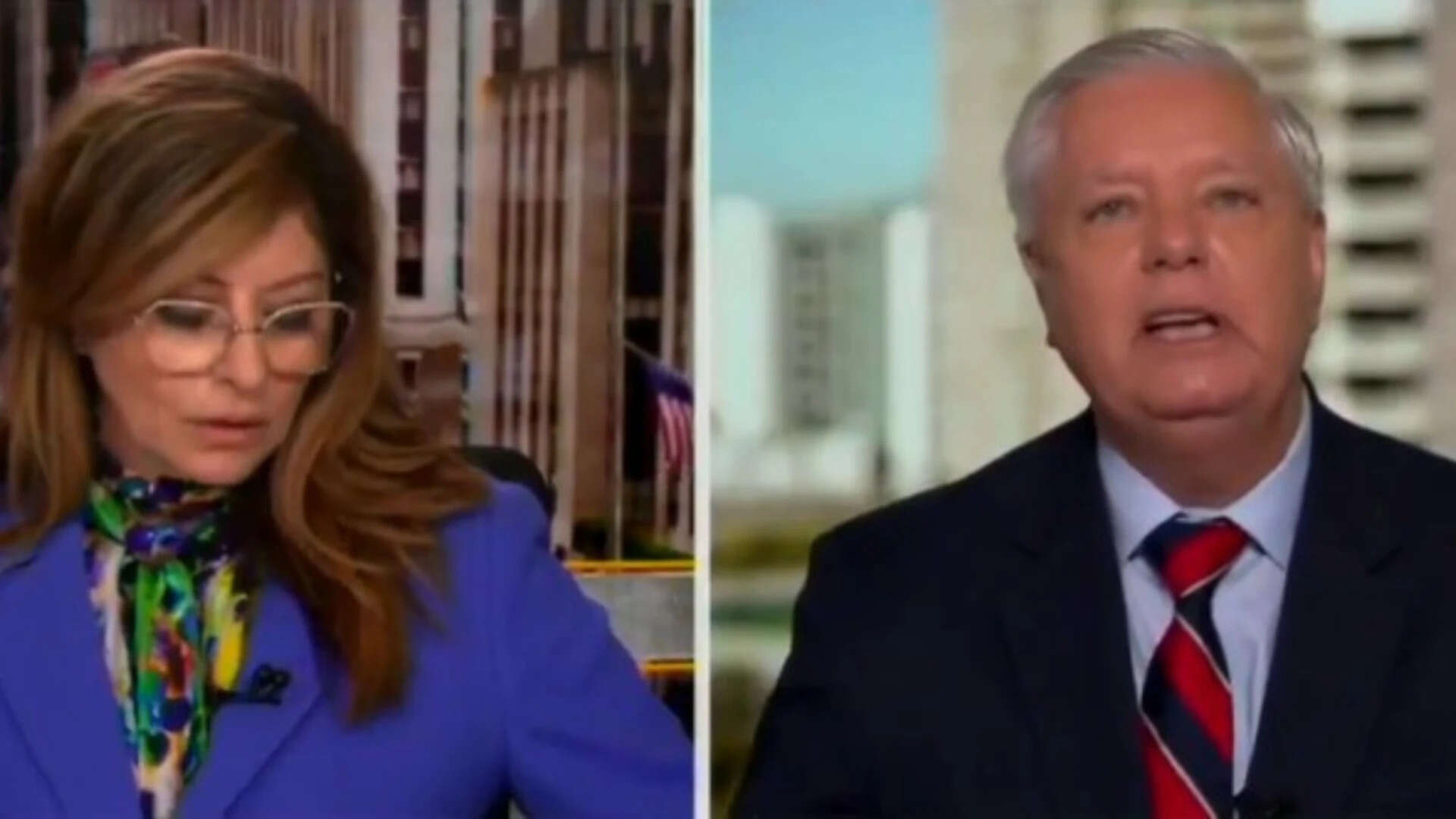
During a recent public forum, Senator Graham unequivocally stated that the United States should “blow the hell” out of Iran. This dramatic assertion immediately captured media attention and sparked intense debate.
He subsequently added a further layer of complexity by declaring that Cuba would be “next” in line for similar decisive action. For a direct report and Official Source, the full transcript of his comments is essential for accurate understanding.
Context Behind the Iran Remarks
Senator Graham’s strong stance on Iran is not new, reflecting a long-standing hawkish view on Tehran’s regional activities and nuclear ambitions. Tensions between the U.S. and Iran have been exceptionally high for decades, punctuated by periods of direct confrontation and proxy conflicts.
The U.S. has imposed extensive sanctions on Iran, aiming to curb its nuclear program and destabilizing actions across the Middle East. These economic pressures often serve as a backdrop for calls for more decisive measures, including military options.
Iran’s nuclear enrichment activities and its support for various non-state actors in Iraq, Syria, Lebanon, and Yemen are frequently cited as core concerns. These issues contribute to a deeply entrenched animosity that complicates any path to peaceful resolution.
Many policymakers view Iran as a primary destabilizing force in the region, justifying robust responses to its perceived threats. The intricate web of alliances and rivalries in the Middle East means any action against Iran carries enormous regional consequences.
The Cuba Connection: A Surprising Addition
The inclusion of Cuba in Senator Graham’s aggressive rhetoric was particularly striking, given the often different nature of U.S.-Cuba relations compared to those with Iran. While adversarial, U.S.-Cuba policy has traditionally focused more on economic embargoes and diplomatic isolation rather than direct military threats.
Historical grievances stemming from the Cold War, including the Cuban Missile Crisis and various covert operations, continue to cast a long shadow over bilateral ties. Despite these tensions, open military confrontation has largely been avoided in recent decades.
Recent years saw a brief thaw in relations under the Obama administration, which restored diplomatic ties and eased some travel restrictions. However, subsequent administrations have largely reversed these efforts, returning to a more stringent approach.
Graham’s suggestion of military action against Cuba could be interpreted as part of a broader strategy against perceived adversaries of U.S. interests, regardless of their immediate threat profile. This broadens the scope of his foreign policy vision significantly.
Geopolitical Ramifications and International Reaction
The potential implications of military action against Iran are vast and deeply concerning for global stability. Such a conflict would almost certainly disrupt the flow of oil through the Strait of Hormuz, causing unprecedented economic upheaval worldwide.
A direct military confrontation could rapidly escalate into a broader regional war, drawing in numerous Middle Eastern nations and potentially global powers. The humanitarian cost would be immense, resulting in widespread displacement and loss of life.
The prospect of a military strike against Iran also carries the risk of unforeseen retaliation, both conventional and asymmetric. This could extend conflict far beyond Iran’s borders, impacting global shipping and cybersecurity infrastructure.
International institutions and peace-keeping bodies would face an enormous challenge in containing such a conflict. The global order could be irrevocably altered, leading to a more fragmented and dangerous geopolitical landscape.
Reactions from Allies and Adversaries
Key U.S. allies, especially those in Europe and Asia, would likely express strong opposition to preemptive military action against Iran. Many have significant economic interests in the region and prefer diplomatic pathways to resolution.
These allies might face difficult decisions regarding their alignment with U.S. policy, potentially leading to strains within established alliances. This could undermine the collective security frameworks that have long underpinned international stability.
Conversely, adversaries like Russia and China would likely condemn any unilateral U.S. military action, potentially increasing their diplomatic and military support for Iran. This could further deepen existing geopolitical fissures and accelerate a new era of great power competition.
Regional actors, both friendly and hostile to the U.S., would also react in complex ways, driven by their own security concerns and strategic ambitions. The Middle East could become even more volatile, with new alliances and conflicts emerging.
Economic Repercussions of Conflict
The global economy would almost certainly suffer catastrophic consequences from a major conflict involving Iran. Oil prices would undoubtedly surge to unprecedented levels, triggering inflation and potentially a global recession more severe than any recent downturn.
International trade routes, particularly those reliant on maritime passage through the Middle East, would face severe disruptions. This would impact supply chains for a vast array of goods, leading to shortages and increased consumer costs worldwide.
Financial markets would experience extreme volatility, with significant drops in investor confidence and potential for widespread bankruptcies. The cost of financing military operations would also place immense strain on national budgets, diverting resources from critical domestic needs.
Reconstruction efforts, if such a conflict were to occur, would require trillions of dollars and decades of commitment. The long-term economic damage would be felt for generations, far outweighing any perceived short-term strategic gains.
Historical Precedents and Modern Diplomacy
History offers numerous cautionary tales about the unintended consequences and long-term costs of military interventions, especially in complex regions. The experiences in Iraq and Afghanistan highlight the difficulty of achieving desired political outcomes through force alone.
These historical precedents underscore the importance of comprehensive strategic planning and a deep understanding of local dynamics before considering military options. The “blow the hell out of” rhetoric often overlooks these crucial lessons.
Modern diplomacy, conversely, seeks to leverage negotiation, sanctions, and multilateral engagement to resolve disputes peacefully. While often slow and frustrating, diplomatic solutions tend to offer more sustainable and less costly outcomes in the long run.
The international community consistently advocates for dialogue and de-escalation, recognizing the immense destructive potential of contemporary warfare. Diplomatic initiatives remain the preferred first recourse for most global leaders facing geopolitical challenges.
The Role of Congress and Executive Power
Under the U.S. Constitution, the power to declare war is explicitly vested in Congress, reflecting a deliberate check on executive authority regarding military action. This constitutional framework is designed to prevent unilateral presidential decisions on matters of war and peace.
While presidents have historically utilized military force under various authorities, large-scale, sustained military campaigns against sovereign nations typically necessitate explicit congressional authorization. Senator Graham’s comments emphasize the need for robust legislative debate.
Any proposal for a military confrontation of the magnitude suggested would require careful scrutiny and extensive deliberation by both chambers of Congress. This process ensures public accountability and a thorough assessment of national interests and potential risks.
The balance between executive agility in foreign policy and congressional oversight is a perennial tension in American governance. Discussions like these bring that tension sharply into focus, prompting important constitutional questions.
Searching for Diplomatic Alternatives
Even in the face of escalating tensions and strong rhetoric, the pursuit of diplomatic alternatives remains a vital imperative. Open communication channels, even indirect ones, can prevent miscalculations and offer pathways to de-escalation.
Multilateral negotiations, involving key international actors, can provide a framework for addressing complex issues like nuclear proliferation or regional proxy conflicts. Such efforts require patience and a willingness to compromise from all parties involved.
Smart sanctions, carefully targeted to pressure regimes without unduly harming civilian populations, represent another diplomatic tool. These measures aim to compel behavioral changes through economic leverage rather than military might.
Exploring creative solutions that address the underlying grievances and security concerns of all parties is crucial for achieving lasting peace. Diplomatic ingenuity often yields better long-term results than immediate military solutions.
Public Opinion and Media Scrutiny
Senator Graham’s assertive statements have generated widespread discussion among the American public and international audiences. Public opinion on military intervention is complex, often shifting based on perceived threats, economic conditions, and moral considerations.
The media plays a pivotal role in shaping these public discussions, providing diverse perspectives and scrutinizing official narratives. Responsible journalism helps to inform citizens and hold leaders accountable for their pronouncements and policies.
Understanding public sentiment and its evolution is crucial for policymakers in democratic societies. For insights into developing societal views, monitoring latest trends can offer valuable perspectives on these complex issues.
The interplay between political rhetoric, media coverage, and public reaction forms a critical feedback loop in shaping national foreign policy debates. These dynamics can significantly influence the viability of various policy options.
Ethical Considerations of Military Action
The ethical implications of launching military action against sovereign nations are profound and must be carefully weighed. Such decisions inevitably lead to civilian casualties, displacement, and widespread humanitarian crises that reverberate for generations.
International humanitarian law exists to mitigate the worst impacts of warfare, but it cannot eliminate the inherent suffering caused by armed conflict. The principle of proportionality and the distinction between combatants and civilians are critical ethical benchmarks.
Beyond immediate physical harm, war often leaves deep psychological scars on populations, fostering resentment and creating new cycles of violence. A holistic ethical assessment considers these broader societal and long-term impacts.
The justification for war, particularly a preemptive one, must withstand rigorous moral scrutiny based on principles of justice and necessity. The ethical burden on decision-makers is immense when considering actions with such far-reaching consequences.
The Path Forward: De-escalation or Confrontation?
Senator Graham’s recent rhetoric clearly points towards a confrontational approach, advocating for decisive military action. This stance aligns with a segment of foreign policy thought that believes in strong deterrence and preemptive strikes against perceived threats.
However, a significant portion of the international community and many U.S. policymakers advocate for de-escalation, diplomacy, and the avoidance of costly military entanglements. They emphasize the importance of multilateral cooperation and peaceful conflict resolution.
The choice between these two paths will define the future trajectory of U.S. foreign policy and global stability. Each option carries distinct risks and opportunities that require careful consideration by leaders.
Ultimately, the decision rests on a comprehensive evaluation of strategic interests, humanitarian concerns, economic impacts, and the long-term vision for international order. The global community watches intently for the direction chosen.
Frequently Asked Questions
These detailed FAQs address common inquiries regarding Senator Graham’s statements and their broader implications, providing clarity on a complex geopolitical topic.
What exactly did Senator Graham say about Iran and Cuba?
Senator Lindsey Graham, a prominent Republican voice, publicly stated that the United States should “blow the hell” out of Iran. He then provocatively added that Cuba would be the subsequent target for similar aggressive military measures, indicating a broad and forceful foreign policy posture.
What is the current U.S. policy towards Iran?
The current U.S. policy toward Iran is characterized by robust economic sanctions aimed at limiting its nuclear program and regional influence. While the Biden administration has expressed a willingness to engage diplomatically, significant disagreements and a lack of trust have stalled efforts to revive the 2015 nuclear deal (JCPOA).
What is the current U.S. policy towards Cuba?
U.S. policy towards Cuba remains largely restrictive, marked by a long-standing economic embargo and various sanctions. While there was a brief period of normalized relations under the Obama administration, the current approach under President Biden has largely reverted to a stricter stance, citing human rights concerns and supporting Cuban dissidents.
What would be the geopolitical impact of military action against Iran?
Military action against Iran would likely have catastrophic geopolitical consequences, including widespread instability across the Middle East, potential regional proxy wars, and massive refugee flows. It could also lead to global energy market disruptions, potentially drawing in major international powers and fundamentally altering global security dynamics.
What are the economic consequences of such actions?
The economic ramifications would be severe and far-reaching, encompassing an unprecedented surge in global oil prices, massive disruptions to international shipping and supply chains, and a likely global recession. The financial cost of military engagement itself, coupled with long-term reconstruction needs, would be staggering for all involved nations.
How might international allies react to such military action?
Many U.S. allies, particularly in Europe, would likely oppose military intervention, prioritizing diplomatic solutions and de-escalation. Such action could strain existing alliances, erode international cooperation on other global issues, and lead to a significant diplomatic backlash against the United States, further isolating it on the world stage.
What are the historical precedents for such aggressive rhetoric?
History provides numerous instances where aggressive rhetoric preceded or fueled military conflicts, such as during the Cold War or in the lead-up to the Iraq War. While such language can mobilize domestic support, it often escalates international tensions, narrows diplomatic options, and can increase the likelihood of actual military engagement through miscalculation or overreaction.
Are diplomatic alternatives being pursued regarding Iran and Cuba?
Yes, diplomatic avenues, though often challenging and fraught with setbacks, are continuously explored for both nations. For Iran, international efforts to revive nuclear talks persist, while engagement with Cuba, though limited, occurs through specific channels, often focusing on humanitarian issues or specific bilateral concerns, underscores the ongoing preference for non-military solutions.
What role does Congress play in authorizing military action?
Under the U.S. Constitution, Congress holds the exclusive power to declare war. While presidents possess authority for limited military operations without explicit declarations, any large-scale, prolonged, or offensive military action against a sovereign nation like Iran or Cuba would typically require a formal declaration of war or specific authorization from Congress, ensuring legislative oversight over such monumental decisions.
How do these comments reflect on overall U.S. foreign policy?
Senator Graham’s comments reflect a hawkish, interventionist strain within U.S. foreign policy that prioritizes forceful responses to perceived threats and adversaries. This perspective contrasts sharply with approaches emphasizing multilateralism, diplomacy, and strategic restraint, illustrating the ongoing internal debate and diverse ideological currents shaping America’s global posture.
SEO Keywords
Lindsey Graham Iran, Cuba U.S. policy, geopolitical tensions, military action Iran, U.S. foreign policy, diplomatic alternatives, Middle East conflict, global stability, economic consequences war, congressional war powers, Iran nuclear program, Cuba sanctions, international relations, foreign policy debate, Senator Graham comments, US Iran relations, US Cuba relations, foreign policy rhetoric, national security, global crisis.
Source: Times of India