



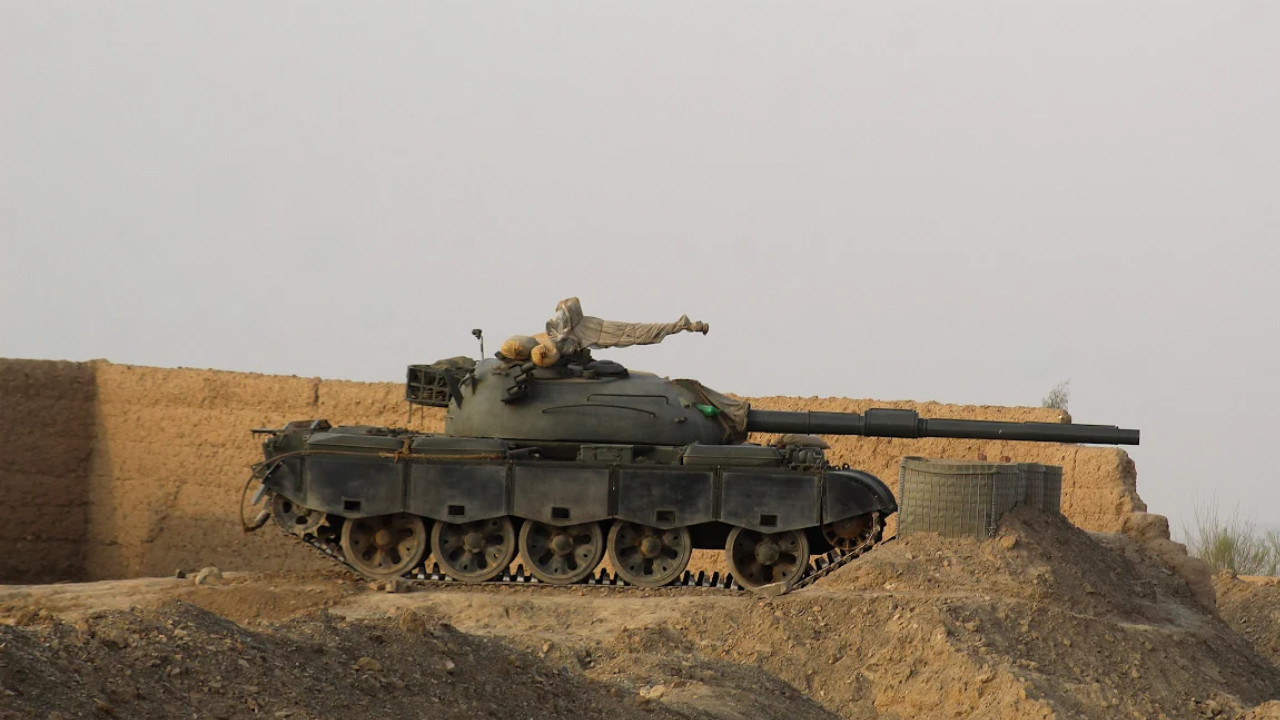
Recent events have dramatically altered the geopolitical landscape between two neighboring nations. A series of calculated military operations has plunged the region into heightened tension.
Reports confirm that strategic targets, including military posts and logistical hubs, have been successfully engaged. This marks a significant escalation in the long-simmering border disputes.
The Genesis of Escalation
Tensions between the two countries have been steadily rising over several months. Cross-border militant activities and accusations of harboring hostile groups have fueled animosity.
Diplomatic efforts to de-escalate the situation had reportedly stalled, paving the way for more direct action. Both sides had issued warnings regarding their intent to protect national interests.
Historical Context of Border Disputes
The shared border has historically been a flashpoint for various conflicts. Issues of demarcation and porous frontiers have complicated security efforts for decades.
Successive governments on both sides have struggled to establish lasting peace and stability in the tribal regions. This continuous friction creates fertile ground for militant groups to operate.
Intelligence Preceding the Strikes
Intelligence agencies had reportedly gathered substantial evidence regarding militant strongholds. These reports indicated the presence of groups involved in cross-border attacks.
Specific locations were identified as crucial operational bases for these elements. This intelligence reportedly formed the basis for the subsequent military planning and execution.
Details of the Targeted Strikes
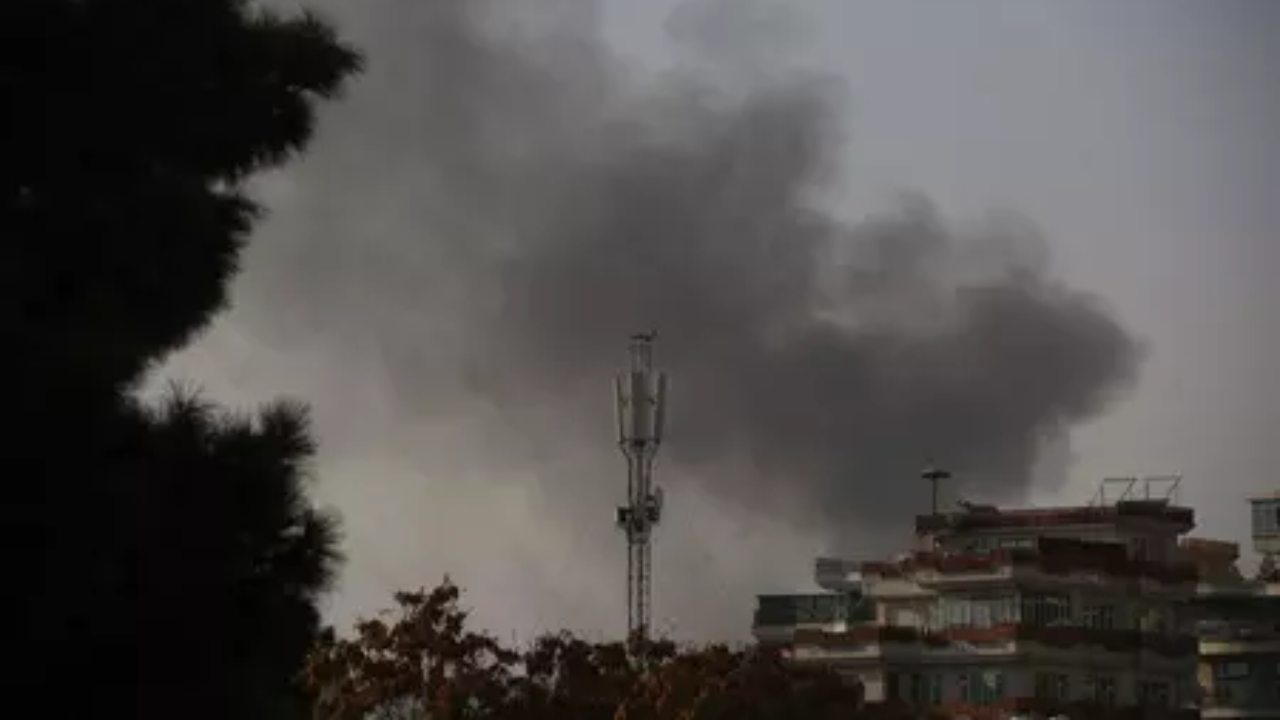
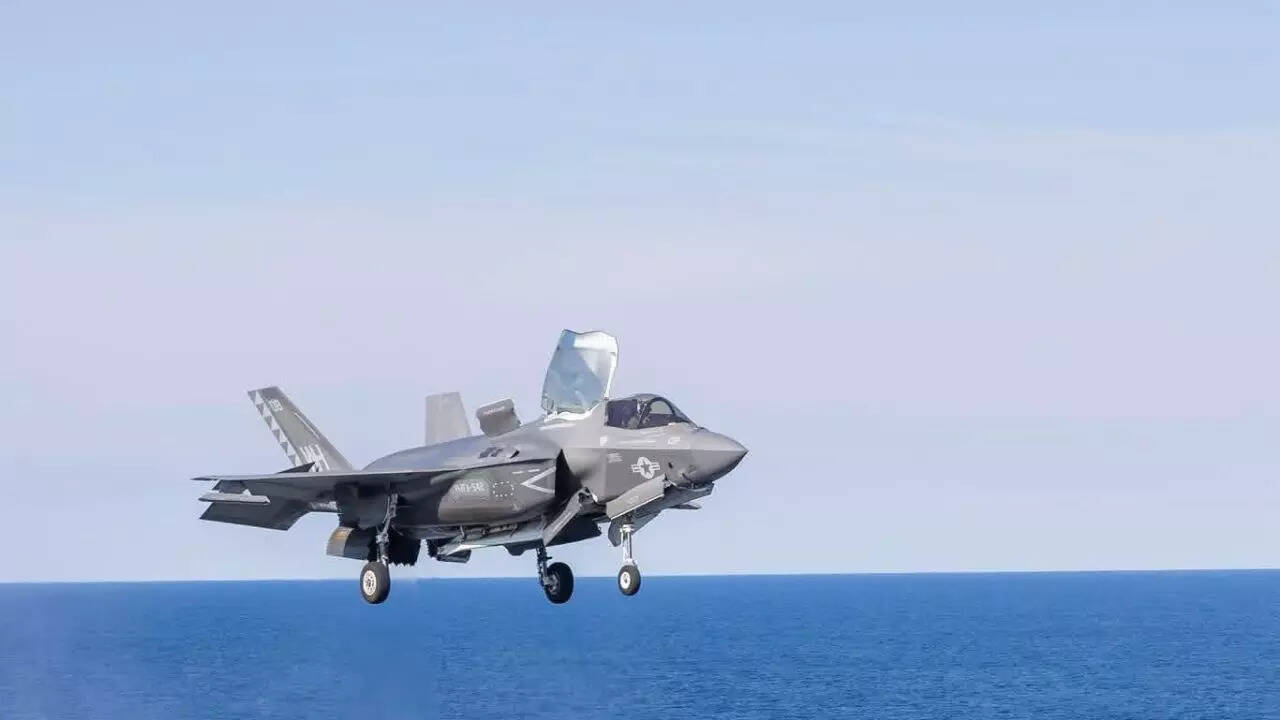
Military sources have confirmed a series of precision strikes conducted across the border. These operations reportedly targeted key infrastructure used by militant organizations.
The objective was to dismantle their operational capabilities and reduce the threat of future incursions. These actions were described as a direct response to persistent security challenges.
Key Targets Identified and Hit
Among the primary targets were several identified Taliban military posts. These positions were believed to be launchpads for various destabilizing activities.
Additionally, multiple headquarters (HQs) vital to the command and control of these groups were also engaged. Disrupting leadership structures is a critical component of such operations.
Ammo depots and logistical supply lines represented other crucial targets. Destroying these assets severely impacts the militants’ ability to sustain operations.
The intent was to cripple their ability to conduct future attacks and protect the border region. This strategic approach aims to degrade their fighting capacity significantly.
Geographic Scope of Operations
The strikes were reportedly concentrated in specific border provinces known for militant activity. These regions have historically been difficult to control due to rugged terrain.
Reports suggest areas like Paktika and Khost were among those affected. These provinces share a direct border and have been central to cross-border movements.
Precision targeting was emphasized to minimize collateral damage. Military planners aimed to isolate militant infrastructure from civilian populations as much as possible.
The scale of the operation indicated a comprehensive effort to address the perceived threat. This was not merely a retaliatory measure but a strategic offensive.
Immediate Aftermath and Reactions
The immediate aftermath of the strikes saw a sharp increase in rhetoric from both sides. Declarations of “open war” highlighted the severity of the situation.
Official statements condemned the actions while simultaneously defending their right to self-defense. This diplomatic volley underscored the profound shift in relations.
Statements from Official Sources
One nation’s foreign ministry issued a strong condemnation of the attacks, labeling them as a violation of sovereignty. They called for immediate cessation of such hostilities.
Conversely, the striking nation’s government asserted its right to take pre-emptive action against threats originating from across its borders. This stance emphasized national security imperatives.
For more details, you can refer to an Official Source for comprehensive coverage.
International Community’s Response
The international community has largely called for de-escalation and dialogue. Major powers have urged both nations to refrain from further military action.
Concerns were raised about the potential for wider regional instability. Diplomatic channels are reportedly being engaged to mediate a peaceful resolution to the conflict.
Implications for Regional Stability
The recent military actions carry significant implications for the broader region. The escalation threatens to destabilize an already fragile geopolitical environment.
Observers are closely monitoring the situation for signs of further escalation or a return to diplomatic engagement. The path forward remains uncertain and fraught with challenges.
Economic Repercussions
Escalating conflict often leads to severe economic repercussions for all involved parties. Trade routes and investment flows can be significantly disrupted.
The humanitarian cost also rises dramatically, placing further strain on already limited resources. Regional development initiatives may suffer significant setbacks.
Future of Cross-Border Relations
The current state of affairs suggests a challenging road ahead for cross-border relations. Trust has been severely eroded, making reconciliation difficult.
However, history shows that even the most strained relationships can eventually find a path to dialogue. The onus is now on leadership to guide their nations towards a less confrontational future.
Keeping track of the latest trends in international diplomacy and conflict resolution will be crucial during these times.
Frequently Asked Questions (FAQs)
1. What prompted the recent military strikes across the border?
The strikes were reportedly a response to persistent cross-border militant activities and accusations of harboring groups responsible for attacks. There was a perceived increase in threats originating from across the border, leading the striking nation to take direct action after diplomatic efforts reportedly stalled.
2. Which specific targets were hit during the operations?
Reports indicate that key militant infrastructure was targeted, including several Taliban military posts, headquarters (HQs), and critical ammunition depots. Logistical supply lines used by these groups were also among the identified objectives, aiming to cripple their operational capabilities.
3. Which regions were primarily affected by these strikes?
The military operations were concentrated in specific border provinces known for militant strongholds, such as Paktika and Khost. These areas share a direct border with the striking nation and have historically been used as transit points for cross-border activities.
4. What was the immediate official reaction to the strikes?
The nation whose territory was hit issued strong condemnations, calling the actions a violation of its sovereignty and demanding an immediate halt. The striking nation, conversely, defended its actions as a necessary measure for national security, asserting its right to pre-emptive strikes against threats.
5. How has the international community responded to the escalation?
The international community has largely expressed concern, urging both nations to de-escalate tensions and engage in dialogue. Major global powers have called for restraint to prevent wider regional destabilization and have indicated willingness to facilitate diplomatic solutions.
6. What does “open war” signify in this context?
“Open war” signifies a dramatic escalation in hostilities where military actions are no longer covert or limited to minor skirmishes, but involve direct and acknowledged targeting of military assets. This phrase highlights a significant shift in the strategic posture between the two nations, indicating a readiness for sustained conflict if necessary.
7. What are the potential long-term implications for regional stability?
The long-term implications could include prolonged instability, increased refugee flows, disruption of trade, and a heightened risk of further conflict. It also complicates existing counter-terrorism efforts and could lead to new alliances or realignments in the region, affecting broader geopolitical dynamics.
8. Were there any civilian casualties reported?
While official reports from the striking nation emphasized precision targeting to minimize collateral damage, the nation whose territory was hit has claimed civilian casualties. Independent verification is often challenging in such conflict zones, but these claims contribute to the heightened rhetoric and condemnation.
9. What measures are being taken to prevent further escalation?
Beyond official condemnations and defenses, diplomatic channels are reportedly being engaged by international mediators. There is a strong emphasis from external actors on returning to dialogue and respecting sovereignty, though direct formal negotiations between the two nations remain challenging given the current state of animosity.
10. How do these strikes compare to previous border incidents?
These strikes represent a significant escalation compared to past border incidents, which often involved smaller-scale exchanges or retaliatory fire. The targeting of multiple military posts, HQs, and large ammunition depots suggests a more organized, pre-planned, and extensive operation, marking a qualitative shift in the nature of cross-border engagement.
Conclusion
The recent military strikes across the border have undeniably ushered in a new, more volatile phase of relations. The declarations of “open war” underscore the gravity of the situation and the immediate challenges facing regional peace.
While the path to de-escalation is complex, sustained international pressure and renewed diplomatic efforts will be critical. The hope remains that dialogue can eventually prevail over conflict, preventing further humanitarian and economic costs.
Pakistan strikes, Afghanistan strikes, Taliban military posts, HQs hit, ammo depots, cross-border escalation, regional conflict, border dispute, military action, geopolitical tension, Paktika strikes, Khost attacks, regional stability, counter-terrorism, South Asia conflict
Source: Times of India