






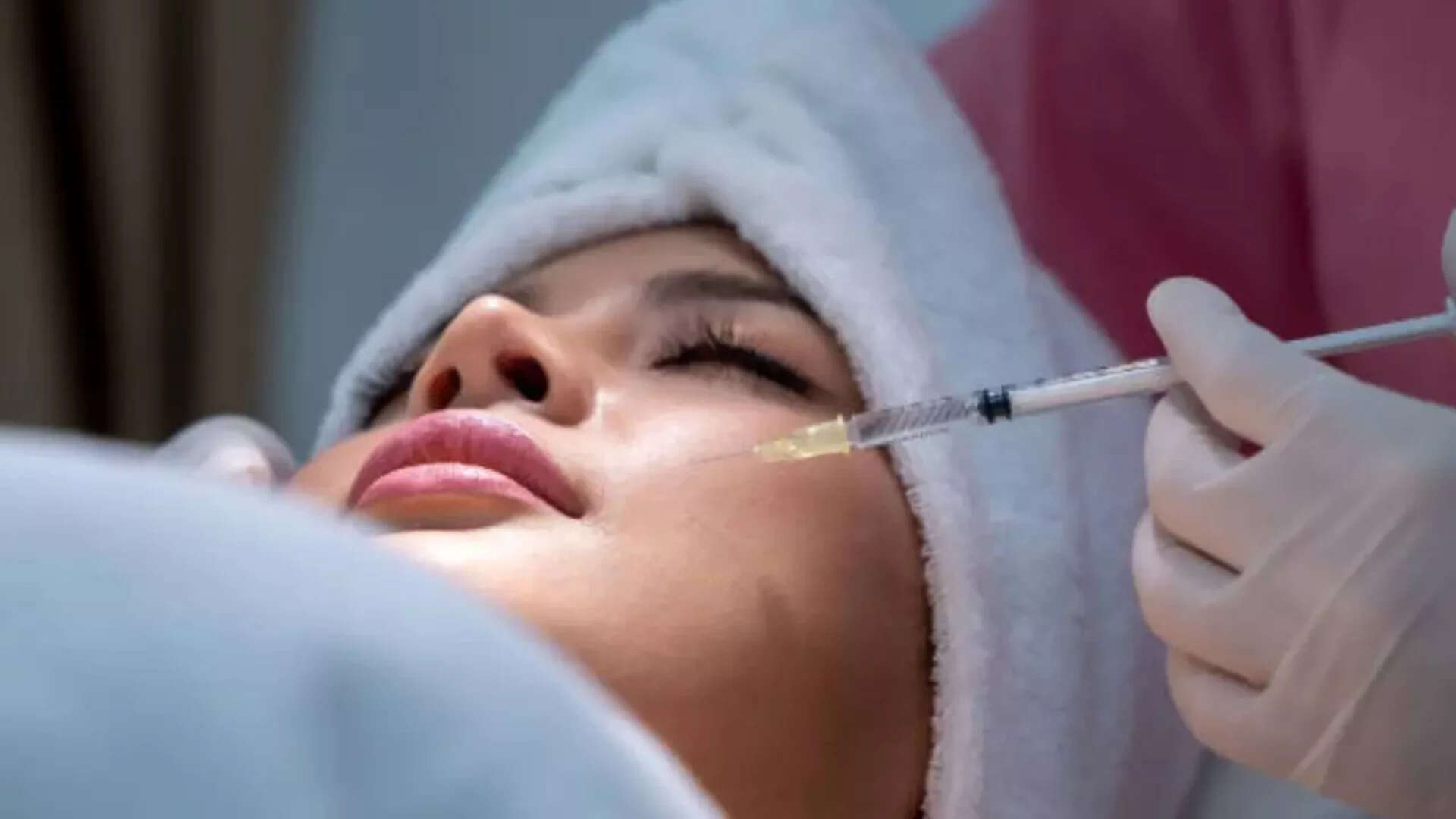
The landscape of cosmetic enhancements in Saudi Arabia is undergoing a significant transformation. As demand for non-invasive aesthetic procedures like Botox and dermal fillers continues to surge, the Kingdom is taking proactive steps to safeguard public health and ensure patient safety.
These stringent new regulations aim to professionalize the industry, requiring specialist medical supervision for these popular treatments. This move reflects a global trend towards greater oversight in the rapidly expanding field of aesthetic medicine, prioritizing expertise and patient well-being above all else.
The New Regulatory Landscape in Saudi Arabia
Saudi Arabia has officially tightened its regulations concerning the administration of injectable aesthetic treatments. The Ministry of Health’s updated guidelines are a direct response to the burgeoning market and the need for enhanced consumer protection.
These new rules establish a clear framework for who can perform treatments, where they can be performed, and under what conditions. The objective is to eliminate unqualified practitioners and standardize care across the Kingdom’s aesthetic clinics.
Why the Change?
The rapid growth of the aesthetic industry has unfortunately led to an increase in services provided by individuals lacking proper medical qualifications. This unregulated environment posed significant risks, ranging from minor complications to severe, irreversible damage.
Patient safety became a paramount concern for authorities. The new regulations are a direct measure to combat these risks, ensuring that only highly trained and certified medical professionals administer these potent substances.
Key Mandates: Specialist Supervision
The cornerstone of the new regulations is the mandatory requirement for specialist supervision. This means that treatments like Botox and dermal fillers must now be administered by or under the direct supervision of qualified dermatologists or plastic surgeons.
This mandate elevates the level of medical expertise involved in each procedure. It ensures that practitioners possess an in-depth understanding of facial anatomy, potential complications, and emergency protocols, drastically reducing the margin for error.
Impact on Clinics and Practitioners
For aesthetic clinics and individual practitioners, these changes necessitate significant adaptation. Facilities must ensure their staff meets the new qualification criteria and that their operational procedures align with the updated guidelines.
Unqualified individuals who previously offered these services will no longer be permitted to do so. This will likely lead to a consolidation of reputable clinics and an increased demand for highly skilled medical specialists within the Kingdom.
Impact on Consumers
While potentially leading to a slight increase in treatment costs due to the required expertise, the primary impact on consumers is overwhelmingly positive. Patients can now approach aesthetic treatments with greater confidence in the safety and efficacy of their chosen provider.
These regulations empower consumers by providing a clear benchmark for professional standards. It enables them to make more informed decisions about their aesthetic care, prioritizing safety over potentially cheaper, but riskier, alternatives.
Understanding the Treatments: Botox and Dermal Fillers
Botox and dermal fillers are two of the most popular non-surgical cosmetic treatments worldwide. They offer effective solutions for various aesthetic concerns, but their mechanisms and applications differ significantly.
Understanding these differences is crucial for anyone considering these procedures. The new regulations underscore the medical nature of these treatments, emphasizing the need for professional understanding and application.
What is Botox?
Botox, a brand name for botulinum toxin, is a neurotoxin that temporarily paralyzes muscles. It is primarily used to smooth dynamic wrinkles caused by repetitive facial expressions, such as frown lines, forehead lines, and crow’s feet.
The effects typically last three to six months, after which muscle activity gradually returns. Its application requires precise knowledge of facial musculature to achieve natural-looking results and avoid unwanted side effects.
What are Dermal Fillers?
Dermal fillers are gel-like substances injected beneath the skin to restore lost volume, smooth lines, soften creases, or enhance facial contours. They are commonly made from hyaluronic acid, a naturally occurring substance in the body.
Fillers can address static wrinkles, plump lips, enhance cheeks, and improve the appearance of hollow areas. The duration of their effects varies depending on the type of filler and the area treated, typically lasting from six months to over a year.
Key Differences and Similarities
The primary difference lies in their mechanism of action: Botox relaxes muscles, while fillers add volume. Botox targets dynamic wrinkles, whereas fillers primarily address static wrinkles and volume loss.
Both treatments are minimally invasive, temporary, and require skilled injection techniques. They both carry potential risks if administered incorrectly, which is precisely why Saudi Arabia has mandated specialist supervision for both procedures.
Navigating the New Rules: What Consumers Need to Know
For individuals residing in Saudi Arabia considering aesthetic injectable treatments, navigating the new regulatory landscape is essential. Being informed and asking the right questions will ensure a safe and satisfactory experience.
The onus is now on consumers to seek out qualified professionals, and these new rules provide a clearer path for doing so. Empowering oneself with knowledge is the first step towards responsible aesthetic care.
Verifying Practitioner Credentials
Under the new mandates, it is crucial for patients to verify the credentials of their chosen practitioner. Ensure they are a board-certified dermatologist or plastic surgeon, or operating under their direct, verifiable supervision.
Do not hesitate to ask for proof of qualifications, licenses, and experience in administering the specific treatments you are interested in. A reputable clinic and practitioner will always be transparent about their certifications.
Clinic Standards and Regulations
Beyond the individual practitioner, assess the clinic itself. It should be a licensed medical facility, adhering to strict hygiene and safety protocols.
Look for a clean environment, proper sterilization procedures, and a professional atmosphere. A well-regulated clinic will prioritize patient safety and maintain high standards across all aspects of its operations.
The Consultation Process
A thorough consultation is a non-negotiable part of the process. The practitioner should conduct a detailed assessment of your medical history, discuss your aesthetic goals, and explain the treatment in detail, including potential risks and benefits.
They should also provide a clear treatment plan, including the specific products to be used and the expected outcomes. This is your opportunity to ask all questions and ensure you feel comfortable and fully informed before proceeding.
Potential Risks and Complications
Even with specialist supervision, all medical procedures carry some inherent risks. Common side effects include bruising, swelling, and redness at the injection site.
More severe, though rare, complications can include allergic reactions, infection, nerve damage, or vascular occlusion with fillers. A qualified specialist is best equipped to manage and mitigate these risks, and handle emergencies if they arise.
The Broader Context: Global Trends in Aesthetic Medicine
Saudi Arabia’s regulatory tightening is not an isolated event; it reflects a growing global awareness of the need for stricter controls in aesthetic medicine. Many countries are grappling with similar challenges posed by the industry’s rapid expansion.
The focus on specialist supervision aligns with best practices advocated by leading international medical associations. This ensures that safety standards keep pace with technological advancements and consumer demand.
Growth of the Non-Invasive Market
Globally, the non-invasive aesthetic market has experienced exponential growth over the past decade. Factors like minimal downtime, immediate results, and increasing social acceptance have fueled its popularity.
This surge has made treatments like Botox and fillers mainstream, moving them beyond niche luxury services. The accessibility of these procedures necessitates robust regulatory frameworks to ensure widespread safety.
Demand in the Middle East
The Middle East, including Saudi Arabia, has become a significant hub for aesthetic treatments. A youthful population, rising disposable incomes, and cultural influences contribute to a high demand for cosmetic enhancements.
The region often sees the latest trends in beauty and wellness adopted quickly. This high demand makes stringent regulation particularly vital to protect consumers within this burgeoning market.
The Role of Technology and Innovation
The aesthetic industry is constantly evolving with new products, techniques, and devices. Innovations aim to improve efficacy, reduce downtime, and enhance safety profiles.
However, rapid innovation also presents challenges for regulators to keep pace. The new Saudi rules provide a stable foundation to evaluate and integrate future advancements responsibly.
Ethical Considerations and Patient Education
Beyond medical competence, ethical considerations are paramount in aesthetic medicine. This includes ensuring informed consent, managing patient expectations realistically, and addressing body dysmorphia concerns.
Patient education is a critical component of ethical practice. Patients must understand the procedures, potential outcomes, and their responsibility in choosing a qualified provider, reinforced by the new regulations.
Looking Ahead: The Future of Aesthetics in Saudi Arabia
The recent regulatory changes are poised to shape the future of the aesthetic industry in Saudi Arabia. This is a pivotal moment that promises a higher standard of care and greater accountability across the sector.
The Kingdom’s commitment to patient safety will likely establish it as a leader in regulated aesthetic practices within the region, setting a benchmark for quality and professionalism.
Potential for Quality Improvement
By mandating specialist supervision, Saudi Arabia is making a clear statement about the importance of medical expertise. This will inevitably lead to a higher quality of care and better patient outcomes.
It encourages continuous professional development and adherence to best practices. Patients can expect treatments delivered with precision, backed by extensive medical knowledge and experience.
Challenges for the Industry
The transition may present challenges for some clinics and practitioners who do not meet the new criteria. There could be a period of adjustment as the industry adapts to stricter enforcement and higher standards.
Ensuring an adequate supply of qualified specialists to meet demand while maintaining access to services will be a key balancing act. Investment in training and education will be critical.
Empowering Consumers
Ultimately, these regulations empower consumers by providing a clearer pathway to safe and effective treatments. It shifts the responsibility from individual patients to scrutinize every provider, to a system that pre-screens for expertise.
This allows patients to make more confident choices, secure in the knowledge that their aesthetic journey is supported by official governmental oversight and medical professionalism.
The Kingdom of Saudi Arabia’s decision to mandate specialist supervision for Botox and filler treatments marks a significant advancement in patient safety and industry professionalism. It underscores a commitment to protecting its citizens and residents, ensuring that the pursuit of beauty is always undertaken responsibly and ethically.
For more detailed information, please refer to the Official Source. These reforms are a welcome development, promising a safer and more transparent future for aesthetic medicine in the region.
Frequently Asked Questions (FAQs)
1. What specifically are the new regulations in Saudi Arabia regarding Botox and fillers?
The new regulations mandate that aesthetic injectable treatments such as Botox and dermal fillers must be administered either by, or under the direct, verifiable supervision of, a qualified medical specialist. This primarily includes board-certified dermatologists or plastic surgeons. The aim is to ensure higher standards of safety and efficacy by requiring expert medical oversight for these procedures, thereby preventing unqualified individuals from performing them.
2. Why has Saudi Arabia decided to tighten these rules now?
The decision stems from the rapid expansion of the aesthetic treatment market and a corresponding rise in unqualified practitioners offering these services. Authorities identified a growing concern for patient safety due to potential complications, improper techniques, and the use of unregulated products. The tightened rules are a proactive measure to safeguard public health and standardize the quality of aesthetic care across the Kingdom.
3. Who is now qualified to administer Botox and fillers under the new rules?
Under the updated regulations, only qualified medical specialists such as board-certified dermatologists or plastic surgeons are authorized to administer Botox and dermal fillers. Other medical professionals might be able to perform these procedures, but only under the direct and explicit supervision of one of these specialists. This ensures that the procedures are carried out by individuals with extensive medical training and anatomical knowledge.
4. How can I verify if my chosen practitioner is compliant with the new regulations?
Consumers are encouraged to proactively verify their practitioner’s credentials. You should ask for proof of their medical license, specialty certification (e.g., in dermatology or plastic surgery), and evidence of their experience with injectable treatments. Reputable clinics and specialists will readily provide this information. You can also cross-reference their credentials with official Saudi health directories or licensing bodies if available.
5. Will these new rules make Botox and filler treatments more expensive?
It is possible that the cost of Botox and filler treatments may experience a slight increase. This potential rise in price reflects the mandated involvement of highly qualified medical specialists, whose expertise and training command a higher fee. However, this increased cost is also an investment in enhanced safety, reduced risk of complications, and potentially superior results, offering greater value in the long run.
6. What are the potential consequences for clinics or practitioners who do not comply?
Non-compliant clinics or practitioners could face severe penalties, including hefty fines, suspension or revocation of their medical licenses, and potentially criminal charges. The regulations aim for strict enforcement to deter unauthorized practice and ensure patient safety. This also protects legitimate, compliant clinics from unfair competition by unqualified providers, promoting a more ethical marketplace.
7. What should I expect during a consultation now that the rules are stricter?
With stricter rules, expect a more comprehensive and medically focused consultation. The specialist will thoroughly review your medical history, discuss your aesthetic goals in detail, and perform a meticulous facial assessment. They will explain the procedure, potential risks, expected outcomes, and the specific products to be used, ensuring you are fully informed and provide explicit consent before any treatment begins.
8. Are there any specific types of Botox or fillers that are excluded or specifically targeted by these regulations?
The regulations broadly apply to all forms of botulinum toxin injections (e.g., Botox, Dysport, Xeomin) and all types of dermal fillers (e.g., hyaluronic acid, calcium hydroxylapatite, poly-L-lactic acid) used for aesthetic purposes. The focus is on the administration of these substances, regardless of brand or specific formulation, emphasizing that their use requires professional medical expertise due to their pharmacological and anatomical implications.
9. How do these new rules compare to international standards for aesthetic treatments?
Saudi Arabia’s new regulations align closely with evolving international best practices in aesthetic medicine. Many developed countries and leading medical organizations advocate for similar mandates, emphasizing that injectable aesthetic treatments are medical procedures requiring specialist oversight. This move positions Saudi Arabia among countries committed to the highest standards of patient safety and professional conduct in the aesthetic industry.
10. What advice would you give to someone considering Botox or fillers in Saudi Arabia under these new regulations?
My advice is to prioritize safety and expertise above all else. Seek out reputable, licensed clinics and verify the credentials of your chosen dermatologist or plastic surgeon. Have a thorough consultation, ask all your questions, and ensure you understand the procedure, risks, and aftercare. Do not be swayed by significantly lower prices from unverified sources, as your health and safety are paramount. Empower yourself with knowledge and choose wisely.
SEO Keywords
Saudi Arabia aesthetic regulations, Botox Saudi Arabia, Dermal fillers Saudi Arabia, Specialist supervision injectables, Aesthetic safety KSA, Cosmetic enhancements Saudi, Dermatologist Botox fillers, Plastic surgeon KSA aesthetics, Riyadh aesthetic clinics, Jeddah filler rules, Non-surgical cosmetic Saudi, Patient safety aesthetics, Medical aesthetics Saudi Arabia, Beauty regulations Middle East, Qualified aesthetic practitioners
Source: Times of India