


Unilateral Assertions Amidst Geopolitical Tensions
Recent statements from a prominent former world leader have ignited significant discussion across international diplomatic circles. These claims suggest an unexpected shift in long-standing geopolitical dynamics, particularly concerning relations with a historically estranged nation.
The assertions hint at a potential opening for dialogue, a prospect that has both intrigued and surprised observers worldwide. Such developments, if substantiated, could redefine regional power balances and global diplomatic strategies.
The Claim of Seeking Conversation
A Surprising Revelation
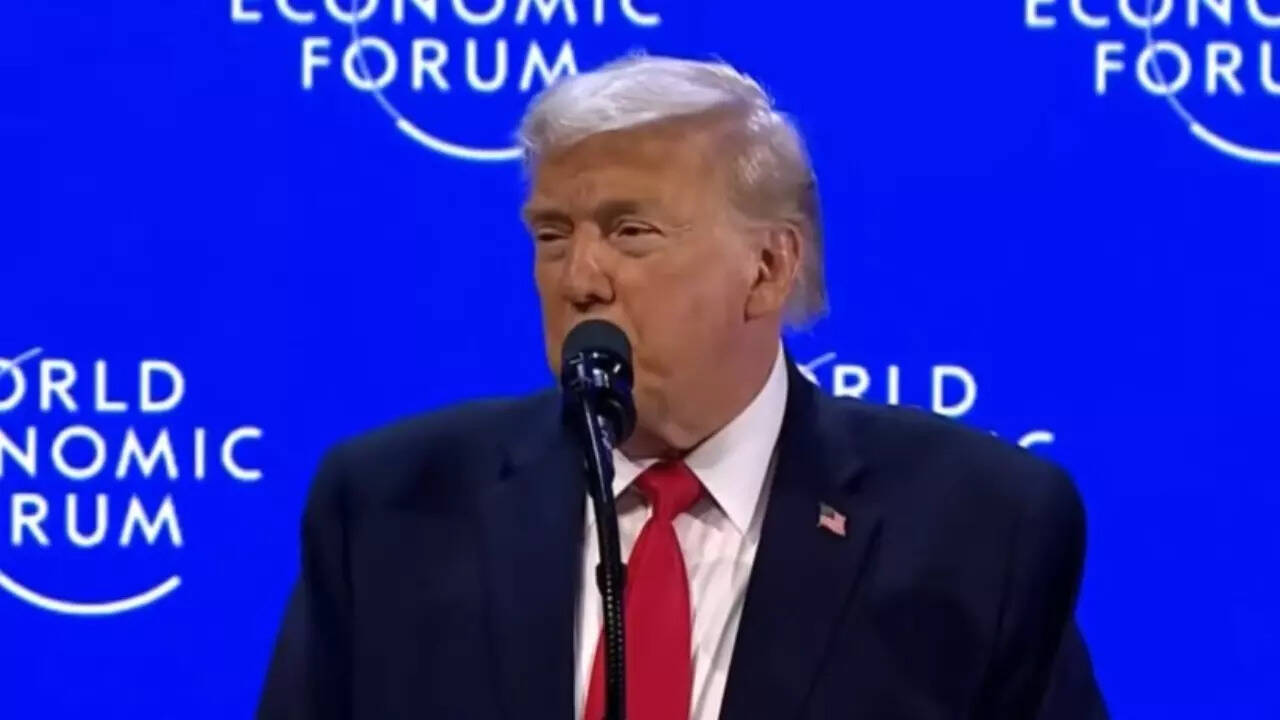
The former US President, Donald Trump, recently made public a claim that Iran is actively seeking discussions with him. He stated, “They want to talk, and I agreed,” during an interview, pointing towards an unexpected direct approach from Tehran.
This declaration was made during a period of heightened regional instability and continued international sanctions against Iran. The context of these claims adds layers of complexity to their interpretation.
Context of the Announcement
The remarks surfaced at a time when the broader international community continues to grapple with various crises. Such an alleged overture, if genuine, represents a notable departure from previous confrontational stances.
Sources indicate the statement was part of a broader discussion on foreign policy and international relations. You can find more details on this development from an Official Source regarding the original interview.
Decades of Estrangement: A Historical Overview
Turbulent Foundations
Relations between the United States and Iran have been characterized by decades of animosity and distrust, dating back to the 1979 Iranian Revolution. This historical backdrop makes any claim of dialogue particularly significant.
Numerous flashpoints and proxy conflicts have marked their intertwined histories. Understanding these historical tensions is crucial for evaluating present-day claims.
The Nuclear Deal Era and Its Aftermath
A brief period of diplomatic thaw occurred with the signing of the Joint Comprehensive Plan of Action (JCPOA) in 2015. This landmark nuclear deal aimed to limit Iran’s nuclear program in exchange for sanctions relief.
However, the US withdrawal from the JCPOA in 2018 under the Trump administration reignited tensions, leading to a “maximum pressure” campaign. This era saw a significant escalation in rhetoric and actions from both sides.
International Reactions and Interpretations
Skepticism and Scrutiny
The international community has largely reacted to these claims with a degree of skepticism. Many observers question the timing and veracity of such an alleged request for dialogue.
Analysts are carefully scrutinizing the implications, considering the complex web of regional alliances and rivalries. The broader geopolitical landscape demands cautious evaluation.
Diverse Perspectives
Some experts view the claim as a potential political maneuver, designed to influence public perception or domestic policy. Others suggest it could reflect a genuine, albeit unofficial, attempt to explore diplomatic avenues.
The lack of immediate official confirmation from Iran adds to the uncertainty surrounding the statement. This ambiguity fuels further speculation among diplomats and policy makers.
Potential Ramifications of Renewed Engagement
Reshaping Regional Dynamics
Should these claims lead to actual dialogue, the implications for Middle Eastern stability would be profound. A direct channel between these two nations could alter existing power structures significantly.
Regional allies and adversaries alike would be compelled to reassess their strategic positions. This could potentially lead to a cascade of diplomatic shifts across the area.
Global Security and Economic Shifts
Successful engagement could also impact global energy markets and international trade routes. The geopolitical landscape is often sensitive to changes in US-Iran relations.
Furthermore, any move towards de-escalation could reduce broader global security risks. This is especially true concerning maritime safety and the proliferation of advanced weaponry.
Navigating Obstacles on the Path to Dialogue
Deep-Seated Distrust
The primary hurdle to any meaningful dialogue remains the profound mutual distrust between Washington and Tehran. Decades of antagonism have solidified deeply entrenched animosities on both sides.
Overcoming this historical burden would require significant diplomatic breakthroughs and sustained efforts from all parties involved. Rebuilding trust is a monumental task.
Sanctions and Domestic Pressures
US sanctions on Iran, particularly those targeting its oil exports and financial institutions, are a major point of contention. Iran demands their removal as a prerequisite for any substantial negotiations.
Both countries also face considerable domestic political pressures that could either support or derail diplomatic efforts. Internal dynamics play a crucial role in foreign policy decisions.
The Future Outlook: Cautious Optimism or Continued Stalemate?
Uncertain Trajectories
The path forward remains highly uncertain, with multiple potential trajectories. While the claim of dialogue offers a glimmer of hope, the complexities are immense.
Observers are closely monitoring any further statements or actions from either side. The situation is fluid and highly susceptible to rapid changes in policy or rhetoric.
The Role of International Mediation
Should direct engagement prove challenging, international mediation efforts could play a crucial role. Third-party facilitators often help bridge gaps where direct communication falters.
European powers, among others, have historically attempted to de-escalate tensions and promote diplomacy. Their continued involvement could be vital for future progress.
Broader Geopolitical Implications
Impact on Regional Actors
The relationship between the US and Iran significantly influences the stability of the entire Middle East. Any shift in their dynamic inevitably sends ripples throughout the region.
Countries like Israel, Saudi Arabia, and various Gulf states keenly observe these developments. Their security strategies are often recalibrated based on US-Iran relations.
Global Power Play
Beyond the Middle East, the US-Iran dynamic impacts the broader global power balance. Major powers like China and Russia also have vested interests in regional stability and energy flows.
Understanding these intricate interdependencies is essential for comprehensive geopolitical analysis. This interconnectedness is a key factor in the latest trends in international affairs.
Frequently Asked Questions About US-Iran Dialogue
What exactly was the claim made by Donald Trump regarding Iran?
Donald Trump asserted that Iran has expressed a desire to engage in direct dialogue with him. He publicly stated, “They want to talk, and I agreed,” indicating a readiness to entertain such overtures.
This claim suggests a potential opening for communication, despite the long history of strained relations between the two nations. The former president did not specify the channel or exact nature of this alleged request.
What is the historical context of US-Iran relations that makes this claim noteworthy?
US-Iran relations have been largely adversarial since the 1979 Iranian Revolution, which saw the overthrow of the US-backed Shah and the establishment of an Islamic Republic. This event led to a prolonged diplomatic break and deep-seated animosity.
Key moments include the Iran hostage crisis, US support for Iraq during the Iran-Iraq War, and ongoing disputes over Iran’s nuclear program and regional influence. These historical tensions mean any talk of direct dialogue is highly significant and unexpected.
How has Iran officially responded to these claims of seeking dialogue?
Official responses from Iran have been largely absent or contradictory, creating ambiguity around Trump’s claims. There has been no clear, public confirmation from Iranian governmental spokespersons or leaders that such an overture was made.
Some Iranian officials have indirectly dismissed the idea, while others have remained silent, leading to speculation. The lack of an official Iranian endorsement makes it difficult to verify the authenticity of Trump’s statement.
What is the Joint Comprehensive Plan of Action (JCPOA) and its relevance to current US-Iran relations?
The JCPOA, commonly known as the Iran nuclear deal, was an agreement signed in 2015 between Iran and the P5+1 group of world powers (China, France, Russia, United Kingdom, United States, plus Germany). It aimed to limit Iran’s nuclear program in exchange for sanctions relief.
The US withdrawal from the JCPOA in 2018 under the Trump administration severely damaged relations and led to increased Iranian nuclear activity and renewed US sanctions. Any new dialogue would likely involve discussions about the future of this agreement or a successor deal.
What are the major obstacles to genuine dialogue between the United States and Iran?
Numerous significant obstacles impede constructive dialogue. These include profound mutual distrust, differing geopolitical objectives, and a history of broken agreements and perceived betrayals.
US sanctions, Iran’s nuclear program, its ballistic missile development, and its regional proxy network are all major points of contention. Additionally, domestic political pressures within both countries often make concessions difficult to achieve.
How might a potential dialogue impact regional stability in the Middle East?
Improved US-Iran dialogue could profoundly impact Middle Eastern stability, potentially reducing proxy conflicts and de-escalating regional tensions. It might also lead to new security arrangements or cooperative efforts on shared challenges.
However, it could also cause concern among regional US allies like Saudi Arabia and Israel, who view Iran as a primary threat. Any such dialogue would need to carefully consider the security interests of all regional actors.
What role do international allies play in facilitating or hindering such discussions?
International allies, particularly European nations, often play a crucial role as mediators or facilitators in US-Iran relations. They can provide diplomatic channels, offer alternative negotiation frameworks, and exert influence on both sides.
Conversely, the diverse interests of various international actors can also complicate efforts to foster dialogue. Some allies might advocate for a harder line, while others push for engagement, creating a complex diplomatic environment.
What are the different perspectives on the veracity of Trump’s claim?
Perspectives on the veracity of Trump’s claim vary widely. Supporters might interpret it as Iran recognizing the need to engage with a powerful figure, even if not currently in office, or as a sign of their desperation under sanctions.
Skeptics often view it as a political statement, potentially intended to bolster Trump’s image or influence future political narratives. They point to the lack of official Iranian confirmation and the history of unpredictable statements from the former president.
What are the potential economic implications of renewed US-Iran dialogue?
Renewed dialogue, if leading to de-escalation or even sanctions relief, could have significant economic implications. It might open up Iran’s vast oil and gas reserves to international markets, potentially impacting global energy prices.
Furthermore, it could unlock new trade and investment opportunities for international businesses. However, the path to economic normalization is long and dependent on many political factors, including the lifting of stringent US sanctions.
What are the immediate next steps if such a dialogue were to genuinely begin?
If genuine dialogue were to commence, the immediate next steps would likely involve establishing discrete, informal channels for communication. These would initially focus on building trust and exploring common ground without formal commitments.
Topics would probably include de-escalation of regional tensions, humanitarian issues, and preliminary discussions on the nuclear program or sanctions relief. Any official negotiation process would require significant preparatory diplomacy and agreement on an agenda.
Concluding Thoughts on an Evolving Landscape
The Intricacies of Geopolitical Claims
The claim of Iran seeking dialogue, whether fully substantiated or not, underscores the volatile and unpredictable nature of international relations. Such pronouncements often carry significant weight, irrespective of their immediate confirmation.
The enduring tensions between the United States and Iran continue to be a focal point in global diplomacy. Any indication of a shift, however minor, deserves thorough analysis and consideration.
Looking Ahead: Diplomacy’s Enduring Challenge
Ultimately, the path toward any substantive engagement remains fraught with historical baggage and complex contemporary challenges. True dialogue requires sincerity, sustained effort, and a willingness to compromise from all parties.
The international community will undoubtedly watch these developments closely, hopeful for stability but wary of the many potential pitfalls. The quest for peaceful resolution in this critical region persists.
SEO Keywords: US-Iran relations, diplomatic dialogue, geopolitical shifts, international negotiations, Iran sanctions, Middle East stability, Donald Trump claims, Iran nuclear deal, foreign policy analysis, global security, regional conflicts, international diplomacy, political overtures, Tehran Washington, de-escalation efforts
Source: Times of India