


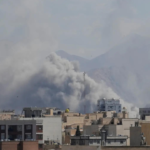




Air Travel Advisory
Introduction to the Urgent Travel Advisory
A significant travel advisory has been issued for passengers utilizing a prominent international airport in the United Arab Emirates. This urgent communication pertains to potential disruptions stemming from escalating geopolitical tensions in the wider Middle East region.
Passengers are strongly urged to take proactive measures to ensure their travel plans remain as smooth as possible amidst this evolving situation. The advisory highlights the necessity for vigilance and direct communication with airlines.
The Advisory Details for International Travelers
Key Information for Affected Passengers
The advisory specifically targets travelers departing from, arriving at, or transiting through Zayed International Airport. Authorities have cited the ongoing US-Israel-Iran conflict as the primary cause for concern regarding flight operations.
This regional instability has created an unpredictable environment for aviation, necessitating a cautionary approach from airport management. Safety and passenger well-being remain the paramount priorities for all stakeholders involved.
Nature of the Potential Flight Disruption
Passengers should anticipate potential flight delays, cancellations, or rerouting of existing services. The advisory is a precautionary measure, not an immediate blanket cessation of all flights.
Such disruptions can arise from changes in approved flight paths, increased security protocols, or operational adjustments made by airlines to avoid perceived risk areas. Travelers are advised that flexibility in their plans may be essential.
Understanding the Geopolitical Backdrop
Escalating Regional Tensions
The advisory directly references the heightened US-Israel-Iran conflict, which has seen periods of significant escalation. These tensions often lead to increased security concerns across the region.
Military activities or threats can impact civilian airspace, leading to closures or restrictions. This necessitates careful planning by aviation authorities and airlines to ensure passenger safety.
Implications for Airspace and Flight Paths
Conflict zones can render certain airspaces unsafe for commercial aviation. This forces airlines to seek alternative, often longer, routes to bypass such areas.
Rerouting can add significant time and fuel costs to journeys, contributing to delays and operational complexities. International aviation bodies continually monitor these situations to provide guidance.
Airline Responses and Passenger Support Mechanisms
Major Carriers’ Operational Adjustments
In response to the advisory and regional developments, many international airlines are actively adjusting their flight schedules and routes. These adjustments are made to prioritize safety and adhere to evolving airspace regulations.
Some carriers may consolidate flights, while others might temporarily suspend services to specific destinations deemed higher risk. Passengers should monitor their airline’s official channels for the most current information.
Rebooking and Refund Policies During Disruptions
Airlines typically have policies in place for significant disruptions, often offering rebooking options or travel vouchers. In some cases of extensive cancellations, full refunds may be provided.
Passengers are encouraged to understand their rights and options by contacting their specific airline directly. Details regarding compensation or alternative travel arrangements will be communicated by the respective carriers.
Navigating Your Journey: A Passenger’s Essential Guide
Before Heading to the Airport
It is critically important for all travelers to confirm their flight status well in advance of their scheduled departure. Online flight trackers and airline websites are invaluable resources for real-time updates.
Passengers should also consider directly contacting their airline’s customer service or travel agent for the latest information specific to their booking. This proactive step can prevent unnecessary trips to the airport.
During Your Time at the Airport
Should travel plans proceed, passengers should prepare for potentially longer check-in, security, and boarding processes. Staff may be managing a higher volume of inquiries and operational changes.
Staying calm, patient, and receptive to airport and airline staff instructions is crucial. Information screens and public announcements will provide critical updates within the terminal.
Staying Connected and Informed
Reliable communication is key during periods of travel uncertainty. Passengers should ensure their mobile devices are charged and that they have access to email for airline notifications.
For more details on this developing situation, please refer to the Official Source for the advisory. Always prioritize official channels for accurate and verified information.
Broader Economic and Travel Implications
Impact on Tourism and Business Travel
Such advisories and disruptions can have a noticeable short-term impact on tourism figures for the region. Travelers may postpone or cancel trips to avoid uncertainty, affecting hospitality and related sectors.
Business travel is also vulnerable, as companies may restrict employee movements to areas experiencing geopolitical instability. This could temporarily slow down regional economic activity and investment.
Supply Chain and Cargo Flight Disruptions
Air cargo operations are equally susceptible to airspace restrictions and rerouting challenges. This can lead to delays in the delivery of goods, impacting global supply chains.
Industries relying on swift air freight, such as technology, pharmaceuticals, and perishable goods, may experience significant challenges. These disruptions underscore the interconnectedness of global logistics.
Examining Broader Travel Trends
The current situation in the Middle East is reflective of broader patterns in international travel, where geopolitical events increasingly influence aviation security and passenger confidence. Understanding these shifts is vital for both travelers and the industry.
For deeper insights into how global events shape travel and other sectors, one might explore latest trends and analyses. Adapting to these evolving dynamics is crucial for all involved parties.
Frequently Asked Questions (FAQs)
Conclusion: Remaining Vigilant in Uncertain Times
The current advisory from Zayed International Airport underscores the volatile nature of global air travel in an era of complex geopolitical dynamics. Passenger safety and operational integrity remain the highest priorities for airport authorities and airlines.
By staying informed through official channels and maintaining proactive communication with carriers, travelers can best navigate these challenging circumstances. Continued vigilance and adaptability will be key for all those planning to fly through this critical hub.
Abu Dhabi Airports, Zayed International Airport, Travel Advisory, Flight Disruption, Middle East Conflict, Iran US Israel, Air Travel Safety, Passenger Information, Flight Delays, Airport News, Regional Tensions, Airline Updates, Travel Alerts, Geopolitical Impact, Aviation Security