





< !DOCTYPE html >
< html lang="en" >
< head >
< meta charset="UTF-8" >
< meta name="viewport" content="width=device-width, initial-scale=1.0" >
< title > The Singular Democracy: Inside America’s Town of One and Its Self-Governing Mayor < /title >
< /head >
< body >
< h1 > The Singular Democracy: Inside America’s Town of One and Its Self-Governing Mayor < /h1 >
< h2 > Introduction: A Singular Voice in American Governance < /h2 >
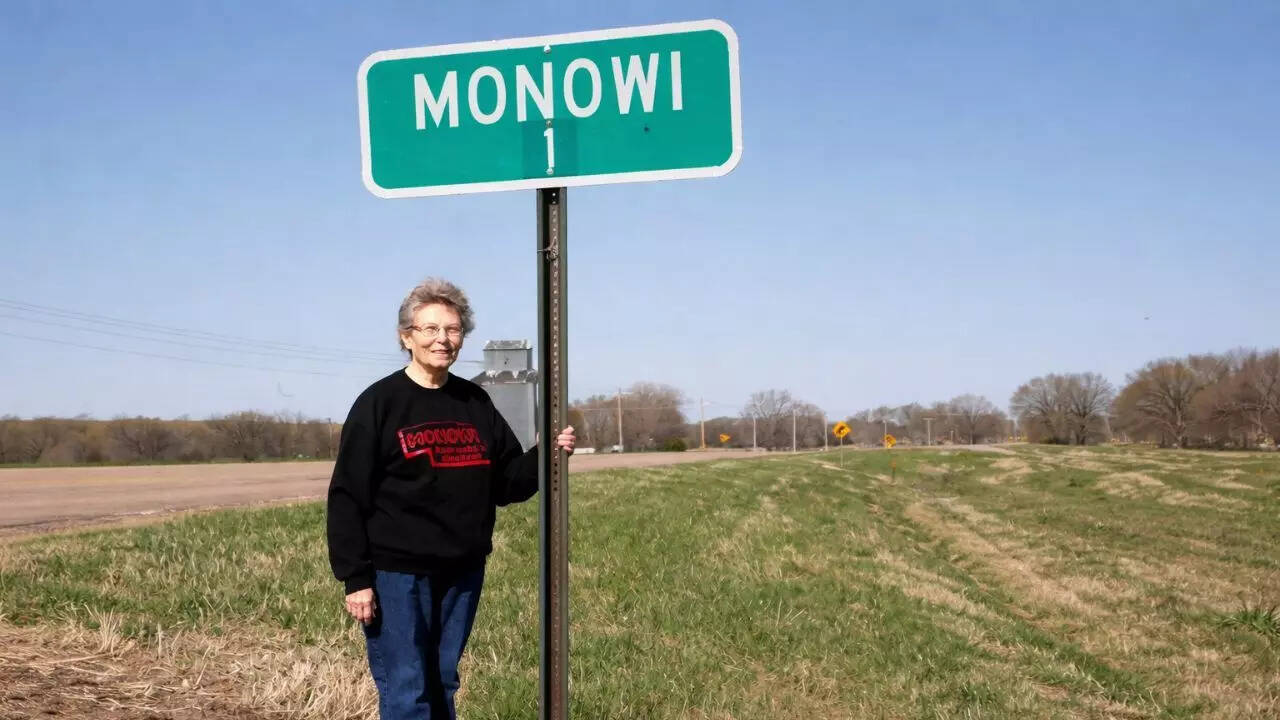
< p > In the vast tapestry of American municipalities, where cities bustle and towns quietly thrive, a peculiar anomaly exists. Imagine a place where the entire electorate, the town council, and the mayor are all embodied by a single individual. < /p >
< p > This isn’t a hypothetical thought experiment but a living reality in a rare number of micro-towns across the United States. Such places challenge our conventional understanding of democracy and local administration. < /p >
< h2 > The Genesis of a Unique Municipality < /h2 >
< h3 > The Lone Resident and Their Domain < /h3 >
< p > The story often begins with a specific individual who resides in a geographic area designated as an incorporated town or village. Over time, as others move away or pass on, this person becomes the sole remaining inhabitant. < /p >
< p > Despite the dwindling population, the town’s legal status as an incorporated entity remains intact under state law. This critical distinction preserves its municipal powers and responsibilities. < /p >
< h3 > The Role of State Law in Perpetuating Solitude < /h3 >
< p > State statutes often dictate the minimum requirements for incorporation, but they less frequently outline procedures for automatic disincorporation due to population decline. This legal framework allows for the continued existence of these “towns of one.” < /p >
< p > Each state has its own specific regulations concerning municipal elections, governance structures, and the obligations of local officials. These rules, designed for bustling communities, unexpectedly apply to the solitary resident. < /p >
< h2 > From Citizen to Sole Administrator < /h2 >
< h3 > The Electoral Process Unfolds < /h3 >
< p > When election cycles arrive, the lone resident is often the only eligible voter and the only candidate for municipal offices. They cast their own ballot, effectively electing themselves to positions like mayor or council member. < /p >
< p > This self-election process is a perfectly legitimate exercise within the confines of existing electoral laws. The outcome is never in doubt, ensuring a seamless transition of power from citizen to civic leader. < /p >
< h3 > Mayoral Duties in a Town of One < /h3 >
< p > The mayor of a town of one undertakes all the administrative and ceremonial duties typical of the role, albeit on a uniquely personal scale. They are responsible for adhering to state regulations, managing local affairs, and representing their municipality. < /p >
< p > These duties might include maintaining public records, reporting to state authorities, or even overseeing the town’s minimal infrastructure, which might only pertain to their own property. It’s a full public office, condensed into one person’s life. < /p >
< h2 > The Liquor License Conundrum < /h2 >
< h3 > The Application and Approval Process < /h3 >
< p > One of the most striking instances of self-governance in such a town occurred when the mayor needed a liquor license for their own establishment. This scenario highlighted the incredible concentration of power in a single individual. < /p >
< p > The mayor, acting in their official capacity as the head of the licensing authority, reviewed and subsequently approved their personal application. This decision, while unusual, followed the prescribed legal procedures for license issuance. < /p >
< h3 > Ethical Considerations and Legalities < /h3 >
< p > While legally permissible, such an act raises immediate questions about ethical conduct and potential conflicts of interest. In a conventional municipality, a mayor would recuse themselves from votes directly benefiting their private interests. < /p >
< p > However, in a town of one, the very structure of governance precludes such a recusal. The officeholder is simultaneously the constituent, the applicant, and the decision-maker, creating a unique ethical landscape. < /p >
< p > The legal standing of such self-approvals typically rests on the strict adherence to state and local licensing requirements. If all conditions are met, the approval stands, regardless of the singular nature of the voting body. < /p >
< h2 > Broader Implications for Governance < /h2 >
< h3 > Small Towns and Their Challenges < /h3 >
< p > The existence of these “towns of one” underscores the broader challenges faced by many dwindling rural communities across America. Population decline can severely impact local services, economic viability, and community cohesion. < /p >
< p > While extreme, this phenomenon highlights the difficulties in maintaining local governance structures when the tax base shrinks and volunteerism fades. It raises questions about the sustainability of small, independent municipalities. < /p >
< h3 > The Spirit of Local Autonomy < /h3 >
< p > Despite the oddities, these towns represent the enduring American commitment to local autonomy and self-governance. Residents, even lone ones, retain the right to manage their own affairs within the state’s legal framework. < /p >
< p > This principle allows communities, no matter how small, to exercise control over local ordinances, services, and taxes. The “town of one” is an extreme manifestation of this deeply ingrained democratic ideal. < /p >
< h2 > Reflecting on the “Town of One” Phenomenon < /h2 >
< p > The story of a mayor voting for themselves and approving their own liquor license serves as a fascinating case study in American civics. It pushes the boundaries of what we commonly perceive as democratic participation. < /p >
< p > It prompts reflection on the minimum viable population for effective self-governance and the limits of individual authority. These towns stand as testament to the peculiar corners of the nation’s administrative landscape. < /p >
< p > Ultimately, these unique municipalities remind us that the rules of governance, even those designed for millions, can sometimes apply to just one. Their existence is a peculiar, yet legitimate, facet of American local government. < /p >
< p > For more on < a href="https://wertrending.com/" > latest trends < /a > in unique governance structures, explore our archive. This unusual tale provides fascinating insight into American local politics and administrative quirks. < /p >
< p > Read the original report from an < a href="https://timesofindia.indiatimes.com/world/us/she-votes-for-herself-becomes-mayor-and-approves-her-own-liquor-licence-inside-americas-town-of-one/articleshow/128954870.cms" > Official Source < /a > for further details on this extraordinary situation. < /p >
< h2 > Frequently Asked Questions (FAQs) < /h2 >
< ol >
< li > < strong > What is a “town of one”? < /strong > < br > A “town of one” refers to an incorporated municipality, such as a town, village, or city, that has only a single registered resident. Despite having only one inhabitant, it maintains its legal status as a governmental entity under state law. This lone resident often becomes the sole voter and officeholder, managing all municipal affairs. It’s a rare and often surprising consequence of population decline in specific geographic areas. < /li >
< li > < strong > How can one person legally constitute a town? < /strong > < br > The legality stems from existing state laws concerning municipal incorporation and disincorporation. While states have minimum population requirements for a new town to form, they often lack automatic provisions for a town to lose its incorporated status if its population falls below that minimum after incorporation. If the legal framework for dissolution is not triggered or pursued, the town’s status persists, even with a single inhabitant. < /li >
< li > < strong > Is it legal in the United States for a person to vote for themselves and become mayor? < /strong > < br > Yes, within the context of a town of one, it is generally legal. If a resident is the only eligible voter and the only candidate on the ballot for municipal offices, they are legally entitled to cast their vote for themselves. Since there are no other voters or candidates, this action legitimately results in their election to the office. This unique situation adheres to the letter of election laws, even if it defies their spirit in terms of democratic competition. < /li >
< li > < strong > What prompted the resident to become mayor and manage the town? < /strong > < br > The motivations can vary, but often it’s a practical necessity to maintain the town’s legal existence and specific benefits that come with it. Being an incorporated entity might provide access to certain state or federal funds, maintain specific property tax structures, or allow the resident to control local zoning and development. The resident might also have a deep personal connection to the place and wish to preserve its unique status. < /li >
< li > < strong > What specific responsibilities does a mayor of a town of one have? < /strong > < br > A mayor in such a town is responsible for fulfilling all the legal and administrative duties typically assigned to a municipal leader. This includes maintaining official records, complying with state reporting requirements, overseeing any minimal public services (which might just be their own property), managing the town’s budget (if any state funds are received), and representing the town in official capacities. They essentially act as the entire municipal government. < /li >
< li > < strong > Why was a liquor license specifically needed in this situation? < /strong > < br > The need for a liquor license typically arises when the lone resident wishes to operate a commercial establishment, such as a bar, restaurant, or general store, that sells alcoholic beverages within the town’s limits. To legally sell alcohol, state law requires a municipal liquor license to be issued by the local governing body. Since the mayor *is* the local governing body, they must process and approve their own application. < /li >
< li > < strong > Are there ethical concerns about a mayor approving their own liquor license? < /strong > < br > Yes, significant ethical concerns exist, primarily regarding conflicts of interest. In traditional governance, public officials are expected to recuse themselves from decisions where they have a direct personal or financial stake. However, in a town of one, such recusal is impossible as the mayor is the sole decision-maker. While legally compliant, it presents a clear ethical dilemma where private interest directly influences public decision-making without external oversight. < /li >
< li > < strong > How is a town of one funded, if it has no tax base? < /strong > < br > Funding for a town of one can be extremely limited. Some might still receive very small amounts of state revenue sharing or specific grants designated for municipalities, regardless of population. Property taxes, if applicable, would come only from the mayor’s own property. Often, the “town” operates with virtually no budget, and the mayor absorbs any costs associated with fulfilling their official duties. < /li >
< li > < strong > Are there other towns like this in America, or is this an isolated incident? < /strong > < br > While rare, these “towns of one” or “ghost towns” with a single resident who holds all public offices are not entirely isolated incidents. Similar situations have been documented in various states across the U.S., particularly in very rural or remote areas where populations have severely declined. These cases often capture public imagination due to their unique democratic structure. < /li >
< li > < strong > What is the broader significance of this case for American governance? < /strong > < br > This case highlights the peculiar resilience of American legal structures concerning local government and the principle of local autonomy. It demonstrates how laws designed for larger communities can adapt, albeit unusually, to extreme demographic shifts. It also provokes discussion on the definitions of community, democracy, and ethical governance, particularly when the lines between public office and private life become almost indistinguishable. < /li >
< /ol >
< h2 > SEO Keywords < /h2 >
< p > American town of one, sole resident mayor, self-approved liquor license, unique municipal governance, one-person town, US local politics, unusual American towns, single-resident municipality, mayor votes for self, liquor license approval, rural town governance, extreme decentralization, American civic curiosities, small town administration, peculiar US towns < /p >
< /body >
< /html >
Source: Times of India