






Introduction to Regional Airspace Challenges
The delicate balance of air travel in the Middle East is facing unprecedented strain.
Recent escalations in the geopolitical landscape, particularly concerning Iran, the US, and Israel, have created a climate of uncertainty for airlines operating in the region.
This volatile environment has led to significant operational adjustments, impacting thousands of travelers and cargo movements.
The safety of passengers and crew remains the paramount concern for all carriers traversing this critical global corridor.
Geopolitical Tensions and Their Direct Impact on Aviation
The ongoing regional conflict has intensified, prompting a ripple effect across various sectors, including international aviation.
Countries and airlines are closely monitoring developments, evaluating risks to flight paths and ground operations.
Military activities and heightened security alerts inherently complicate civilian air traffic management.
The potential for airspace closures or re-routings introduces significant logistical challenges and delays.
Escalation and Its Immediate Consequences
Recent events have seen a marked increase in military posturing and retaliatory actions between key regional powers.
This escalation translates directly into enhanced risk assessments for airlines.
Operators must decide whether to continue services, alter routes, or suspend flights entirely.
The decision-making process is complex, balancing commercial interests with an absolute commitment to safety.
Airspace Considerations and Safety Protocols
Airspace over conflict zones or adjacent areas becomes inherently dangerous for commercial flights.
International aviation bodies issue advisories, but airlines ultimately bear responsibility for their operational choices.
Re-routing flights often means longer journey times, increased fuel consumption, and higher operational costs.
These measures are necessary to avoid potential threats and ensure passenger security.
Major Carrier Response to Heightened Risks
Airlines worldwide are adjusting their schedules and flight paths in response to the evolving situation.
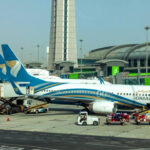
One prominent carrier notably affected is a major airline based in the Gulf region, which has announced numerous cancellations.
These cancellations reflect a prudent approach to prioritizing safety over operational continuity in high-risk zones.
The carrier’s actions highlight the severe implications of the current geopolitical climate on routine air travel.
Airline’s Operational Adjustments
The airline in question has confirmed the cancellation of multiple flights to and from several key international destinations.
These decisions are a direct consequence of the escalating regional tensions and security assessments.
The airline is working to minimize disruption for affected passengers, offering alternatives where possible.
Their operational teams are continuously evaluating the situation and will adjust plans as conditions change.
Affected Destinations and Passenger Impact
Flights to destinations spanning continents have been impacted, demonstrating the far-reaching consequences of regional instability.
Travelers bound for Europe, Asia, and other parts of the Middle East may face unexpected delays or itinerary changes.
Passengers are advised to check their flight status regularly and contact the airline for the latest information.
Thousands of individuals have had their travel plans disrupted, leading to significant logistical challenges for them.
Passenger Recourse and Support
The affected airline is reportedly providing options for passengers whose flights have been cancelled.
These options typically include rebooking on alternative flights, full refunds, or travel vouchers.
The airline’s customer service channels are likely experiencing high volumes, so patience is advised.
For more detailed information, passengers should refer to the Official Source for news updates and airline advisories.
Broader Industry Implications and Challenges
The ripple effect of these cancellations extends beyond a single carrier.
Other airlines operating in or through the Middle Eastern airspace are also reviewing their routes and schedules.
The cumulative impact could lead to wider disruptions across global aviation networks.
The entire industry faces increased pressure to adapt quickly to an unpredictable security environment.
Ripple Effects Across Global Carriers
Airlines from various nations use the Middle Eastern corridor as a vital link between East and West.
Alternative flight paths can lead to congestion in other airspaces, creating further delays.
This interconnectedness means that regional instability has global aviation consequences.
International aviation bodies are coordinating efforts to manage these widespread operational shifts.
Fuel Prices and Operational Costs
Re-routing flights around sensitive areas means longer distances flown, directly impacting fuel consumption.
Global oil markets are also sensitive to Middle Eastern tensions, potentially driving up fuel prices.
Airlines face significantly increased operational costs at a time when they are still recovering from previous global disruptions.
These economic pressures could eventually translate into higher ticket prices for consumers.
Impact on Traveler Confidence
Frequent flight disruptions and security concerns can erode public confidence in air travel.
Travelers may become hesitant to book flights through or to the affected regions.
This hesitancy can have long-term consequences for tourism and business travel to the Middle East.
Restoring confidence will require sustained peace and transparent communication from authorities and airlines.
Economic Ramifications for the Region
The aviation sector is a crucial economic driver for many Middle Eastern nations.
Disruptions to air travel therefore have significant economic repercussions.
Reduced flight connectivity affects tourism, trade, and investment flows.
The long-term economic stability of the region could be jeopardized by prolonged aviation instability.
Concerns for the Tourism Sector
Many Middle Eastern countries rely heavily on tourism as a source of revenue and employment.
Flight cancellations and safety concerns deter potential visitors, leading to a decline in bookings.
Hotels, tour operators, and related businesses feel the immediate brunt of reduced tourist numbers.
The recovery of the tourism industry will be directly tied to the geopolitical climate stabilizing.
Regional Business Travel and Trade
Business travel is essential for maintaining economic ties and facilitating international trade.
Flight disruptions impede face-to-face meetings and the swift movement of professionals.
Cargo operations are also affected, potentially delaying supply chains and increasing shipping costs.
The smooth functioning of air logistics is vital for the region’s role as a global trade hub.
The Future of Air Travel in the Region
The current crisis underscores the need for robust contingency planning within the aviation industry.
Airlines are continually developing strategies to mitigate risks and ensure operational resilience.
The focus remains on adapting to an ever-changing environment while upholding safety standards.
This situation highlights the unpredictable nature of global events and their profound impact on travel.
Re-routing Strategies and Contingency Plans
Airlines maintain specialized teams dedicated to monitoring geopolitical developments and their impact on flight paths.
Pre-approved alternative routes are often on standby for various scenarios, including airspace closures.
Collaboration with air traffic control agencies globally is essential for implementing these changes effectively.
These elaborate plans aim to minimize delays and maintain service, albeit with adjustments.
Long-term Planning and Investment
The current events may prompt long-term strategic shifts in how airlines plan their regional operations.
Investments in advanced air traffic management systems and intelligence gathering might increase.
Diversification of routes and hubs could become more prominent considerations for regional carriers.
A robust and adaptive infrastructure is key to navigating future geopolitical uncertainties.
Monitoring the Situation and Staying Informed
The fluidity of the geopolitical landscape requires continuous vigilance from all stakeholders.
Travelers, airlines, and aviation authorities must stay informed about the latest advisories and developments.
Reliable news sources and official government channels are critical for accurate information.
For insights into latest trends affecting global travel, consulting diverse informational platforms is recommended.
Conclusion: Navigating Turbulence with Resilience
The current wave of flight cancellations by a prominent Middle Eastern airline reflects the severe challenges posed by escalating regional tensions.
These disruptions, while inconvenient for travelers, are a necessary measure to ensure the safety and security of all.
The broader implications for global aviation, regional economies, and traveler confidence are significant and far-reaching.
As the situation evolves, the aviation industry demonstrates its resilience and unwavering commitment to safety, adapting to an unpredictable world.
Frequently Asked Questions (FAQs)
1. Why are flights being cancelled in the Middle East?
Flights are being cancelled primarily due to escalating geopolitical tensions in the region, particularly involving Iran, the US, and Israel.
Airlines prioritize the safety of their passengers and crew, leading them to avoid airspaces deemed high-risk or to cancel flights to affected destinations.
Increased military activity and the potential for airspace closures contribute to these decisions.
Security assessments by international aviation bodies and individual airlines guide these precautionary measures.
2. Which specific airline is most affected by these cancellations?
A major Gulf-based carrier, whose name is not disclosed in the title but is widely recognized for its extensive network, has been prominently affected.
This airline has announced numerous cancellations across its international routes due to the current security situation.
Other airlines are also making adjustments, but this particular carrier has faced significant disruption.
Passengers are advised to consult their specific airline’s official communication channels for the most current information.
3. What destinations are primarily impacted by these flight disruptions?
The impacted destinations are varied and span across different continents, reflecting the broad reach of the airline’s network.
While specific cities might change based on the evolving situation, destinations in Europe, Asia, and other parts of the Middle East have been affected.
Passengers with bookings to or from any major international hub should verify their flight status.
The fluid nature of the situation means the list of affected routes can change rapidly.
4. What should passengers do if their flight is cancelled?
Passengers whose flights are cancelled should first check their airline’s official website or app for specific instructions.
Most airlines offer options such as rebooking on an alternative flight, receiving a full refund, or obtaining a travel voucher.
It is also advisable to contact the airline’s customer service, though high call volumes might lead to delays.
Keeping informed through official channels is crucial for understanding available recourse.
5. How long are these flight cancellations expected to last?
The duration of these flight cancellations is directly dependent on the geopolitical situation in the Middle East.
Airlines are continuously monitoring developments and will reinstate flights once it is deemed safe to do so.
Forecasting the exact timeline is challenging due to the unpredictable nature of international relations and military actions.
Passengers should anticipate potential ongoing disruptions until the regional tensions significantly de-escalate.
6. Are other airlines also re-routing or cancelling flights?
Yes, many other international airlines are also re-evaluating their flight paths and schedules in response to the escalating tensions.
Some carriers have opted to re-route flights around perceived high-risk airspaces, leading to longer journey times.
Others may choose to temporarily suspend services to specific destinations if the security assessment warrants it.
The entire global aviation industry is highly interconnected, and such regional events have widespread operational consequences.
7. What are the economic consequences of these flight disruptions for the region?
The economic consequences are significant and multifaceted for the Middle East.
The tourism sector is particularly vulnerable, as reduced flight accessibility deters international visitors, impacting hotels, resorts, and related businesses.
Business travel and cargo operations are also hampered, affecting trade, investment, and supply chains.
Prolonged disruptions could lead to substantial revenue losses and hinder economic growth in the affected nations.
8. How do these tensions affect fuel prices and airline operational costs?
Geopolitical tensions in key oil-producing regions often lead to volatility in global oil prices.
Higher crude oil prices translate directly into increased fuel costs for airlines, which constitute a significant portion of their operating expenses.
Additionally, re-routing flights around conflict zones means flying longer distances, consuming more fuel and incurring greater costs.
These combined factors put immense financial pressure on airlines, potentially impacting ticket prices for consumers.
9. Is it safe to travel through or to unaffected parts of the Middle East?
Airlines and international aviation authorities continually assess the safety of all airspaces and destinations.
While some areas may be directly impacted, others might remain unaffected and deemed safe for travel.
However, the situation is dynamic, and travelers should always consult their government’s travel advisories and their airline’s latest updates.
Personal vigilance and staying informed are key to making safe travel decisions during times of regional instability.
10. What is the role of international aviation bodies during such crises?
International aviation bodies like ICAO (International Civil Aviation Organization) and IATA (International Air Transport Association) play a crucial role.
They facilitate communication between airlines and national air traffic control authorities, providing guidance and issuing advisories on airspace safety.
These organizations work to standardize safety protocols and ensure global aviation remains as safe and efficient as possible.
Their recommendations help airlines make informed decisions regarding flight operations in complex geopolitical environments.
SEO Keywords
Air travel disruption, Middle East aviation, flight cancellations, geopolitical conflict, Iran US Israel war, airline safety, airspace closures, travel advisories, regional instability, global aviation impact, passenger refunds, airline rebooking, international travel, Middle East tourism, operational costs.
Source: Times of India


