


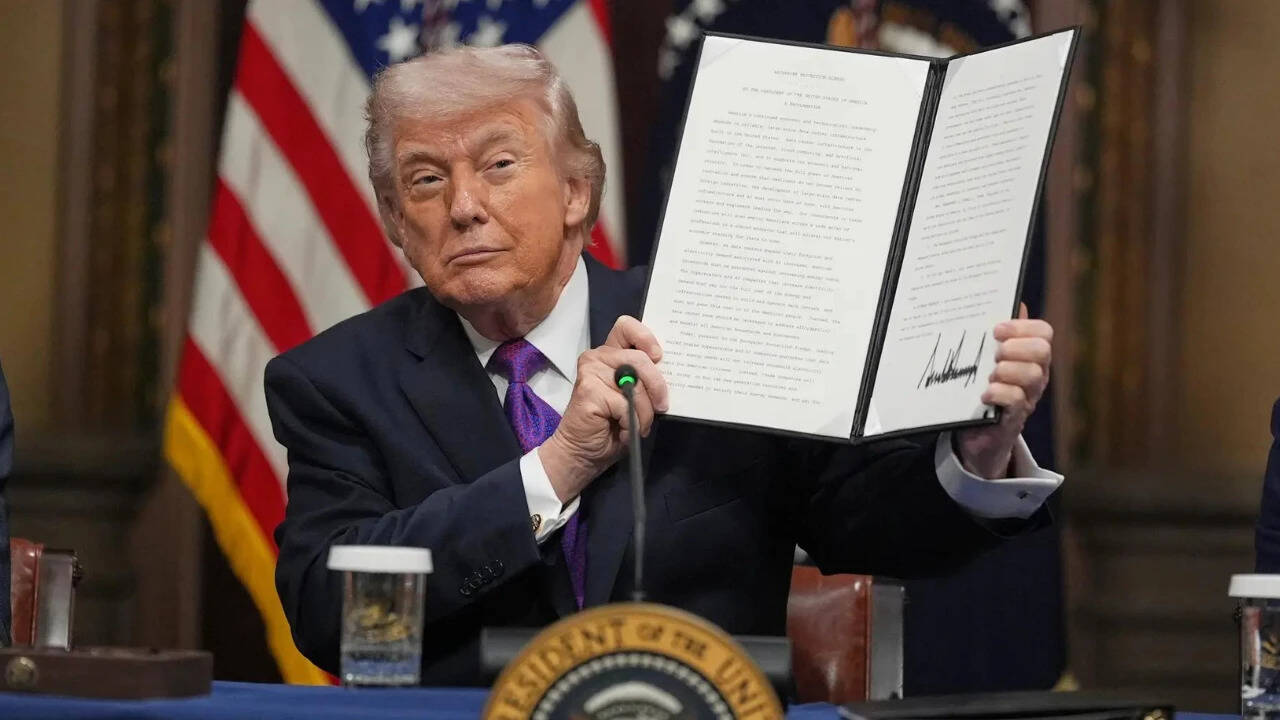
Recent pronouncements from former President Donald Trump have reignited discussions surrounding the United States’ military engagement and diplomatic posture in the volatile Middle East. His assessment of the US war effort, rated provocatively at ’15 out of 10,’ underscores a firm conviction in the nation’s operational capabilities. These statements also reiterate a resolute stance against Iran, indicating a potential continuation of robust pressure should he return to office.
These declarations emerge against a backdrop of complex regional dynamics, including ongoing conflicts, evolving alliances, and the persistent challenge of extremist groups. Understanding the implications of such strong rhetoric requires a deep dive into historical context, current geopolitical realities, and potential future trajectories. For a direct report on these statements, please refer to the Official Source.
The “15 Out of 10” Assessment: Decoding the Rhetoric
An Unconventional Rating of Military Performance
Donald Trump’s pronouncement that the US war effort in the Middle East merits a ’15 out of 10′ rating is a striking example of his characteristic communication style. This hyperbolic assessment aims to project an image of overwhelming success and unyielding confidence in American military prowess. It deviates sharply from conventional military or political evaluations, which typically focus on measurable objectives and tactical achievements.
The number itself, exceeding the maximum of a standard scale, suggests an exceptional level of accomplishment in the eyes of the former President. It implies that the US has not merely met but far surpassed expectations in its regional operations, potentially referring to specific counter-terrorism efforts or strategic deterrence. This rhetoric resonates with a base that values strong leadership and perceived decisive action on the global stage.
Contextualizing the ‘Success’ in Complex Conflicts
Evaluating “success” in the intricate conflicts of the Middle East is inherently challenging, often encompassing a multitude of factors beyond mere military victories. These include the long-term stability of the region, the prevention of humanitarian crises, the fostering of democratic governance, and the curtailment of external hostile influences. A ’15 out of 10′ rating, therefore, invites scrutiny into the specific criteria being used for such an exceptional claim.
Critics might argue that while tactical successes may occur, the broader strategic landscape of the Middle East remains fraught with instability, proxy wars, and unresolved political grievances. The ongoing presence of various armed groups and the persistent challenges to state sovereignty suggest a more nuanced picture than a perfect, or even super-perfect, score would imply. Trump’s rating likely emphasizes specific, often undisclosed, metrics while downplaying persistent issues.
Vowing to Push On Against Iran: A Resolute Stance
Historical Foundations of US-Iran Tensions
The United States’ relationship with Iran has been marked by decades of animosity, mistrust, and strategic competition, particularly since the 1979 Iranian Revolution. This deeply entrenched rivalry involves Iran’s nuclear program, its ballistic missile development, and its extensive network of proxy forces across the Middle East. These factors are consistently cited by US administrations as significant threats to regional security and American interests.
During his previous term, Donald Trump withdrew the US from the Joint Comprehensive Plan of Action (JCPOA), commonly known as the Iran nuclear deal, a multilateral agreement designed to curb Iran’s nuclear ambitions. This withdrawal ushered in a “maximum pressure” campaign, re-imposing and expanding sanctions aimed at crippling Iran’s economy and forcing it to renegotiate a more stringent agreement. This policy led to heightened tensions and several direct confrontations.
Strategic Objectives Against Iran Under Renewed Pressure
A renewed commitment to “push on against Iran,” as articulated by Trump, would likely entail a continuation or intensification of strategies designed to isolate and weaken the Islamic Republic. The primary objectives typically include preventing Iran from developing nuclear weapons, curtailing its support for regional proxy groups like Hezbollah and various militias in Iraq and Yemen, and disrupting its ballistic missile program. Such an approach aims to diminish Iran’s regional influence and compel a change in its behavior.
The methods to achieve these objectives could range from diplomatic isolation and stringent economic sanctions to increased military deterrence and potential covert operations. This robust posture also seeks to reassure US allies in the Gulf and Israel, who view Iran as their foremost regional adversary. Understanding the latest trends in international relations is crucial for comprehending these dynamics, as global power shifts can significantly influence the effectiveness of such policies.
Geopolitical Ramifications and Regional Responses
Impact on Regional Alliances and Security
A more aggressive US stance towards Iran has profound implications for existing alliances and the broader security architecture of the Middle East. Countries like Saudi Arabia, the UAE, and Israel, which share concerns about Iranian influence, may welcome a strong American commitment to counter Tehran. This could solidify existing partnerships and potentially lead to new security agreements or increased intelligence sharing aimed at mutual defense.
Conversely, an overly confrontational approach could inadvertently destabilize the region further, potentially provoking retaliatory actions from Iran or its proxies, thereby escalating existing low-intensity conflicts. States with more neutral stances or those seeking de-escalation, such as Oman or Qatar, might find themselves in a precarious position, caught between escalating tensions and their own diplomatic objectives. The delicate balance of power in the Gulf region is highly susceptible to such shifts in US policy.
International Reactions and Diplomatic Challenges
A unilateral or highly aggressive US policy towards Iran would likely face significant pushback from various international actors, including European allies, China, and Russia. European nations, many of whom remain committed to the JCPOA, would likely advocate for diplomatic solutions and de-escalation, fearing the economic and security consequences of regional instability. They have historically expressed concerns over the effectiveness and legality of unilateral sanctions.
China and Russia, both major powers with vested interests in the Middle East and significant trade ties with Iran, would almost certainly oppose any moves that threaten their strategic positions or lead to increased US hegemony. Their opposition could manifest in diplomatic resistance at the UN Security Council, increased support for Iran, or efforts to undermine US sanctions. Such a scenario could lead to a more fragmented international response to Iranian behavior, complicating global efforts to manage the crisis.
Economic and Military Dimensions of US Strategy
The Efficacy and Consequences of Economic Pressures
Economic sanctions have been a cornerstone of US policy towards Iran for decades, intensified significantly during Trump’s “maximum pressure” campaign. While sanctions have demonstrably damaged Iran’s economy, leading to currency depreciation, inflation, and a decline in oil exports, their long-term effectiveness in altering Iranian policy remains a subject of debate. The Iranian regime has often shown resilience and an ability to adapt, albeit at a high cost to its population.
The consequences of stringent sanctions extend beyond Iran’s borders, impacting global oil markets, international shipping, and the financial institutions that interact with sanctioned entities. There is also the humanitarian concern regarding the impact on ordinary Iranian citizens, who bear the brunt of economic hardship. Furthermore, sanctions can incentivize Iran to seek alternative trade partners and deepen its strategic alliances with countries like China and Russia, potentially reducing US leverage.
Military Readiness and Strategic Deployments
The US maintains a substantial military presence in the Middle East, including naval assets in the Persian Gulf, airbases in various Gulf states, and troop deployments across the region. This military posture serves several purposes: deterring aggression, protecting vital shipping lanes, supporting counter-terrorism operations, and projecting power. A renewed focus on pushing against Iran would undoubtedly involve a re-evaluation or reinforcement of these deployments.
Increased military pressure on Iran could entail more frequent and robust military exercises, enhanced intelligence gathering, and potentially a readiness for preemptive or retaliatory strikes. The risks associated with such an approach are significant, including the potential for miscalculation, accidental escalation, and direct military confrontation. Ensuring a credible deterrent while avoiding open conflict would be a critical balancing act for any US administration adopting this policy.
Analyzing Past Policies and Future Trajectories
The Legacy of “America First” in the Middle East
Donald Trump’s previous “America First” foreign policy approach significantly reshaped US engagement in the Middle East. This strategy emphasized transactional relationships, a skepticism towards multilateral agreements, and a preference for direct, often confrontational, diplomacy. Under this doctrine, the US sought to reduce its footprint in some areas while increasing pressure on adversaries, notably Iran.
Key outcomes of this approach included the withdrawal from the JCPOA, the relocation of the US embassy to Jerusalem, and the brokering of the Abraham Accords, normalizing relations between Israel and several Arab nations. These actions had diverse impacts, strengthening some alliances while alienating others and creating new diplomatic paradigms. Any future policy echoing these principles would face both the benefits and criticisms of this distinct legacy.
Potential Scenarios Under Renewed Pressure on Iran
Should the US recommit to a strategy of maximum pressure against Iran, several scenarios could unfold. One possibility is a prolonged period of increased tensions and proxy conflicts, where direct military confrontation is avoided but regional stability remains precarious. Iran might continue its nuclear advancements in response to perceived threats, complicating future diplomatic efforts.
Another scenario could involve Iran seeking new avenues for de-escalation through international mediation, particularly if the economic pressures become unbearable. Conversely, an extreme escalation could lead to direct military clashes, with unpredictable and devastating consequences for the entire region and global energy markets. The precise trajectory would depend on a complex interplay of internal Iranian politics, regional calculations, and the responses of other major powers.
Expert Perspectives and Public Opinion
Divergent Views on Policy Effectiveness
Expert opinions on the effectiveness and wisdom of a hardline US policy towards Iran are sharply divided. Proponents argue that robust pressure is the only way to contain Iran’s destabilizing activities and force it to the negotiating table on more favorable terms. They point to the economic strain as evidence of the policy’s impact and argue that previous diplomatic approaches were too lenient. Such views often prioritize national security interests and the protection of allies.
Critics, however, contend that maximum pressure has historically failed to achieve its stated goals of regime change or fundamental policy shifts in Iran. They argue that it often leads to greater Iranian defiance, a hardening of positions, and a reduction in diplomatic off-ramps, thereby increasing the risk of conflict. Many experts advocate for a return to diplomacy, multilateral engagement, and a focus on de-escalation to manage regional tensions more effectively. They often highlight the humanitarian costs and the risk of unintended consequences.
Public Sentiment and Domestic Political Implications
Public opinion within the United States regarding Middle East engagement and policy towards Iran is varied and often reflects partisan divides. While there is a general desire for peace and stability, there are also strong sentiments for protecting American interests and standing up to perceived adversaries. A policy of aggressive pressure on Iran could garner support from a segment of the electorate that favors strong foreign policy and decisive action.
Internationally, public sentiment towards US strategy in the Middle East is often critical, particularly in regions directly affected by conflict or sanctions. Many international observers express concern over the potential for unilateral actions to undermine global norms and institutions. The domestic political implications in the US would also be significant, with foreign policy stances often playing a crucial role in electoral campaigns and shaping the narrative around leadership and national strength.
Frequently Asked Questions (FAQs)
- 1. What did Donald Trump mean by rating the US war effort “15 out of 10”?
- By rating the US war effort “15 out of 10,” Donald Trump used hyperbole to convey an exceptional, beyond-perfect level of success and confidence in American military operations in the Middle East. It’s a rhetorical device intended to project an image of overwhelming accomplishment and strength, asserting that the US has far exceeded expectations in its strategic objectives and tactical performance in the region, rather than a literal quantitative measure.
- 2. What is Trump’s stated policy stance towards Iran?
- Donald Trump’s stated policy stance towards Iran is one of robust pressure and confrontation, aiming to counter what he perceives as Iran’s destabilizing activities in the Middle East. This includes a vow to push on against Iran, implying a continuation or intensification of strategies like economic sanctions, diplomatic isolation, and military deterrence. His goal is to curb Iran’s nuclear program, ballistic missile development, and support for regional proxy groups, potentially forcing a more favorable deal than the JCPOA.
- 3. How did Trump’s administration previously approach the Iran nuclear deal (JCPOA)?
- Trump’s administration previously withdrew the United States from the Joint Comprehensive Plan of Action (JCPOA), the multilateral Iran nuclear deal, in May 2018. Following this withdrawal, his administration implemented a “maximum pressure” campaign of re-imposed and new economic sanctions against Iran, aiming to cut off its oil exports and revenues. This approach sought to compel Iran to negotiate a new, more comprehensive agreement that would also address its ballistic missile program and regional activities.
- 4. What are the main US concerns regarding Iran’s activities in the Middle East?
- The main US concerns regarding Iran’s activities in the Middle East include its pursuit of nuclear capabilities, development of ballistic missiles, and extensive network of regional proxy forces (such as Hezbollah, Houthi rebels, and various Iraqi militias). The US views these activities as destabilizing, threatening to its allies like Israel and Saudi Arabia, and undermining international security. Furthermore, concerns exist about human rights abuses within Iran and its cyber warfare capabilities.
- 5. What impact could a renewed “maximum pressure” campaign have on Iran’s economy?
- A renewed “maximum pressure” campaign could severely impact Iran’s economy by further restricting its oil exports, limiting its access to international financial markets, and deterring foreign investment. This would likely lead to increased inflation, unemployment, and a depreciation of the national currency, exacerbating existing economic hardships for the Iranian populace. While designed to force policy changes, the regime has also shown resilience in adapting to sanctions, albeit at a high cost.
- 6. How might US allies in the Middle East react to a more aggressive US posture towards Iran?
- US allies in the Middle East, particularly Saudi Arabia, the UAE, Bahrain, and Israel, would likely welcome a more aggressive US posture towards Iran, as they share similar concerns about Iran’s regional influence and ambitions. Such a stance could reinforce existing security cooperation and potentially lead to new alignments. However, some allies might also express caution, fearing potential escalation or regional instability that could spill over into their territories, necessitating a careful balancing act from the US.
- 7. What role do proxy conflicts play in the US-Iran rivalry in the region?
- Proxy conflicts play a central role in the US-Iran rivalry, allowing both nations to exert influence and undermine each other’s interests without direct military confrontation. Iran supports various non-state actors (proxies) in countries like Yemen, Iraq, Syria, and Lebanon, which challenge US interests and allies. The US, in turn, supports local partners and seeks to counter Iranian-backed groups. These proxy wars contribute significantly to regional instability and humanitarian crises, making de-escalation challenging.
- 8. How does the US military presence in the Middle East relate to its strategic goals?
- The US military presence in the Middle East is integral to its strategic goals of deterring aggression, ensuring the free flow of oil, countering terrorism, protecting allies, and projecting power. Deployments of naval fleets, air assets, and ground troops serve as a visible commitment to regional security. This presence enables rapid response capabilities and provides leverage in diplomatic efforts, aiming to maintain a balance of power favorable to US interests and prevent the dominance of hostile actors like Iran.
- 9. What are the potential risks of escalating tensions between the US and Iran?
- Escalating tensions between the US and Iran carry several significant risks, including the potential for direct military confrontation, which could have devastating consequences for the region and global economy. Other risks include increased cyber warfare, disruptions to global oil supplies, heightened instability through proxy conflicts, and humanitarian crises. There’s also the risk of miscalculation by either side, leading to unintended escalation beyond initial objectives. Diplomatic efforts become more challenging as trust erodes.
- 10. How do different international bodies or countries view US strategy in the Middle East, particularly concerning Iran?
- International bodies and countries hold diverse views on US strategy in the Middle East, especially concerning Iran. European allies often advocate for diplomatic engagement and adherence to the JCPOA, fearing that maximum pressure could lead to instability. China and Russia typically oppose US unilateralism and sanctions, often deepening their ties with Iran. The UN and other international organizations generally promote de-escalation, adherence to international law, and humanitarian concerns, emphasizing multilateral solutions over unilateral force or coercion.
SEO Keywords
Middle East crisis, US war effort, Trump foreign policy, Iran nuclear program, US-Iran relations, Maximum pressure campaign, Geopolitical tensions, Regional stability, US military strategy, Sanctions on Iran, Middle East conflict, International diplomacy, Donald Trump statements, Gulf security, Iranian influence
Source: Times of India