





An Unprecedented Discovery Unfolds
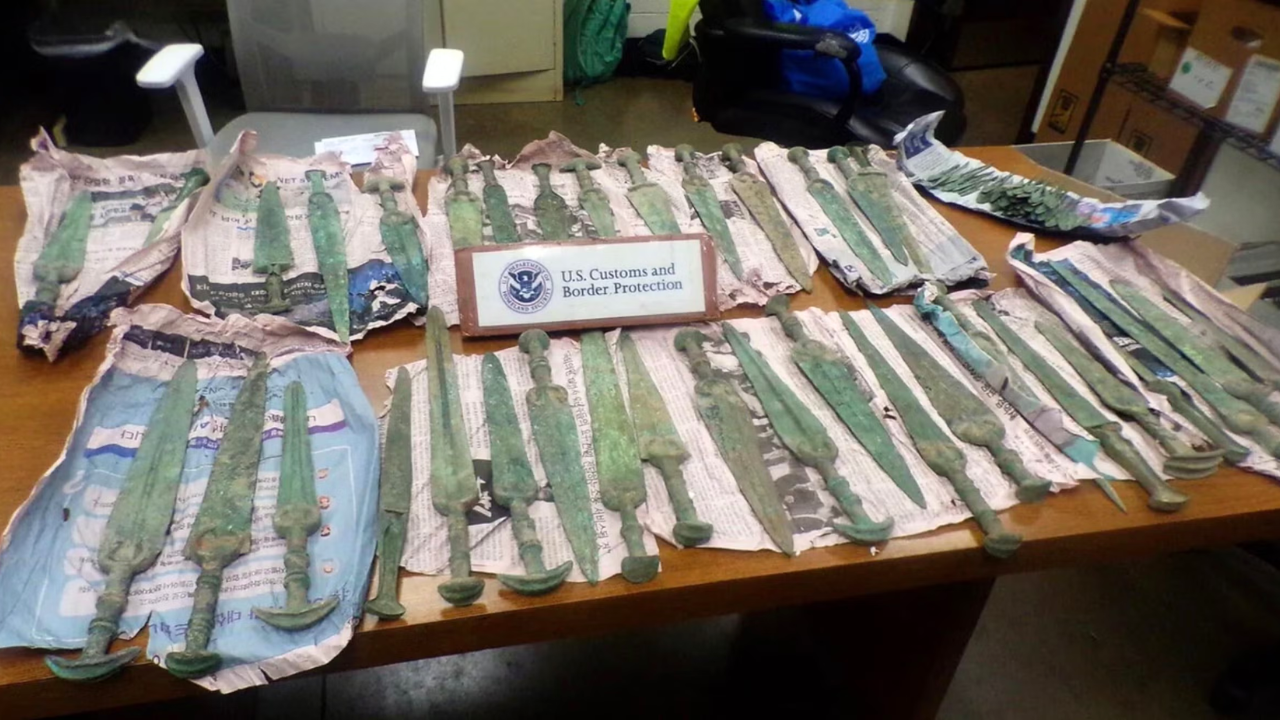
A recent operation at the Port of Philadelphia has brought to light a smuggling attempt of truly ancient proportions. Customs and Border Protection (CBP) officers intercepted a shipment containing 36 swords, later determined to be approximately 4,000 years old.
This remarkable seizure has sent ripples through the archaeological and law enforcement communities alike. It highlights the persistent challenges in combating the illicit trade of priceless cultural heritage.
The Bizarre Nature of the Shipment
The consignment arrived with declarations that significantly misrepresented its true contents and value. This deliberate obfuscation is a common tactic employed by smugglers attempting to move illicit goods across international borders undetected.
The sheer age, number, and historical weight of these weapons make this case particularly bizarre and historically significant. It raises numerous pressing questions about their origin, journey, and intended final destination.
Philadelphia’s Pivotal Role in the Interception
The Port of Philadelphia, a bustling hub for international trade, served as the unexpected stage for this extraordinary discovery. Its strategic location along the Delaware River makes it a critical point of entry for diverse goods from around the globe.
The unwavering diligence of CBP officers at this port proved absolutely crucial in identifying and seizing these invaluable cultural artifacts. Their vigilance prevented the items from disappearing into the shadowy depths of the black market.
The Smuggling Operation Deconstructed
Details surrounding the exact nature of the smuggling attempt remain part of an exhaustive and ongoing investigation. However, preliminary reports indicate a sophisticated and cunning attempt to conceal the profound historical significance of the items.
Smugglers frequently rely on intricate mislabeling, forged documentation, and deceptive packaging to bypass standard inspection protocols at ports of entry worldwide.
Initial Indicators of Illicit Activity
CBP officers, utilizing a combination of advanced screening technologies and their extensive operational experience, flagged the suspicious shipment for a secondary, more thorough inspection. Critical discrepancies in the cargo manifest likely triggered their initial suspicions and subsequent actions.
This heightened vigilance is a powerful testament to the continuous training, intelligence gathering, and significant technological investments made to safeguard national borders and preserve global cultural heritage.
Unveiling the Ancient Arsenal
Upon closer, meticulous examination, officers discovered the extraordinary cache of 36 ancient swords carefully packaged within the seemingly innocuous shipment. This careful concealment was a clear attempt to evade detection.
The initial visual assessment immediately suggested their incredible antiquity and immense potential historical value. It was clear these were no ordinary items intended for common commerce.
Specialists were swiftly called in to authenticate and meticulously evaluate the artifacts. Their expert assessment unequivocally confirmed the immense significance and authenticity of the seized blades.
Profound Historical Significance of the Swords
The dating of these swords to approximately 4,000 years old places them firmly within the Bronze Age. This era was a pivotal and transformative period in human history, characterized by significant advancements in metallurgy, complex warfare strategies, and the emergence of intricate societal structures.
Such exceptionally preserved artifacts offer truly invaluable insights into the technologies, cultural practices, and ancient conflicts of civilizations long past. They are direct tangible links to our ancestral past, rich with untold stories.
Dating the Artifacts: A Glimpse into the Bronze Age
Archaeological experts are now meticulously working to determine the precise geographical origin and typology of each individual sword. Their unique design, specific material composition, and any surviving intricate ornamentation will provide crucial historical clues.
Each sword, upon detailed study, could potentially tell a distinct story of ancient craftsmanship, prevailing trade routes, and the fascinating evolution of weaponry during a deeply formative period for early human societies.
Analysis of the bronze alloy ratios, hilt designs, and blade forms can pinpoint regions such as the Near East, Aegean, or various European Bronze Age cultures. This detailed study promises to unlock many secrets about their creators and users, enriching our understanding of antiquity.
Immense Archaeological Value and Context
The seizure of such a substantial collection of ancient swords is nothing short of an archaeological treasure trove. Intact caches of weapons from this incredibly distant period are exceedingly rare and highly sought after by leading museums, academic researchers, and cultural institutions worldwide.
Proper archaeological context, which is regrettably often lost or destroyed in illegally smuggled items, helps scholars understand critical details. This includes how these objects were originally used, where precisely they were made, and by which specific cultural groups or individuals.
Without their original discovery site information, much of their scientific value is diminished, making responsible investigation of their origins even more crucial. The mere fact of their survival for millennia is astounding and speaks to their enduring craftsmanship.
The Grave Threat to Global Cultural Heritage
The illegal trade of antiquities relentlessly strips nations of their invaluable cultural heritage and deprives legitimate institutions of opportunities for critical study and public display. These priceless objects inherently belong to all humanity, serving as tangible, irreplaceable links to our shared global past.
Their violent removal from their original archaeological or cultural context also makes it incredibly challenging for historians and archaeologists to piece together accurate and complete historical narratives. Gaps in knowledge become inevitable, distorting our collective understanding.
This illicit trade not only robs source countries of their patrimony but also distorts the understanding of human history for everyone. It is a crime against culture itself, undermining efforts to preserve our collective story.
The Investigation and Its Broad Ramifications
The significant seizure has immediately triggered a comprehensive and multi-faceted investigation involving multiple federal and international agencies. These concerted efforts aim to meticulously identify the individuals and complex networks responsible for this audacious and culturally destructive smuggling attempt.
Such high-profile investigations are often incredibly complex, frequently spanning multiple international borders and involving intricate financial trails that require extensive forensic analysis to unravel.
CBP’s Expertise in Cultural Property Protection
U.S. Customs and Border Protection plays a vital and increasingly specialized role in protecting cultural property from illegal trafficking. Their dedicated specialized units work closely with expert archaeologists, renowned art historians, and foreign government agencies.
This crucial collaboration is absolutely essential for effectively identifying, seizing, and ultimately facilitating the proper repatriation of illegally exported cultural artifacts. It’s a testament to inter-agency cooperation and shared global responsibility.
CBP officers undergo specific training to recognize patterns and indicators of cultural property smuggling. This specialized knowledge is critical for intercepting items that might otherwise appear innocuous in typical cargo shipments.
Tracing the Origin and Unmasking Intended Destinations
A key and central focus of the ongoing investigation will be to definitively determine the exact country or region of origin for these 36 ancient swords. This precise information is critically important for any future efforts towards their rightful repatriation.
Understanding their origin also aids in mapping the illicit supply chain and identifying potential looting sites. This helps prevent further depredations of archaeological sites and cultural landmarks.
Investigators will also meticulously attempt to uncover the intended buyers or collectors, whether private individuals or institutions, shedding crucial light on the pervasive demand side of the black market for ancient artifacts.
Severe Legal Consequences for Traffickers
Individuals and organizations involved in the illegal trafficking of cultural property face severe legal penalties under both domestic U.S. law and various international statutes. These punitive measures can include significant financial fines, lengthy terms of imprisonment, and comprehensive asset forfeiture.
The U.S. government actively and rigorously enforces laws against antiquities smuggling, often working in very close conjunction with international partners and treaty organizations. This commitment underscores the gravity of such crimes against cultural heritage.
Such strong legal frameworks are designed to deter future illegal activity and to punish those who profit from the destruction of global heritage. The penalties reflect the immense and often irreplaceable value of what is stolen.
The Global Fight Against Antiquities Smuggling
The recent incident in Philadelphia underscores the deeply entrenched and truly global nature of the illicit antiquities trade. This clandestine trade is a multi-billion dollar industry, often directly funding organized crime syndicates and, in some egregious cases, even terrorist organizations.
It represents a continuous and devastating assault on the world’s shared cultural patrimony and irreplaceable historical record. Combating it effectively requires concerted, sustained, and highly coordinated international efforts.
A Lucrative and Destructive Illicit Market
The insatiable demand for ancient artifacts, particularly rare, exceptionally well-preserved, and aesthetically pleasing items, fuels a thriving and destructive black market. Collectors, sometimes naive but often complicit, frequently drive this demand, sometimes unknowingly participating in illegal activities.
The extraordinarily high prices commanded by these priceless items make the inherent risks of smuggling appear attractive to ruthless criminal networks. The potential profits often outweigh the perceived dangers for these groups, encouraging further illicit trade.
This market often operates in the shadows, making it difficult to track and intercept. The lure of vast sums of money encourages elaborate schemes and complex networks of deception across continents.
Protecting Our Shared Global Cultural Heritage
International conventions and comprehensive agreements, such as the UNESCO 1970 Convention on the Means of Prohibiting and Preventing the Illicit Import, Export and Transfer of Ownership of Cultural Property, aim to curb this devastating illicit trade. These vital frameworks provide clear guidelines for member states to prevent illicit export and import.
Continued robust international cooperation, heightened public awareness, and stronger national enforcement mechanisms are absolutely crucial for the effective protection of cultural heritage sites and artifacts globally.
Many nations have also enacted bilateral agreements to facilitate the return of cultural property. These legal instruments are essential tools in the ongoing struggle to protect our shared past from exploitation.
The Indispensable Role of International Cooperation
Complex cases like the Philadelphia sword seizure invariably require very close and sustained collaboration between diverse law enforcement agencies, customs officials, and cultural heritage experts from multiple sovereign countries. Seamless information sharing across borders is paramount for success.
This cooperative effort significantly strengthens the global network designed to proactively identify, decisively interdict, and successfully prosecute antiquities traffickers. No single nation can tackle this pervasive transnational problem alone.
Intelligence sharing, joint operations, and mutual legal assistance treaties are the backbone of effective international anti-trafficking efforts. These partnerships are critical to dismantle global criminal networks and protect cultural assets.
The Future of the Seized Swords
The ultimate fate of the 36 exceptionally ancient swords remains a critical and complex question. Once the intensive investigation fully concludes, thoughtful and informed decisions will be made regarding their long-term preservation, academic study, and eventual potential repatriation.
Highly specialized experts will ensure the artifacts are properly cared for, meticulously cleaned, and professionally conserved, preventing any further degradation after their arduous and perilous journey through illicit channels.
Meticulous Conservation and Preservation Efforts
These 4,000-year-old artifacts require highly specialized conservation techniques to ensure their structural stability and enduring longevity. Professional conservators, skilled in ancient metals, will meticulously assess their current condition and undertake all necessary treatments and stabilization.
This painstaking and meticulous process is absolutely vital to preserve them as accurately as possible for future generations of scholars, researchers, and the appreciative public. It’s a race against time and potential decay, demanding precision and expertise.
Environmental controls, such as strict temperature and humidity regulation, will be crucial to prevent corrosion and other forms of deterioration. Each sword is a fragile link to the past, requiring utmost care.
Potential Repatriation to Their Country of Origin
Should the precise origin of the swords be definitively and legally established, robust efforts will likely be made for their rightful repatriation. Many sovereign countries have strong legal and ethical claims to artifacts originally unearthed within their national borders.
Repatriation honors international laws, ethical museum practices, and the fundamental principle that cultural heritage rightfully belongs to its originating nation and people. It restores what was stolen and rectifies historical wrongs.
The process of repatriation can be complex, involving diplomatic negotiations and various legal frameworks. However, it is a cornerstone of responsible cultural heritage management in the 21st century, promoting global ethical standards.
Lessons Learned and Future Prevention Strategies
This significant seizure at the Port of Philadelphia serves as a potent and timely reminder of the ongoing, tireless battle against cultural heritage crimes. It unequivocally reinforces the critical need for continued vigilance at all ports and borders worldwide.
Sharing vital intelligence, adapting swiftly to the latest trends in smuggling tactics, and investing in advanced detection technologies are all crucial steps. These measures are essential to preventing similar, destructive incidents in the future, safeguarding our collective past.
Public education about the ethics of collecting and the dangers of the illicit trade also plays a crucial role in reducing demand and protecting our global archaeological patrimony from further plunder.
Frequently Asked Questions About the Ancient Swords Seizure
Q1: How old are the seized swords, and what historical period do they represent?
A1: The swords have been estimated to be approximately 4,000 years old, placing them firmly within the Bronze Age. This period, roughly from 3300 BCE to 1200 BCE, was characterized by significant advancements in metallurgy and early forms of organized warfare across various civilizations.
Q2: Where exactly were these ancient swords seized in the US?
A2: The 36 ancient swords were seized at a US port in Philadelphia, Pennsylvania. This crucial interception occurred during a routine inspection conducted by vigilant Customs and Border Protection officers as the shipment entered the country.
Q3: What was the total number of ancient swords discovered in this shipment?
A3: A substantial total of 36 ancient swords were discovered and confiscated during the operation. This significant number makes the seizure particularly noteworthy in the global fight against antiquities smuggling and cultural property crime.
Q4: What makes this particular smuggling case so “bizarre” and unique?
A4: It is considered bizarre due to the incredible age, profound historical value, and the sheer volume of the items involved. The audacious attempt to smuggle so many irreplaceable cultural artifacts openly through a major port also contributes to its unusual and shocking nature, defying typical smuggling patterns.
Q5: Which government agency was responsible for the interception and seizure?
A5: U.S. Customs and Border Protection (CBP) officers at the Port of Philadelphia were directly responsible for the successful seizure. Their diligence, specialized training, and unwavering expertise were absolutely crucial in identifying this illicit shipment among countless others.
Q6: What is the current status of the criminal investigation related to this case?
A6: The comprehensive criminal investigation into the smuggling case is currently ongoing. Authorities are diligently working to identify the precise origin of the swords, uncover the individuals and networks involved in the trafficking, and determine their intended final destination, often a complex international puzzle.
Q7: What is the expected long-term fate of these 4,000-year-old swords?
A7: The swords are currently in the secure custody of authorities for meticulous conservation, detailed academic study, and careful preservation. After the investigation concludes, informed decisions will be made regarding their potential repatriation to their rightful country of origin, ensuring their proper care and historical integrity.
Q8: How do customs authorities manage to detect such ancient artifacts within legitimate shipments?
A8: Customs authorities employ a sophisticated combination of intelligence analysis, advanced X-ray and scanning technology, thorough cargo manifest analysis, and the keen observational skills of experienced officers. Discrepancies in shipping documentation, unusual packaging, or suspicious routes often serve as critical red flags triggering further inspection and discovery.
Q9: Why is the illegal trade of cultural property considered such a serious global issue?
A9: The illegal trade of cultural property is a serious global issue because it strips nations of their heritage, destroys irreplaceable archaeological contexts, and can fund organized crime or even terrorism. It represents a loss for all humanity, hindering historical understanding and cultural appreciation for future generations.
Q10: Where can readers find an Official Source with more details about this sword seizure?
A10: Readers can find additional information about this unprecedented ancient swords seizure by referring to an Official Source. This link provides further details on the incident, the ongoing investigation, and the broad implications of this significant discovery for global cultural heritage.
Philadelphia antiquities seizure, 4000-year-old swords, US port smuggling, Bronze Age artifacts, cultural heritage protection, CBP seizure Philadelphia, ancient weapons smuggling, illicit antiquities trade, Philadelphia customs, archaeological discovery, historical artifacts, international smuggling case, cultural property crime, artifact repatriation, border security
Source: Times of India