



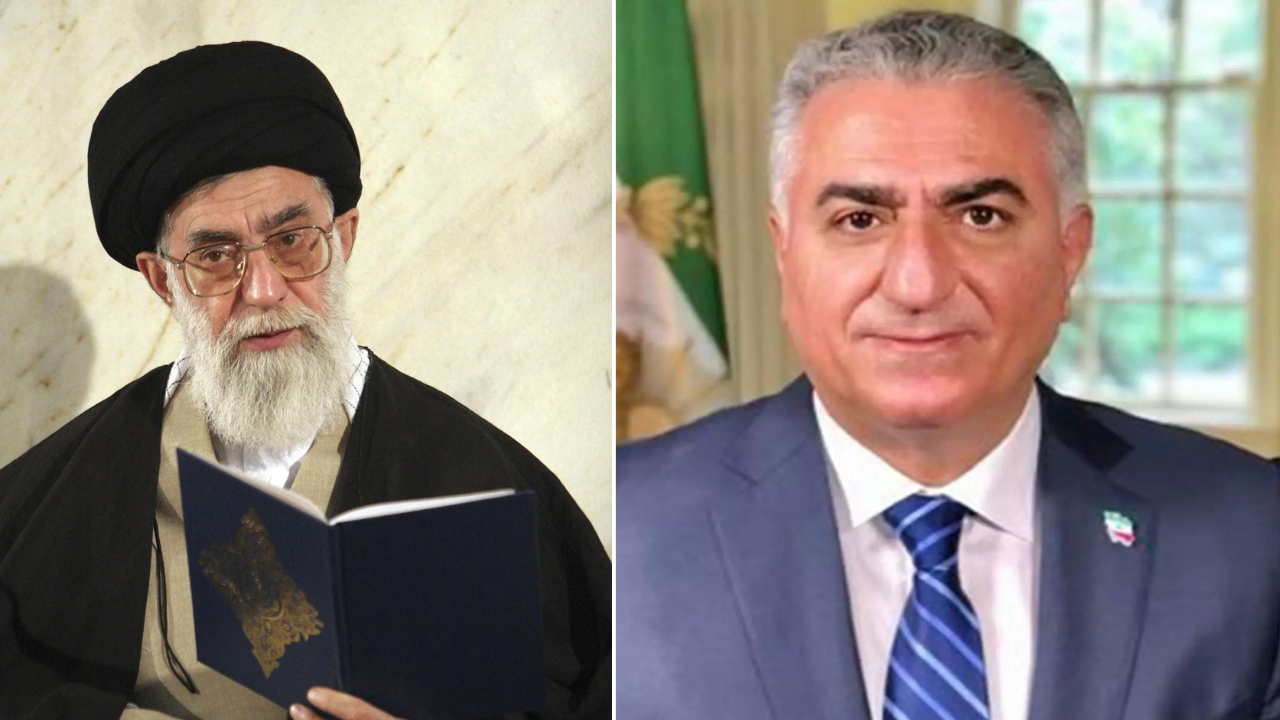
Iran’s Future:
The future of Iran stands at a critical juncture, with discussions increasingly turning to the post-Khamenei era. Amidst this anticipation, Tehran’s exiled crown prince, Reza Pahlavi, has unveiled a comprehensive blueprint for democratic transition. This initiative, dubbed the ‘Prosperity Project,’ offers a detailed roadmap for a future free Iran.
Pahlavi’s proposal seeks to guide the nation through the immediate aftermath of the current Supreme Leader’s passing. It envisions a new era rooted in democratic principles and widespread societal reform. His plan presents a stark contrast to the existing governance structure and promises a radical shift in national direction.
The Urgency of Transition Planning
The advanced age and reported health issues of Supreme Leader Ayatollah Ali Khamenei have intensified discussions about succession. This uncertainty has created a potential vacuum, prompting various opposition groups to present their own visions for Iran’s future. The need for a cohesive, viable transition plan is more pressing than ever before.
Many inside and outside Iran believe that a clear alternative is crucial to prevent chaos or the entrenchment of another authoritarian regime. Pahlavi’s ‘Prosperity Project’ aims to fill this void with a structured, democratic pathway. It seeks to unite disparate opposition voices under a common, achievable goal.
The plan also addresses concerns about potential regional instability if Iran’s leadership succession is not handled strategically. A clear, democratic path could offer stability both internally and externally. It represents a proactive measure to steer the nation towards a peaceful future.
Unveiling the ‘Prosperity Project’
Reza Pahlavi’s ‘Prosperity Project’ is not merely a statement of intent but a detailed framework for governmental and societal change. It outlines a multi-stage process designed to move Iran from its current theocratic rule to a secular, democratic republic. The plan prioritizes stability during transition and long-term democratic institution building.
The project emphasizes national sovereignty, individual freedoms, and economic prosperity as its cornerstones. It aims to restore Iran’s standing on the global stage and improve the living conditions of its citizens. The plan addresses political, economic, social, and foreign policy dimensions comprehensively. For more detailed insights, you can refer to the Official Source.
This extensive proposal has been meticulously crafted to anticipate various scenarios following a change in leadership. It seeks to provide a definitive guide for a profound national transformation. The project is designed to resonate with a broad spectrum of Iranian society, from intellectuals to ordinary citizens.
Immediate Post-Khamenei Steps
The plan details crucial actions to be taken immediately following the Supreme Leader’s death. This includes establishing a transitional government tasked with maintaining order and preparing for broader reforms. Such a government would be broadly inclusive and temporary in nature, ensuring calm.
A primary objective would be to secure the country’s borders and prevent any internal power struggles from escalating into conflict. The transitional phase is envisioned to be short but decisive, focusing on foundational reforms that can quickly stabilize the nation. It would lay the groundwork for a truly democratic state.
This initial period is critical for de-escalating any potential tensions within the security apparatus. It also involves reaching out to regional and international partners to ensure stability. The focus would be on demonstrating commitment to a peaceful and orderly transition.
Forming an Interim Government
Reza Pahlavi proposes the formation of an interim government composed of technocrats and representatives from various opposition factions. This body would not hold legislative power but would oversee the administrative functions of the state. Its mandate would strictly be to facilitate the transition to democracy.
The interim government would work towards dismantling repressive structures and ensuring public safety, restoring basic freedoms. It would also prepare the electoral framework for future nationwide balloting, setting the stage for truly free choices. This temporary body would be crucial in steering Iran away from potential instability and towards self-determination.
Transparency and accountability would be guiding principles for this provisional authority. Its composition would aim to reflect the diverse aspirations of the Iranian people. This step is designed to build trust and demonstrate a clear break from past autocratic practices.
The Role of a Constituent Assembly
Central to the ‘Prosperity Project’ is the election of a Constituent Assembly. This body would be democratically elected by the Iranian people, reflecting the diverse perspectives within society. Its sole purpose would be to draft a new national constitution.
This assembly would deliberate on the fundamental principles, structure, and laws of the future Iranian state, ensuring broad participation. It would be a truly representative body, tasked with defining the nation’s new legal and political identity, free from clerical influence. The resulting constitution would then be put to a national referendum.
The process of electing this assembly would be open and fair, inviting international observers to guarantee its legitimacy. This ensures that the foundational document for the new Iran is genuinely a product of the people’s will. It marks a significant departure from the current system of unelected clerical oversight.
Crafting a New Constitution and Free Elections
The new constitution, once drafted by the Constituent Assembly, would enshrine democratic values, human rights, and the rule of law. It would establish a secular government, separate from religious institutions, ensuring civil liberties for all. This move aims to ensure that all citizens, regardless of belief, are equal under the law.
Following the constitutional referendum, nationwide free and fair elections would be held for a permanent parliament and presidency. These elections would mark the full transition to a democratic republic, giving citizens ultimate control. International observation would be invited to ensure transparency and legitimacy throughout the electoral process.
The constitution would also define the relationship between the central government and regional authorities, fostering local autonomy where appropriate. It would lay out a robust system of checks and balances, preventing the concentration of power in any single entity. This ensures a durable democratic framework.
Economic Reforms for Prosperity
The ‘Prosperity Project’ places significant emphasis on revitalizing Iran’s economy, which has suffered under sanctions and mismanagement. It proposes market-oriented reforms, privatization of state-owned enterprises, and attracting foreign investment. The goal is to create jobs, reduce poverty, and foster sustainable growth across all sectors.
Ending corruption and ensuring transparency in economic dealings are also key components of the plan, creating a fair playing field. It aims to empower the private sector, foster innovation, and integrate Iran more fully into the global economy through renewed trade partnerships. This economic overhaul seeks to uplift the living standards of all Iranians.
Specific reforms would target critical sectors such as energy, infrastructure development, education, and banking. Investment in human capital and technological advancement is prioritized to diversify the economy beyond oil. Such measures are designed to build a resilient and competitive economic future for the nation.
Guaranteeing Social Freedoms and Human Rights
A cornerstone of Pahlavi’s vision is the comprehensive restoration of human rights and social freedoms, which have been severely curtailed. This includes freedom of expression, assembly, and religion for all citizens, ensuring a vibrant public sphere. It seeks to abolish discriminatory laws and practices, particularly those targeting women and minorities.
The plan explicitly champions gender equality, ensuring equal opportunities and protections under the law for women. It also advocates for the protection of ethnic and religious minority rights, fostering an inclusive society. It envisions a society where individual dignity and freedom are paramount, with strong legal safeguards.
Reforms would also extend to the judiciary, ensuring its independence and adherence to international human rights standards. The aim is to create a legal system that serves justice for all, rather than political agendas. This commitment to human rights would redefine the relationship between the state and its citizens.
Reza Pahlavi: The Figure Behind the Plan
Reza Pahlavi is the eldest son of Mohammad Reza Pahlavi, the last Shah of Iran. He has been in exile since the 1979 Iranian Revolution, consistently advocating for a secular, democratic system in Iran. His lineage offers a symbolic connection to a pre-revolutionary era for some.
For decades, Pahlavi has actively campaigned against the current regime, seeking to unite various opposition groups. His ‘Prosperity Project’ represents the culmination of years of advocacy and planning, providing a concrete framework. He positions himself not as a monarchical claimant but as a facilitator of democratic change for his homeland.
His public statements consistently underscore his belief in the Iranian people’s right to self-determination. He views his role as a catalyst for national unity and a guide towards a brighter, democratic future. This stance aims to address historical anxieties about a return to authoritarian monarchy.
Historical Context and Legitimacy
Pahlavi’s historical ties evoke mixed reactions within Iran. While some see him as a symbol of past glory and stability, others associate his family with authoritarianism and foreign influence. His challenge lies in convincing a diverse populace of his unwavering commitment to a truly democratic future, free from monarchical ambitions.
He emphasizes that his role in the transition would be to support the establishment of democratic institutions and then step aside. He publicly renounces any desire to restore the monarchy, asserting his belief in a republican system chosen by the people. His focus is on national unity and self-determination for the Iranian people, ensuring their voice is paramount.
Understanding this historical context is vital to appreciating the nuances of his appeal and the obstacles he faces. His ability to transcend the legacy of his family is central to the broader acceptance of his vision. He seeks to build a consensus around a future that respects the lessons of history while embracing modern democratic ideals.
Challenges and Hurdles to Implementation
Implementing the ‘Prosperity Project’ faces immense challenges, both internal and external. The entrenched power of the Islamic Revolutionary Guard Corps (IRGC) and various hardline factions within Iran presents a formidable obstacle. Their vast economic and political interests in the current system are deeply rooted and fiercely defended.
Another significant challenge is uniting Iran’s fractured opposition, which comprises a wide array of ideologies and goals. Overcoming decades of distrust and internal divisions will be crucial for any transition plan to succeed. Public apathy or fear of retribution also presents a major hurdle, given the regime’s repressive tactics.
External factors, including regional geopolitics and the reactions of major global powers, also play a significant role. The complexities of international relations can either facilitate or hinder such a profound national transformation. The path to democracy for Iran is fraught with numerous, multifaceted difficulties.
The Power of the IRGC
The IRGC is a powerful military, economic, and political force within Iran, controlling vast segments of the economy and security apparatus. Any transition plan must address its role and potential resistance, which could be violent. Pahlavi’s plan suggests integrating non-corrupt elements of the armed forces into a national army, distinct from political influence and loyal to a civilian government.
Disarming and demobilizing the more radical elements of the IRGC, as well as dismantling its extensive intelligence and propaganda networks, would be a complex and sensitive undertaking. It would require careful negotiation and potentially significant international support to manage effectively. The loyalty of various military and security branches remains a critical unknown, posing a significant risk.
The IRGC’s deep involvement in vital industries, from oil to telecommunications, means its disentanglement would be an economic as well as a security challenge. A strategy to transition these assets to civilian control and integrate former IRGC personnel into the new economy would be crucial. This intricate process demands careful planning and execution to avoid instability.
Uniting the Iranian Opposition
The Iranian opposition is incredibly diverse, ranging from monarchists and republicans to socialists, liberals, and various ethnic and religious minority groups. For the ‘Prosperity Project’ to gain widespread traction, Pahlavi must bridge these ideological divides and build a common platform. Building a broad-based coalition is paramount for any credible challenge to the existing regime.
His ability to appeal to a wide spectrum of Iranians, including those disillusioned with both the current regime and the legacy of the monarchy, will be key. This requires a strong emphasis on shared democratic values and a commitment to national unity above partisan interests. Efforts to connect with various groups are ongoing, tracking latest trends in opposition movements and public sentiment.
Overcoming historical grievances and fostering mutual trust among disparate groups demands exceptional leadership and persistent dialogue. A successful transition requires a unified front that can present a clear, consistent message to the Iranian people and the international community. This unity is perhaps the single most important factor for the plan’s viability.
International Reactions and Support
The international community’s response to Pahlavi’s plan would be multifaceted. Western nations might cautiously welcome a democratic transition, but concerns about regional stability, nuclear proliferation, and human rights would remain paramount. Support would likely hinge on the perceived viability and inclusiveness of the plan, along with guarantees of peaceful transition.
Regional powers, particularly Saudi Arabia, Israel, Turkey, and other neighbors, would watch closely, with varying degrees of apprehension or hope. Their reactions would be shaped by their own security concerns, geopolitical interests, and historical relations with Iran. Navigating these complex international dynamics will be a delicate task for any interim government.
Any interim government would need to engage in extensive diplomacy to secure international recognition and support. This includes reassuring allies and adversaries alike about the peaceful intentions of a democratic Iran. Financial assistance and sanctions relief would also be critical for rebuilding the economy and sustaining public support.
The Road Ahead: Building Momentum
For the ‘Prosperity Project’ to move beyond a theoretical framework, it must gain significant popular support within Iran, despite severe state repression. This requires effective communication strategies, clandestine organization, and leveraging modern communication tools to bypass censorship. Building trust among the populace, especially youth and women, is essential.
The plan also needs to demonstrate practical pathways for implementation, even under repressive conditions, showing resilience and determination. It serves as a rallying point for those seeking fundamental change in Iran, offering a concrete alternative to the status quo. The success of the project will ultimately depend on the collective will of the Iranian people and the strategic capabilities of the opposition to mobilize.
Continued advocacy, coalition building, and detailed public outreach are vital for the plan to gain traction. It offers a blueprint for how a complex and potentially turbulent transition could be managed systematically. The ‘Prosperity Project’ provides a vision for hope and a framework for action in a critical period for Iran.
Frequently Asked Questions About the ‘Prosperity Project’
The ‘Prosperity Project’ aims to facilitate a peaceful and democratic transition in Iran after the passing of Supreme Leader Ali Khamenei. Its core objective is to replace the current theocratic regime with a secular, democratic republic, ensuring the transfer of power to the people.
This includes establishing a robust rule of law, protecting universal human rights, and fostering economic prosperity for all Iranians through a free-market system. It seeks to prevent chaos during a critical succession period by providing a clear and structured alternative path.
The project endeavors to build a modern nation where individual liberties are guaranteed and where the government is accountable to its citizens. It is a comprehensive vision for national rejuvenation and stability.
Reza Pahlavi is the eldest son of Mohammad Reza Pahlavi, the last Shah of Iran, who was overthrown in the 1979 revolution. He has been a prominent figure in the Iranian opposition in exile for over four decades, advocating for democratic change.
In the ‘Prosperity Project,’ Pahlavi envisions himself as a facilitator and advocate for a democratic transition, emphasizing popular sovereignty rather than a return to monarchy. He has explicitly stated his support for a republican system chosen by the Iranian people in a free referendum.
His role would be to support the interim government and the Constituent Assembly in their efforts to establish democratic institutions. He aims to unify diverse opposition elements under a common goal of a secular, democratic Iran, offering his experience and symbolic presence.
Immediately after Khamenei’s death, the plan proposes the establishment of an interim transitional government. This government would be comprised of non-partisan technocrats and tasked with maintaining security and administrative functions of the state.
Its primary goal would be to prepare the ground for democratic institutions and free elections, preventing any power vacuum or internal conflict. This includes dismantling oppressive state apparatuses, releasing political prisoners, and ensuring public safety during the transition period.
This initial phase would also involve securing international recognition for the transitional authority and initiating diplomatic efforts to stabilize regional relations. The focus is on a swift, orderly, and peaceful shift of power towards a democratic framework.
The plan acknowledges the powerful and pervasive role of the IRGC in Iran’s military, economy, and political structure. It proposes a careful, phased approach to address its influence and integrate its professional elements into a new national army.
The new national army would be non-political, loyal to a democratic constitution, and focused solely on national defense, distinct from any ideological control. The IRGC’s vast economic empire would be systematically dismantled and its assets brought under civilian government control.
Disarming and demobilizing the more radical elements of the IRGC, as well as its Basij volunteer militia, would be a complex and sensitive undertaking. This would require careful negotiation, amnesty programs for lower-ranking members, and potentially significant international support to manage effectively and prevent widespread resistance.
The ‘Prosperity Project’ envisions a secular, democratic republic where sovereignty resides exclusively with the Iranian people. It emphasizes a clear separation of powers between the executive, legislative, and independent judicial branches, preventing authoritarianism.
The future government would be based on a new constitution drafted by a democratically elected Constituent Assembly and approved by popular referendum. This constitution would guarantee human rights, civil liberties, and equality for all citizens, moving away from any form of religious rule or discrimination.
It would be a pluralistic system, allowing for diverse political parties and opinions to flourish. The government would be accountable, transparent, and dedicated to serving the welfare of the people, rather than a particular ideology or clerical elite.
The project proposes comprehensive market-oriented economic reforms aimed at stimulating growth, attracting investment, and reducing rampant corruption. This includes the privatization of inefficient state-owned enterprises, particularly those controlled by the IRGC, and creating a robust private sector.
It focuses on creating a transparent regulatory environment, protecting property rights, and simplifying business procedures to foster domestic and foreign investment. Ending financial sanctions and integrating Iran into the global economy through renewed trade agreements is also a priority.
Significant investment in critical sectors such as infrastructure, advanced technology, education, and healthcare is also planned. The ultimate goal is to improve living standards, create sustainable jobs, and ensure equitable distribution of wealth for all Iranians, moving away from a rentier economy dependent on oil.
A new constitution will be drafted by a democratically elected Constituent Assembly, ensuring genuine representation of the Iranian populace. This assembly will be broadly representative of the Iranian population, ensuring diverse viewpoints and regional concerns are considered.
The process of electing the Constituent Assembly itself would be free and fair, conducted under international observation to guarantee its legitimacy. Public debates and consultations would be encouraged during the drafting process to foster national ownership.
Once drafted, the proposed constitution will be put to a national referendum, allowing the Iranian people to directly approve or reject it. This process ensures the legitimacy and popular mandate of the new foundational document, making it truly a “people’s constitution.”
The ‘Prosperity Project’ anticipates significant diplomatic engagement and potential support from the international community. This could include assistance in monitoring elections, providing humanitarian aid during transition, and offering economic backing through loans and investment.
International validation and pressure could also be crucial in deterring internal or external forces that might seek to destabilize the transition, acting as a deterrent against spoilers. The plan highlights the importance of re-establishing positive international relations for Iran, moving away from isolation.
A democratic Iran would seek to become a responsible member of the global community, adhering to international laws and treaties. This transformation could also unlock frozen assets and lead to the lifting of sanctions, accelerating economic recovery and integration.
Key challenges include the immense power and deep entrenchment of the IRGC and other hardline factions, which have vested interests in the current system and may resist change violently. Their control over military, intelligence, and economic sectors makes them a formidable obstacle.
Uniting Iran’s highly fragmented opposition groups, with their diverse ideologies and historical grievances, is also a significant hurdle. Overcoming decades of distrust and building a cohesive front requires exceptional leadership and persistent negotiation.
Other challenges involve overcoming pervasive public fear and political apathy caused by decades of repression, securing widespread popular support within Iran, and navigating complex regional and international geopolitical dynamics. Logistical difficulties in operating from exile and coordinating clandestine activities also present considerable obstacles.
The plan is being unveiled now due to the advanced age and increasing health concerns surrounding Supreme Leader Khamenei, which have brought the issue of succession to the forefront. There’s a perceived urgency to provide a clear, democratic alternative to prevent a political vacuum or the installation of another authoritarian figure.
Its significance lies in offering a detailed, structured blueprint for change, aiming to provide hope and direction for Iranians seeking a democratic future. It serves as a potential unifying vision for diverse opposition forces who might otherwise struggle to agree on a post-regime path.
The ‘Prosperity Project’ offers a tangible counter-narrative to the existing regime’s vision, demonstrating that a viable, democratic future for Iran is not just a dream but a meticulously planned possibility. It signals a readiness for transition and encourages public discourse on Iran’s post-theocratic future.
Iran democratic transition, Reza Pahlavi plan, Iran Prosperity Project, post-Khamenei Iran, Iranian opposition, Iran future government, secular Iran, Iran human rights, Iran economic reform, Iran political change, Iran freedom, Constituent Assembly Iran, democratic republic Iran, Iran succession plan, Iran civil liberties.