






A New Milestone in the Cancer Fight: 7 in 10 Patients Now Survive Five-Plus Years
The fight against cancer has reached a significant milestone, with 7 in 10 patients now surviving for five years or more after their initial diagnosis. This impressive statistic is a testament to the tireless efforts of medical professionals, researchers, and organizations dedicated to finding new and innovative ways to treat and manage this complex disease.
Historical Context: A Story of Progress
Over the past few decades, cancer treatment has undergone a significant transformation. In the 1970s and 1980s, cancer was often seen as a death sentence, with few treatment options available and limited understanding of the disease. However, with advances in medical technology, the development of new treatments, and a greater understanding of the genetic and molecular mechanisms underlying cancer, survival rates have improved dramatically. According to Wikipedia, the five-year survival rate for all cancers combined has increased from 50% in the 1970s to over 70% today.
Deep-Dive Analysis: The Factors Contributing to Improved Survival Rates
Several factors have contributed to the improved survival rates for cancer patients. These include:
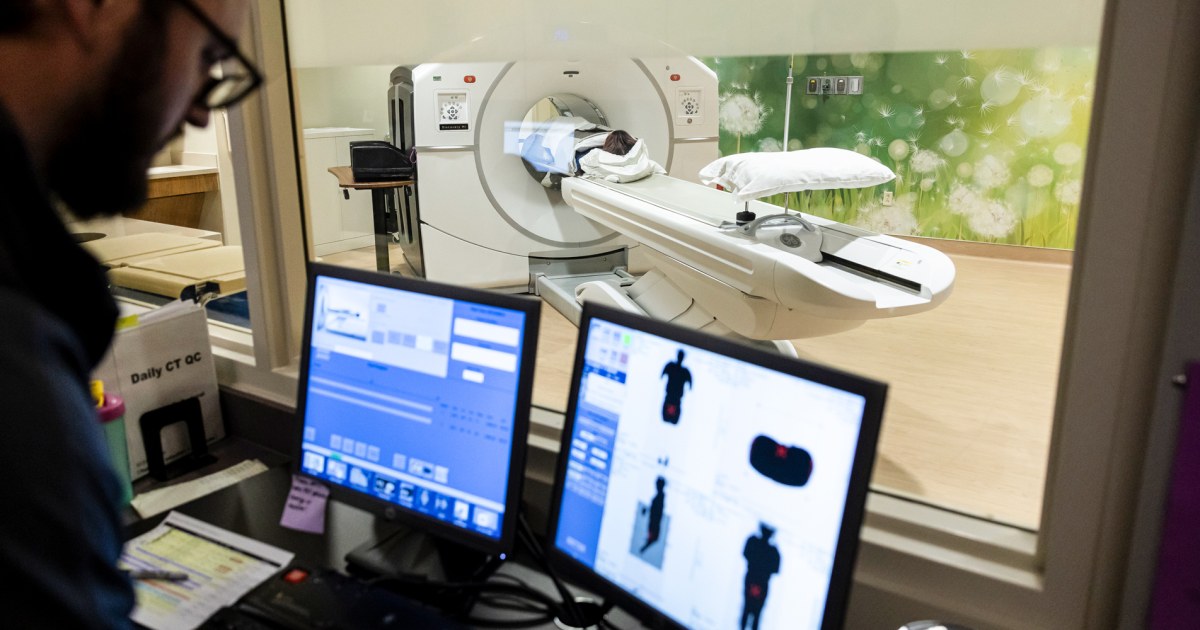
- Advances in medical technology, such as imaging techniques and surgical procedures
- The development of new treatments, including targeted therapies and immunotherapies
- Improved understanding of the genetic and molecular mechanisms underlying cancer
- Increased access to cancer screening and early detection programs
- Enhanced patient care and support services, including nutrition counseling and palliative care
For more information on cancer treatment and management, visit our Health category. Additionally, you can stay up-to-date with the latest news and developments in the field of oncology by checking out our Trending News section.
Table of Facts: Cancer Survival Rates by Type
| Cancer Type | Five-Year Survival Rate (1970s) | Five-Year Survival Rate (2020s) |
|---|---|---|
| Breast Cancer | 75% | 90% |
| Lung Cancer | 10% | 21% |
| Colorectal Cancer | 50% | 65% |
| Prostate Cancer | 70% | 92% |
| Leukemia | 20% | 60% |
As reported by Reuters, these improvements in survival rates are a result of continued research and investment in cancer treatment and management. For the latest updates on cancer research and breakthroughs, visit our Latest Updates section.
Future Implications: The Road Ahead
While the current statistics are promising, there is still much work to be done in the fight against cancer. With ongoing research and development of new treatments, it is likely that survival rates will continue to improve. As noted by the National Cancer Institute, the future of cancer treatment will likely involve personalized medicine, with therapies tailored to an individual’s specific genetic and molecular profile.
Conclusion
The achievement of 7 in 10 cancer patients surviving for five years or more is a significant milestone in the fight against this disease. With continued advances in medical technology, the development of new treatments, and a greater understanding of the underlying mechanisms of cancer, it is likely that survival rates will continue to improve. Stay informed about the latest news and developments in cancer treatment and research by visiting our Trending News section.
Frequently Asked Questions (FAQs)
Below are some frequently asked questions about cancer survival rates and the factors that influence them:
- Q: What is the current five-year survival rate for all cancers combined?
A: According to recent statistics, the five-year survival rate for all cancers combined is over 70%.
- Q: Which type of cancer has the highest five-year survival rate?
A: Breast cancer has one of the highest five-year survival rates, with over 90% of patients surviving for five years or more after diagnosis.
- Q: What are some of the main factors that contribute to improved survival rates for cancer patients?
A: Advances in medical technology, the development of new treatments, and improved understanding of the genetic and molecular mechanisms underlying cancer are some of the main factors that contribute to improved survival rates.
- Q: How can I reduce my risk of developing cancer?
A: Reducing your risk of developing cancer involves maintaining a healthy lifestyle, including a balanced diet, regular exercise, and avoiding tobacco and excessive alcohol consumption.
- Q: Where can I find more information about cancer treatment and management?
A: You can find more information about cancer treatment and management on our Health category, as well as on reputable websites such as the National Cancer Institute website.
Tags: cancer survival rates, cancer treatment, cancer research, oncology, personalized medicine, medical technology, cancer screening, early detection, patient care, cancer statistics, health news, trending news, latest updates, cancer types, breast cancer, lung cancer, colorectal cancer, prostate cancer, leukemia
Source: NBC News