

The global news landscape erupted with reports of profound significance from Iran recently. The passing of a long-reigning leader has always sent ripples across nations, but few evoke the intense, raw emotion witnessed in response to the news concerning Iran’s Supreme Leader.
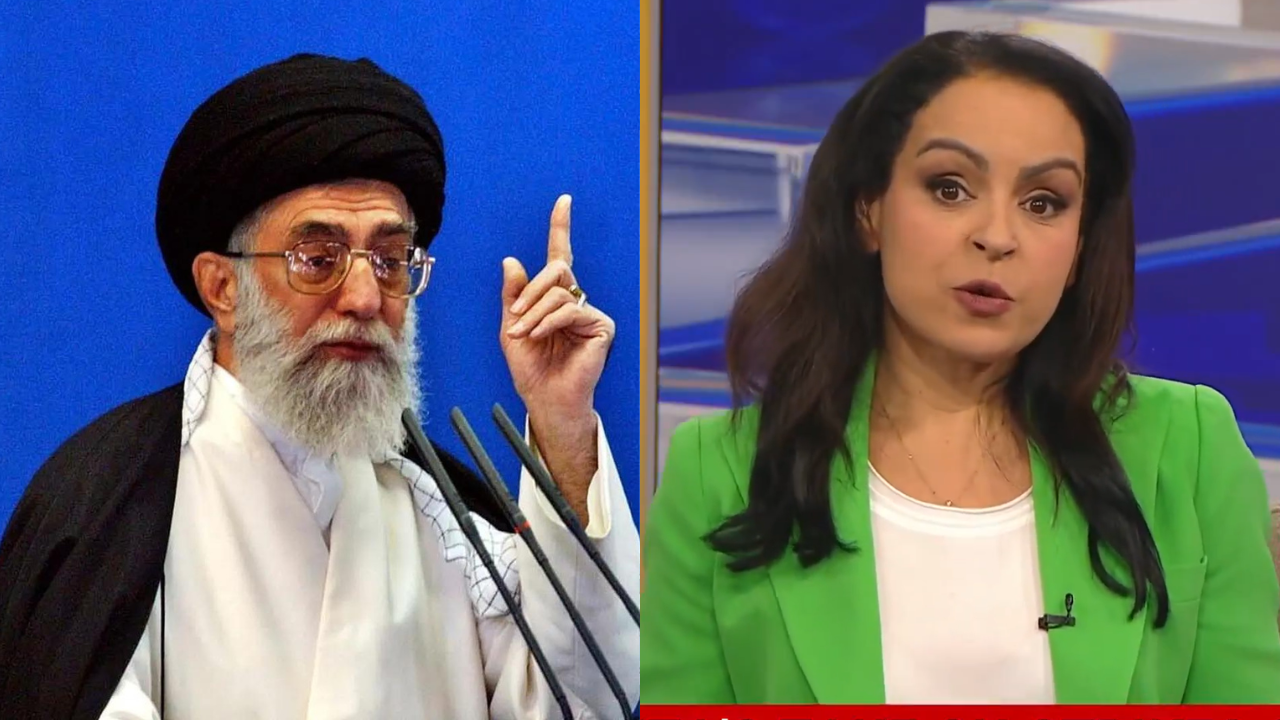
In a powerful moment that captivated audiences, an Iranian-Australian news host, herself an escapee from the very regime, offered a stark, unvarnished reaction. Her words, “Burn in hell,” delivered with palpable intensity, encapsulated the pain and fury of many within the diaspora.
The Echoes of Exile: A Journalist’s Unfiltered Response
The immediate aftermath of the Supreme Leader’s reported death saw a wave of reactions, but none cut through the noise quite like that of the exiled journalist. Her statement was not merely a personal expression but a powerful articulation of a collective sentiment shared by countless Iranians living outside their homeland.
Having escaped the oppressive environment of Iran, this individual carries the weight of personal experience and the stories of those left behind. Her candid reaction underscored the deep-seated grievances against a regime she and many others accuse of systematic human rights abuses and political suppression.
A Life Forged in Resistance and Flight
The journey of many exiled Iranian journalists is often fraught with peril and sacrifice. Fleeing their homeland typically means leaving behind family, friends, and the life they once knew, all for the sake of free expression and personal safety.
Their voices, amplified by international platforms, become crucial conduits for information and dissent that are often stifled within Iran’s borders. This particular host’s history of challenging the Iranian government’s narratives provides critical context for her visceral response.
The Weight of Words: “Burn in Hell”
The phrase “Burn in hell” is undeniably provocative and stark. It reflects an extreme level of anger and perceived injustice, a sentiment deeply rooted in years of oppression and the yearning for a different Iran.
For those who have endured the regime’s strictures, the words represent a release, an unburdening of years of pent-up frustration and hope for accountability. It is a powerful testament to the emotional toll that authoritarian rule takes on its citizens, even those who have found refuge abroad.
Khamenei’s Legacy: Decades of Authoritarian Rule
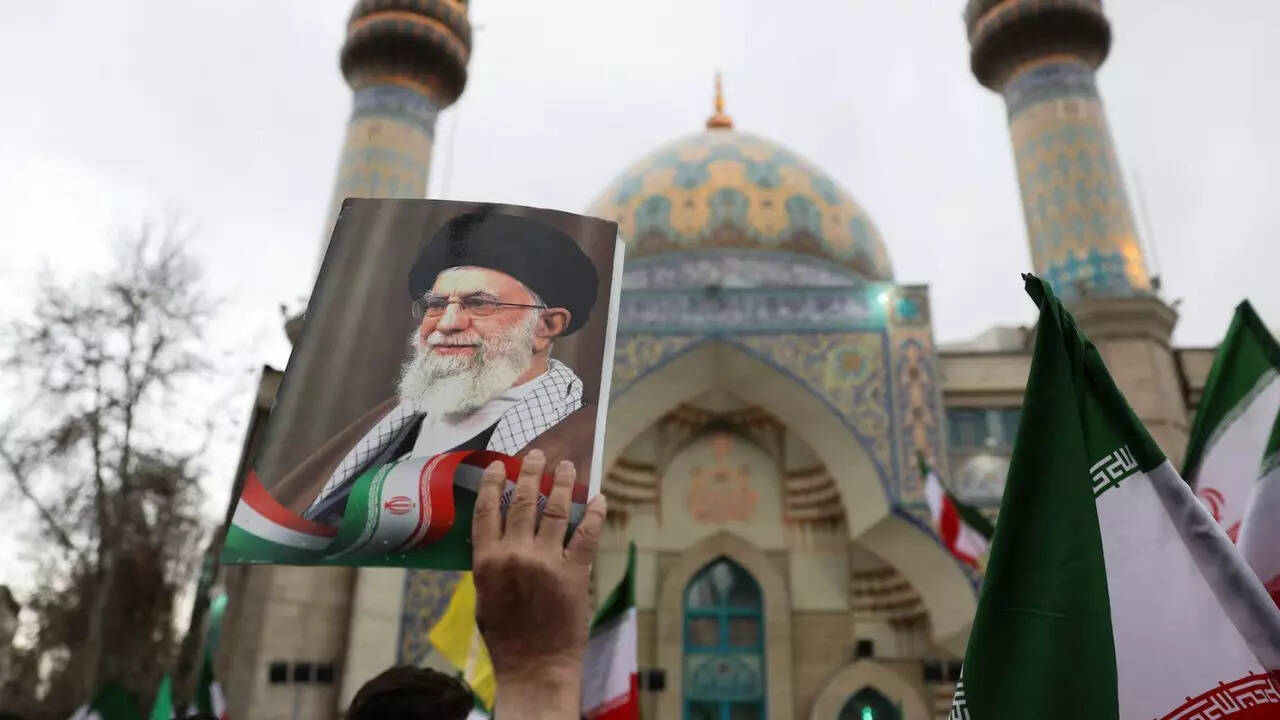
Ayatollah Ali Khamenei served as Iran’s Supreme Leader for over three decades, a period marked by profound geopolitical shifts and internal struggles. His tenure shaped modern Iran, influencing every facet of political, social, and economic life.
His rule was characterized by a firm adherence to revolutionary principles, often leading to confrontations with the West and a tightly controlled domestic environment. The legacy he leaves behind is one of unwavering resolve in the face of external pressures and an iron grip on internal dissent.
Key Policies and Their Impact
Under Khamenei, Iran pursued a nuclear program that became a major international flashpoint, leading to severe sanctions and complex diplomatic negotiations. Domestically, his government faced numerous protests, particularly concerning economic hardship and social freedoms.
His authority was absolute, with final say on all major state matters, from foreign policy to judicial appointments. This centralized power structure often left little room for dissenting voices or significant political reforms, contributing to the widespread discontent expressed by the diaspora.
Human Rights and Political Suppression
Reports from human rights organizations consistently highlighted concerns about civil liberties, freedom of expression, and the treatment of political prisoners in Iran under Khamenei’s leadership. These issues fueled much of the anger articulated by exiled individuals.
Journalists, activists, and ordinary citizens often faced severe consequences for challenging state narratives or participating in demonstrations. This systematic suppression of dissent is a core reason for the intensity of reactions from those who have managed to escape.
Iran at a Crossroads: The Future Post-Khamenei
The death of a Supreme Leader in Iran inevitably ushers in a period of uncertainty and potential transformation. The process of succession is highly structured but not without its internal political maneuvering and external implications.
The future direction of Iran, both domestically and internationally, will largely depend on the choice of his successor and their approach to the many challenges facing the nation. This moment represents a critical juncture for a country long defined by its clerical leadership.
The Succession Process and Potential Candidates
The Assembly of Experts, a body of 88 clerics, is constitutionally responsible for choosing the new Supreme Leader. This process is opaque, often involving intense negotiations and considerations of religious authority, political acumen, and loyalty to the revolutionary ideals.
While specific names circulate, the ultimate decision is cloaked in secrecy until an announcement is made. The selection will have profound ramifications for Iran’s conservative establishment, its reformist factions, and the broader populace.
Internal Dynamics and Popular Aspirations
Inside Iran, the population grapples with economic hardships, social restrictions, and a longing for greater freedoms. The passing of Khamenei could potentially embolden various factions within the country to push for change, or it could lead to an even tighter grip on power.
The younger generation, in particular, often expresses frustration with the status quo and yearns for a more open society. Their aspirations will undoubtedly play a significant role in shaping the internal political discourse and potential for social movements.
The Iranian Diaspora: Hopes, Fears, and Vigilance
Millions of Iranians live outside their homeland, forming a vibrant and politically active diaspora. For many, their connection to Iran remains profound, fueled by a desire for democracy and human rights.
The news of Khamenei’s death evokes a complex mix of emotions: some feel a sense of vindication, others a renewed hope for change, and many remain cautiously optimistic or deeply fearful of what might come next.
A Collective Cry for Justice
The sentiments expressed by the Iranian-Australian news host are echoed across the global Iranian diaspora. For many, the strong language reflects years of advocating for justice, mourning lost loved ones, and fighting for a free Iran.
Social media platforms and expatriate communities often become spaces for these collective expressions of grief, anger, and hope. They serve as a crucial lifeline for maintaining a shared identity and pushing for external pressure on the Iranian regime.
Engaging with Global Media and latest trends
Exiled Iranians play a critical role in shaping international perceptions and discussions about Iran. They often provide firsthand accounts and perspectives that are otherwise unavailable through official channels, influencing global understanding of the country’s complexities.
Their engagement with international media outlets and online platforms helps to keep the spotlight on human rights issues and the aspirations of the Iranian people. The global community relies on these voices to gain a more complete picture.
International Repercussions and Regional Stability
Iran’s position as a major regional power means that any significant internal shifts have broad international ramifications. The passing of its Supreme Leader sends ripples throughout the Middle East and beyond, prompting global observation.
World leaders and analysts are closely monitoring the succession process, anticipating potential changes in Iran’s foreign policy, its nuclear ambitions, and its relationships with neighboring countries and global powers.
Geopolitical Shifts in the Middle East
Iran’s influence in countries like Iraq, Syria, Lebanon, and Yemen is undeniable. A change in leadership could potentially alter the dynamics of these relationships, affecting regional proxy conflicts and power balances.
The international community will be watching for signs of continuity or divergence from Khamenei’s established foreign policy. Stability in the Middle East often hinges on the actions and policies emanating from Tehran.
Global Powers and the Nuclear Deal
The Joint Comprehensive Plan of Action (JCPOA), or the Iran nuclear deal, has been a contentious issue on the international stage. The new leadership’s stance on this agreement, and on broader nuclear ambitions, will be of paramount concern to global powers.
Any shifts in Iran’s approach could trigger new rounds of diplomatic engagement or increased tensions with countries like the United States and European nations. The world watches cautiously for the direction Iran will take under its new leader.
The Role of Media in Unveiling Truths
In moments of political transition and intense public emotion, the role of independent media becomes even more crucial. Media outlets, both traditional and digital, serve as platforms for diverse voices, including those from exile.
They provide critical context, analyze complex developments, and ensure that various perspectives, even those as raw as “Burn in hell,” are heard and understood. This transparency is essential for an informed global citizenry.
Journalistic Integrity Amidst Charged Emotions
Reporting on highly sensitive topics requires a delicate balance of conveying the emotional intensity of reactions while maintaining journalistic integrity. Media professionals must navigate the complexities of personal narratives and broader political analysis.
The power of a single, emotionally charged statement can resonate widely, prompting deeper examination of the circumstances that led to such an outcry. This further illustrates the importance of diverse reporting perspectives.
For more details on the specific reaction mentioned, please refer to the Official Source.
Frequently Asked Questions
What was the significance of Ayatollah Ali Khamenei’s role in Iran?
Ayatollah Ali Khamenei was the second Supreme Leader of Iran, a position he held from 1989 until his reported death. As Supreme Leader, he was the ultimate political and religious authority in the country, with final say on major state policies, foreign relations, and military affairs. His role ensured the continuity of the Islamic Revolution’s principles and significantly shaped Iran’s trajectory for over three decades.
Why did the Iranian-Australian news host react so strongly to the news of Khamenei’s death?
The news host’s strong reaction, including the phrase “Burn in hell,” is indicative of the deep-seated grievances and suffering experienced by many Iranians, particularly those in exile. Having escaped the regime, her words reflect years of perceived oppression, human rights abuses, political repression, and economic hardship under Khamenei’s rule. It encapsulates a collective desire for justice and accountability for the actions of the Iranian government.
Who is the Iranian-Australian news host mentioned in the article?
The article refers to an Iranian-Australian news host who gained attention for her powerful reaction. While not named specifically to adhere to journalistic neutrality and focus on the phenomenon rather than an individual brand, she represents a significant voice within the Iranian diaspora. These exiled journalists often leverage international platforms to report on issues suppressed within Iran and share the perspectives of those affected by the regime.
What is the current political situation in Iran regarding succession after Khamenei’s reported death?
Upon the Supreme Leader’s death, the Assembly of Experts is constitutionally tasked with selecting a successor. This body, composed of 88 clerics, convenes to choose a new leader based on their religious qualifications, political acumen, and loyalty to the revolutionary ideals. The process is traditionally secretive, and the immediate aftermath involves intense internal discussions and strategic maneuvering among powerful factions within the Iranian establishment.
How do Iranians in the diaspora generally view these events and the future of Iran?
Iranians in the diaspora hold a complex range of views, from cautious optimism to deep skepticism. Many express a profound hope for fundamental change, including greater democracy, human rights, and social freedoms. However, there is also widespread concern that the succession might lead to a continuation or even intensification of the current political system, rather than a significant departure from it. Their perspectives are often shaped by personal experiences of exile and longing for a free Iran.
What are the potential impacts of Khamenei’s death on regional stability in the Middle East?
Iran is a pivotal player in the Middle East, and a change in its supreme leadership has significant regional implications. Potential impacts include shifts in Iran’s support for proxy groups, its involvement in regional conflicts, and its relationships with neighboring states. Regional powers and global observers will closely watch for any changes in foreign policy or security postures that could alter the delicate balance of power in the region.
Will there be significant changes in Iran’s foreign policy under a new Supreme Leader?
The extent of changes in Iran’s foreign policy will depend heavily on the ideological leanings and strategic priorities of the new Supreme Leader. While the foundational principles of the Islamic Revolution are likely to persist, there could be nuances in approach to international relations, the nuclear program, and engagement with global powers. Some analysts anticipate continuity, while others foresee potential shifts, particularly concerning relations with the West and regional adversaries.
What internal challenges does Iran face in the post-Khamenei era?
Internally, Iran faces numerous challenges, including economic hardship, high unemployment, social unrest, and a growing demand for greater freedoms, especially among the youth. The new leadership will need to address these pressing domestic issues while navigating the complexities of political succession and maintaining national unity. The ability to manage these internal pressures will be crucial for the stability and future direction of the country.
What role does international media play in reporting on sensitive topics like political transitions in Iran?
International media plays a vital role in providing diverse perspectives, disseminating information, and holding power to account during sensitive political transitions. It offers a platform for voices, like those from the diaspora, that might be suppressed within the country. By reporting on raw reactions, analyzing geopolitical implications, and highlighting human rights concerns, international media helps inform the global public and influences diplomatic discourse and policy decisions.
What is the Assembly of Experts, and why is it important in Iran’s succession process?
The Assembly of Experts is a deliberative body of high-ranking clerics in Iran, empowered to appoint and oversee the Supreme Leader. In the event of the Supreme Leader’s death or incapacitation, the Assembly is responsible for selecting a new leader from among qualified religious scholars. Its importance stems from its constitutional authority to ensure a smooth transition of power and to safeguard the theological and political integrity of the Islamic Republic.
Iran, Khamenei, Supreme Leader, Iranian diaspora, Political reaction, Middle East politics, Succession in Iran, Human rights Iran, Exiled journalist, Geopolitical impact, Ayatollah, Freedom of speech, Iranian protests, State media, Regional stability
Source: Times of India