



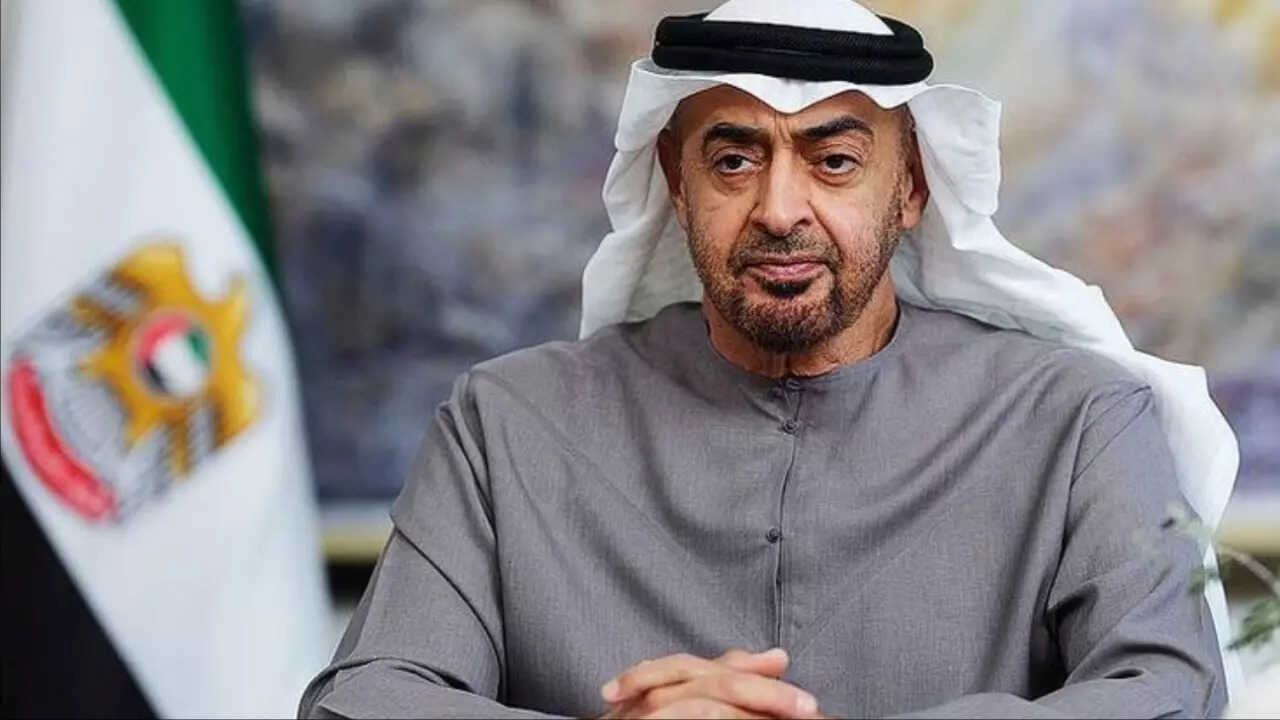
The Middle East once again finds itself at a perilous crossroads. Amidst escalating tensions and the looming shadow of broader conflict involving Iran, the United States, and Israel, a powerful and deeply emotional message has emerged from the United Arab Emirates.
This message, delivered by UAE President Mohamed bin Zayed Al Nahyan, resonates as a stark reminder of the human cost of war and a heartfelt plea for regional stability.
A Region on Edge: The Escalating Conflict
The geopolitical landscape of the Middle East is perpetually complex, characterized by intertwined alliances and deep-seated historical grievances. Recent events have pushed this delicate balance to its breaking point, threatening widespread instability.
The continuous friction between Iran and its regional adversaries, coupled with the steadfast support from the United States for its allies, creates an explosive mix. Every incident, no matter how localized, holds the potential to ignite a broader conflagration.
The Backdrop of Tensions
Years of proxy conflicts, economic sanctions, and strategic maneuvering have fueled an environment of deep mistrust. Iran’s nuclear program and its regional influence remain primary concerns for both Israel and the United States.
Conversely, Iran views the presence of US forces and the actions of Israel as direct threats to its sovereignty and regional aspirations. This cycle of suspicion and retaliation has severely hampered any consistent peace efforts.
The Humanitarian Toll
As history repeatedly demonstrates, it is always the civilian populations who bear the brunt of conflict. The prospect of an intensified regional war evokes terrifying images of widespread displacement, suffering, and loss of innocent lives.
Essential infrastructure, including hospitals, schools, and homes, would be devastated, setting back decades of development. The humanitarian implications are truly catastrophic, far beyond any political gain.
President Mohamed bin Zayed’s Profound Message
In a moment demanding courageous leadership, President Mohamed bin Zayed Al Nahyan stepped forward with a message that transcended typical diplomatic rhetoric. His words carried immense weight, reflecting the deep concern of a nation committed to peace.
The President’s address was not just a political statement; it was a deeply personal and emotional appeal, aiming to bridge divides through empathy rather than aggression.
The ‘Forgive Us’ Plea
The most striking phrase from his message, “Forgive us,” instantly captured global attention. This profound apology was not an admission of guilt but a lament for the collective failure of the region to secure enduring peace for its peoples.
It acknowledged the shared responsibility of all parties in allowing tensions to escalate, signaling a desire to break cycles of animosity. The phrase embodies a profound sense of introspection and humility rarely seen in international diplomacy.
A Call for Unity and De-escalation
Beyond the apology, President Mohamed bin Zayed articulated a clear vision for unity and immediate de-escalation. He urged all regional actors to prioritize dialogue over confrontation, emphasizing the common future shared by all nations in the Middle East.
The UAE has consistently advocated for diplomatic solutions, believing that enduring peace can only be achieved through mutual understanding and cooperation. This message reinforced the UAE’s long-standing commitment to constructive engagement.
The Weight of Regional Responsibility
The United Arab Emirates, under the leadership of President Mohamed bin Zayed, has increasingly assumed a proactive role in regional diplomacy. This message underscores the UAE’s recognition of its responsibility to foster stability and prosperity for all.
The nation’s foreign policy is often characterized by a pragmatic approach, seeking to build bridges and diffuse potential flashpoints. This latest intervention is a powerful testament to that strategic commitment, prioritizing the well-being of the region.
Regional Implications and International Reactions
The President’s emotional plea carries significant implications for regional dynamics and has prompted various reactions from international observers. It is seen as a crucial intervention at a time when cooler heads are desperately needed.
The message offers a unique perspective, distinct from the often-belligerent narratives dominating the public discourse.
A Beacon of Diplomacy
In a region frequently associated with conflict, the UAE’s message stands out as a beacon of mature diplomacy and empathy. It positions the country as a credible mediator and a voice for reason amidst the clamor of conflict.
This approach highlights a shift towards a more inclusive and cooperative regional order, away from zero-sum calculations. The UAE seeks to demonstrate that collaboration can yield greater benefits than endless rivalry.
Reactions from Global Powers
Global powers, including the United States and European nations, are likely to view this message positively. It aligns with broader international efforts to prevent the Middle East from spiraling into a devastating war.
Such calls for de-escalation provide valuable diplomatic openings and encourage a more measured response from all involved parties. They underscore the shared global interest in stability.
Impact on Regional Alliances
The message could subtly influence existing regional alliances and potentially open doors for new diplomatic configurations. It encourages a reconsideration of current strategies and priorities among Gulf states and other regional players.
By emphasizing collective responsibility, the UAE aims to foster a greater sense of shared destiny among Middle Eastern nations. This could pave the way for more integrated security frameworks and economic partnerships.
As reported by an Official Source, the plea resonated deeply across the region and beyond.
The Path Forward: Dialogue and Stability
The urgency of the current situation demands immediate and concerted efforts towards dialogue and de-escalation. President Mohamed bin Zayed’s message provides a powerful impetus for such initiatives.
The path to sustainable peace is arduous, but it is the only viable route to prevent further tragedy and achieve lasting prosperity for the region.
The Urgency of Dialogue
Dialogue, even among adversaries, remains the most potent tool for conflict resolution. Open communication channels can prevent misunderstandings and provide platforms for negotiating grievances.
Regional leaders must commit to sustained diplomatic engagement, prioritizing the welfare of their populations over geopolitical one-upmanship. The consequences of inaction are simply too severe.
Economic and Social Repercussions
A protracted conflict would decimate the economic prospects of the entire Middle East, undoing years of progress and investment. It would also exacerbate social divisions and fuel extremism, creating an environment of lasting instability.
The vision of a prosperous, interconnected, and innovative Middle East depends entirely on a foundation of peace and security. Economic development cannot thrive in the shadow of war.
Learning from the Past
History offers numerous lessons on the futility and devastation of unresolved conflicts. The Middle East has endured cycles of violence for far too long, with each generation inheriting the unresolved tensions of the last.
It is time for a new paradigm, one that prioritizes reconciliation, mutual respect, and the shared aspiration for a better future. Learning from past mistakes is crucial for forging a new path.
A Glimmer of Hope Amidst Adversity
In these challenging times, President Mohamed bin Zayed’s emotional message serves as a glimmer of hope. It reminds the world that even amidst the gravest threats, the desire for peace and humanity’s collective well-being can still prevail.
Such powerful expressions of empathy are vital for shifting narratives and fostering an environment conducive to peace.
Empathy as a Diplomatic Tool
The use of empathy in high-stakes diplomacy is a powerful and often underestimated tool. By acknowledging shared pain and potential suffering, leaders can create a common ground for understanding and cooperation.
This approach moves beyond rigid political positions, appealing to the fundamental human desire for safety and stability. It allows for a more constructive and compassionate dialogue.
The UAE’s Vision for the Future
The UAE remains steadfast in its long-term vision for a peaceful, prosperous, and innovative Middle East. Its foreign policy initiatives consistently reflect a commitment to sustainable development and regional collaboration.
Through active engagement and a willingness to extend the hand of friendship, the UAE aims to be a catalyst for positive change. It strives to build a legacy of peace and progress for future generations.
Exploring Latest Trends
Stay informed on the latest trends shaping global diplomacy and regional stability. Understanding these dynamics is crucial for grasping the complex interplay of forces at work.
From geopolitical shifts to technological advancements, awareness of current developments can provide crucial insights into the evolving landscape. Always seek current, reliable information.
Frequently Asked Questions (FAQs)
- 1. Who is UAE President Mohamed bin Zayed Al Nahyan?
- His Highness Sheikh Mohamed bin Zayed Al Nahyan is the President of the United Arab Emirates and the Ruler of Abu Dhabi. He has been a pivotal figure in the UAE’s development and foreign policy for decades, known for his pragmatic leadership and commitment to regional stability.
- 2. What specific message did he convey?
- President Mohamed bin Zayed sent an emotional message, reportedly including the phrase “Forgive us,” amid escalating tensions between Iran and US-Israel. The message expressed a deep concern for the region’s future and a plea for de-escalation and peace.
- 3. What is the context of the ‘Iran vs US-Israel war’ he referred to?
- The context refers to the long-standing, complex geopolitical tensions and proxy conflicts involving Iran, the United States, and Israel in the Middle East. This includes concerns over Iran’s nuclear program, its regional influence, and the strategic interests of the US and Israel in the region.
- 4. Why is this message considered emotional?
- The message is considered emotional due to its heartfelt tone and the use of the phrase “Forgive us,” which signifies a deep lament for the collective failures that have led the region to the brink of conflict. It reflects a profound empathy for the potential suffering of the people.
- 5. How does the UAE typically position itself in regional conflicts?
- The UAE generally positions itself as a proponent of dialogue, diplomacy, and regional stability. It seeks to de-escalate tensions, build bridges, and foster cooperation among Middle Eastern nations, often acting as a mediator in complex disputes.
- 6. What are the potential implications of this message for regional stability?
- The message could potentially encourage all parties to reconsider their stances, open channels for dialogue, and prioritize de-escalation. It signals a strong desire from a key regional player for peace, potentially influencing diplomatic efforts and public opinion across the Middle East.
- 7. How have other countries reacted to the message?
- While official reactions vary, such a powerful and empathetic message is generally welcomed by countries advocating for peace and stability. It provides diplomatic leverage for international efforts to prevent a wider conflict and encourages moderation from all involved parties.
- 8. What role can dialogue play in de-escalating the current tensions?
- Dialogue is crucial for de-escalating tensions by facilitating direct communication, clarifying intentions, and finding common ground. It allows for the negotiation of grievances and the exploration of peaceful resolutions, preventing miscalculations that could lead to conflict.
- 9. What are the humanitarian concerns in this conflict?
- The primary humanitarian concerns include widespread civilian casualties, mass displacement, destruction of vital infrastructure, and a severe impact on access to basic necessities like food, water, and medical care. A major conflict would create a devastating humanitarian crisis.
- 10. What is the UAE’s long-term vision for the Middle East?
- The UAE’s long-term vision for the Middle East is centered on peace, prosperity, and sustainable development. It aims to foster a region characterized by innovation, economic cooperation, and mutual respect, moving beyond cycles of conflict to build a brighter future for its peoples.
SEO Keywords
UAE President, Mohamed bin Zayed, Iran US Israel War, Middle East Conflict, Regional Stability, Diplomatic Efforts, De-escalation, Gulf Diplomacy, Peace Initiatives, Humanitarian Crisis, Geopolitics, UAE Foreign Policy, Emotional Message, Forgive Us, Regional Dialogue
Source: Times of India