






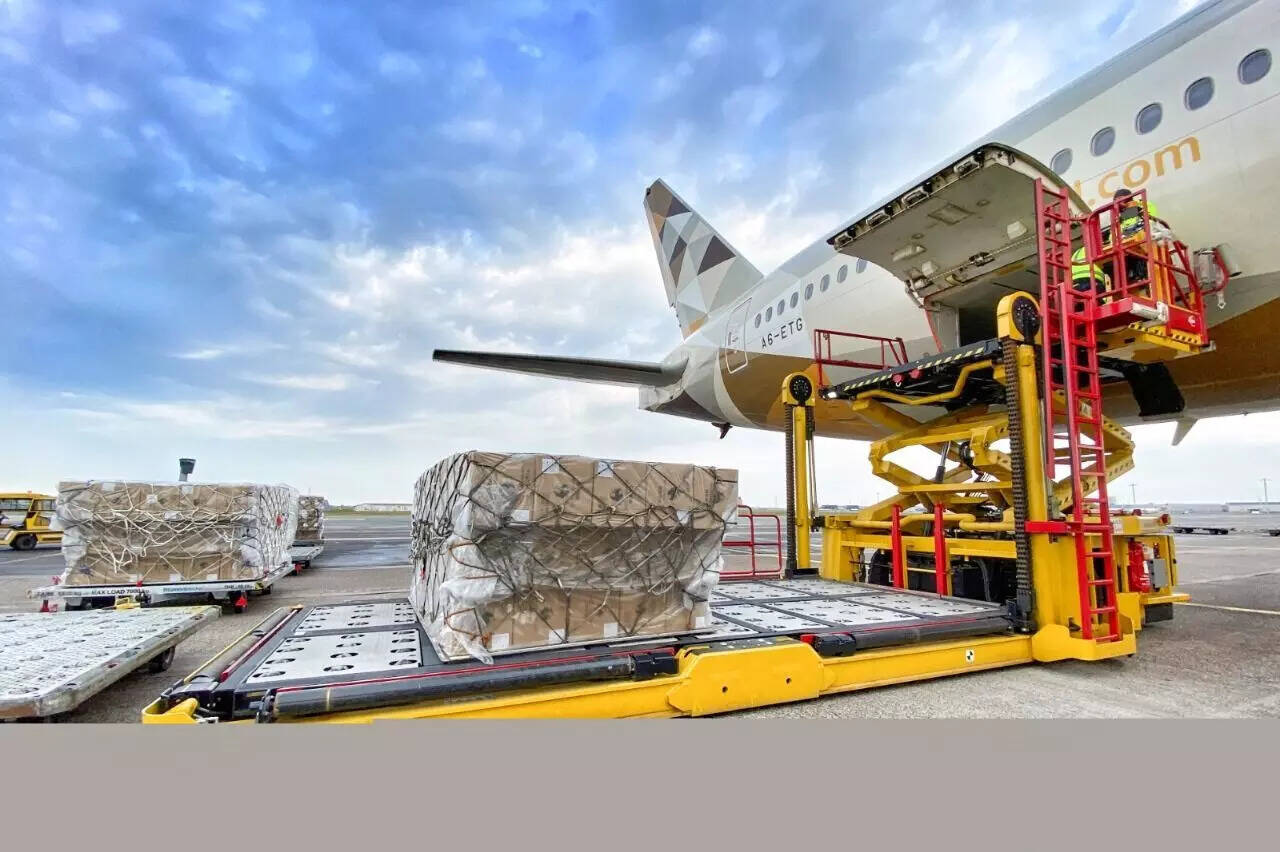
A significant logistical endeavor recently unfolded, ensuring the continuous availability of fresh produce across major supermarket chains in the United Arab Emirates. This operation involved the rapid air transportation of 80,000 kilograms of diverse agricultural products from India.
This initiative highlights the proactive measures taken by key stakeholders to maintain robust supply chains and uphold food security for millions of residents. The swift action underscores a commitment to uninterrupted access to essential goods.
Bridging Distances: A Logistical Masterclass
The monumental airlift represents a testament to modern supply chain capabilities and strategic foresight. It successfully navigated complex logistics to meet immediate consumer demand.
This operation involved dedicated cargo flights, meticulously coordinated to transport perishable goods efficiently. Every stage, from sourcing to distribution, was precisely managed to preserve quality.
The Scale of the Operation
The 80,000kg consignment included a wide variety of fresh vegetables, fruits, and other essential food items. These products were carefully selected to meet the diverse culinary preferences of the UAE’s multicultural population.
Such a large volume required extensive planning, including cold chain management from farm to shelf. The goal was to minimize spoilage and deliver optimal freshness to consumers.
Ensuring Freshness and Quality
Maintaining the integrity of perishable goods during long-distance transportation is paramount. Specialized packaging and temperature-controlled environments were crucial for this mission.
Upon arrival, the produce underwent rapid customs clearance and immediate distribution to various retail outlets. This streamlined process ensured products reached shelves swiftly.
The Imperative of Food Security
Food security remains a top priority for nations worldwide, especially for countries reliant on imports. Proactive strategies are essential to safeguard national interests.
The UAE, with its diverse population and substantial reliance on imported foodstuffs, continually invests in initiatives to strengthen its food supply resilience. This airlift is a prime example of such commitment.
Responding to Supply Chain Dynamics
Global events and evolving market conditions frequently challenge conventional supply routes. Agility and adaptability are therefore key in modern trade.
This strategic airlift demonstrates a responsive approach to potential disruptions or seasonal demand fluctuations. It ensures that unforeseen challenges do not translate into consumer shortages.
Building Stronger Trade Corridors
The successful execution of this operation further solidifies the trade relationship between India and the UAE. It showcases the potential for rapid, high-volume exchanges.
These enhanced logistical capabilities contribute to more resilient and efficient international trade corridors. Such efforts benefit both exporting and importing nations.
Economic Implications and Consumer Confidence
The consistent availability of fresh produce at stable prices directly impacts consumer confidence and economic stability. Predictability in supply is highly valued by residents.
Avoiding price spikes or shortages of essential goods is critical for maintaining public trust and economic equilibrium. Such measures mitigate potential social unrest.
Impact on Local Markets
By ensuring a steady influx of popular produce, the airlift helps stabilize prices in local markets. It prevents speculative increases due to perceived scarcity.
Consumers can continue to access their preferred ingredients without significant disruption. This fosters a sense of normalcy and reliability in daily life.
Supporting Agricultural Economies
For India, such large-scale exports provide a significant boost to its agricultural sector. It creates demand for farmers and contributes to rural livelihoods.
The operation opens avenues for Indian farmers to access international markets more consistently. This promotes sustainable agricultural practices and economic growth.
Looking Ahead: The Future of Global Food Logistics
The lessons learned from such rapid response operations will undoubtedly shape future food logistics strategies. Innovation remains at the forefront of this evolution.
Expect to see increased investment in diversified sourcing, advanced cold chain technologies, and even more agile transportation networks. These are critical for long-term resilience.
Technological Integration and Efficiency
Data analytics and artificial intelligence are playing an increasingly vital role in optimizing supply chains. They predict demand and identify potential bottlenecks before they arise.
Automated inventory management and real-time tracking systems further enhance efficiency and transparency. These technologies are revolutionizing food distribution.
Sustainability in Supply Chains
As logistical operations grow, so does the focus on environmental sustainability. Efforts are underway to reduce carbon footprints associated with transportation.
Exploring alternative fuels, optimizing cargo loads, and minimizing waste throughout the supply chain are key objectives. This ensures responsible resource management.
For more insights into the evolving landscape of global trade and consumer behavior, explore the latest trends shaping our world. This ongoing adaptation is crucial for future stability.
For official details on this impressive logistical feat, please refer to the Official Source.
Frequently Asked Questions (FAQs)
1. What was the primary objective of this massive airlift operation?
The primary objective was to ensure the continuous and abundant availability of fresh produce on supermarket shelves across the UAE. This proactive measure was crucial for mitigating any potential supply chain disruptions and maintaining food security for residents. By rapidly airlifting 80,000 kilograms of various fruits and vegetables from India, the operation aimed to prevent shortages, stabilize market prices, and reassure consumers of consistent access to essential food items. It underscored a commitment to robust logistical planning and cross-border cooperation in safeguarding national food supplies against unforeseen challenges or heightened demand.
2. What types of produce were included in the 80,000kg consignment?
The substantial 80,000kg consignment comprised a diverse array of fresh produce, carefully selected to meet the varied dietary needs and culinary preferences of the UAE’s multicultural population. This included a wide range of popular Indian vegetables such as onions, potatoes, tomatoes, chilies, and various leafy greens, alongside an assortment of fresh fruits like mangoes, pomegranates, and grapes. The selection ensured that essential ingredients for daily cooking and popular seasonal items were readily available, reflecting a comprehensive understanding of consumer demand in the region.
3. How does airlifting produce contribute to food security in the UAE?
Airlifting produce significantly enhances food security in the UAE by providing a rapid and reliable means of transporting perishable goods. Unlike sea freight, air cargo dramatically reduces transit times, which is critical for maintaining the freshness and quality of fruits and vegetables, especially those with shorter shelf lives. This speed allows for quicker replenishment of stocks, directly counteracting potential shortages caused by disruptions in traditional supply routes, increased demand, or seasonal variations. It establishes a resilient bypass mechanism, ensuring that supermarket shelves remain stocked regardless of external pressures.
4. What role did logistics and cold chain management play in this operation?
Logistics and cold chain management were absolutely critical to the success of this airlift. The entire operation relied on meticulous planning from farm to destination. This involved careful selection of produce, specialized packaging designed to protect against damage and maintain optimal temperatures, and continuous refrigeration throughout the journey—from loading onto cargo planes, during transit, and upon arrival. Efficient customs clearance and rapid ground distribution to retail outlets in temperature-controlled vehicles further ensured that the 80,000kg of produce arrived in prime condition, preserving quality and minimizing spoilage.
5. How does this initiative impact consumers in the UAE?
This initiative positively impacts consumers in the UAE by guaranteeing the steady availability of fresh, high-quality produce at stable prices. It eliminates concerns about potential shortages of popular ingredients, allowing shoppers to maintain their usual purchasing habits without disruption. Furthermore, by preventing price volatility that often accompanies supply interruptions, it helps manage household budgets and enhances overall consumer confidence in the reliability of the national food supply system. This stability contributes to a greater sense of normalcy and well-being for residents.
6. What are the broader economic implications for both India and the UAE?
For India, this initiative provides a significant economic boost to its agricultural sector, creating consistent demand for farmers and supporting rural economies. It strengthens export capabilities and opens up reliable channels for Indian produce to reach international markets, encouraging agricultural growth and diversification. For the UAE, it reinforces economic stability by ensuring food security, preventing inflation in essential goods, and fostering resilient trade relationships. It also showcases the UAE’s strategic investment in diversifying its import sources and strengthening its position as a regional trade hub, benefiting both national and international commerce.
7. Is this an isolated event, or part of a larger strategy?
This airlift operation is not an isolated event but rather a clear demonstration of a broader, ongoing strategy focused on enhancing food security and supply chain resilience within the UAE. The nation consistently explores and implements various measures, including diversified sourcing, strategic partnerships, local agricultural investment, and advanced logistical solutions, to protect its food supply. This specific airlift exemplifies the proactive and agile approach taken to address immediate needs while continuously building stronger, more adaptable systems for long-term national food security, reflecting a well-defined strategic imperative.
8. How do such operations contribute to international trade relations?
Such large-scale, coordinated operations significantly strengthen international trade relations by demonstrating commitment and trust between nations. The successful execution of this airlift reinforces the economic partnership between India and the UAE, fostering mutual reliance and cooperation. It establishes robust trade corridors and encourages further collaboration in various sectors, extending beyond just food. These initiatives build confidence in the efficiency and reliability of cross-border commerce, paving the way for more integrated and mutually beneficial economic relationships, ultimately contributing to global trade stability and growth.
9. What are the environmental considerations for airlifting such large quantities?
Airlifting large quantities of produce inevitably involves environmental considerations, primarily related to carbon emissions from air freight. However, the decision to airlift is often balanced against the imperative of food security and the need to preserve perishable goods. Efforts to mitigate environmental impact include optimizing cargo loads to maximize efficiency per flight, utilizing newer, more fuel-efficient aircraft where possible, and exploring sustainable aviation fuels. Additionally, preventing food waste due to spoilage from longer transit times (e.g., sea freight) can also be seen as an environmental benefit, offsetting some of the air travel impact.
10. How will technology continue to shape future food logistics?
Technology will play an increasingly transformative role in shaping future food logistics. Advanced data analytics and artificial intelligence will be crucial for predicting demand, optimizing inventory, and identifying potential supply chain vulnerabilities in real-time. Blockchain technology can enhance transparency and traceability, ensuring product authenticity and safety. Automated warehousing, drone delivery for last-mile logistics, and sophisticated cold chain monitoring systems using IoT sensors will further boost efficiency and reduce waste. These innovations are set to create more agile, resilient, and sustainable food supply chains globally, making them quicker and more responsive to global changes.
UAE food supply, Indian produce, food security, airlift operation, strategic logistics, supply chain resilience, Middle East food, international trade, fresh produce, consumer confidence, agricultural exports, perishable goods, cold chain management, global trade corridors, market stability.
Source: Times of India


