




Introduction to the Polio Travel Advisory
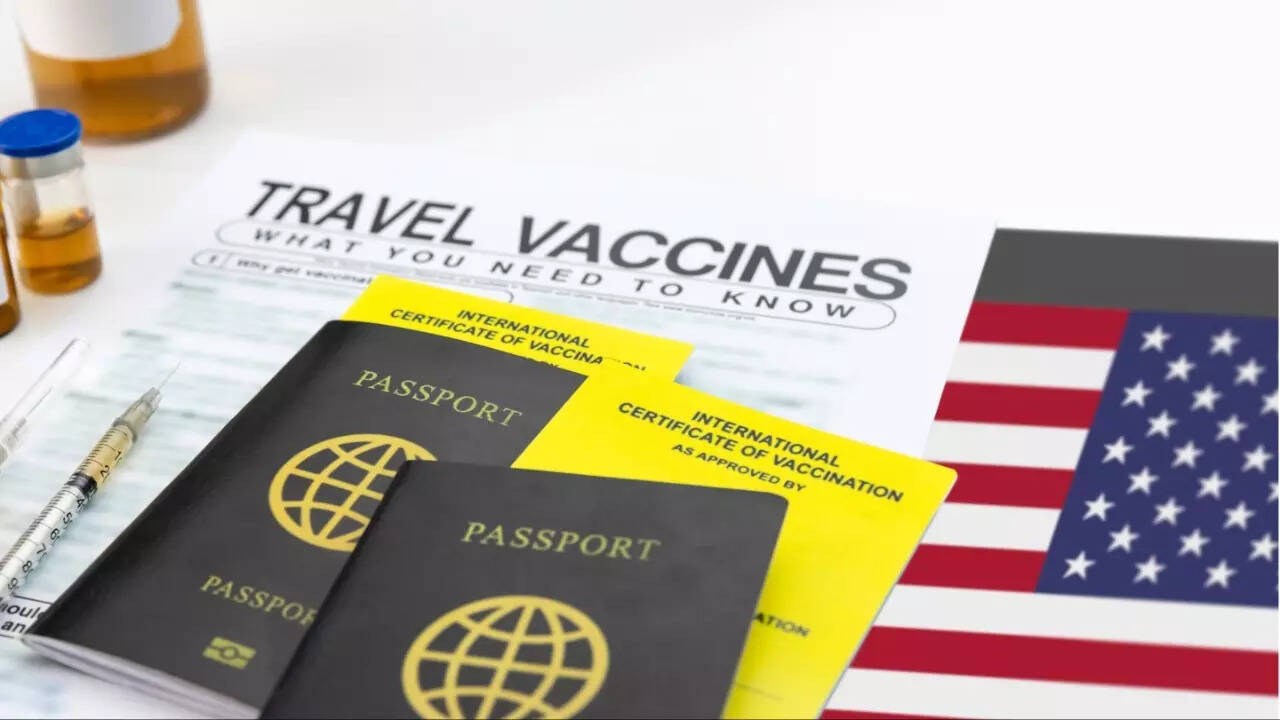
The Centers for Disease Control and Prevention (CDC) has issued a Level 2 travel health notice concerning polio, urging international travellers to exercise enhanced precautions. This advisory reflects the ongoing global efforts to contain outbreaks and prevent the resurgence of a disease once on the brink of eradication.
Understanding the implications of this advisory is crucial for anyone planning to travel abroad, ensuring personal safety and contributing to public health initiatives.
What is Polio?
Poliomyelitis, commonly known as polio, is a highly infectious viral disease that primarily affects young children. It can lead to paralysis, difficulty breathing, and sometimes death.
The virus typically spreads from person to person through the fecal-oral route or, less commonly, through contaminated water or food.
Understanding the CDC Level 2 Advisory
A Level 2 Travel Health Notice, often termed “Practice Enhanced Precautions,” indicates that there is an increased risk of specific health concerns in certain destinations. For polio, this means travellers should be fully vaccinated and take additional preventative measures.
This level of advisory is not a recommendation against travel but rather a strong suggestion to be better prepared and more vigilant.
Why the Advisory Now?
The recent advisory comes in response to detections of poliovirus in various countries where it was previously thought to be eradicated or under control. These detections highlight the persistent threat posed by vaccine-derived polioviruses and ongoing wild poliovirus transmission in endemic areas.
The global health community remains vigilant, recognizing that as long as polio exists anywhere, it remains a threat everywhere.
Key Precautions for International Travellers
Adhering to specific preventative measures is paramount for travellers heading to regions identified with poliovirus circulation. These precautions are designed to minimize exposure and protect against infection.
Prioritizing these steps will significantly reduce your risk while abroad.
Vaccination: Your Primary Defense
Ensuring up-to-date polio vaccination is the single most critical step for any international traveller. The CDC recommends that all travellers be fully vaccinated against polio.
Adults who completed their primary polio vaccination series as children should receive a single lifetime booster dose of inactivated poliovirus vaccine (IPV) if travelling to areas with poliovirus transmission.
Hygiene Practices
Diligent hand hygiene is essential in preventing the spread of many infectious diseases, including polio. Wash hands frequently and thoroughly with soap and water, especially after using the restroom and before eating.
If soap and water are not available, use an alcohol-based hand sanitizer with at least 60% alcohol, though this is less effective against poliovirus than proper handwashing alone.
Food and Water Safety
Travellers should be cautious about what they eat and drink, adhering to the “Boil it, cook it, peel it, or forget it” principle. Avoid raw or undercooked foods, unpasteurized dairy products, and food from street vendors if hygiene standards are questionable.
Drink only bottled water with an unbroken seal, water that has been boiled, or chemically disinfected water, and avoid ice made from tap water.
Avoiding Contaminated Areas
Exercise caution in areas with poor sanitation and limited access to clean water. Avoid direct contact with sewage or wastewater, which can be a primary source of poliovirus.
Be mindful of children playing in areas where sanitation might be compromised, as they are particularly vulnerable to infection.
Post-Travel Vigilance
Monitor your health carefully for several weeks after returning from a polio-affected region. Symptoms can include fever, fatigue, nausea, headache, stiffness in the neck and back, and muscle pain.
If you develop any concerning symptoms, especially those suggestive of polio, seek immediate medical attention and inform your doctor about your recent travel history.
Who is Most At Risk?
While anyone can contract polio, certain populations face a heightened risk of infection and severe disease. Understanding these risk factors can help tailor preventative strategies.
Protection is crucial for these vulnerable groups.
Unvaccinated Individuals
Individuals who have not been fully vaccinated against polio are at the highest risk of contracting the disease if exposed. This includes those who have never received any doses or have not completed the full primary series.
Travellers falling into this category should prioritize vaccination before any international travel to affected areas.
Children and Infants
Young children and infants are particularly vulnerable to poliovirus infection and its severe neurological complications. Their immune systems are still developing, making vaccination vital.
Parents planning international travel with infants or young children must ensure they are up-to-date on their polio vaccination schedule before departure.
Healthcare Workers and Aid Volunteers
Those working in healthcare settings or as aid volunteers in regions with poliovirus circulation face increased occupational exposure. Direct contact with infected individuals or contaminated environments elevates their risk.
These individuals require strict adherence to vaccination guidelines and comprehensive personal protective equipment protocols.
Understanding Polio Transmission and Symptoms
A clear understanding of how polio spreads and its clinical manifestations is crucial for effective prevention and early detection. The insidious nature of the virus means many infections are asymptomatic, yet still transmissible.
Being informed empowers travellers to take necessary precautions and recognize potential risks.
How Polio Spreads
The poliovirus primarily spreads through the fecal-oral route, meaning it is ingested through contaminated food or water, or by direct contact with the feces of an infected person. Less commonly, it can spread through oral-to-oral transmission via droplets.
The virus multiplies in the intestine, from where it can invade the nervous system in a small percentage of cases, leading to paralysis.
Symptoms to Watch For
Most people infected with poliovirus, about 72%, will not have any visible symptoms and will never know they were infected. About 25% will experience minor, flu-like symptoms such as sore throat, fever, tiredness, nausea, headache, and stomach pain, which usually last 2 to 5 days.
A smaller percentage (less than 1%) will develop more severe symptoms affecting the brain and spinal cord, including paresthesia (pins and needles), meningitis, and paralytic polio, which can lead to permanent paralysis or death.
Long-Term Complications
The most severe complication of polio is irreversible paralysis, which can affect the limbs, muscles used for breathing, and even swallowing. This paralysis can be permanent and debilitating.
Even those who recover from paralytic polio can experience post-polio syndrome decades later, manifesting as new muscle weakness, fatigue, and pain, significantly impacting their quality of life.
Navigating International Travel with Polio Risk
Careful planning and preparation are essential when travelling to or through regions with active poliovirus transmission. Beyond vaccinations, several other considerations can enhance safety and peace of mind.
Proactive measures mitigate potential risks effectively, protecting both individual travellers and global health.
Pre-Travel Consultation
Before any international trip, especially to areas identified by the CDC with poliovirus risk, consult with a travel health clinic or your doctor. They can provide personalized advice based on your vaccination history, itinerary, and current health status.
This consultation is an opportunity to discuss booster shots, any other recommended preventative medications, and address specific health concerns.
Travel Insurance Considerations
Ensure your travel insurance policy covers medical emergencies, including potential hospitalization, treatment for infectious diseases like polio, or emergency medical evacuation. Review the policy details thoroughly to understand its scope and limitations regarding pandemics or public health advisories.
Adequate insurance provides a crucial financial safety net and access to necessary care in unforeseen circumstances while abroad.
Staying Informed
The global health landscape can change rapidly; therefore, staying updated on the latest travel advisories is vital for responsible travel. Regularly check the CDC’s travel health notices and World Health Organization (WHO) updates for your specific destination.
Information on <a href=”https://wertrending.com/”>latest trends</a> and official guidance can significantly impact your travel plans and the necessary precautions you need to take.
Global Polio Eradication Efforts
The fight against polio represents one of humanity’s most ambitious public health campaigns, aiming for complete global eradication. Significant progress has been made, but persistent challenges and new outbreaks underscore the fragility of these gains.
International cooperation remains key to overcoming these obstacles and achieving a polio-free world.
The Ongoing Fight
Despite being eradicated in most parts of the world, wild poliovirus still circulates endemically in a few countries, primarily Pakistan and Afghanistan. Additionally, outbreaks of vaccine-derived poliovirus have emerged in other regions with low vaccination coverage, posing a renewed threat.
These outbreaks underscore the need for sustained, high-level vaccination efforts and vigilant surveillance worldwide to identify and contain all forms of the virus.
The Role of International Cooperation
Organizations like the World Health Organization (WHO), UNICEF, Rotary International, and the Bill & Melinda Gates Foundation are central to the Global Polio Eradication Initiative (GPEI). Their coordinated efforts drive mass vaccination campaigns, robust surveillance systems, and rapid outbreak response strategies.
Individual travellers play a critical role by ensuring their vaccination status protects not only themselves but also contributes to global herd immunity, safeguarding vulnerable communities worldwide and supporting the final push for eradication.
Frequently Asked Questions (FAQs)
SEO Keywords
Polio travel advisory, CDC Level 2, international travel precautions, polio vaccine, travel health, vaccine-derived poliovirus, polio symptoms, global polio eradication, travel safety, public health advisory, IPV booster, polio transmission, safe travel tips, post-travel vigilance, travel health insurance.
Source: Times of India