



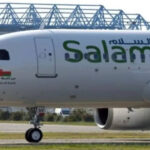



Navigating Renewed Airspace Access
Qatar has announced a significant, albeit partial, reopening of its airspace for commercial flights. This critical move unfolds against a backdrop of escalating geopolitical tensions and continuous missile strikes across the Gulf region.
The decision marks a pivotal moment for both regional aviation and the broader landscape of international travel. It represents a complex balancing act between pressing economic imperatives and the formidable security challenges currently at play.
The Strategic Imperative Behind the Reopening
Qatari authorities have undertaken extensive deliberation prior to this strategic step. Significant economic pressures, resulting from reduced air traffic and cargo flows, demonstrably influenced this policy shift.
Furthermore, humanitarian considerations potentially played a role, aiming to improve access for vital aid and essential personnel. The pervasive regional instability significantly shaped the precise timing and scope of this reopening.
Understanding the Decision: A Strategic Move
The Gulf region is currently grappling with deeply heightened security concerns, driven by ongoing conflicts. Qatar’s calculated decision to partially reopen its skies underscores its strategic resilience in challenging times.
This initiative is not an immediate return to pre-conflict normalcy but rather a controlled, carefully measured expansion of operational capacity. It embodies a nuanced and adaptive approach to risk management within an inherently volatile environment.
Factors Driving the Partial Resumption of Flights
Several crucial factors appear to have collectively influenced Qatar’s recent policy adjustment. There is a clear and undeniable economic impetus to revitalise its aviation sector, which is a cornerstone of its national economy.
The nation also strives to maintain its established position as a pivotal global transit hub, albeit now operating under comprehensively revised parameters. Persistent international pressure from global airlines and major cargo operators also likely contributed to the decision.
Safety Protocols and Flight Limitations
The reopening of airspace is rigorously managed through the implementation of stringent safety protocols. Specifically designated flight corridors have been meticulously established to ensure maximum security for all operating aircraft.
These critical corridors are subjected to continuous, real-time monitoring by sophisticated air traffic control systems. Every operational decision is informed by up-to-the-minute intelligence regarding regional security threats.
Specifics of Permitted Air Operations
Initially, the types of flights permitted are deliberately limited to specific and essential categories. These encompass crucial cargo operations, facilitating the flow of goods, alongside certain essential passenger routes and humanitarian aid flights.
Each individual flight request undergoes a rigorous approval process and must adhere strictly to predefined, secure routes. The overarching focus remains on minimising potential risks while progressively restoring vital air connectivity.
Enhanced Monitoring and Risk Mitigation
Qatari aviation authorities are actively deploying advanced surveillance technologies across their operational areas. These cutting-edge systems provide comprehensive and detailed oversight of the designated airspace and its surrounding regions.
Crucially, collaboration with esteemed international aviation bodies is considered paramount for shared intelligence and the adoption of global best practices. This multi-layered approach is designed to effectively mitigate any foreseeable threats.
Economic Implications for Qatar and the Region
The partial reopening carries profound economic implications for Qatar’s national prosperity. It offers a much-anticipated boost to its crucial aviation industry, alongside directly related sectors such as logistics, trade, and even nascent tourism.
However, the persistent regional instability means that a full economic recovery to previous levels remains a distant and challenging prospect. Businesses must therefore adapt to a new operational normal characterised by heightened caution and dynamic risk assessment.
Impact on Aviation and Logistics Sectors
Airlines that previously rerouted or suspended their flights will now actively consider re-engaging with Qatar’s air traffic network. This strategic shift could lead to a gradual but steady increase in overall freight capacity and passenger connectivity.
The logistics sector, which relies heavily on efficient air cargo services, stands to significantly benefit from more direct routes and potentially reduced transit times. Nevertheless, insurance premiums for flights operating in the region are likely to remain elevated due to perceived risks.
Broader Regional Economic Repercussions
Qatar’s decision has the potential to influence the aviation strategies of other neighbouring Gulf nations. Competition for valuable air traffic and cargo volumes may intensify as regional players adjust their own operational frameworks.
The overall stability of crucial supply chains across the Middle East and globally is inextricably linked to secure and reliable air travel corridors. This partial reopening offers a tangible glimmer of hope for enhanced efficiency and reduced disruptions.
International Perspectives and Airline Responses
The international community is keenly observing Qatar’s carefully implemented initiative. Global airlines are cautiously evaluating the provided safety assurances and the operational viability of these newly opened flight options.
Many carriers have expressed a clear desire to resume operations, contingent upon the verifiable demonstration of robust and consistent safety measures. The global aviation industry, across the board, yearns for greater clarity and predictability in operating within such inherently volatile regions.
Airline Adjustments and Route Planning
Major international airlines are currently engaged in reassessing their existing flight plans and actively considering the reintegration of Qatar into their comprehensive networks. This process necessitates extensive and detailed coordination with Qatari aviation authorities.
New routes and revised flight schedules will be meticulously planned to scrupulously adhere to the officially designated safe corridors. The paramount priority for all operating carriers remains the unequivocal safety and security of their passengers and crew.
Responses from Global Aviation Bodies
Esteemed international aviation organisations, such as the International Civil Aviation Organization (ICAO), are almost certainly involved in closely monitoring the evolving situation. Their authoritative guidance and expert oversight are absolutely crucial for upholding and maintaining global aviation standards.
The ongoing collaboration between national Qatari and international bodies ensures a unified, coherent approach to air safety and security. This collective, synergistic effort is fundamental in building and sustaining confidence in the newly reopened airspace.
The Geopolitical Chessboard: Continued Regional Instability
Qatar’s strategic airspace reopening unfolds against a persistent and complex backdrop of geopolitical tensions. Missile strikes and drone incursions continue to pose a tangible and serious threat across various critical parts of the Gulf region.
This particular decision should not be interpreted as an indication of diminished risk, but rather as a strategic and adaptive response to ongoing, deeply entrenched challenges. The intricate and often volatile web of regional conflicts continues to exert profound influence on all major policy determinations.
Ongoing Threats and Regional Dynamics
The origins and nature of missile strikes and drone activity are diverse, emanating from various state and non-state actors involved in multiple conflicts. This unfortunate reality creates an extraordinarily complex and dynamically shifting security landscape for regional aviation.
Major regional powers and significant international actors remain deeply embedded in various ongoing conflicts and proxy battles. These broader, powerful geopolitical currents directly impact the perceived and actual safety of the airspace.
Implications for Regional Security Alliances
This latest move could subtly, yet significantly, shift existing regional security dynamics. It might precipitate renewed and urgent discussions among Gulf Cooperation Council (GCC) members concerning enhanced collective airspace management and security cooperation.
The wider implications for existing alliances, counter-terrorism strategies, and regional defence postures are also under active evaluation. Comprehensive security remains the paramount concern for all sovereign states within the region.
Looking Ahead: Future Prospects for Gulf Aviation
The long-term outlook for Gulf aviation remains inextricably intertwined with the elusive goal of comprehensive regional stability. A full and sustainable return to pre-conflict levels of air traffic necessitates a significant and verifiable de-escalation of all existing hostilities.
Qatar’s carefully measured approach offers a potential, albeit cautious, blueprint for other nations confronting similar operational challenges. Adaptability, coupled with the implementation of robust and dynamic security measures, will be absolutely key to navigating future uncertainties effectively.
Conditions for Further Airspace Expansion
Any subsequent expansion of Qatar’s open airspace will undoubtedly be contingent upon several critical and interrelated factors. A sustained and demonstrable reduction in regional missile and drone threats is an absolute prerequisite for any additional easing of current restrictions.
Continued rigorous adherence to established safety protocols and the successful management of this initial reopening phase will also be crucial for building further international confidence. Strong international cooperation will remain indispensable for navigating future phases of liberalisation.
Regional Cooperation and Standardization
Enhanced regional cooperation on critical issues like air traffic control, intelligence sharing, and integrated security is profoundly crucial. The adoption of standardised operational procedures across all Gulf nations could dramatically improve overall air safety and efficiency.
The current challenging situation emphatically highlights the urgent need for a comprehensive, collaborative framework for airspace management during times of profound crisis. Such a unified approach would ultimately benefit all diverse stakeholders within the complex aviation ecosystem.
For those interested in understanding the broader impact of such geopolitical shifts on various industries and global economies, exploring the latest trends can provide invaluable insights and perspectives.
Frequently Asked Questions
Q1: Why has Qatar decided to reopen its airspace now, despite ongoing missile strikes?
A1: Qatar’s decision is a complex strategic manoeuvre, carefully balancing multiple national interests. It primarily stems from a critical need to revitalise its aviation and logistics sectors, which are fundamental pillars of its national economy.
This move is rigorously controlled, implemented with stringent safety protocols, and reflects an adaptive response to persistent threats rather than a disregard for them. The objective is to cautiously restore essential air connectivity while diligently managing persistent regional security risks.
Q2: What kind of flights are currently allowed in Qatar’s partially reopened airspace?
A2: The initial phase of this airspace reopening specifically permits certain categories of vital flights. These include crucial cargo operations, which ensure the continuous flow of essential goods and supplies both regionally and internationally.
Additionally, designated essential passenger routes and critical humanitarian aid flights are being carefully allowed. Every single flight is subject to stringent vetting and must meticulously adhere to predefined safe corridors and established operational protocols.
Q3: How is Qatar ensuring the safety of flights operating in the reopened airspace?
A3: Qatar has implemented a comprehensive suite of rigorous safety measures to protect all flights. This includes the meticulous establishment of specific, continuously monitored flight corridors designed to actively avoid known high-risk areas within the wider Gulf region.
Advanced air traffic control systems provide uninterrupted, real-time surveillance and crucial intelligence data. Furthermore, authorities are collaborating closely with international aviation bodies to share vital security information and enhance overall risk mitigation strategies.
Q4: What are the economic benefits for Qatar from this partial reopening?
A4: The partial reopening is anticipated to provide a much-needed and substantial boost to Qatar’s national economy. Its critical aviation industry, a significant contributor to GDP, will experience increased operational activity and revenue.
This positive impact extends to air cargo, logistics, and potentially a gradual recovery in passenger traffic and related tourism sectors. It also reinforces Qatar’s strategic aspiration to maintain its prominent position as a key global transit hub.
Q5: How have international airlines reacted to this development?
A5: International airlines are responding with cautious optimism to Qatar’s initiative. While eager to resume operations and benefit from potentially shorter routes, their paramount concern remains the unequivocal safety of their flights and personnel.
Many major carriers are actively evaluating the provided security assurances and operational feasibility. They are coordinating closely with Qatari authorities to fully understand and comply with the new flight protocols and designated safe routes before committing to full service resumption.
Q6: Are there any specific regions or corridors that flights are actively avoiding?
A6: Yes, Qatari aviation authorities have meticulously planned and designated specific flight corridors that are deemed to be significantly safer. These corridors are strategically designed to actively avoid areas identified as posing a higher risk from missile strikes or other potential security threats in the broader Gulf region.
The precise geographical details of these corridors are typically confidential for security reasons and are also subject to dynamic adjustments based on real-time intelligence and constantly evolving security assessments.
Q7: What is the long-term outlook for aviation in the Gulf region given the ongoing instability?
A7: The long-term outlook for Gulf aviation remains intrinsically linked to the broader trajectory of regional geopolitical stability. A full and sustainable return to pre-conflict levels of air traffic and robust growth necessitates a significant, verifiable de-escalation of all ongoing conflicts.
While Qatar’s current move demonstrates remarkable adaptability, sustained regional cooperation, the continuous enhancement of security protocols, and concerted international diplomacy will be absolutely crucial for fostering a truly stable and predictable aviation environment in the years to come.
Q8: Does this reopening signify a decrease in regional tensions or threats?
A8: Crucially, no, the partial reopening of airspace does not automatically signify a decrease in underlying regional tensions or existing threats. Instead, it represents Qatar’s proactive and strategic adaptation to operate within a perpetually volatile environment.
Missile strikes and other security incidents unfortunately continue across various parts of the Gulf. Qatar’s decision is a carefully calculated risk, meticulously managed through stringent safety protocols, designed to balance pressing economic needs with persistent security challenges.
Q9: How might this decision impact other countries in the Gulf Cooperation Council (GCC)?
A9: This significant decision could have several profound impacts on other countries within the Gulf Cooperation Council (GCC). It might intensify existing competition for valuable air traffic and cargo volumes, potentially prompting other nations to review and adapt their own aviation strategies.
Furthermore, it could stimulate renewed and urgent discussions on enhanced regional air traffic coordination and strengthened collective security measures, particularly concerning shared airspace management and comprehensive threat mitigation strategies among all member states.
Q10: Where can I find the official announcement or further details on this development?
A10: For the most accurate, current, and official information regarding Qatar’s airspace reopening and all related developments, it is highly recommended to consult reputable international news sources and official government statements directly. You can find more details from an Official Source providing comprehensive coverage on this critical update.
Always prioritise referring to official press releases and public statements issued by the Qatari Civil Aviation Authority for the most definitive and authoritative statements concerning aviation policies and operational changes.
Key Search Terms
Qatar airspace reopening, Gulf flights, Middle East aviation, missile strikes Gulf, Qatar limited flights, regional air travel, Qatar economy aviation, geopolitical tensions Gulf, air traffic control Qatar, cargo flights Middle East, humanitarian flights Gulf, air safety protocols, Qatar international airport, regional instability aviation, flight corridors Gulf.
Source: Times of India