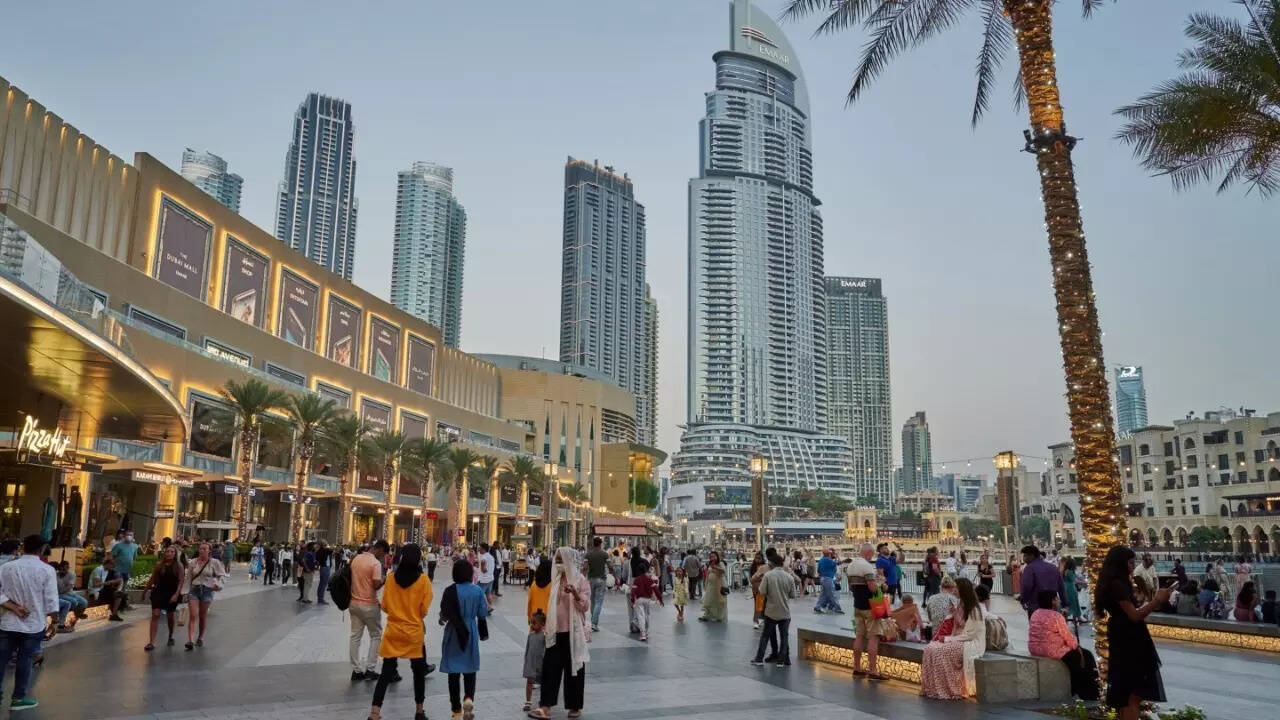







The Middle East, a rapidly emerging global hub for international sports, is now confronting unprecedented challenges. Escalating geopolitical tensions are casting a long and unsettling shadow over its once vibrant and ambitious sporting calendar.
From badminton courts to Formula One circuits and football pitches, the ripple effects of regional instability are becoming starkly evident. The safety of athletes, integrity of competitions, and significant economic interests are all now critically intertwined with the volatile geopolitical landscape.
Athlete Withdrawals and Event Cancellations: A Troubling Precedent
The escalating situation has forced a comprehensive re-evaluation of travel and security protocols across the entire region. This heightened scrutiny impacts not just marquee international events but also smaller, yet equally important, sporting fixtures and local gatherings.
International sporting federations and local organizers are facing immense pressure to ensure participant safety. This often necessitates difficult decisions regarding event viability and scheduling in the face of ongoing uncertainty.
Badminton: The Sindhu Effect and Wider Implications
The recent and high-profile withdrawal of India’s badminton ace, PV Sindhu, from a prestigious international tournament serves as a potent harbinger. Her decision underscores the growing security concerns that directly impact athlete participation and willingness to travel.
This incident is not isolated and sets a troubling precedent for other athletes and sports federations considering regional engagements. Similar withdrawals from events across various disciplines are now anticipated, potentially leading to widespread cancellations and disruptions in the badminton circuit.
The psychological toll on athletes, constantly weighing career aspirations against personal safety, cannot be understated. International badminton bodies are now facing difficult decisions regarding the relocation or postponement of several upcoming tournaments.
These decisions carry substantial financial implications for both players, who lose prize money opportunities, and for organizers, who face revenue shortfalls. The ripple effect extends to support staff, coaches, and even smaller businesses reliant on the event’s ecosystem.
Motorsport: Formula One Under Threat and Beyond
Formula One, with its glamorous races held in opulent regional venues, finds itself under intense scrutiny amidst heightened tensions. The high-profile nature and global audience of these events make them particularly vulnerable targets for any perceived security threats.
Organizers and participating teams are reportedly engaged in urgent discussions regarding contingency plans, including alternative logistics and potential event postponements. Logistical challenges, including the safe transport of high-value equipment and hundreds of personnel, are now significantly complicated by regional advisories and insurance stipulations.
Beyond Formula One, other significant motorsport events, including endurance races, rally championships, and regional circuit series, face similar existential threats. The economic implications for host cities, which invest massively in bespoke infrastructure and promotion, are immense and potentially long-lasting.
The reputational damage for a region striving to be a world-class motorsport destination is also a major concern. Future investment in racing facilities and related industries could be severely curtailed by persistent instability and a perception of risk.
This situation also impacts sponsor confidence, as brands may hesitate to associate with events in politically sensitive areas. The intricate web of commercial partnerships sustaining motorsport is now under considerable strain.
Football Friendlies and Leagues in Limbo: A Sport Interrupted
Football, a sport with unparalleled passion and following across the Middle East, is deeply feeling the pinch of escalating tensions. The beautiful game, often a source of unity and national pride, is now itself a casualty of geopolitical division.
The scheduling of matches, team travel, and fan attendance are all being re-evaluated, creating widespread uncertainty for clubs, federations, and supporters.
International Fixtures Reconsidered and Abandoned
Numerous international friendlies, often scheduled to capitalize on warm weather training facilities and build team cohesion, are now being urgently reconsidered or outright cancelled. National federations are prioritizing the safety of their players and coaching staff above all else, facing difficult choices with significant ramifications.
The financial penalties for cancelling these lucrative fixtures represent a significant blow to national footballing bodies, impacting development programs and youth academies. Bilateral agreements for matches between nations are being swiftly reviewed, leading to a cascade of fixture alterations and potential revenue loss.
Even major continental tournaments involving national teams might face revised formats or venue changes to ensure player security and facilitate travel logistics. The logistical nightmare of coordinating multiple teams across potentially volatile borders is becoming increasingly unmanageable for organizers.
The psychological impact on players, constantly preparing for matches that may be abruptly cancelled, can also affect performance and team morale. This adds another layer of complexity for coaches and team management.
Domestic and Continental Competitions Under Pressure
The impact extends beyond international fixtures, casting profound uncertainty over domestic leagues and premier continental club competitions like the AFC Champions League. Travel between countries for away matches becomes a logistical and security nightmare for clubs and their traveling supporters.
Player transfers and recruitment are also likely to be severely affected, with many international players potentially hesitant to sign for clubs in regions perceived as volatile. This could significantly diminish the competitive quality and global appeal of regional football leagues in the long term.
Clubs are reportedly exploring options for neutral venues or even temporary relocation for parts of their seasons, though these are costly and logistically complex endeavors. The morale of players and staff, constantly living under the shadow of uncertainty, is also a critical factor impacting team performance and stability.
The revenue generated from ticket sales and broadcasting rights for these domestic and continental matches is also at risk. Reduced attendance or cancellation of matches translates directly into financial losses for clubs and league operators.
The Broader Impact on Sports Tourism, Economy, and Infrastructure
The ripple effect of geopolitical strife extends far beyond the immediate sports events, deeply impacting the entire ecosystem of sports tourism and local economies. The meticulously built infrastructure for sports events now risks severe underutilization and potential financial strain.
This broader disruption threatens to unravel years of strategic investment and promotional efforts aimed at positioning the Middle East as a global sports hub.
Travel Disruption, Fan Disappointment, and Lost Revenue
The wider sports tourism sector is experiencing a significant and immediate downturn as a direct consequence of the geopolitical instability. Fans, who often plan months in advance and invest heavily in travel packages, are now either cancelling trips or delaying bookings en masse.
The uncertainty surrounding event statuses creates immense frustration and financial loss for countless supporters, many of whom cannot recover non-refundable expenses for flights and accommodation. The vibrant, celebratory atmosphere usually associated with these major events is being replaced by apprehension and profound disappointment.
Airlines, hotels, ground transport providers, and tour operators are reporting substantial losses due to widespread cancellations and reduced demand for travel to the region. The interconnectedness of the travel industry means the impact is felt far beyond the immediate vicinity of host cities, affecting entire supply chains.
Local businesses, from restaurants and retail outlets to taxi services, are experiencing a drastic drop in customer traffic and revenue. This poses a significant threat to their survival, especially for smaller, independent enterprises.
Economic Ramifications for Host Nations and Long-Term Goals
Hosting major international sporting events brings substantial economic benefits, including significant tourism revenue, robust job creation, and invaluable international exposure. Cancellations or postponements, therefore, lead to massive financial losses for the host nations and their national treasuries.
Local businesses, ranging from luxury hotels and high-end restaurants to souvenir shops and transport services, bear the immediate brunt of reduced tourist numbers. The ripple effect permeates entire local economies, impacting livelihoods across various sectors and small enterprises, potentially leading to job losses.
Governments and sporting bodies in the region had ambitious long-term plans to establish the Middle East as a premier global sports destination. These aspirations are now critically jeopardized, potentially delaying future investment in sports infrastructure and related development projects for years, if not decades.
The confidence of international investors in regional ventures, particularly those tied to large-scale events and tourism, is also likely to diminish. This could hinder broader economic diversification efforts and impact long-term national development strategies.
Furthermore, the opportunity cost of these disruptions, in terms of lost international goodwill and delayed strategic objectives, is immense. It forces a costly recalibration of national development blueprints.
Athlete Safety, Organizer Dilemmas, and the Unfolding Future
Amidst the geopolitical storm, the core principles of sportsmanship and fair play are deeply challenged by the grim realities of security concerns. The human element, particularly athlete well-being, takes paramount precedence over all other considerations, dictating event feasibility.
The current climate forces all stakeholders to confront ethical responsibilities alongside commercial imperatives, creating complex decision-making scenarios.
Prioritizing Athlete Well-being and Mental Health
The paramount concern for all stakeholders remains the safety and well-being of athletes, support staff, and spectators. Governing bodies, federations, and event organizers are under immense pressure to prioritize security considerations over competition schedules and commercial interests.
Many athletes and their teams are understandably hesitant to travel into areas perceived as potential conflict zones, leading to difficult personal and professional decisions. This reluctance forces organizers to make challenging choices, often leading to event relocation, postponement, or outright cancellation.
The mental health and psychological toll on athletes who are constantly assessing risks and potential threats is also a significant concern. Performing at an elite level requires immense focus and concentration, which is severely compromised by anxiety about personal safety.
Sporting federations are now grappling with how to provide adequate psychological support to their athletes during periods of global instability. This extends beyond physical security to encompass comprehensive well-being programs.
The Organizers’ Impossible Balancing Act and Reputational Risks
Event organizers face an increasingly impossible balancing act between fulfilling stringent contractual obligations and ensuring robust, unimpeachable safety protocols. The complexities of insurance policies, particularly “force majeure” clauses related to war or political unrest, are now central to these difficult decisions and intensive negotiations.
Rescheduling or relocating major international events presents significant logistical, financial, and severe reputational hurdles for the organizing bodies and host cities. The current situation demands unprecedented levels of coordination, flexibility, and transparent communication from all parties involved to manage expectations.
Failing to adequately address safety concerns can lead to long-term damage to an organizer’s reputation and trust from athletes, teams, and fans alike. This delicate balance means every decision is fraught with high stakes and potential criticism from various quarters.
Furthermore, the legal implications of cancellations and withdrawals are complex, potentially leading to disputes over breach of contract or compensation claims. This adds another layer of stress and cost for event organizers.
An Uncertain Future for Regional Sports and Global Interconnectedness
The immediate future of major sporting events and sports travel in the Middle East remains highly uncertain and entirely contingent on geopolitical developments. The volatility of the current climate dictates the viability and scheduling of any upcoming events, making long-term planning exceedingly difficult.
Stakeholders across the global sports industry are monitoring the situation closely, preparing for various contingencies and adapting their strategic plans in real-time. The long-term impact on the region’s burgeoning sports economy could be profound, altering its trajectory for many years to come.
For those interested in understanding the rapidly evolving landscape of global events and their impact on various sectors, keeping an eye on latest trends is crucial. The insights gained can help anticipate and adapt to these significant and far-reaching shifts, offering guidance for future investment and participation.
The current developments highlight a sobering reality: sports, despite their unifying power and aspirations for global harmony, are not immune to global conflicts and geopolitical strife. The intertwining of geopolitics and athletic competition is starkly evident in the Middle East, underscoring the fragile nature of international events in an increasingly volatile world.
For more details on the specific withdrawals and threats to upcoming events, refer to this Official Source.
Frequently Asked Questions (FAQs)
1. What is the primary cause for the current disruption of sports events in the Middle East?
The primary cause is the escalating geopolitical tensions and regional instability stemming from the US-Israel conflict with Iran. This heightened state of alert and potential for wider conflict has directly led to severe security concerns and widespread travel advisories from international bodies and governments.
2. Which major sports have been specifically affected by these tensions, beyond PV Sindhu’s withdrawal?
Beyond PV Sindhu’s withdrawal in badminton, major events in motorsport, specifically Formula One races and regional rally championships, are under significant threat of cancellation or relocation. Football, impacting both high-profile international friendlies and crucial continental club competitions like the AFC Champions League, also faces widespread disruption and uncertainty.
3. How does PV Sindhu’s withdrawal signify a broader issue for athlete participation?
PV Sindhu’s withdrawal is highly significant because it highlights a growing trend where top-tier athletes prioritize personal safety over competition schedules and career opportunities. Her decision sets a critical precedent, suggesting that many other high-profile athletes across various sports may also opt out of events in perceived risk areas, leading to further cancellations and widespread event instability across the region.
4. What are the potential economic consequences for Middle Eastern host nations if these disruptions continue?
Host nations face substantial immediate and long-term economic losses due to ongoing disruptions. This includes significant reductions in tourism revenue, decreased spending in hospitality and retail sectors, potential cancellation fees from international federations, and a severe blow to their long-term goals of establishing themselves as major global sports tourism destinations and attracting foreign investment.
5. How are event organizers coping with these extraordinary challenges, particularly concerning contracts?
Event organizers are navigating an incredibly difficult situation, attempting to balance stringent contractual obligations with paramount safety concerns for all participants, spectators, and staff. They are actively exploring all possible contingencies such as postponements, relocations, or outright cancellations, often delving into complex insurance policies and activating “force majeure” clauses that cover unforeseen circumstances like war or political unrest.
6. Are only international events affected, or do domestic leagues and smaller competitions also face threats?
While international events are indeed the most immediately affected due to cross-border travel requirements and global media scrutiny, domestic leagues and continental club competitions are also facing considerable threats. Inter-country travel for away matches becomes increasingly risky, and the ability to attract or retain international players might be severely impacted, directly affecting the competitive quality and global appeal of local leagues and tournaments.
7. What is the main concern for athletes and sports teams regarding travel to the region amidst current tensions?
The main concern for athletes, coaches, and support staff is their physical safety and overall well-being in a potentially volatile environment. Teams are extremely hesitant to expose their personnel to perceived risks associated with travel into a conflict-prone region, leading to difficult decisions about participation, requests for alternative arrangements, or complete withdrawals from scheduled events to ensure their safety.
8. How are fans, who have often made significant financial and time commitments, being impacted by these widespread disruptions?
Fans are experiencing immense disappointment and often considerable financial losses, having already invested significant money in travel, accommodation, and event tickets months in advance. The pervasive uncertainty surrounding event statuses also creates widespread frustration, anxiety, and a profoundly diminished overall experience for dedicated sports enthusiasts who look forward to these events.
9. What measures are being considered or implemented by sporting bodies to mitigate the impact on future events?
Sporting bodies are implementing continuous, rigorous monitoring of geopolitical developments and conducting enhanced, granular security assessments for all upcoming events. Mitigation efforts also involve comprehensive contingency planning, including identifying alternative venues, revising schedules to avoid peak instability, and fostering closer dialogue and cooperation between international sporting federations and relevant government agencies for improved, proactive risk assessment and management.
10. Is there a long-term strategy for sports development in the Middle East amidst these persistent tensions, or will plans be shelved?
While specific long-term strategies are still evolving and subject to significant revision, the current situation necessitates a fundamental re-evaluation of ambitious sports development plans across the region. There will likely be a renewed and intense focus on robust risk assessment, fostering resilient regional partnerships, and building adaptable event frameworks to successfully navigate and manage potential future periods of geopolitical instability, rather than outright shelving all plans.
SEO Keywords
Middle East sports travel, PV Sindhu withdrawal, Formula One threat, football friendlies cancelled, US-Israel war Iran, Middle East sports economy, athlete safety concerns, geopolitical tensions sports, regional instability events, sports tourism impact, event cancellations Middle East, sports disruption region, badminton events cancelled, motorsport security, Gulf region sports.
Source: Times of India