





A Week of Escalation: The Conflict Enters a Critical Phase
The Middle East stands on the precipice of an even deeper crisis as a significant regional conflict enters its seventh day. Statements from key players signal a worrying escalation in tactics and rhetoric.
Both diplomatic and military fronts are showing signs of increased volatility, drawing global concern. This period marks a critical juncture for regional stability.
Iran’s Ominous Warnings of ‘Unseen’ Capabilities
Recent pronouncements from Iranian military officials have introduced a new layer of uncertainty into the unfolding conflict. They speak of impending “painful blows” and the potential deployment of “unseen” weapons, implying a readiness to introduce new dynamics to the battlefield.
These veiled threats are interpreted by analysts as a strategic communication tactic, designed to deter adversaries while bolstering domestic resolve. Such statements often precede significant shifts in military posturing.
Deciphering the ‘Unseen Weapons’ Rhetoric
The phrase “unseen weapons” carries multiple interpretations within geopolitical discourse. It could refer to advanced cyber capabilities, novel drone technologies, or even asymmetric warfare tactics not yet publicly demonstrated.
Alternatively, it might signify a strategic ambiguity aimed at creating psychological uncertainty among adversaries. This approach maintains a level of unpredictability crucial for deterrence.
Strategic Implications of Iran’s Stance
Iran’s explicit warnings suggest a willingness to broaden the scope of engagement if pushed. This marks a significant escalation from previous, more ambiguous statements.
The current rhetoric aims to project strength and commitment to its regional allies, signaling that any further aggression will be met with severe repercussions. This communication shapes perceptions on all sides.
US-Israel Response: Intensified Strikes and Coordinated Efforts
In parallel, the United States and Israel have significantly intensified their military operations and strategic coordination. The past week has seen a surge in targeted strikes and defensive deployments.
These intensified actions reflect a joint commitment to countering perceived threats and securing regional interests. The collaboration underscores a unified front against common challenges.
Escalation of Military Operations
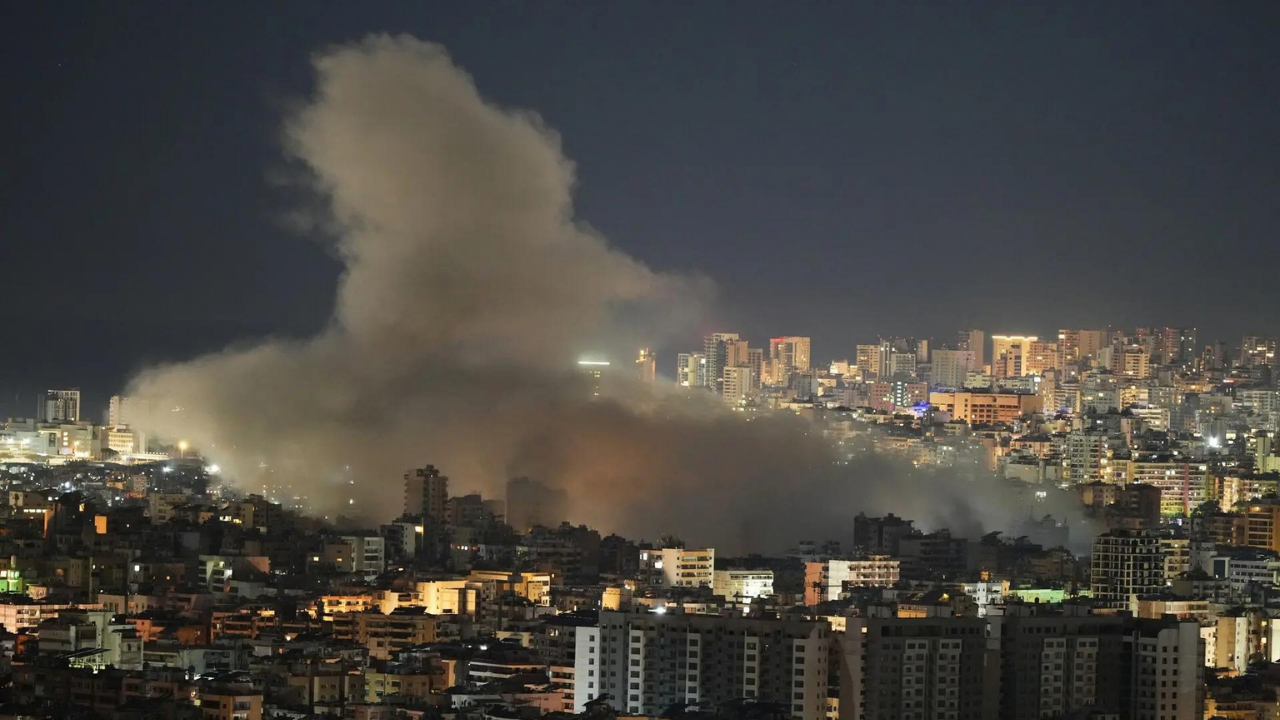
Reports indicate a notable increase in the frequency and scope of airstrikes across various operational zones. These strikes are aimed at degrading adversary capabilities and infrastructure.
The precision and scale of these operations demonstrate enhanced intelligence gathering and strategic planning. This phase highlights a robust response to evolving threats.
Reinforced US Presence and Support
The United States has visibly bolstered its military presence in the region, deploying additional assets and personnel. This move is intended to reinforce deterrence and provide critical support to allies.
Such deployments include naval assets, air defense systems, and intelligence gathering platforms. They serve as a powerful signal of commitment and readiness.
Deepening US-Israel Strategic Alignment
The past seven days have solidified the strategic alignment between the US and Israel, marked by continuous high-level consultations and intelligence sharing. This partnership is crucial for regional security.
Both nations are working closely to monitor developments and coordinate their responses to emerging threats. Their collaboration remains a cornerstone of stability in a volatile area.
Key Points from the Seventh Day of Conflict
As the conflict progresses into its second week, several critical developments define its current trajectory. The humanitarian situation, regional political maneuvering, and international reactions are all intensifying.
The conflict’s duration has now tested the resilience of local populations and strained diplomatic efforts globally. Each passing day brings new challenges and heightened stakes.
Humanitarian Crisis Worsens
The sustained hostilities have led to a rapidly deteriorating humanitarian situation in affected areas. Civilian casualties are mounting, and essential services are severely disrupted.
International aid organizations are struggling to deliver much-needed relief amidst the ongoing violence. The crisis demands urgent attention and secure humanitarian corridors.
Regional Spillover Concerns
There are increasing fears that the conflict could spread beyond its immediate geographical confines. Neighboring countries are bracing for potential ripple effects.
Cross-border incidents and proxy engagements indicate a dangerous potential for broader regional destabilization. The delicate balance of power is under severe strain.
Global Economic Repercussions
The prolonged conflict is beginning to exert significant pressure on global markets, particularly in energy sectors. Oil prices have shown volatility, reflecting supply chain anxieties.
Economic stability worldwide is being closely monitored as the region remains a vital hub for global trade and resources. Any further escalation could have far-reaching economic consequences.
International Reactions and Diplomatic Stalemate
The international community remains deeply divided on how to best address the escalating crisis. Calls for de-escalation are widespread, but concrete diplomatic breakthroughs are scarce.
Major global powers are engaging in complex geopolitical maneuvering, attempting to balance their interests while advocating for peace. The path to resolution appears fraught with challenges.
United Nations Calls for Ceasefire
The United Nations has repeatedly appealed for an immediate cessation of hostilities and protection of civilians. However, such calls have largely gone unheeded.
The Security Council has struggled to reach a consensus on decisive action, highlighting the deep divisions among its member states. This impasse complicates international intervention efforts.
Regional Powers and Alliances
Various regional powers are actively involved, either through direct support to belligerents or diplomatic engagement. This intricate web of alliances adds complexity to the conflict.
The geopolitical landscape of the Middle East means that few conflicts remain isolated, quickly drawing in diverse actors with differing agendas. Understanding the latest trends helps grasp these complexities.
For more insights into the evolving situation and related developments, check out the latest trends in geopolitical analysis. These reports offer valuable context for understanding the broader implications of the conflict.
Official Source for Further Information
For comprehensive details and official reports regarding the ongoing conflict and specific statements made by involved parties, refer to the Official Source. This link provides direct access to a key article outlining the stated developments.
Journalistic integrity demands sourcing information directly from credible outlets to ensure accuracy and context. This aids in understanding the immediate events and their verified details.
Conclusion: An Unpredictable Future
As the conflict enters its second week, the situation remains highly volatile and unpredictable. The interplay of Iran’s veiled threats and intensified US-Israel operations creates a dangerous feedback loop.
The international community faces an urgent challenge to prevent further escalation and mitigate the devastating human cost. The path forward demands cautious diplomacy and a commitment to de-escalation.
Frequently Asked Questions About the Current Middle East Conflict
What prompted Iran’s statements about ‘unseen’ weapons?
Iran’s statements about “unseen” weapons appear to be a strategic response to the escalating conflict and intensified military pressure from the US and Israel. This rhetoric serves multiple purposes: to deter further aggression, to boost domestic and regional morale among its allies, and to create an element of uncertainty regarding its military capabilities. Such declarations often come when a nation feels its red lines are being approached or crossed, signaling a potential shift in its response strategy.
What are the possible interpretations of Iran’s ‘painful blows’ warning?
The warning of “painful blows” can be interpreted as a direct threat of retaliation, possibly in areas or using methods not yet openly employed. It could indicate a readiness to target critical infrastructure, economic assets, or even military installations of its adversaries or their allies in the region. This language suggests a pre-calculated response, aiming to inflict significant damage and impose high costs if the conflict escalates beyond current levels, possibly involving non-state proxies.
How has the US-Israel military coordination intensified in the past week?
In the past week, US-Israel military coordination has intensified through increased intelligence sharing, joint operational planning, and potential synchronized military actions. The US has likely provided enhanced surveillance capabilities and strategic guidance, while Israel has executed targeted strikes. This intensified coordination aims to present a united front, improve response capabilities, and ensure that both nations are prepared for various escalation scenarios, bolstering regional deterrence against adversaries.
What types of strikes have been intensified by the US and Israel?
The intensified strikes by the US and Israel likely include targeted aerial bombardments against identified militant infrastructure, weapons depots, command and control centers, and potentially launch sites. These operations often involve precision-guided munitions aimed at minimizing collateral damage while effectively degrading enemy capabilities. The focus is on preventing future attacks and diminishing the operational capacity of groups deemed hostile to their interests and security.
What is the current humanitarian situation in the conflict zones?
The current humanitarian situation in the conflict zones is extremely dire, marked by a significant increase in civilian casualties, displacement, and a severe shortage of essential resources. Access to food, water, medical supplies, and shelter is critically limited due to ongoing hostilities and blockades. Aid organizations face immense challenges in delivering assistance, and the cumulative impact of seven days of conflict has pushed vulnerable populations to their breaking point, necessitating urgent international intervention.
How is the conflict impacting regional stability beyond the immediate actors?
The conflict is severely impacting regional stability by heightening tensions among neighboring countries and potentially activating proxy groups. There is a tangible risk of spillover, where skirmishes or retaliatory actions could draw in other nations, leading to a broader regional confrontation. The established balance of power is being tested, and the economic and political implications are creating ripples across the entire Middle East, potentially leading to new alliances and rivalries.
What role is the international community playing in de-escalation efforts?
The international community is playing a complex and often divided role in de-escalation efforts. While many nations, including the United Nations, have issued calls for a ceasefire and protection of civilians, concrete actions remain limited. Diplomatic initiatives are ongoing, but a consensus on effective intervention or mediation strategies has been elusive, partly due to the divergent interests of major global powers. Some countries are offering humanitarian aid, while others are focusing on sanctions or military posturing.
Are there any specific economic impacts observed globally due to this conflict?
Yes, specific economic impacts are being observed globally, primarily centered around energy markets. Oil prices have become highly volatile due to concerns about supply disruptions in the critical oil-producing region. Shipping lanes could also face increased risks, potentially impacting global trade and supply chains. Furthermore, investor confidence can be shaken, leading to market uncertainties and a flight to safer assets, with long-term implications for global economic growth and stability if the conflict persists.
What is the significance of the conflict entering its seventh day?
The significance of the conflict entering its seventh day lies in its sustained nature and the escalation it has brought. A week of continuous fighting indicates a prolonged engagement rather than a short-lived skirmish, straining resources and increasing humanitarian needs. It also suggests that initial diplomatic efforts have failed to achieve de-escalation, paving the way for more entrenched positions and potentially higher stakes from all parties involved, escalating the risk of a wider regional confrontation and making a peaceful resolution more challenging.
How do Iran’s statements influence the broader regional dynamics?
Iran’s statements about “unseen” weapons and “painful blows” significantly influence broader regional dynamics by acting as a powerful deterrent and a signal of its strategic resolve. They are intended to intimidate adversaries, reassure allies, and demonstrate that Iran possesses the means to retaliate effectively. This rhetoric can either galvanize support for its proxies or provoke stronger countermeasures from its rivals, thereby increasing overall regional instability and the likelihood of further military and political maneuvering among all regional actors, altering the delicate balance of power.
SEO Keywords: Middle East conflict, Iran unseen weapons, US Israel strikes, regional escalation, Middle East tensions, Iran warnings, Israel military operations, US military presence, humanitarian crisis, geopolitical analysis, global stability, energy market impact, diplomatic efforts, conflict key points, strategic deterrence
Source: Times of India