






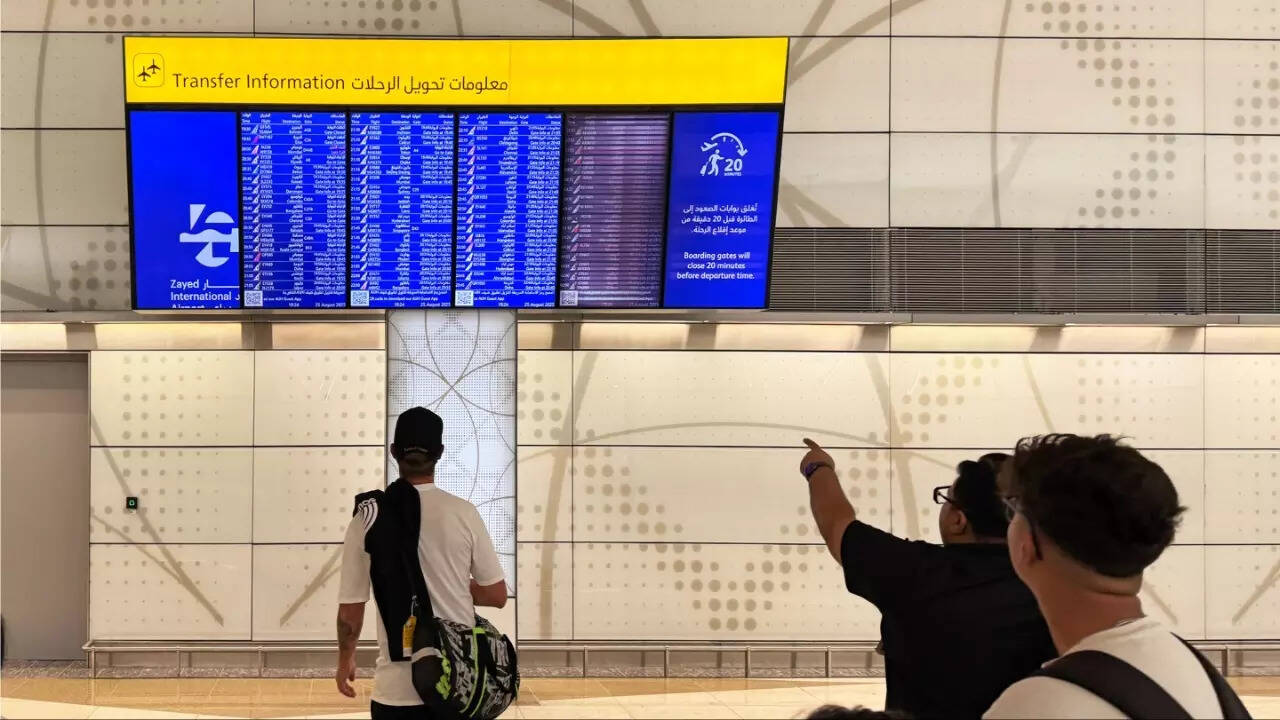
Abu Dhabi’s primary international gateway, Zayed International Airport, has once again fully resumed its commercial flight operations. This significant development comes as a crucial update for countless travelers whose plans may have been impacted by recent temporary disruptions.
Navigating international travel requires diligence and awareness, particularly when regional dynamics are in flux. This comprehensive guide aims to equip passengers with the essential information needed for a smooth and secure journey through Abu Dhabi’s revitalized air hub.
Understanding the current operational status, enhanced safety protocols, and the broader geopolitical context is paramount. Travelers are encouraged to absorb these insights to ensure preparedness and peace of mind on their upcoming journeys.
The Resumption of Flights: A Timely Update
Zayed International Airport has officially announced the full restoration of its flight schedules, marking a return to normal operations. This swift and efficient resumption underscores the airport’s robust contingency planning and commitment to global connectivity.
The temporary pause was implemented as a precautionary measure, prioritizing the safety and well-being of passengers and staff. Such proactive steps reflect the airport authority’s dedication to maintaining the highest standards of operational security in a dynamic environment.
This restart provides much-needed clarity and relief for airlines, travel agencies, and, most importantly, the tens of thousands of passengers planning to travel via Abu Dhabi. It reaffirms the UAE’s role as a vital link in international air travel networks.
Impact of Regional Developments on Air Travel
The decision to temporarily suspend and then reactivate flights was made with an acute awareness of the prevailing regional geopolitical landscape. Aviation authorities continuously monitor international and regional developments that might influence airspace safety.
Such operational adjustments are standard practice in situations requiring heightened vigilance. They are designed to mitigate potential risks, ensuring that every flight operates under optimal safety conditions.
Travelers should understand that these decisions are not taken lightly but are the result of careful, expert assessments. The priority is always to safeguard lives and maintain the integrity of air travel.
Understanding the Regional Geopolitical Landscape
The Middle East is currently experiencing a period of significant geopolitical sensitivity, notably involving interactions between Iran, the US, and Israel. These complex relationships can sometimes create an environment where travel advisories become more nuanced.
While the UAE maintains a stable and secure environment, it is geographically situated within a region prone to periodic tensions. Travelers should therefore be aware of the broader context, even if their direct destination remains unaffected.
Official government travel advisories from your home country are invaluable resources in these times. They offer objective assessments of risks and recommendations for safe travel practices, emphasizing the importance of informed decision-making.
Safety and Security Measures at the Airport
Zayed International Airport continues to operate with a world-class framework of safety and security protocols. These measures are meticulously designed to protect passengers, staff, and assets within the airport’s expansive perimeter.
In response to the current global and regional climate, these protocols may include enhanced screening processes and increased surveillance. Passengers should anticipate that security checks might be more thorough and potentially take slightly longer than usual.
The airport authorities work in close collaboration with international security bodies to implement best practices. This ensures that the airport remains a secure and reliable hub for millions of travelers each year, adapting to evolving threats.
Airline Operations and Schedules
Airlines operating out of Zayed International Airport are now fully engaged in re-establishing their regular flight schedules. While the aim is a seamless return to normalcy, some minor adjustments might still occur.
Passengers are strongly urged to proactively verify the real-time status of their flights directly with their respective carriers. This can be done via airline websites, mobile applications, or dedicated customer service hotlines.
Keeping communication channels open with your airline is crucial for receiving timely updates on any potential delays, gate changes, or cancellations. Flexibility in your travel plans during this period is a recommended approach.
Travel Advisories and Insurance
Consulting official travel advisories issued by your national government or foreign affairs department is a critical pre-travel step. These advisories provide comprehensive, expert-backed guidance on safety and security risks in various regions, including the UAE.
Securing comprehensive travel insurance is more important than ever, especially when traveling in a dynamic global environment. Ensure your policy covers a broad range of eventualities, including trip cancellations, delays, medical emergencies, and even unforeseen geopolitical disruptions.
Thoroughly review the terms and conditions of your travel insurance policy, paying close attention to clauses related to acts of war or terrorism. Understanding your coverage limits and exclusions can prevent unwelcome surprises later.
Essential Pre-Travel Checks for Passengers
A well-prepared traveler significantly enhances their journey experience and mitigates potential stresses. Beyond booking your flight, a series of essential checks can make a profound difference to your travel confidence.
This includes not just documentation, but also understanding airport procedures and local regulations. Investing time in these preparations upfront can save considerable time and anxiety upon arrival at the airport.
Consider arriving at Zayed International Airport with ample time before your scheduled departure. This foresight allows for any unexpected delays at security or check-in, ensuring a relaxed start to your trip.
Visa and Entry Requirements
Ensuring that all your visa and entry requirements for the United Arab Emirates are meticulously in order is non-negotiable. Entry regulations can vary significantly based on your nationality, purpose of visit, and duration of stay.
It is imperative to consult the official website of the UAE Ministry of Foreign Affairs and International Cooperation, or your nearest UAE embassy or consulate, for the most current information. Do not rely on outdated information or third-party sources for these critical details.
Pay particular attention to passport validity requirements, which often stipulate a minimum of six months beyond your intended departure date. Also, be aware of any specific requirements for transit passengers, even if you are not formally entering the UAE.
Health Declarations and Protocols
While many of the stringent health protocols introduced during the global pandemic have been relaxed, travelers should remain vigilant regarding potential health declarations or requirements. The UAE government continuously updates its public health guidelines.
Check the official health authority websites for the latest information on any required vaccinations, health screenings, or declarations upon arrival. Although less common now, specific health forms might still be necessary for certain origins or during public health concerns.
Maintaining personal hygiene and being mindful of local health advisories is always a responsible approach to international travel. Carrying a small hand sanitizer and observing local recommendations contributes to community well-being.
Baggage Policies and Restrictions
Strict baggage policies, encompassing weight limits, dimensions, and contents, are rigorously enforced by airlines and airport security. Adhering to these guidelines is vital to avoid additional fees, delays, or the confiscation of prohibited items.
Always review your specific airline’s baggage allowance for both checked and carry-on luggage well in advance of your travel date. Different fare classes or routes might have varying allowances, so cross-reference your ticket details.
Crucially, be aware of restrictions on dangerous goods, including aerosols, certain electronics, and flammable materials. These regulations are heightened in the current security environment and are enforced for the safety of all passengers and crew.
Staying Informed: Reliable Information Sources
In an era of rapid information dissemination, discerning credible sources is paramount for travelers. Relying on official and verified channels ensures you receive accurate, real-time updates pertinent to your journey.
Misinformation can cause unnecessary panic or lead to ill-informed decisions, so judiciously selecting your information channels is a key travel skill. Prioritize official communications from authorities and service providers.
Passengers should bookmark the official website for Zayed International Airport for real-time updates on arrivals, departures, and any operational advisories. This direct source offers the most current information available.
Airline-specific mobile applications and websites are indispensable tools for personalized flight status updates, gate changes, and potential rebooking options. Set up notifications to receive immediate alerts.
For official confirmation on the resumption of flights at Abu Dhabi’s Zayed International Airport and related travel advisories, refer to this Official Source. This will provide you with a verified perspective on the situation.
Furthermore, to keep abreast of global developments, including various travel insights, and understand what’s capturing public attention, exploring the latest trends can offer valuable perspectives beyond immediate flight information.
Navigating Potential Delays and Disruptions
While the resumption of flights is a positive step, the inherent nature of air travel means that potential delays and disruptions can still occur. These might stem from air traffic control limitations, unforeseen weather events, or heightened security measures.
Maintaining a degree of flexibility and patience is vital when confronted with such circumstances. Travel plans should ideally incorporate some buffer time, especially if you have critical connections or appointments.
Airlines have established procedures for handling significant delays or cancellations. These often include rebooking onto alternative flights, providing meal vouchers, or offering accommodation, depending on the duration and reason for the disruption.
Familiarize yourself with your passenger rights under international conventions, such as the Montreal Convention, which governs airline liability for delays and baggage issues. Knowledge of these rights empowers you to advocate effectively.
Engaging politely and constructively with airline staff is often the most effective approach to resolving issues during disruptions. They are your primary point of contact for assistance and alternative arrangements.
Traveler Responsibilities and Awareness
Every traveler contributes significantly to the overall safety, security, and efficiency of the airport environment. Adhering to all instructions from airport staff and airline crew is a fundamental responsibility.
This includes following security directives, respecting boarding procedures, and complying with inflight rules. Your cooperation helps ensure a smooth experience for yourself and your fellow passengers.
Maintaining personal vigilance and being aware of your surroundings is also a crucial aspect of responsible travel. Report any suspicious activities or unattended items to airport personnel immediately, as their proactive response safeguards everyone.
Furthermore, understanding and respecting the local customs, traditions, and laws of the United Arab Emirates is paramount for a harmonious visit. The UAE is a welcoming nation, but cultural sensitivity is highly valued.
Familiarize yourself with basic local etiquette, dress codes in public places, and regulations concerning alcohol consumption or public displays of affection. A respectful and informed approach enhances your cultural experience and prevents misunderstandings.
Frequently Asked Questions (FAQs)
1. Is Zayed International Airport fully operational now?
Yes, Zayed International Airport has officially and fully resumed all commercial flight operations. This means that both arrivals and departures are now proceeding as per scheduled services, following a temporary precautionary measure. The airport management has confirmed that all necessary protocols are in place to ensure smooth and secure operations for all passengers and airlines. However, due to the dynamic nature of air travel, passengers should always check their specific flight status directly with their airline.
2. What measures are in place to ensure passenger safety amid regional tensions?
Zayed International Airport maintains stringent, world-class safety and security protocols, which are continuously reviewed and updated in light of global and regional intelligence. These measures include advanced screening technologies, increased security personnel presence, comprehensive surveillance systems, and close coordination with international security agencies. The primary objective is to create a secure environment while ensuring efficient passenger flow, thus prioritizing the well-being of all individuals within the airport premises. Travelers might experience slightly longer processing times due to these enhanced procedures.
3. Should I expect delays or cancellations due to the regional situation?
While the airport has resumed full operations, the regional situation can still introduce unforeseen operational dynamics. Therefore, while major cancellations are less likely, minor delays or schedule adjustments might occur due to factors such as increased air traffic control restrictions, extended security checks, or precautionary route adjustments by airlines. It is highly advisable to remain flexible with your travel plans and to frequently consult your airline’s official communication channels for real-time updates regarding your specific flight’s status before traveling to the airport.
4. What are the current visa and entry requirements for the UAE?
Visa and entry requirements for the UAE are dependent on your nationality and the purpose of your visit. Many nationalities are eligible for visa-free entry or a visa on arrival, while others must obtain a visa in advance. It is absolutely crucial to consult the official website of the UAE Ministry of Foreign Affairs and International Cooperation, or the nearest UAE embassy or consulate in your country, for the most current and accurate information. Requirements can change, and outdated information can lead to denied boarding or entry. Also, ensure your passport has at least six months’ validity beyond your intended stay.
5. Is travel insurance advisable for trips to Abu Dhabi currently?
Absolutely, securing comprehensive travel insurance is strongly recommended, particularly in the current regional climate. A robust policy should cover a wide range of potential disruptions, including unexpected trip cancellations or interruptions, significant flight delays, medical emergencies, and lost baggage. Crucially, travelers should carefully review the policy’s terms and conditions regarding coverage for events related to geopolitical situations, acts of terrorism, or war, as these clauses can vary significantly. Understanding your coverage limits and exclusions is vital for peace of mind.
6. How early should I arrive at Zayed International Airport for my flight?
Given the potential for enhanced security measures and the general bustling nature of international airports, it is highly recommended to arrive at Zayed International Airport at least 3 to 4 hours prior to your scheduled international flight departure. This ample time allows for a relaxed check-in process, completion of potentially thorough security screenings, immigration procedures, and sufficient time to reach your departure gate. For domestic or regional flights, 2 to 3 hours might suffice, but always confirm with your airline’s specific recommendations.
7. Where can I find the most up-to-date information on flight status?
The most reliable and current sources for your flight status are the official website or mobile application of your operating airline. These platforms provide real-time updates on departures, arrivals, gate changes, and any potential delays or cancellations. Additionally, the official Zayed International Airport website also features live flight information for all carriers operating from its terminals. It is always best to cross-reference information from these primary sources to ensure accuracy and avoid relying on potentially outdated third-party aggregators.
8. Are there any specific health precautions or requirements I need to follow?
While many of the stringent health protocols from the recent pandemic have been eased or removed, travelers should always verify the latest health advisories issued by the UAE government or public health authorities before their trip. Currently, there are no widespread mandatory health declarations for most travelers. However, maintaining good personal hygiene, carrying hand sanitizer, and being aware of any local health recommendations for specific situations remains a prudent approach. If you feel unwell, it’s always best to seek medical advice.
9. Can I transit through Zayed International Airport safely?
Yes, transiting through Zayed International Airport is considered safe, as the airport operates under strict international aviation security standards. The airport is designed for efficient and secure transit, with clear signage and dedicated facilities for connecting passengers. Passengers should ensure they meet any specific transit visa requirements if applicable to their nationality and check the latest entry requirements for their final destination. The airport’s priority is to ensure the safe and seamless flow of all passengers, whether arriving, departing, or transiting.
10. What should I do if my flight is cancelled or significantly delayed?
If your flight from Zayed International Airport is cancelled or experiences a significant delay, your immediate course of action should be to contact your airline’s customer service or locate their ground staff at the airport. Airlines typically have protocols in place to assist affected passengers, which may include rebooking you on the next available flight, providing meal vouchers, or arranging accommodation if an overnight stay is required. Remain calm, clearly communicate your needs, and follow the instructions provided by the airline representatives for the most efficient resolution of your situation.
Conclusion
The successful resumption of flights at Abu Dhabi’s Zayed International Airport represents a significant step towards restoring normalcy and confidence in regional air travel. It underscores the resilient spirit of the aviation industry and the unwavering commitment to passenger safety.
While the geopolitical landscape in the Middle East remains a subject of ongoing global attention, the operational integrity and security measures at this vital international hub are paramount. Travelers are now better equipped with the knowledge to navigate their journeys effectively.
By staying informed through official channels, diligently completing pre-travel checks, and exercising a degree of flexibility, passengers can ensure a smoother and more secure travel experience. Abu Dhabi continues to welcome visitors and connect the world, adapting with grace and efficiency.
SEO Keywords
Abu Dhabi flights, Zayed International Airport, flight resumption, UAE travel, Middle East travel, travel advisories, airport security, Iran-US-Israel conflict impact, international travel updates, flight status Abu Dhabi, travel tips UAE, airport operations, regional security concerns, safe travel Middle East, passenger information Abu Dhabi.
Source: Times of India