






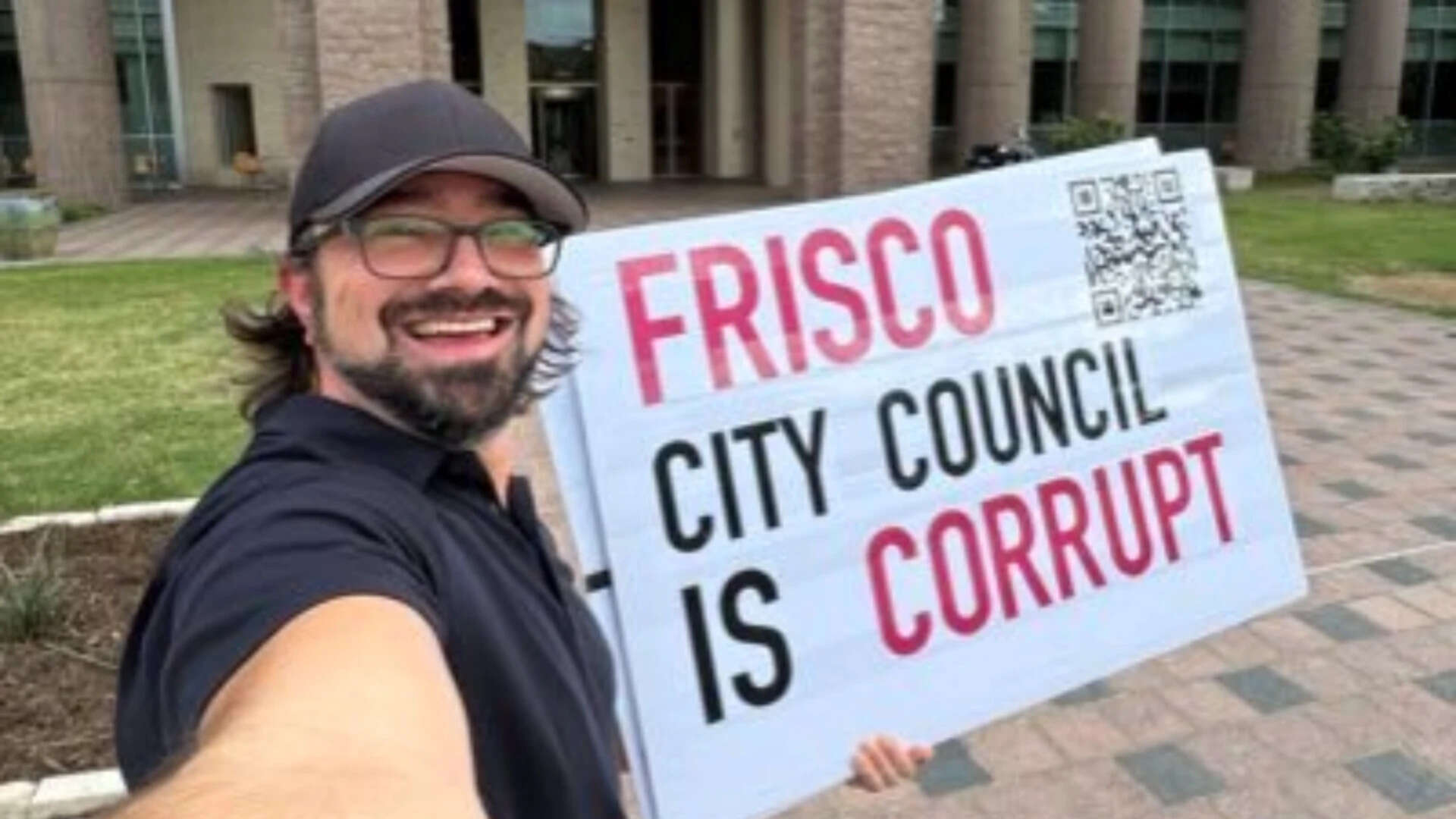
A recent controversy has ignited public debate surrounding the H-1B visa program in the United States. A whistleblower has come forward claiming significant digital harassment after exposing alleged systemic issues within the program.
This individual states they are now receiving an influx of spam calls, reportedly from Indian numbers, in what they perceive as targeted retaliation. The incident underscores growing tensions and scrutiny around immigration policies and digital privacy.
The Whistleblower’s Alarming Allegations
The core of the recent controversy stems from a whistleblower’s public statements regarding the H-1B visa program. They alleged a significant “takeover” of certain tech sectors by H-1B visa holders, particularly in Texas.
Following these revelations, the individual reported a wave of persistent spam calls and unsolicited communications. These calls, according to the whistleblower, originated predominantly from Indian phone numbers.
Exposing Alleged Systemic Issues
The whistleblower’s initial claims pointed to an alleged over-reliance on H-1B visa workers in specific companies and roles. This purported dependency, they argued, potentially impacts the domestic workforce and the integrity of the visa system.
Their assertions brought renewed attention to long-standing criticisms of the H-1B program. These criticisms often center on its implementation and potential for misuse by employers.
The Subsequent Campaign of Harassment
The individual described the spam calls as a direct consequence of their public exposure of these alleged issues. They believe these calls are a coordinated effort to silence or intimidate them.
The nature of the harassment involved numerous unsolicited calls, often from unknown or international numbers. This campaign highlights the darker side of digital targeting and its potential for abuse.
Understanding the H-1B Visa Program
The H-1B visa program is a non-immigrant visa that allows U.S. employers to temporarily employ foreign workers in specialty occupations. These occupations generally require a bachelor’s degree or higher in a specific field.
It is a highly sought-after visa, particularly in the technology sector, designed to fill critical skill gaps in the American workforce. Each year, the U.S. government issues a limited number of these visas through a lottery system.
Purpose and Scope of H-1B Visas
The primary purpose of the H-1B program is to enable U.S. companies to hire foreign professionals in fields requiring specialized knowledge. This includes areas like IT, engineering, medicine, and mathematics.
Its statutory annual cap is 65,000 visas, with an additional 20,000 visas reserved for those holding a U.S. master’s degree or higher. This cap often leads to an oversubscribed lottery, reflecting high demand.
Historical Context and Criticisms
The H-1B program has been a subject of continuous debate since its inception. Critics often argue that it can be exploited to replace American workers with cheaper foreign labor.
Proponents, however, contend that the program is vital for U.S. competitiveness, enabling access to global talent and fostering innovation. The debate often centers on balancing these competing interests.
The ‘Takeover’ Claim: Context and Controversy
The whistleblower’s specific claim of an H-1B “takeover” implies a disproportionate presence or control by H-1B visa holders in certain industries. This narrative often fuels anxieties about job displacement and economic security.
Such claims resonate within broader discussions about globalization and its impact on national workforces. The perceived concentration of H-1B workers in particular geographic areas or companies further amplifies these concerns.
Allegations of Program Misuse
The “takeover” narrative is often linked to allegations of H-1B program misuse, rather than its intended purpose. Some critics suggest that certain companies primarily use the visa to reduce labor costs, not to acquire unique skills.
These practices, if proven, would undermine the integrity of the visa program and its stated goals. They highlight a need for stricter oversight and enforcement mechanisms.
Economic and Social Implications
If H-1B visa holders are indeed dominating certain sectors as alleged, it raises questions about competition and wage suppression. This could potentially affect career opportunities for native-born workers.
Beyond economics, such concentrations can also lead to social and cultural integration challenges. These are complex issues requiring nuanced policy responses and ongoing dialogue.
The Alleged Retaliation: Spam Calls and Harassment
The whistleblower explicitly linked the barrage of spam calls to their public disclosures regarding the H-1B program. They stated that the calls were numerous and originated predominantly from Indian numbers.
This pattern of communication suggests a coordinated effort rather than random unsolicited calls. Such targeted harassment raises serious concerns about digital safety and free speech.
Identifying the Source and Intent
While the exact individuals or groups behind the alleged spam calls remain unconfirmed, the whistleblower’s claims point towards a specific demographic. This implies an intent to intimidate or silence them for their statements.
The use of international numbers further complicates efforts to trace and prosecute the perpetrators. Digital anonymity often provides a shield for those engaging in harassment.
Violation of Privacy and Law
The whistleblower has openly stated that these unsolicited communications constitute a violation of privacy and law. This assertion points to potential legal recourse under various statutes protecting individuals from harassment.
Such targeting is not merely annoying; it can be psychologically distressing and disruptive to daily life. It crosses the line from public discourse into personal attack.
Legal and Ethical Dimensions of Digital Targeting
The alleged spam calls directed at the whistleblower raise significant legal and ethical questions. Such actions potentially violate telemarketing laws, harassment statutes, and privacy rights in multiple jurisdictions.
Digital targeting, especially across international borders, presents complex challenges for law enforcement. It demands a robust understanding of cybercrime and international cooperation.
Telemarketing and Harassment Laws
Many countries, including the U.S. and India, have strict laws against unsolicited commercial calls and harassment. The U.S. Do Not Call Registry and India’s Telecom Regulatory Authority (TRAI) regulations aim to curb such practices.
If these calls were made with malicious intent or in a harassing manner, they could constitute criminal offenses. Proving intent and identifying perpetrators across borders, however, is often difficult.
Freedom of Speech vs. Harassment
This incident also touches upon the delicate balance between freedom of speech and the right to be free from harassment. While individuals have the right to express their views, this right does not extend to coordinating targeted attacks.
The whistleblower’s actions fall under free speech, while the alleged retaliation crosses into actionable harassment. Defining this boundary is crucial for maintaining civil discourse.
Implications for Immigration Policy and Debate
This incident adds another layer of complexity to the already contentious H-1B visa debate. It highlights the emotional and often polarized nature of discussions surrounding immigration and foreign labor.
Such high-profile cases can influence public opinion and governmental policy decisions. They often serve as catalysts for reevaluating existing regulations and enforcement strategies.
Renewed Scrutiny on H-1B
The whistleblower’s claims will likely intensify scrutiny on the H-1B program itself. Policymakers may face increased pressure to review its effectiveness, potential abuses, and impact on the domestic workforce.
This could lead to calls for stricter auditing of companies that heavily rely on H-1B visas. It might also spur discussions on visa allocation and wage protections.
Protecting Whistleblowers and Public Discourse
The alleged targeting of a whistleblower for speaking out against perceived wrongdoing is deeply concerning. It underscores the critical need for robust protections for individuals who expose issues in the public interest.
If whistleblowers fear retaliation, it chills open discourse and transparency. This ultimately hinders efforts to improve systemic problems within any program or industry.
For more insights into these evolving discussions, explore the latest trends in immigration and labor markets.
Global Reactions and Community Impact
The whistleblower’s claims and subsequent alleged targeting have elicited reactions from various corners globally. This includes immigration advocates, technology industry leaders, and diaspora communities.
The incident serves as a stark reminder of the global interconnectedness of digital communications and the potential for international tensions to manifest in personal attacks.
Impact on Indian Diaspora
The alleged origin of the spam calls from India has unfortunately cast a shadow on the Indian diaspora community. While such actions are likely perpetrated by a few, they can unfairly stereotype an entire group.
This can lead to increased scrutiny and potentially fuel anti-immigrant sentiment. The vast majority of the Indian diaspora contributes positively to their adopted countries.
The Role of Digital Platforms
Digital platforms and communication technologies, while enabling global discourse, also provide avenues for harassment. This incident highlights the responsibility of these platforms to combat abuse.
The ease with which individuals can coordinate attacks across borders necessitates improved reporting mechanisms and cross-border law enforcement cooperation.
Conclusion: Upholding Integrity and Safety
The allegations by the whistleblower regarding H-1B program issues and subsequent digital targeting underscore critical challenges. These include maintaining program integrity and ensuring digital safety for all individuals.
The incident serves as a powerful call for greater transparency, accountability, and robust protections for those who dare to speak truth to power. It also reinforces the need for ethical digital conduct.
As discussions around immigration policy continue, it is paramount that voices are heard without fear of reprisal. Upholding legal frameworks against harassment is essential for a healthy public sphere.
For a deeper dive into the original report, please refer to the Official Source.
Frequently Asked Questions (FAQs)
1. Who is the whistleblower in this incident?
The whistleblower in question is an individual who chose to publicly expose what they perceived as issues with the H-1B visa program. While their identity might be known, journalistic practices often protect the anonymity of whistleblowers, especially when they report alleged retaliation. They made claims about an H-1B “takeover” in certain U.S. tech sectors.
2. What exactly did the whistleblower expose regarding the H-1B program?
The whistleblower claimed to have “exposed” an alleged “takeover” or over-reliance on H-1B visa holders in specific industries, particularly within the tech sector in Texas. Their allegations suggest that the program, intended to fill skill gaps, might be used in ways that disproportionately favor foreign workers or potentially impact the domestic workforce. These claims have intensified existing debates about the program’s fairness and implementation.
3. What is the H-1B visa, and why is it often a subject of debate?
The H-1B visa is a non-immigrant visa that allows U.S. employers to temporarily employ foreign workers in specialty occupations. These roles typically require theoretical or technical expertise, often in fields like IT, engineering, or healthcare. It’s debated because critics argue it can lead to job displacement for American workers or wage suppression, while proponents assert its necessity for maintaining U.S. competitiveness and accessing global talent, especially in high-skill areas.
4. What are the alleged violations of law regarding the spam calls?
The whistleblower claims the alleged spam calls, particularly those from international numbers, are a violation of law. Depending on the jurisdiction, such calls could fall under telemarketing regulations (e.g., Do Not Call Registry in the U.S.), anti-harassment statutes, or privacy laws. Deliberately targeting an individual with persistent unwanted calls can be considered harassment, regardless of their origin, and may carry legal penalties for the perpetrators.
5. What are the potential legal consequences for those targeting the whistleblower with spam calls?
The legal consequences for perpetrators depend heavily on the specific laws violated and the jurisdiction. In the U.S., violations of telemarketing laws can result in significant fines. Harassment, if proven, can lead to civil lawsuits or even criminal charges. However, tracing international callers and enforcing laws across national borders presents significant challenges for law enforcement agencies, making prosecution complex.
6. How does this incident affect the broader H-1B debate and immigration policy?
This incident adds fuel to the ongoing H-1B debate by highlighting concerns about the program’s perceived misuse and the highly charged nature of immigration discussions. It may prompt renewed calls for stricter oversight, increased transparency, and potential reforms to the H-1B program to prevent alleged abuses. The alleged retaliation against a whistleblower also underscores the need for greater protections for those who speak out on public interest issues, potentially influencing policy discussions on whistleblower rights.
7. What protections are typically in place for whistleblowers in the U.S.?
In the U.S., various federal and state laws protect whistleblowers who report waste, fraud, and abuse. Key statutes include the Whistleblower Protection Act, which protects federal employees, and provisions in acts like Sarbanes-Oxley and the Dodd-Frank Act for private sector employees. These laws generally prohibit retaliation, such as termination, demotion, or harassment. However, proving retaliation and seeking redress can be a lengthy and challenging legal process for individuals.
8. How can individuals report spam calls or digital harassment?
Individuals experiencing spam calls can register their numbers on national “Do Not Call” registries (e.g., FTC’s National Do Not Call Registry in the U.S., TRAI in India). For persistent or harassing calls, reports can be made to telecommunications providers, consumer protection agencies (like the FCC or FTC in the U.S.), and local law enforcement. Documenting call details, including numbers, times, and content, is crucial for investigations. For more severe digital harassment, cybercrime units may be involved.
9. What is the potential impact on the Indian diaspora in the U.S. from such claims?
Claims involving alleged spam calls from India, and the broader discussion of H-1B “takeovers,” can unfortunately lead to negative stereotyping and increased scrutiny of the Indian diaspora in the U.S. While the actions of a few individuals should not reflect on an entire community, such incidents can fuel xenophobia or anti-immigrant sentiment. It’s crucial to differentiate between individual actions and the contributions of the vast majority of law-abiding immigrants.
10. What measures can be taken to ensure fair and transparent immigration processes?
Ensuring fair and transparent immigration processes requires a multi-faceted approach. This includes robust enforcement of existing laws to prevent fraud and abuse, regular review and reform of visa programs like H-1B to ensure they meet their intended objectives, and increased transparency in data reporting. Furthermore, fostering open dialogue among stakeholders—including government, industry, labor, and immigrant communities—is vital to develop policies that balance economic needs with social equity and protect all workers.
SEO Keywords
H-1B visa, whistleblower, spam calls, immigration program, digital harassment, H-1B controversy, visa misuse, foreign workers, tech industry, U.S. immigration, labor laws, digital targeting, cybercrime, whistleblower protection, India spam calls
Source: Times of India