






A significant digital operation, involving fabricated conflict footage and compromised user profiles, has been brought to light. This complex network leveraged artificial intelligence to spread misleading narratives.
The discovery by a senior product executive at a prominent social platform revealed a concerted effort to manipulate online discourse. This operation underscores the evolving challenges in maintaining information integrity across digital spaces.
The Unveiling of a Sophisticated Network
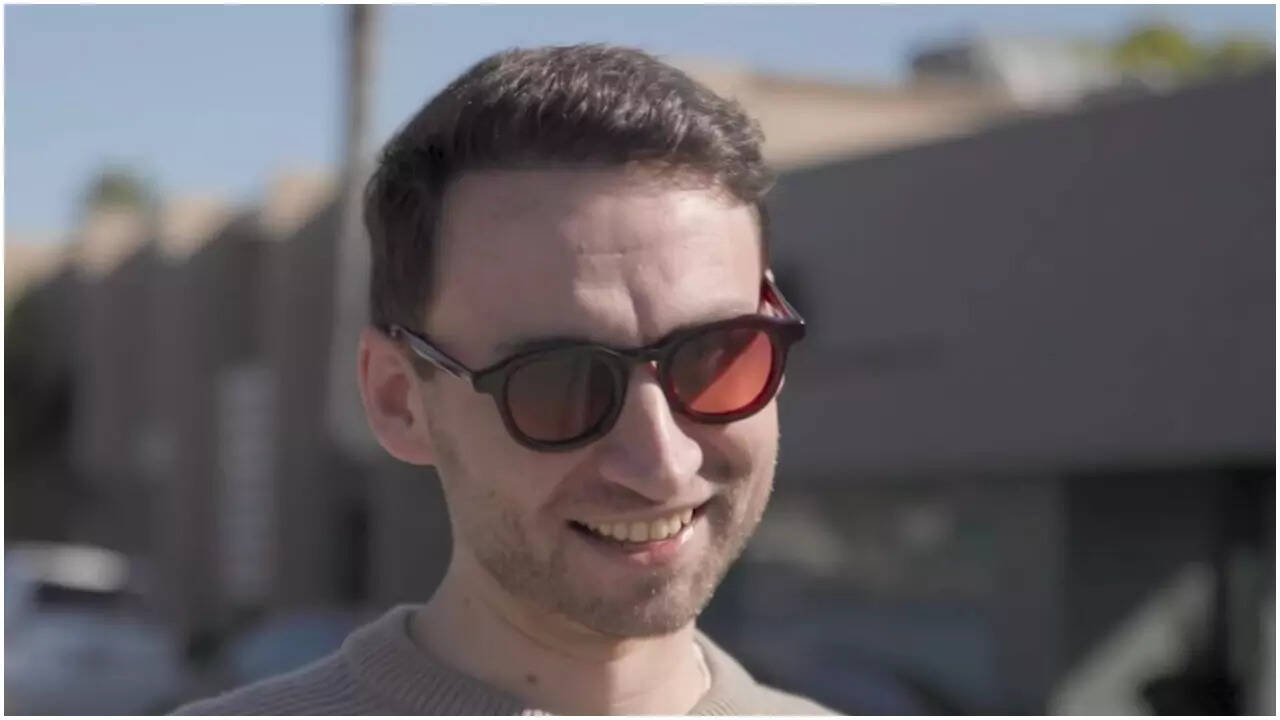
The intricate details of this deceptive operation were meticulously uncovered by Nikita Bier, a leading product executive. His investigation exposed a 31-account network designed for coordinated influence.
The accounts displayed patterns indicative of a sophisticated, well-funded campaign. These included synchronized posting and thematic consistency across various profiles.
Behind the Discovery: A Proactive Approach
The executive’s team employed advanced analytical tools and behavioral pattern recognition to detect anomalies. This proactive monitoring is crucial in identifying emerging threats.
Initial suspicions arose from unusual engagement metrics and content that deviated from typical user behavior. These flags prompted a deeper dive into the accounts’ origins and activities.
The Nature of the Deception: AI War Videos and Hacked Handles
At the core of this operation were highly realistic AI-generated videos depicting conflict scenarios. These videos aimed to simulate genuine wartime footage, blurring the lines between reality and fabrication.
The use of artificial intelligence in creating these videos allowed for rapid production and customization. This technology makes it increasingly difficult for the average user to discern authenticity.
The Power of AI in Disinformation
AI-generated war videos are particularly insidious due to their emotional impact and visual credibility. They exploit human cognitive biases, making them highly effective propaganda tools.
These videos often incorporate convincing visual effects, realistic audio, and seemingly authentic narratives. This level of detail requires significant resources and technical expertise.
Compromised Accounts: Amplifying the Deception
A critical component of the operation involved the use of hacked handles, or compromised user accounts. These accounts lent an air of legitimacy to the fabricated content.
Distributing disinformation through established, even if dormant, accounts significantly increases its reach and perceived trustworthiness. Users are less likely to question content from profiles they recognize.
The Mechanics of the Operation
The 31 accounts functioned as a coordinated network, strategically disseminating content across the platform. Their activities were carefully orchestrated to maximize impact.
This network likely utilized various tactics to evade detection, including staggered posting times and varied linguistic patterns. Such measures complicate automated content moderation efforts.
Targeting and Exploitation
The specific profiles targeted for hacking often included older, less active accounts or those with weak security protocols. These accounts provide a convenient springboard for malicious actors.
Once compromised, these handles were repurposed to push the AI-generated war videos and associated narratives. This method capitalizes on the trust associated with existing profiles.
The Narrative Pushed
The content disseminated by the network was designed to stir specific geopolitical sentiments and exacerbate tensions. It often focused on regional conflicts or international disputes.
The narratives aimed to sow discord, influence public opinion, and potentially provoke real-world reactions. This highlights the dangerous convergence of digital manipulation and global affairs.
Broader Implications for Digital Integrity
This incident serves as a stark reminder of the escalating threat posed by AI-powered disinformation campaigns. Maintaining trust in online information sources becomes increasingly challenging.
The blurring of truth and fabrication has profound implications for democratic processes, public safety, and international relations. It requires a concerted effort from platforms, governments, and users.
The Battle Against Deepfakes and Synthetic Media
The rise of deepfake technology and other forms of synthetic media represents an ongoing “arms race” in the digital sphere. Defenders must constantly innovate to keep pace with attackers.
Developing robust detection mechanisms for AI-generated content is paramount. This includes advanced algorithms and human oversight to identify subtle inconsistencies.
Protecting User Trust and Platform Credibility
Social platforms bear a significant responsibility in safeguarding their users from such malicious operations. Their ability to quickly identify and neutralize threats is crucial for their credibility.
Incidents like this erode public trust, making users more skeptical of all content they encounter online. Restoring and maintaining that trust is a continuous uphill battle.
Platform Response and Future Challenges
Following the discovery, the platform swiftly moved to dismantle the 31-account network. This decisive action prevented further dissemination of the deceptive content.
However, the underlying challenge of detecting and preventing future sophisticated operations remains. The attackers continually evolve their tactics, demanding constant vigilance.
Enhancing Security Measures
Platforms are continually investing in stronger security protocols for user accounts. This includes multi-factor authentication and automated systems to detect suspicious login attempts.
Educating users on best practices for account security is also a vital component. Strong passwords and awareness of phishing attempts can significantly reduce vulnerabilities.
Collaboration and Transparency
Effective combat against such operations often requires collaboration between platforms, intelligence agencies, and cybersecurity firms. Sharing threat intelligence is critical.
Transparency about these incidents, while carefully managed to avoid aiding adversaries, helps to inform the public and researchers about latest trends in online deception.
The Role of the User in a Disinformation Landscape
Users are the first line of defense against disinformation. Developing critical thinking skills and practicing media literacy are essential in today’s digital environment.
Questioning the source of information, cross-referencing facts, and being wary of emotionally charged content can help individuals avoid falling victim to manipulation.
Reporting Suspicious Activity
Users play a crucial role by reporting any suspicious accounts or content they encounter. This feedback helps platforms to identify and investigate potential threats more rapidly.
Vigilant reporting from the user community forms an invaluable layer of defense, supplementing automated detection systems. Everyone has a part to play in maintaining digital hygiene.
Looking Ahead: The Evolving Threat
The exposure of this 31-account operation is a testament to the ongoing and escalating information war playing out online. AI will undoubtedly make future campaigns even more challenging to counter.
As AI technology becomes more accessible, the barrier to entry for creating convincing fake content lowers. This necessitates continuous innovation in detection and response strategies.
For more detailed information, please refer to the Official Source.
Frequently Asked Questions
1. What exactly was uncovered in this operation?
A senior product executive uncovered a network of 31 compromised social media accounts that were actively distributing AI-generated war videos. These videos were designed to spread disinformation and manipulate online narratives, leveraging the perceived authenticity of hacked profiles.
2. Who is Nikita Bier?
Nikita Bier is a prominent product executive at a major social media platform. He is known for his work in product development and his efforts in combating online manipulation and misinformation, particularly regarding state-sponsored influence operations.
3. What are “AI war videos”?
AI war videos are sophisticated digital fabrications created using artificial intelligence technology. They are designed to appear as authentic footage of military conflicts, often featuring realistic visual effects, audio, and narratives, with the intent to deceive viewers and influence perceptions.
4. How were the accounts likely hacked?
While specific methods aren’t always disclosed, hacked accounts typically result from phishing scams, credential stuffing attacks (using stolen username/password combinations), exploiting weak passwords, or vulnerabilities in security protocols. Older, inactive accounts are often easier targets.
5. What was the purpose of this operation?
The primary purpose of such operations is typically to engage in disinformation campaigns, manipulate public opinion, or sow discord. In this case, by spreading AI war videos, the goal likely involved influencing geopolitical narratives, creating confusion, or inciting specific reactions.
6. What is the role of the platform in combating such operations?
Social media platforms have a critical role in detecting, investigating, and dismantling disinformation networks. This involves employing advanced AI for content moderation, enhancing account security, fostering user reporting, and collaborating with cybersecurity experts to identify threats.
7. How can users identify deepfake or AI-generated content?
Identifying AI-generated content can be challenging, but users should look for inconsistencies in lighting, shadows, facial features (e.g., blinking patterns, teeth, earlobes), unnatural movements, or discrepancies in audio. Always cross-reference information with reputable sources before accepting it as fact.
8. What are the long-term implications for information integrity?
The proliferation of AI-generated content poses a significant threat to information integrity by eroding trust in digital media. It makes distinguishing truth from falsehood increasingly difficult, potentially impacting democratic processes, public discourse, and the ability to form informed opinions.
9. Has the identity of the perpetrators been revealed?
Reports of such operations often do not immediately reveal the identity of the perpetrators due to the complexities of attribution. These sophisticated campaigns are frequently conducted by state-sponsored actors, organized crime groups, or highly organized influence networks operating clandestinely.
10. What steps are being taken to prevent future incidents?
Platforms are continuously investing in AI-powered detection systems, enhancing account security features like multi-factor authentication, and improving user education on cybersecurity. They also collaborate with governments and research institutions to share threat intelligence and develop collective defenses against evolving threats.
SEO Keywords: AI disinformation, Hacked social media accounts, Digital deception, Social media security, Nikita Bier, AI-generated content, Disinformation campaigns, Platform integrity, Cybersecurity threats, Fake war videos, Online manipulation, Account compromise, Content moderation, Deepfake detection, Information warfare
Source: Times of India