





Introduction: A Defining Moment in Political Journalism
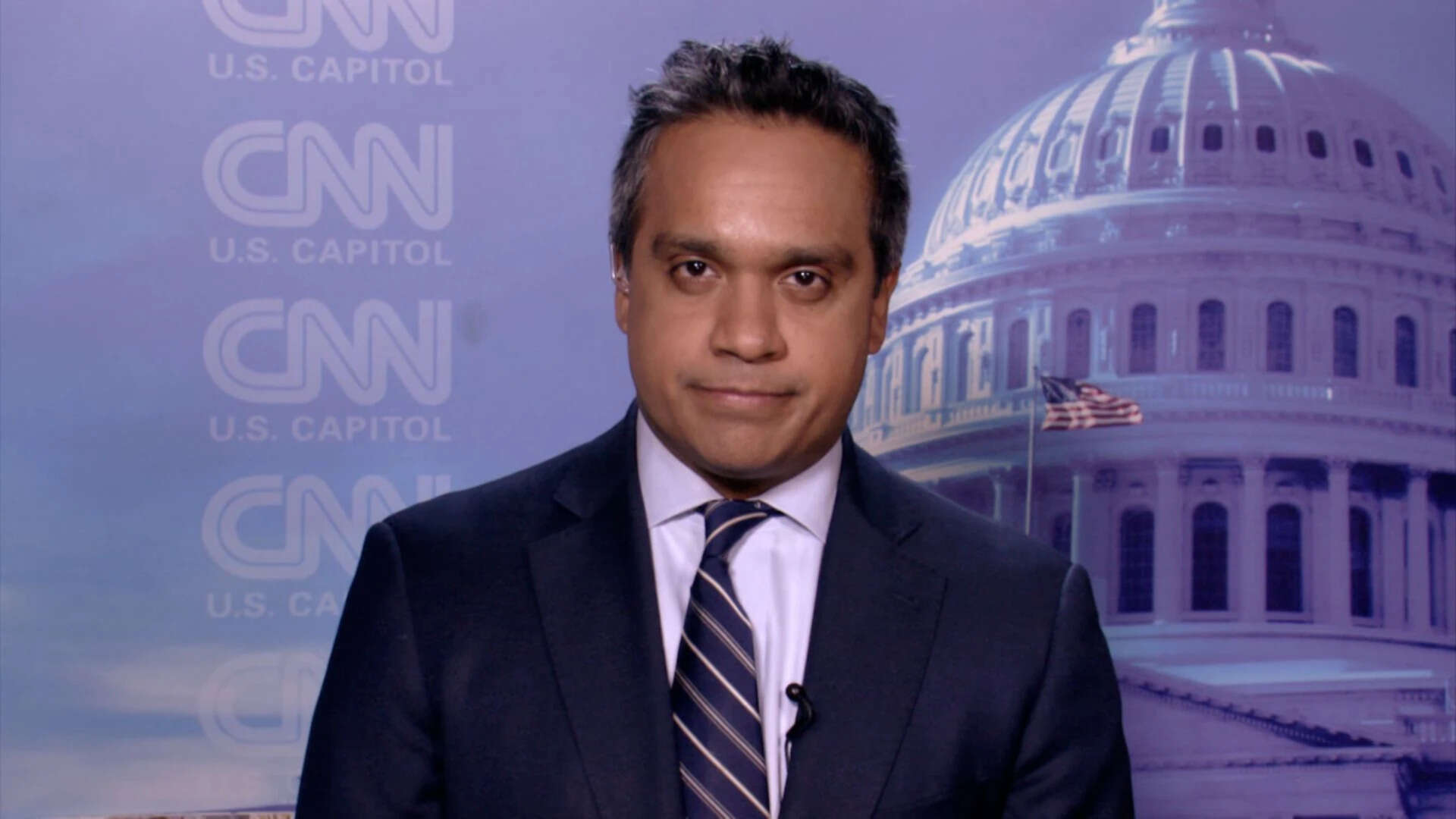
In the high-stakes arena of Washington D.C., few journalists command the respect and attention that Manu Raju does. An Indian-American journalist, Raju has carved out a reputation for relentless questioning and deep dives into the intricate workings of Capitol Hill.
His notable confrontation with Senator Marco Rubio over the US-Iran conflict cemented his status as a formidable force in political reporting. This incident highlighted the critical role of the press in holding powerful figures accountable, even amidst rapidly evolving international crises.
The Formative Years: Education and Early Influences
Roots in Illinois and Academic Pursuits
Manu Raju’s journey began far from the bustling corridors of power, rooted in the suburban landscape of Illinois. Born to Indian immigrant parents, he was instilled with a strong work ethic and a keen intellect from an early age.
His academic path led him to Emory University, where he honed his analytical skills and developed a foundational understanding of public affairs. This educational background provided a robust springboard for his future in news and political analysis, shaping his critical approach to reporting.
A Trajectory Through Top Newsrooms: Rising Through the Ranks
From Print to Broadcast: A Distinguished Career Path
Raju’s journalistic career is a testament to perseverance and an unwavering dedication to the craft. He began his professional journey in print, contributing to respected publications like Congressional Quarterly and The Hill, where he sharpened his reporting on legislative processes.
His transition to Politico marked a significant phase, where his insightful coverage of Congress earned him widespread recognition. Eventually, he joined CNN, where he ascended to the role of Chief Congressional Correspondent, becoming a recognizable face and voice in national political discourse and a trusted source for intricate political news.
The Confrontation: Manu Raju and Senator Marco Rubio on US-Iran
Unpacking the Tense Exchange
The incident that significantly amplified Manu Raju’s profile involved a heated exchange with Senator Marco Rubio concerning the escalating tensions between the United States and Iran. This encounter occurred in the aftermath of a pivotal moment in US foreign policy, drawing immediate national attention.
Raju relentlessly pressed Rubio on his past statements regarding military action and regime change in Iran, seeking clarity on the senator’s evolving position. The journalist’s persistence underscored a critical demand for transparency and consistency from elected officials on matters of national security, especially given the gravity of the situation.
Context of the US-Iran Standoff
The backdrop to this confrontation was a period of heightened geopolitical volatility, particularly following the US drone strike that killed Iranian General Qasem Soleimani. The international community watched with bated breath, as rhetoric from both sides suggested potential for broader conflict and destabilization in the region.
Raju’s line of questioning aimed to explore the implications of aggressive foreign policy stances and the potential for unintended consequences. He sought to understand the rationale behind hawkish positions and their alignment with stated US objectives, ensuring a thorough examination of the issues at hand for the American public.
The Impact and Resonance of the Viral Exchange
A Viral Moment in Political Accountability
The video clip of Manu Raju’s persistent questioning quickly went viral across social media platforms and news outlets. It became a prime example of the press’s role in challenging political narratives and demanding direct answers from those in power.
The incident sparked widespread debate among viewers and commentators about journalistic ethics, the nature of political interviews, and the fine line between aggressive reporting and perceived bias. Regardless of individual perspectives, it undeniably highlighted the vital function of a free press in a democratic society and its crucial watchdog role.
Analyzing the Journalistic Tenacity
Raju’s performance during the exchange was lauded by many as a masterclass in accountability journalism. He refused to be deterred by evasive answers or attempts to redirect the conversation, consistently bringing the focus back to the core issue of foreign policy consistency.
This tenacity served as a powerful reminder that journalists are not merely conduits for official statements but active interrogators of truth. It reinforced the expectation that public servants should be prepared to defend their positions openly and honestly to the electorate, especially on matters of war and peace.
Manu Raju’s Distinctive Reporting Style
The Art of Persistent Questioning
Manu Raju is renowned for a reporting style characterized by its directness, depth, and unwavering persistence. He is known for cutting through political rhetoric to get to the heart of the matter, often employing repeated questions until he elicits a substantive response.
His approach is not about sensationalism but about thoroughness, ensuring that complex legislative details and policy implications are scrutinized. This meticulous attention to detail has earned him the trust of his audience and the respect, albeit sometimes begrudging, of his subjects on Capitol Hill.
Expertise in Congressional Affairs
As CNN’s Chief Congressional Correspondent, Raju possesses an unparalleled understanding of the nuances of Capitol Hill. He navigates the intricate world of legislative battles, committee hearings, and backroom negotiations with expert precision.
His reporting frequently provides crucial insights into the motivations behind political decisions and the potential ramifications of policy choices. This deep institutional knowledge is a cornerstone of his authoritative and impactful journalism, delivering context to national debates.
The Indian-American Identity in Mainstream Media
Breaking Barriers and Inspiring Diversity
Manu Raju’s prominent position in mainstream American journalism is significant beyond his reporting prowess. As an Indian-American, he represents a growing diversity within newsrooms, reflecting the multicultural fabric of the United States.
His visibility serves as an inspiration for aspiring journalists from diverse backgrounds, demonstrating that talent and dedication can transcend traditional barriers. He contributes to a more inclusive media landscape where varied perspectives are increasingly valued and represented, enriching the national dialogue.
A Voice for Nuance and Perspective
While Raju’s identity is not the primary focus of his reporting, his background implicitly brings a unique lens to his work. The experiences of immigrant communities often foster a nuanced understanding of global affairs and domestic policy, enriching the broader journalistic dialogue.
His contributions underscore the importance of diverse voices in shaping public understanding and ensuring a comprehensive portrayal of events. This enriches the collective discourse, moving beyond singular viewpoints to embrace a multiplicity of insights and interpretations.
Broader Implications for US Politics and the Press
The Role of Journalism in a Polarized Era
The exchange between Manu Raju and Marco Rubio serves as a potent microcosm of the ongoing tension between politicians and the press in a highly polarized political environment. It highlights the challenges journalists face in extracting clear answers when faced with strategic ambiguity.
In an age where information can be weaponized and narratives carefully controlled, the steadfast pursuit of truth by journalists like Raju is more critical than ever. This relentless questioning safeguards the democratic process by informing the public and holding power to account, fostering transparency.
Shaping Public Discourse on Critical Issues
Through such confrontations, journalists actively shape public discourse, prompting citizens to critically evaluate the positions of their elected representatives. Raju’s questions on Iran forced both Rubio and the wider audience to reconsider complex foreign policy issues and their potential impact.
The incident also contributed to a broader conversation about media trust and the responsibility of news organizations to remain independent and probing. It reinforced the idea that vigorous journalism is not just a feature but a necessity for a healthy democracy, ensuring that no issue or individual escapes scrutiny.
Conclusion: A Legacy of Relentless Reporting
Manu Raju stands as a testament to the enduring power of persistent, informed, and courageous journalism. His confrontation with Senator Marco Rubio was more than just a viral moment; it was a powerful demonstration of the press’s vital function in a democratic society.
His career embodies the pursuit of accountability, pushing boundaries to deliver clarity to the American public on complex political matters. Raju’s work continues to influence how critical issues are covered, setting a high standard for investigative and direct political reporting in Washington D.C. For more on latest trends in political journalism, one can explore various media analyses. For specific details on the Rubio confrontation, refer to an Official Source.
Frequently Asked Questions About Manu Raju
1. Who is Manu Raju?
Manu Raju is a prominent Indian-American journalist who currently serves as CNN’s Chief Congressional Correspondent. He is widely recognized for his tenacious and direct interviewing style, particularly his persistent questioning of politicians on Capitol Hill. His work focuses extensively on legislative affairs, policy debates, and the intricate dynamics of the United States Congress, making him a key reporter in Washington D.C.
2. What was the context of the US-Iran conflict during the Rubio confrontation?
The confrontation between Manu Raju and Senator Marco Rubio took place during a period of heightened tensions between the US and Iran, specifically in the aftermath of the US drone strike that killed Iranian General Qasem Soleimani in early 2020. Raju questioned Rubio about his past support for regime change in Iran and military action, seeking clarification on his stance amid the escalating crisis and the potential for broader conflict in the Middle East, a truly critical moment.
3. Where did Manu Raju work before joining CNN?
Before becoming a prominent figure at CNN, Manu Raju honed his journalistic skills at several other reputable news organizations. He worked for Congressional Quarterly, where he covered legislative issues, and then at The Hill, focusing extensively on Congress. He later joined Politico, gaining significant recognition for his in-depth reporting on Capitol Hill before moving to his current role at CNN as Chief Congressional Correspondent, marking a steady ascent in his career.
4. What is Manu Raju known for in his reporting style?
Manu Raju is highly regarded for his persistent, direct, and often confrontational interviewing style. He is known for not letting politicians off the hook, repeatedly asking questions until he receives a clear, substantive answer, rather than allowing deflections or evasive rhetoric. This approach underscores his commitment to accountability journalism and his deep understanding of legislative processes and political strategy, aiming for ultimate clarity.
5. What was Marco Rubio’s specific stance on Iran that Raju questioned?
During their notable exchange, Manu Raju pressed Senator Marco Rubio on his previous statements and consistent record of supporting a more aggressive stance towards Iran, including discussions around regime change and potential military intervention. Raju’s questions aimed to understand if Rubio’s views had evolved or remained consistent in light of the immediate, dangerous escalation of US-Iran tensions following the Soleimani strike, and what his current position meant for future policy regarding the nation.
6. How did the confrontation between Raju and Rubio unfold?
The confrontation unfolded in a hallway on Capitol Hill as Manu Raju repeatedly questioned Senator Marco Rubio. Raju pressed Rubio on inconsistencies between his past comments advocating for regime change in Iran and his more cautious rhetoric after the Soleimani strike. Rubio attempted to pivot and redefine his past positions, but Raju persisted, challenging Rubio’s explanations and demanding direct answers about his stance on military options and US foreign policy in the region, creating a visibly tense exchange.
7. What was the public reaction to the exchange?
The public reaction to the Raju-Rubio exchange was significant and polarized. Many lauded Raju’s tenacious questioning as a prime example of effective accountability journalism, praising his refusal to back down and his demand for clarity from a public official on critical foreign policy. Others criticized Raju, viewing his approach as overly aggressive or biased, suggesting he was trying to corner Rubio rather than facilitate an open discussion. The incident sparked widespread debate on social media and across news outlets, reflecting divided opinions.
8. Does Manu Raju cover other political beats besides Congress?
While Manu Raju is primarily known as CNN’s Chief Congressional Correspondent and focuses extensively on Capitol Hill, his role often expands to cover broader political narratives that intersect with legislative affairs. He reports on major policy debates, presidential campaigns’ impact on Congress, and significant national political developments. His expertise often extends to how these events shape or are shaped by the actions of Congress, making his scope broad within the political realm and beyond just legislative reporting.
9. What is Manu Raju’s background?
Manu Raju was born in Downers Grove, Illinois, to Indian immigrant parents. His father, Dr. P.K. Raju, was a medical director, and his mother was a homemaker. He attended Lisle Senior High School and later graduated from Emory University with a strong academic foundation. This background instilled in him a strong drive and intellectual curiosity that would serve him well in his demanding career as a political journalist, leading him to become a prominent voice in national news.
10. How does Raju’s work impact political discourse?
Manu Raju’s relentless reporting significantly impacts political discourse by consistently pushing politicians for transparency and accountability. His direct questioning forces public officials to articulate and defend their positions, which in turn provides the public with clearer insights into policy debates and decision-making processes. By cutting through political spin, he helps foster a more informed citizenry and encourages more substantive conversations about governance and critical national issues, elevating public understanding.
SEO Keywords:
Manu Raju, Indian-American journalist, Marco Rubio, US-Iran conflict, CNN reporter, political journalism, Capitol Hill, Congressional reporting, accountability journalism, US foreign policy, press-politician interactions, political scrutiny, Indian diaspora in media, Washington DC politics, news analyst
Source: Times of India