




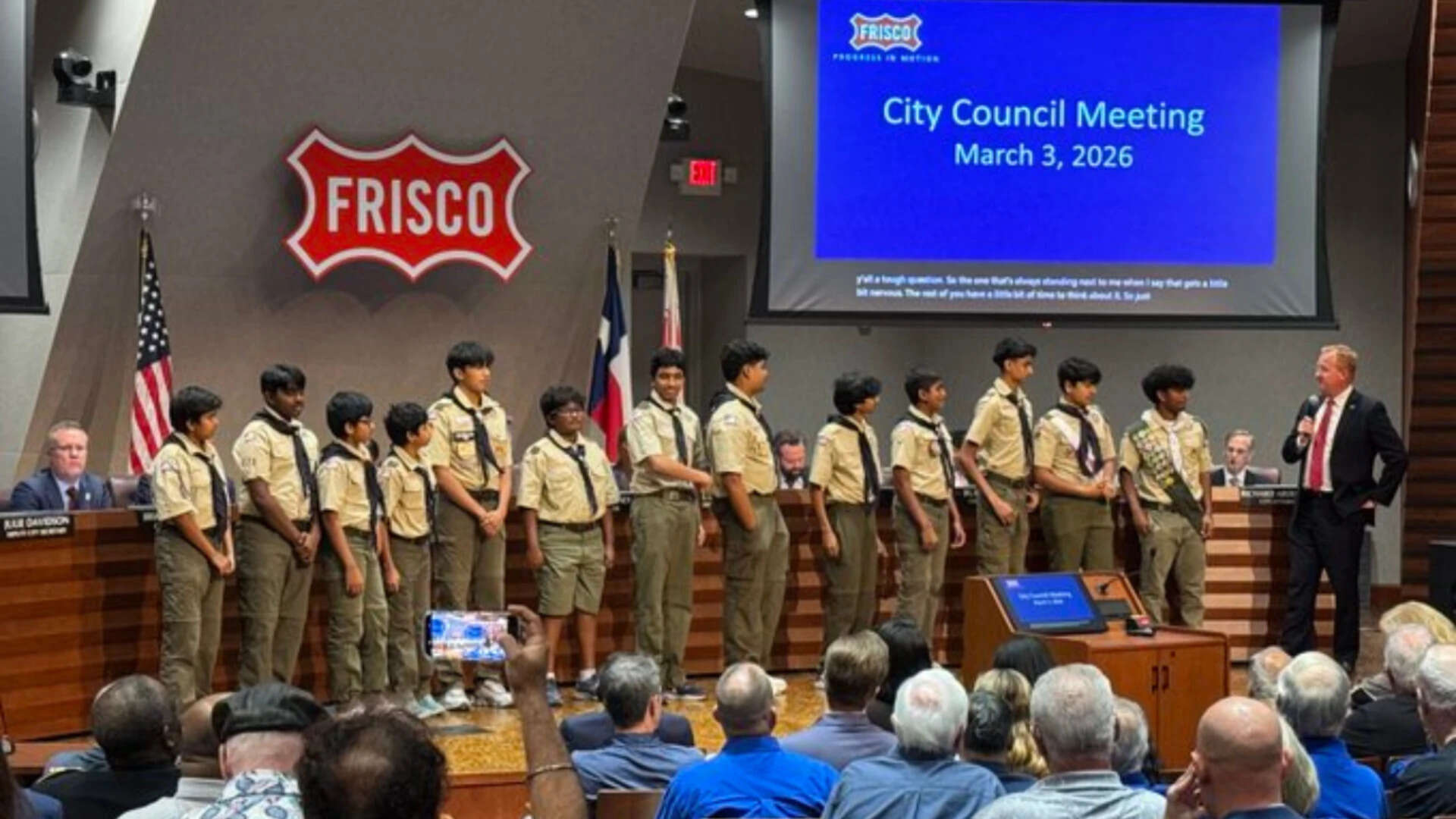
A recent Frisco City Council meeting became the focal point of a significant community discussion.
The debate centered on questions of cultural identity, patriotism, and inclusivity within local youth organizations, particularly Boy Scout troops.
The Genesis of the Discussion
The controversy emerged following observations regarding specific Boy Scout troops in the Frisco area.
These troops were reportedly composed predominantly, if not entirely, of members from a single ethnic background, leading to questions about their formation and purpose.
A Statement Ignites Public Discourse
During the council meeting, a statement was made suggesting that Indian-American individuals might be “too much more patriotic than whites.”
This remark, aimed at explaining the perceived homogeneity of certain troops, quickly escalated the discussion into a broader public debate.
The context involved a parent expressing concerns about the creation of “100% Indian Boy Scouts” troops.
This highlighted a perceived segregation rather than integration within community youth groups.
Understanding the Boy Scouts of America’s Stance
The Boy Scouts of America (BSA) is an organization founded on principles of character development, citizenship training, and personal fitness.
Its core values emphasize universal tenets applicable to all youth, regardless of background.
Inclusivity as a Core Tenet
The BSA’s stated mission promotes inclusivity and welcomes members from all walks of life.
This framework is designed to foster an environment where diverse individuals can learn and grow together.
Local councils and troops are expected to uphold these national principles.
They should ensure that their activities and composition reflect the broader community they serve.
Community Reactions and Perspectives
The Frisco incident elicited a wide range of reactions from local residents and community leaders.
Many expressed concerns about the potential for division and exclusivity within youth programs.
Arguments for Cultural Affinity Groups
Some individuals argued that cultural affinity groups within larger organizations can provide a sense of belonging and cultural preservation.
They suggested that these groups allow children to connect with their heritage while still participating in broader community activities.
Proponents often highlight the importance of shared cultural values and language in fostering strong bonds among participants.
This approach can offer a comfortable and familiar environment for children and their families.
Calls for Broader Integration
Conversely, many voices emphasized the importance of integration and diversity within youth organizations.
They argued that mixed groups better prepare children for a diverse world and promote cross-cultural understanding.
Critics expressed worry that single-ethnicity troops could inadvertently reinforce stereotypes or create social barriers.
Such divisions might hinder the development of a truly cohesive community spirit among young people.
The Concept of Patriotism in a Diverse Society
The discussion at the Frisco Council meeting also touched upon the complex concept of patriotism.
The initial statement about differing levels of patriotism sparked considerable debate and introspection.
Defining Patriotism
Patriotism can be defined in various ways, often encompassing loyalty, love, and devotion to one’s country.
These sentiments manifest differently across individuals and cultural groups.
For immigrant communities, patriotism can involve a deep appreciation for the opportunities and freedoms offered by their adopted country.
It often coexists with a strong connection to their country of origin and its cultural traditions.
Patriotism and Cultural Identity
The debate highlighted how cultural identity intersects with expressions of patriotism.
Celebrating one’s heritage does not necessarily diminish one’s love or loyalty to their current nation.
Instead, a multicultural society thrives when diverse expressions of identity and patriotism are recognized and respected.
This allows for a richer and more inclusive understanding of national identity.
Implications for Youth Development and Community Cohesion
The Frisco debate carries significant implications for youth development and overall community cohesion.
How communities address these issues shapes the future social fabric.
Fostering Inclusivity in Youth Programs
Youth programs play a crucial role in shaping children’s understanding of the world and their place within it.
Ensuring these programs are genuinely inclusive is paramount for fostering open-minded, tolerant citizens.
It encourages children to interact with peers from various backgrounds, breaking down potential barriers early on.
This exposure helps to cultivate empathy and mutual respect among young individuals.
Navigating Cultural Nuances
Community leaders and organizations face the ongoing challenge of navigating cultural nuances in a diverse population.
Balancing the desire for cultural preservation with the need for broader integration requires thoughtful dialogue and policy.
Transparent communication and active listening are essential tools for resolving such sensitive issues.
These approaches help to build bridges of understanding rather than walls of division.
The Role of Local Governance in Community Integration
City councils and local governments often become forums for addressing community-level social issues.
Their role extends beyond policy-making to facilitating dialogue and promoting harmony.
Facilitating Dialogue and Understanding
The Frisco City Council meeting served as an important platform for airing diverse viewpoints.
It underscores the critical function of local governance in fostering community conversation.
By providing an accessible forum, councils enable residents to voice concerns and engage in civic discourse.
This process is fundamental to a healthy democratic society and effective local problem-solving.
Broader Societal Context and Future Trends
The discussion in Frisco is not an isolated incident but reflects broader societal trends regarding identity, immigration, and integration.
Similar conversations are occurring in communities across the nation and globally.
Global Perspectives on Multiculturalism
Many countries grapple with how to best integrate immigrant populations while respecting cultural heritage.
There is a continuous learning process in balancing assimilation with multiculturalism.
Understanding latest trends in global integration strategies can offer valuable insights.
These insights help local communities navigate their own unique challenges and opportunities.
Moving Forward: A Path to Greater Understanding
The incident at the Frisco City Council meeting highlights the ongoing need for communities to engage in open and honest dialogue.
Addressing these complex issues requires empathy, respect, and a commitment to shared values.
By fostering inclusive environments in youth organizations, communities can build a stronger, more united future.
This future celebrates diversity while upholding common principles of citizenship and belonging.
For more details on the original report, you can refer to the Official Source.
Frequently Asked Questions (FAQs)
1. What was the central issue debated at the Frisco City Council meeting?
The central issue revolved around the perceived existence of “100% Indian Boy Scouts” troops in Frisco, sparking a debate about cultural identity, integration, patriotism, and inclusivity within local youth organizations.
A specific statement regarding Indian-American patriotism further intensified the discussion, prompting a broader community dialogue on diversity.
2. What specific statement ignited the controversy?
During the council meeting, a statement was made implying that Indian-American individuals might be “too much more patriotic than whites.” This remark was offered in an attempt to explain the formation of ethnically homogenous youth groups, leading to widespread reactions and debate.
The comment, reported by various media outlets, became a key point of contention and discussion regarding ethnic identity and national loyalty.
3. How does the Boy Scouts of America (BSA) address diversity and inclusion?
The Boy Scouts of America (BSA) officially promotes a mission of inclusivity, welcoming youth from all backgrounds without discrimination.
Their core values emphasize character, citizenship, and personal fitness, aiming to create a cohesive environment where diverse youth can learn and grow together under universal principles.
4. What arguments were made in favor of culturally specific youth groups?
Proponents of culturally specific groups argue that they provide a crucial platform for children to connect with their heritage, language, and cultural values.
They believe such groups offer a comfortable and supportive environment that fosters a strong sense of identity and belonging within a larger community while preserving cultural traditions.
5. What concerns were raised about ethnically homogenous youth groups?
Concerns were raised that such groups might inadvertently lead to social segregation, hindering broader community integration and cross-cultural understanding among youth.
Critics suggested that these formations could limit children’s exposure to diverse perspectives and potentially reinforce divisions rather than promoting a unified community spirit.
6. How was the concept of patriotism discussed in the context of the debate?
The debate explored varying definitions and expressions of patriotism, particularly in a diverse society.
It highlighted that for immigrant communities, patriotism often includes loyalty to their new country alongside a deep connection to their ancestral heritage, suggesting that these are not mutually exclusive.
7. What are the broader societal implications of this local Frisco incident?
This local incident reflects broader national and global discussions on immigration, cultural assimilation versus multiculturalism, and the complexities of identity in diverse societies.
It underscores the ongoing challenges and opportunities communities face in integrating various ethnic groups while fostering a shared sense of national belonging.
8. What role do local city councils play in discussions like this?
Local city councils serve as crucial public forums where community members can voice concerns, engage in civic dialogue, and influence local policy.
Their role is vital in facilitating transparent discussions on sensitive social issues and working towards solutions that promote community harmony and understanding.
9. How can communities move forward to address issues of cultural identity and integration?
Moving forward requires open, respectful dialogue, a commitment to understanding diverse perspectives, and a focus on fostering inclusive environments in all community organizations.
Strategies include implementing inclusive policies, promoting cross-cultural activities, and encouraging civic education that celebrates diversity while emphasizing shared community values.
10. What is the importance of diversity in youth development programs like Boy Scouts?
Diversity in youth development programs is essential for preparing children to thrive in an increasingly multicultural world.
It helps in breaking down stereotypes, fostering empathy, promoting mutual respect, and equipping young individuals with the social and emotional skills necessary to navigate and contribute positively to a diverse society.
SEO Keywords
Frisco City Council, Boy Scouts, Cultural Identity, Youth Scouting, Community Debate, Patriotism, Inclusivity, Indian-American, Diversity, Texas, Youth Development, Social Integration, Community Harmony, Ethnic Troops, Local Governance
Source: Times of India


