





A recent tragic incident in Texas has reignited a fierce national debate over immigration policy.
While the perpetrator of the violent act entered the U.S. on a tourist visa, the aftermath has seen a dramatic call from over 70 Republican lawmakers to “immediately freeze all H-1Bs” and halt all immigration, highlighting a significant divergence between the incident’s specifics and the proposed policy response. For more details on the initial reports, see the Official Source.
The Recent Incident and Its Aftermath
The Texas Tragedy and Visa Status
The incident in question involved a gunman responsible for a horrific act of violence in Texas. Investigations quickly revealed the individual had entered the United States on a tourist visa, specifically a B-2 non-immigrant visa.
This critical detail underscores the distinction between various immigration pathways and the nature of entry into the country.
Immediate Political Repercussions
In the wake of the tragedy, a significant number of Republican members of Congress swiftly voiced their concerns. Over 70 lawmakers issued a public statement calling for a drastic overhaul of current immigration practices.
Their demands included an immediate freeze on the H-1B visa program and a broader cessation of all immigration, irrespective of its legal basis.
The Disconnect Between Incident and Policy Call
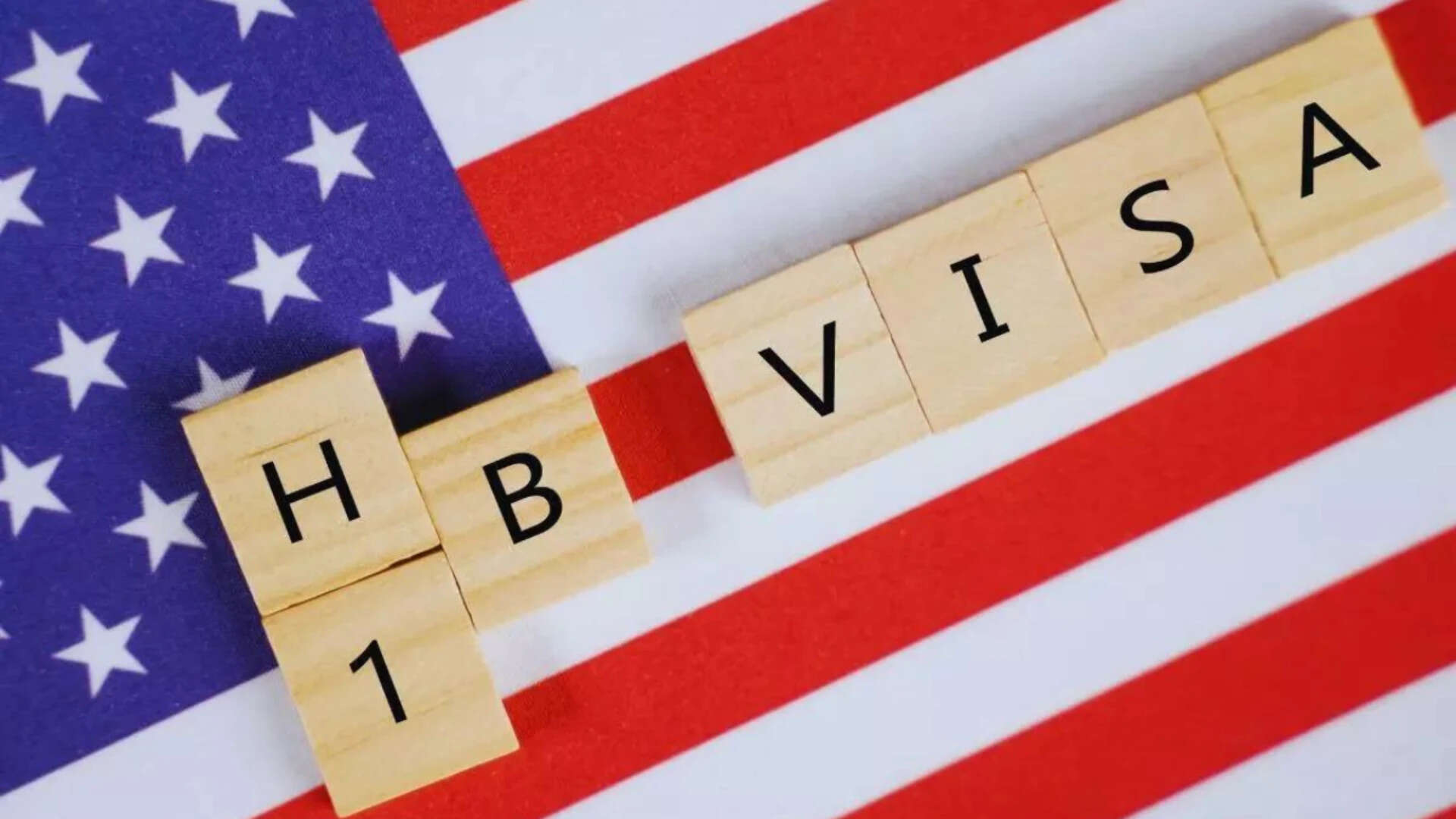
The core of the ensuing controversy lies in the apparent disconnect: a gunman on a tourist visa prompted calls to freeze the H-1B visa program. The H-1B visa is designed for highly skilled foreign workers in specialized occupations.
Critics argue that linking the two disparate categories is a misdirection, while proponents suggest it reflects a broader concern about overall immigration controls and national security.
The H-1B Visa Program Under Scrutiny
Purpose and Function of H-1B Visas
The H-1B visa program permits U.S. employers to temporarily employ foreign workers in specialty occupations. These roles typically require a bachelor’s degree or higher in a specific field.
Common industries utilizing H-1B visas include technology, healthcare, engineering, and academia, filling critical skill gaps in the American workforce.
Economic Contributions and Innovation
Proponents of the H-1B program highlight its significant contributions to the U.S. economy and innovation landscape. H-1B visa holders often fill roles that are challenging to staff domestically, especially in rapidly evolving tech sectors.
They contribute to research, development, and entrepreneurship, fostering economic growth and maintaining America’s competitive edge.
Existing Regulations and Challenges
The H-1B program is subject to an annual cap of 85,000 visas, which is typically oversubscribed, leading to a lottery system. Employers must meet strict wage and labor condition requirements to prevent exploitation and protect U.S. workers.
Despite these regulations, the program has faced criticism regarding potential wage depression in some sectors and concerns about outsourcing.
Broader Immigration Debates and Policy Context
Understanding Tourist Visas (B-1/B-2)
Tourist visas, like the B-2 visa used by the Texas gunman, are non-immigrant visas for individuals entering the U.S. temporarily for tourism, visiting family, or medical treatment. They are not intended for employment or permanent residency.
Applicants undergo a screening process, but these visas are generally less stringent than employment-based visas due to their temporary nature.
The Spectrum of Immigration Concerns
The current debate encompasses a wide range of immigration issues, from border security to legal immigration pathways. Concerns about national security, public safety, and the integrity of the immigration system are frequently voiced by lawmakers and the public.
The discussion often blurs the lines between asylum seekers, undocumented immigrants, and legal visa holders, complicating policy formation.
National Security vs. Economic Needs
Finding a balance between robust national security measures and meeting the economic demands for skilled foreign labor remains a persistent challenge for policymakers. Enhanced vetting procedures for all visa categories are often suggested as a primary solution.
However, implementing such measures without hindering legitimate travel and economic exchange is a delicate act.
Political Responses and Future Implications
Republican Stance and Rationale
The call from over 70 Republican lawmakers reflects a broader, more conservative stance on immigration. Their rationale often cites national security, the preservation of American jobs, and concerns about the strain on social services.
While the H-1B program primarily benefits skilled workers, its inclusion in the “halt all immigration” plea suggests a desire for a comprehensive tightening of all entry points.
Potential Impact of an H-1B Freeze
An immediate freeze on H-1B visas would have significant repercussions for U.S. businesses, particularly in the tech and healthcare sectors. Companies rely on these visas to fill specialized roles where domestic talent may be scarce.
Such a measure could hinder innovation, delay critical projects, and potentially push companies to offshore operations, impacting the U.S. economy.
The Legislative Landscape Ahead
The likelihood of such a sweeping freeze on H-1B visas and all immigration passing Congress is subject to intense political negotiation. Any significant changes would require bipartisan support, which is often difficult to achieve on immigration matters.
The debate is expected to intensify, especially as the nation approaches upcoming election cycles, where immigration frequently becomes a pivotal campaign issue. Keeping up with the latest trends in legislative discussions is crucial for understanding potential outcomes.
Balancing Security and Openness
Ultimately, the challenge for lawmakers is to craft an immigration policy that addresses legitimate security concerns without unduly penalizing legal immigration pathways that benefit the country. This involves careful consideration of different visa categories and their respective purposes.
Striking this balance will define the future of U.S. immigration policy and its impact on both national security and economic prosperity.
Frequently Asked Questions (FAQs)
1. What is the H-1B visa, and who is it for?
The H-1B visa is a non-immigrant visa that allows U.S. employers to temporarily employ foreign workers in specialty occupations. These occupations generally require a bachelor’s degree or higher in a specific field, such as IT, engineering, medicine, and mathematics. It’s intended for highly skilled professionals to fill jobs for which there isn’t sufficient qualified American talent.
2. How is the H-1B visa different from a tourist visa (B-1/B-2)?
The H-1B visa is an employment-based visa, allowing foreign nationals to work in the U.S. for a specific employer for a set period. A tourist visa (B-1 for business, B-2 for tourism/medical treatment) is a non-immigrant visa for temporary stays without the intent to work or reside permanently. These two visa types serve entirely different purposes and have distinct application processes and eligibility requirements.
3. Why did the Texas incident lead to calls for an H-1B freeze if the gunman was on a tourist visa?
The call for an H-1B freeze, despite the gunman’s tourist visa status, stems from a broader political narrative that often conflates different immigration categories under a general concern for national security and border control. Lawmakers advocating for the freeze may see it as part of a larger strategy to reduce overall immigration numbers or as a symbolic move to demonstrate a tougher stance on immigration, even if the direct link is tenuous.
4. What would be the economic impact of freezing H-1B visas?
Freezing H-1B visas could have significant negative economic repercussions. U.S. companies, particularly in tech, healthcare, and engineering, rely on H-1B workers to fill specialized roles and drive innovation. A freeze could lead to talent shortages, increased outsourcing of jobs, reduced competitiveness in global markets, and a potential slowdown in economic growth. It could also deter international talent from choosing the U.S. as a destination for work and research.
5. Is there an annual cap on H-1B visas?
Yes, U.S. law currently limits the number of H-1B visas issued each fiscal year to 65,000 for the general category, plus an additional 20,000 for those with a U.S. master’s degree or higher (the “master’s cap”). This annual cap often leads to the program being oversubscribed, necessitating a lottery system to select eligible petitions.
6. What are the arguments against H-1B visas?
Critics of the H-1B program often argue that it can lead to wage depression for American workers in certain industries, especially when companies allegedly abuse the system by hiring foreign workers at lower salaries. There are also concerns about job displacement and the program being used by outsourcing firms. Additionally, some argue it can make U.S. companies less inclined to invest in training domestic talent.
7. What is the current political climate regarding immigration in the U.S.?
The current political climate on immigration in the U.S. is highly polarized and contentious. There are strong calls for increased border security and stricter enforcement, particularly from conservative factions, often linking immigration to national security or economic strain. Conversely, many advocate for more comprehensive immigration reform, including pathways to citizenship, recognizing the economic and cultural benefits of immigration. The issue frequently becomes a central theme in election campaigns.
8. Do tourist visa applicants undergo security vetting?
Yes, all individuals applying for a U.S. visa, including tourist visas, undergo a security vetting process. This involves background checks, interviews, and reviews of criminal history and national security databases. While the scrutiny might differ in depth compared to certain other visa types, the goal is to assess eligibility and identify potential security risks or immigration violations.
9. What is the difference between legal and illegal immigration?
Legal immigration refers to individuals who enter and reside in the U.S. through authorized channels, possessing valid visas or green cards, or having been granted asylum. Illegal immigration, or undocumented immigration, refers to individuals who enter the U.S. without inspection or overstay their authorized period of admission without permission. The legal framework provides specific pathways for different categories of immigrants, each with its own set of rules and requirements.
10. Could calls to halt all immigration actually pass Congress?
While calls to halt all immigration gain traction among certain political segments, the likelihood of such a sweeping measure passing Congress is generally considered low. Such a drastic policy would face immense opposition from various industries, human rights organizations, and a significant portion of the public. It would also require bipartisan consensus in a deeply divided Congress and would likely contradict existing international agreements and domestic laws. More nuanced reforms, rather than outright cessation, are typically the focus of legislative efforts.
11. What role do skilled immigrants play in the U.S. economy?
Skilled immigrants, often entering through visas like the H-1B, play a crucial role in the U.S. economy. They contribute significantly to innovation, particularly in STEM fields, leading to new technologies, businesses, and job creation. They also fill critical labor shortages, pay taxes, and often start businesses at higher rates than native-born citizens, enhancing economic growth and global competitiveness.
12. How does the U.S. visa system ensure national security?
The U.S. visa system employs multiple layers of security vetting to protect national security. This includes rigorous background checks, biometric data collection, inter-agency information sharing, and in-person interviews at U.S. embassies and consulates abroad. Continuous monitoring, intelligence gathering, and adapting to emerging threats are also part of the comprehensive approach, though no system is entirely infallible.
13. What is the potential impact on international relations if the U.S. halts immigration?
Halting all immigration could severely strain U.S. international relations. It could be perceived as an isolationist stance, undermining diplomatic ties, trade agreements, and cultural exchanges with other nations. It might also provoke retaliatory measures, impacting travel, business, and educational opportunities for U.S. citizens abroad, potentially damaging the U.S.’s global standing and influence.
14. Are there alternatives to freezing H-1B visas to address immigration concerns?
Yes, many alternatives exist to address immigration concerns without an outright freeze. These include reforming the H-1B program to prevent abuse, streamlining and modernizing legal immigration processes, investing in STEM education and training for domestic workers, enhancing border security technology, and increasing resources for asylum processing. A comprehensive approach often involves a combination of these strategies to address specific issues without broad-brush restrictions.
15. How do visa overstays contribute to the broader immigration debate?
Visa overstays, where individuals legally enter the U.S. on a temporary visa but remain past their authorized period, are a significant component of the undocumented population and frequently fuel the broader immigration debate. Critics often cite overstays as evidence of weak enforcement and a lack of accountability within the immigration system, leading to calls for stricter entry and exit tracking and more robust enforcement mechanisms.
16. What is the role of federal agencies like USCIS and CBP in managing visas?
U.S. Citizenship and Immigration Services (USCIS) is responsible for adjudicating visa petitions and applications for immigration benefits, including H-1B. Customs and Border Protection (CBP) is responsible for securing U.S. borders and determining admissibility of individuals at ports of entry, including those with valid visas. Both agencies play critical roles in implementing and enforcing U.S. immigration laws and regulations.
17. How do humanitarian concerns factor into immigration policy?
Humanitarian concerns are a fundamental aspect of U.S. immigration policy, particularly regarding asylum, refugee resettlement, and temporary protected status. The U.S. has a long history of offering refuge to those fleeing persecution, war, or natural disaster. These considerations often balance against national security and economic concerns, creating a complex ethical and political challenge in policy formulation.
18. What is the impact of a strong economy on immigration policy discussions?
A strong economy often influences immigration policy discussions by highlighting the need for workers, especially in sectors experiencing labor shortages. It can increase demand for skilled foreign labor (like H-1B visa holders) and potentially lead to more open immigration stances to sustain growth. Conversely, during economic downturns, calls for stricter immigration policies to protect domestic jobs often become more vocal, illustrating the cyclical nature of the debate.
19. How do international agreements influence U.S. immigration policies?
International agreements, such as treaties related to refugees, trade, and human rights, significantly influence U.S. immigration policies. The U.S. is a signatory to various international conventions that dictate certain obligations regarding asylum seekers and human rights. Trade agreements can also include provisions that facilitate the movement of certain business personnel, thereby impacting specific visa categories and overall immigration frameworks.
20. What is the difference between an immigrant and a non-immigrant visa?
An immigrant visa is for foreign nationals who intend to live permanently in the United States and eventually become lawful permanent residents (green card holders). Non-immigrant visas, conversely, are for foreign nationals who wish to enter the U.S. temporarily for a specific purpose, such as tourism (B-2), work (H-1B), or study (F-1). The intent to reside permanently in the U.S. is the key differentiating factor between the two categories.
21. How do public opinion polls influence immigration policy?
Public opinion polls play a considerable role in shaping political discourse and policy decisions on immigration. Lawmakers often gauge public sentiment on issues like border security, legal immigration levels, and specific visa programs to inform their legislative priorities and campaign strategies. Shifts in public opinion can therefore influence the direction and emphasis of proposed immigration reforms, reflecting the electorate’s evolving concerns and priorities.
***
SEO Keywords: H-1B freeze, immigration halt, Texas gunman, tourist visa, immigration policy, border security, Republican immigration, US visas, skilled workers, political debate, national security, visa reform, economic impact of immigration, skilled labor, immigration debate.
Source: Times of India


