




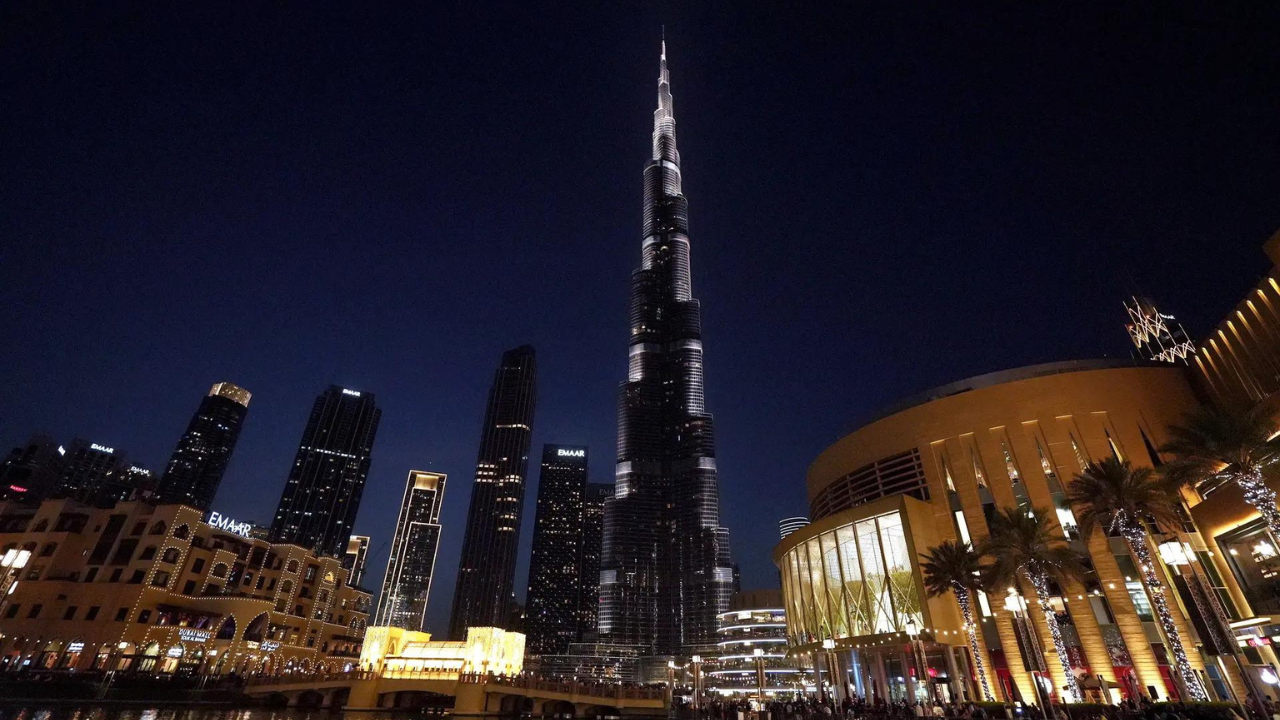
Dubai has long cultivated an image as a bastion of stability and prosperity in a volatile Middle East. Its rapid ascent to a global financial and tourism destination is largely predicated on this perception of safety. However, recent escalations in regional conflicts, particularly those linked to Iran, are now testing this carefully constructed reputation.
Dubai’s Foundational Stability and Economic Prowess
For decades, Dubai positioned itself as a secure refuge for capital and talent amidst regional uncertainties. This strategic vision fostered unparalleled economic growth and diversified its portfolio far beyond oil. The city’s success was built on a promise of consistent safety and predictability.
Economic Diversification and Growth
Dubai’s economy impressively diversified away from hydrocarbons, embracing tourism, trade, finance, and real estate. This strategic pivot created a robust and multi-faceted economic engine. It attracted multinational corporations and high-net-worth individuals from across the globe.
Strategic Location and Connectivity
The emirate’s geographic position at the crossroads of East and West made it a natural hub for logistics and travel. Its world-class infrastructure, including ports and airports, solidified its role as a vital global connector. This connectivity fueled significant investment and trade flows.
Investor Confidence and Trust
A consistent rule of law, transparent business regulations, and political stability cemented strong investor confidence. This trust encouraged significant foreign direct investment, driving monumental construction projects and fostering a thriving expatriate community. Dubai became synonymous with opportunity and security.
Escalating Regional Tensions and Their Origin
The Middle East remains a complex geopolitical landscape, prone to periodic flare-ups and long-standing rivalries. Recent years have seen an intensification of these tensions, particularly concerning Iran’s regional influence. These dynamics are now casting a shadow over previously insulated areas.
Iran’s Geopolitical Footprint
Iran plays a significant and often disruptive role in various regional conflicts through a network of proxies. Its actions in countries like Yemen, Iraq, Syria, and Lebanon create considerable instability. This ongoing engagement fuels concerns about broader regional security.
Proxy Conflicts and Spillover Effects
Conflicts involving Iran-backed groups, such as the Houthis in Yemen, have a direct impact on shipping lanes and regional security. These proxy conflicts introduce unpredictability and increase the risk of wider escalation. Such events erode the sense of a contained threat.
Direct and Indirect Impacts on Dubai’s Reputation
While Dubai has not been a direct target of recent large-scale attacks, the proximity of conflicts creates a perceived risk. This perception, whether actual or imagined, can significantly influence economic decisions and international confidence. The ‘safe-haven’ brand is intrinsically linked to unwavering regional peace.
Perception of Heightened Risk
News of regional strikes, even if distant from Dubai, can significantly alter how investors and tourists view the entire region. This heightened perception of risk can make potential visitors or businesses reconsider their plans. The optics of regional instability are powerful.
Investor Sentiment and Capital Flows
Uncertainty naturally makes investors more cautious about deploying capital in perceived high-risk areas. While Dubai offers robust economic fundamentals, increased regional volatility can prompt some capital flight or a slowdown in new investments. This impacts sectors like real estate and financial markets.
Tourism Sector Vulnerability
Tourism is a cornerstone of Dubai’s economy, attracting millions globally. Travelers seeking leisure and safety might divert to other destinations if regional instability becomes a consistent concern. This can lead to reduced bookings and revenue for hotels, airlines, and related services.
Logistics and Trade Disruptions
Dubai’s role as a major trading and logistics hub relies on open and secure shipping lanes. Disruptions to these routes, particularly in vital waterways like the Red Sea or Strait of Hormuz, directly impact cargo insurance and supply chain efficiency. This raises costs and logistical complexities for businesses. To stay informed on latest trends in global logistics, monitoring these developments is crucial.
Insurance Premiums and Security Costs
As perceived risks increase, so do insurance premiums for businesses operating in the region, including shipping and aviation. Furthermore, governments and private entities may need to invest more in security infrastructure and personnel. These rising operational costs can affect profitability and competitiveness.
Government Response and Mitigation Strategies
The UAE government is acutely aware of the importance of maintaining its image of stability and safety. It has implemented various strategies to mitigate the impact of regional tensions and reassure stakeholders. These efforts span security, diplomacy, and economic resilience.
Enhanced Security Measures
Dubai continually invests in advanced security technologies and highly trained personnel to protect its borders and critical infrastructure. These measures aim to deter potential threats and ensure rapid response capabilities. Public safety remains a paramount concern for the authorities.
Proactive Diplomatic Engagements
The UAE actively engages in regional and international diplomacy to de-escalate tensions and promote peaceful resolutions. Efforts include fostering dialogue with various regional powers and supporting international mediation initiatives. Stability through diplomacy is a key foreign policy objective.
Economic Resilience and Diversification
Dubai continues to diversify its economy and attract investment in non-traditional sectors like technology, AI, and green energy. This ongoing diversification aims to build a more resilient economy less susceptible to geopolitical shocks. Future-proofing the economy remains a priority.
The Future of Dubai’s ‘Safe-Haven’ Status
Dubai’s ability to retain its ‘safe-haven’ status hinges on its capacity to adapt to evolving regional dynamics. The challenge lies in balancing proactive security with maintaining an open and attractive global environment. Its long-term trajectory will depend on these critical adjustments.
Maintaining Investor Trust
Reassuring international investors requires transparent communication about security measures and a consistent demonstration of stability. Proactive engagement with the business community can help alleviate concerns and foster continued confidence. Trust is a fragile asset that must be consistently nurtured.
Adaptation and Agility
The city must remain agile in its policy-making, quickly adapting to geopolitical shifts while upholding its core values. This includes swift responses to new security challenges and continuous innovation in its economic offerings. The ability to pivot is crucial for sustained success.
Regional Stability as an Imperative
Ultimately, Dubai’s long-term prosperity is intertwined with broader regional stability. Efforts to foster peace and de-escalation across the Middle East benefit all nations, including the UAE. Sustained regional calm is the most robust safeguard for its ‘safe-haven’ reputation. For more detailed insights, refer to an Official Source on this matter.
Conclusion
Dubai’s reputation as a ‘safe haven’ is currently navigating a period of significant regional strain. While the city’s robust fundamentals and proactive government responses are strong assets, the ongoing geopolitical landscape presents undeniable challenges. Maintaining investor and tourist confidence will require sustained vigilance, strategic diplomacy, and continued economic resilience.
Frequently Asked Questions (FAQs)
1. What specific actions by Iran are contributing to regional instability?
Iran’s support for various proxy groups across the Middle East, including the Houthis in Yemen and Hezbollah in Lebanon, fuels protracted conflicts. These actions include providing military aid, training, and financial backing, escalating tensions and creating an unpredictable environment. Such proxy engagements often lead to cross-border attacks and maritime disruptions, impacting regional security.
2. Has Dubai experienced any direct attacks related to these regional tensions?
While the broader UAE has faced drone or missile threats attributed to Iran-backed groups in the past, Dubai itself has largely remained unaffected by direct strikes. The advanced air defense systems and proactive security measures of the UAE provide a significant deterrent. However, the proximity of such threats to the wider region creates a perception of risk.
3. How has investor confidence in Dubai been affected by the ongoing tensions?
Investor confidence, while generally robust, experiences periods of caution during heightened regional instability. Some international investors may delay decisions or re-evaluate risk profiles for investments in the region, including Dubai. However, the government’s strong economic fundamentals and commitment to stability usually help to mitigate long-term negative impacts.
4. What measures is the UAE government taking to safeguard its ‘safe-haven’ status?
The UAE government employs a multi-pronged approach, including substantial investments in state-of-the-art air defense systems and intelligence capabilities. Diplomatically, it engages in de-escalation efforts and fosters partnerships to promote regional peace. Economically, it continues to diversify and enhance its attractiveness for foreign investment.
5. Is tourism in Dubai declining due to regional tensions?
While regional events can create temporary dips in tourist sentiment, Dubai’s tourism sector has shown remarkable resilience. The government and tourism boards intensify marketing efforts and assure visitors of stringent safety measures. Long-term trends often show quick recovery due to Dubai’s global appeal and robust infrastructure.
6. How do these tensions affect Dubai’s financial sector and its global standing?
Dubai’s financial sector, a key pillar of its economy, faces increased scrutiny from international partners and regulatory bodies regarding geopolitical risks. While its regulatory framework and banking stability remain strong, prolonged instability could subtly influence foreign financial institutions’ long-term strategic planning. Nevertheless, it remains a critical financial hub.
7. What is the long-term outlook for Dubai’s economy amidst these challenges?
The long-term outlook for Dubai’s economy remains optimistic, anchored by its strategic vision for diversification and innovation. While regional tensions pose intermittent challenges, the government’s commitment to creating a future-ready economy, investing in technology, and fostering a business-friendly environment provides strong foundations for continued growth. Adaptation is key.
8. Are other Gulf cities facing similar challenges to their safe-haven reputations?
Yes, most major cities in the Gulf Cooperation Council (GCC) face similar reputational challenges stemming from regional instability. While specific impacts may vary by location and economic structure, the interconnected nature of the region means that geopolitical risks are broadly felt. Each state employs its own strategies to manage these perceptions.
9. What role does international diplomacy play in easing the strain on Dubai’s reputation?
International diplomacy is crucial in de-escalating regional tensions and fostering a more stable environment, directly benefiting Dubai’s reputation. The UAE actively participates in global forums and bilateral discussions aimed at promoting peaceful conflict resolution. Strong diplomatic ties help to convey a message of stability and responsible governance to the world.
10. How do these regional tensions impact the expatriate community living in Dubai?
The expatriate community in Dubai, while generally feeling secure due to local safety measures, may experience heightened awareness of regional news and potential travel advisories. Most expatriates value Dubai’s stability and quality of life, but consistent regional instability can occasionally prompt concerns among those with families abroad or considering long-term stays. Government reassurances are vital for maintaining confidence.
SEO Keywords: Dubai safe haven, Iran strikes, Middle East stability, UAE economy, investor confidence Dubai, regional tensions, geopolitical risk, Dubai tourism, financial hub, supply chain Middle East, risk perception, security measures UAE, global investment, economic diversification, expatriate life Dubai
Source: Times of India


